
Reviewed · COOKING CLASSES
Japanese Cooking Class in Tokyo with a Local Chef Chieko
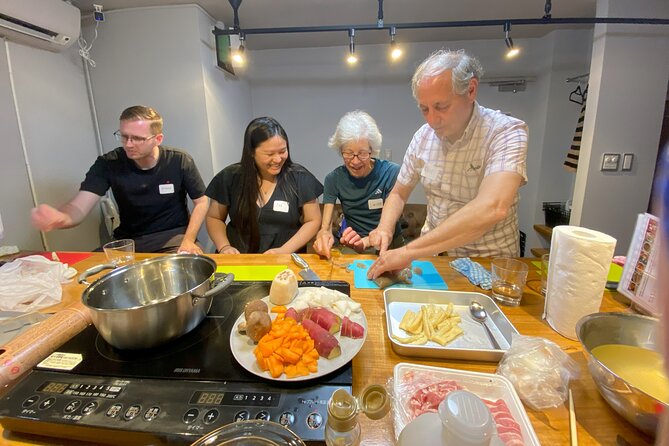
You’ll cook dinner with a local chef. Chef Chieko runs this hands-on class a short walk from Shinjuku, and you’ll learn simple Japanese techniques using fresh local produce—not just watch from the sidelines. I like the way the class stays practical (you’ll actually do the work) and how Chieko’s background shows up in the food, from Shikoku seafood to home-style skills learned from her mother. The main thing to consider is logistics: the meeting address can be a little tricky to spot, so plan to confirm you’re in the right building lobby.
This is also one of those Tokyo experiences that feels grounded in everyday life, not performance. You choose one menu option from five, cook one main dish plus two side dishes, and then sit down to share the meal you made.
The class is private with a small group setup (up to 11 total), and it runs for about 2.5 hours, with set time slots. If you’re trying to squeeze in a cooking activity between train transfers, you’ll want to build in a little buffer for finding the studio.
In This Review
- Key things to know before you go
- Why Chieko’s Story Makes the Cooking Click
- Where You’ll Cook: A Shinjuku-Area Studio With Real Local Convenience
- The Schedule: Two Daily Slots and an Intentionally Relaxed Pace
- How the Class Works: Pick a Menu, Cook a Main, Make Two Sides
- The Ingredients: Fresh Produce and Explanations That Actually Matter
- The Eating Part: Sharing Your Own Meal Like a Local
- Vegetarian Options: How Chieko Handles Dietary Needs
- Meet Junko Too: Warm Hospitality and Sometimes a Little Extra
- Price and Value: What $109 Really Buys
- Who This Class Suits Best (and Who Might Skip It)
- Tips for Finding Your Way on the Day
- Should You Book This Japanese Cooking Class?
- FAQ
- FAQ
- What is the duration of the Japanese cooking class?
- Where do I meet for the class?
- How far is the meeting point from Shinjuku Station?
- What will I cook during the class?
- Can the chef accommodate vegetarian diets?
- Are there set class times?
- Is the class private?
- What is included in the price?
- Is hotel pickup and drop-off included?
Key things to know before you go
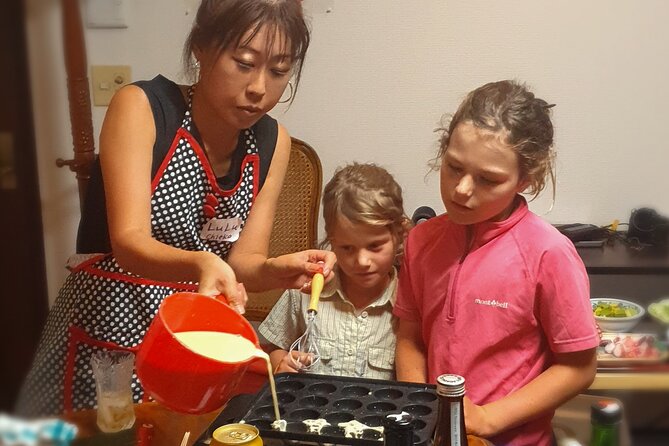
- Chieko’s home-style focus: simple recipes you can remake after you get back.
- One main + two sides: you learn more than a single dish without getting overwhelmed.
- Seasonal menu changes: what you cook can shift with fresh produce availability.
- Vegetarian is possible: Chieko can accommodate a vegetarian diet.
- Small group feel: capped at 11 travelers, so you get attention while cooking.
- Address may need help: you may need to look for staff to meet you in the lobby.
Why Chieko’s Story Makes the Cooking Click
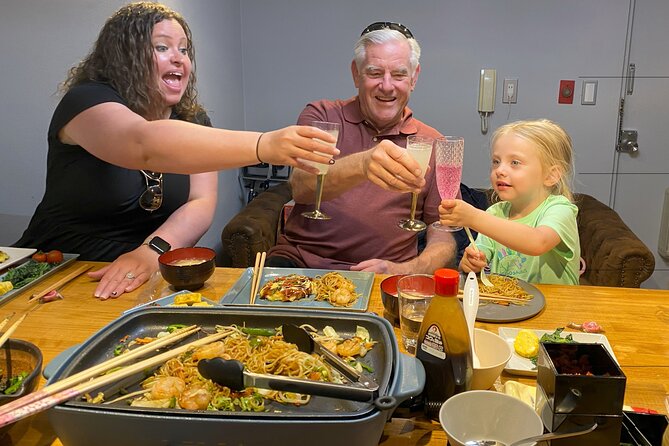
This class works because Chieko cooks like someone who learned at home, not someone reciting a cookbook. She was born and raised on Shikoku Island, then lived in Kyoto, Osaka, and Los Angeles before settling in Tokyo. That mix matters: Shikoku shaped her relationship with fresh seafood, rice, and vegetables, and her later life in multiple cities gives her a teaching style that works well for international visitors.
Her recipes are presented as everyday Japanese cooking—what you’d make at home, not only what you’d order in a restaurant. I like that the focus is on doing the steps correctly and understanding why certain ingredients and timing matter.
The class also comes with a built-in cultural layer: Japanese hospitality and quiet kindness, delivered while you’re holding a knife or stirring a pot. It’s not just food; it’s the rhythm of how a local home gets dinner on the table.
Readers also shortlisted these Tokyo bookings:
- Ramen & Gyoza Cooking Class in Tokyo with Local Supermarket Visit
★ 5.0 · 823 reviews - Tokyo: Easy Ramen Cooking Experience in Kabukicho, Shinjuku
★ 4.6 · 321 reviews - Ramen and Sushi Cooking Class with Sake Pairing Set in Tokyo
★ 5.0 · 291 reviews - Tokyo: Wagyu and 7 Japanese Dishes Cooking Class
★ 4.9 · 273 reviews
Where You’ll Cook: A Shinjuku-Area Studio With Real Local Convenience
You’ll meet at the cooking studio in Yoyogi (Shibuya City), which is described as about a 10-minute walk from Shinjuku Station. That’s a huge plus in Tokyo, where “convenient” can still mean a 20-minute maze of exits. Having a walkable location makes it easier to pair with other plans before or after your class.
The meeting address is listed as センスネイル2-chōme-5-1, Yoyogi, Shibuya, Tokyo 151-0053. One practical note: one past participant said the address was hard to find because nothing was marked on the mailboxes. Their advice was to tell the person you’re expecting that you’re there so they can meet you in the building lobby.
So, when you arrive, don’t just wander the sidewalk and hope you spot the right doorway. Use your phone, take a moment to locate the correct building, and be ready for staff to guide you from the lobby.
The Schedule: Two Daily Slots and an Intentionally Relaxed Pace
This isn’t a quick “ticket-to-taste” event. It’s a 2.5-hour class in two options: 11:00am to 1:30pm or 5:00pm to 7:30pm. That timing is smart because it lines up with when you’d normally eat.
A long-enough cooking window also means you’ll have time to learn without the instructor rushing you through steps. You’re not just collecting recipes; you’re building muscle memory for how Japanese home cooking moves—prep, cook, then refine.
And yes, you’ll leave with food, because you share the meal you make after you finish cooking. For many people, that’s the part that makes the class feel worth it.
How the Class Works: Pick a Menu, Cook a Main, Make Two Sides
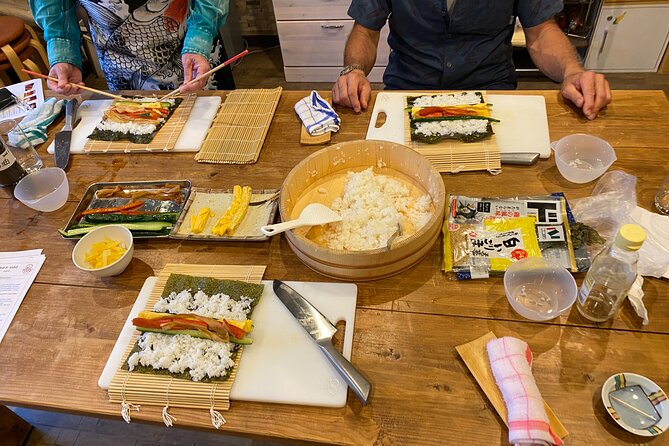
The class is hands-on and structured. You’ll choose one menu from five options, and the exact dishes can vary by season. That seasonality is useful: it keeps the ingredients fresh and lets you see what “local produce” means in practice rather than on a marketing slide.
Once your menu is selected, you’ll cook:
- One main dish
- Two side dishes
This format is the sweet spot. A single dish class can be fun, but it often leaves you with an incomplete dinner idea. Two sides gives you the feel of a real Japanese meal—something like how rice and dishes work together, with variety on the table.
Chieko also teaches simple tips and tricks she learned from her mother. You’ll hear small practical guidance while you’re cooking, like how to approach textures, seasoning balance, and timing, so the food doesn’t just taste good in the moment—it tastes right when you try it later.
The Ingredients: Fresh Produce and Explanations That Actually Matter
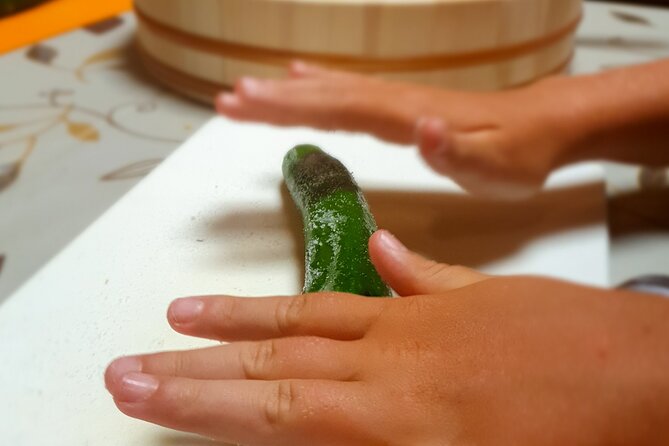
One of the most praised parts of this experience is the way the instructors talk about what you’re cooking. People appreciated explanations of the produce you use and why it fits the dish. That matters because Japanese cooking often balances subtle flavors, and knowing the role of an ingredient helps you adjust at home.
You’ll be working with fresh items rather than frozen or shelf-stable shortcuts. And since menu options can shift with the season, you learn a transferable approach: choose good ingredients, handle them with care, and follow the method that makes Japanese home cooking work.
If you want to cook better after the trip, this is the kind of class where you pay attention. Watch how the instructors guide portions and timing. You’re building intuition, not memorizing a single recipe card.
Readers also shortlisted these Tokyo bookings:
- Sushi Making Tokyo Roll and Authentic Japanese Sushi Class★ 5.0 · 3,971 reviews
- Tokyo: Roll and Authentic Sushi Making Class in Asakusa★ 4.9 · 1,957 reviews
- Tokyo Shinjuku Chopsticks Making Class★ 5.0 · 1,763 reviews
- Tokyo: Sushi Making Class in a Happi Coat near a Famous Spot★ 4.9 · 1,377 reviews
- Chopstick Making Workshop in Ginza★ 4.8 · 1,366 reviews
The Eating Part: Sharing Your Own Meal Like a Local
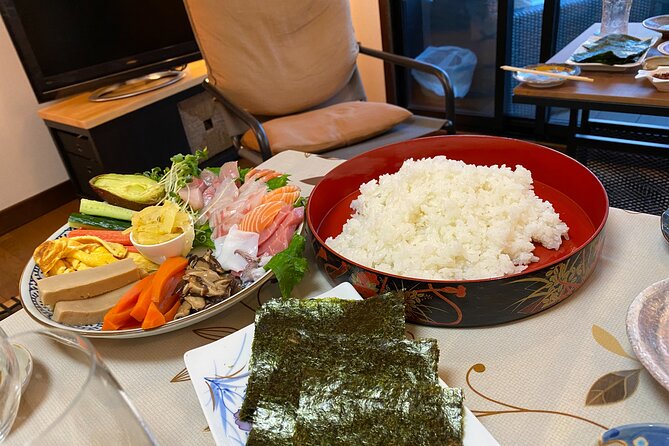
After you cook, you sit down to share the Japanese meal you made. This is one of the best parts because it stops the experience from feeling like a lesson-only activity.
Eating together also turns the class into a conversation. You can ask questions, compare notes on your cooking choices, and learn what to do differently next time. It’s the moment where everything you did—chopping, cooking, seasoning—becomes one coherent meal.
And since this is framed as everyday Japanese hospitality, the tone stays warm and relaxed. You’re not being graded. You’re learning.
Vegetarian Options: How Chieko Handles Dietary Needs
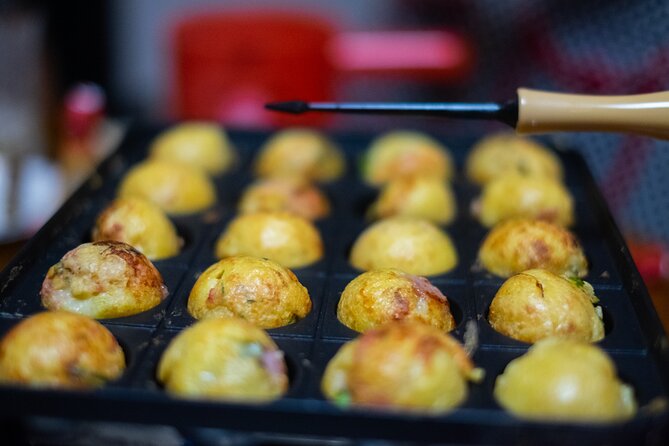
Chieko can accommodate a vegetarian diet. That’s important in Japan, where “vegetable” can sometimes still mean hidden fish-based elements in sauces or broth unless you plan ahead.
The practical move for you: let the host know your dietary needs when booking, using the special requirements field. Also tell them about allergies in advance.
Because the menu is chosen from five options and can vary seasonally, your best outcome comes from clear communication early. This is one area where you’ll get more flexibility if you ask directly rather than improvising on the day.
Meet Junko Too: Warm Hospitality and Sometimes a Little Extra
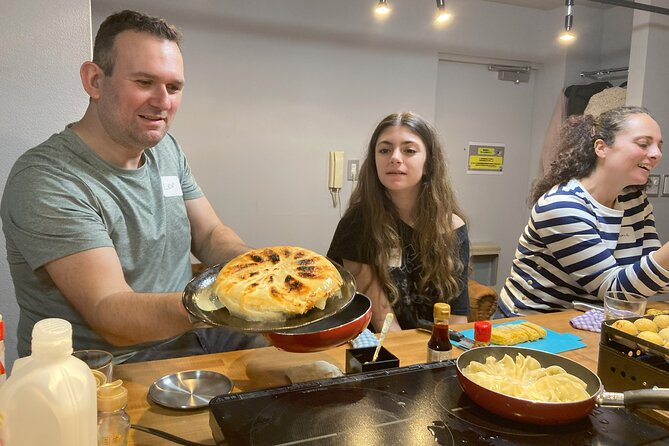
One detail that made this class stand out for a past participant was the presence of a warm host named Junko. They described Junko as friendly and thoughtful, including asking ahead if they wanted to wear a yukata for the experience at no cost.
They also mentioned Junko prepared a small birthday gift when it was their birthday. Those touches aren’t required for the cooking part to work—but they add a human layer that makes the evening feel special.
So if you’re celebrating something, it’s worth mentioning it when you book. You can’t count on extras, but Junko’s track record suggests they pay attention.
Price and Value: What $109 Really Buys
At $109 per person, this class isn’t the cheapest way to spend time in Tokyo. But it’s also not priced like a glossy restaurant experience. You’re paying for three things that usually cost more separately:
- Personal instruction from a certified cooking instructor (Chieko)
- A full hands-on cooking session with you doing the work
- A sit-down meal you help prepare
The class lasts about 2.5 hours, and the group is kept small (max 11). Small groups change the value equation because you can ask questions and get feedback while cooking.
You also need to think about what you’re taking home. The real payoff isn’t just what you eat that night. It’s the practical approach: how to make simple Japanese dishes from scratch with fresh produce, plus the tips you can repeat at home.
If you like cooking, this is a strong value. If you just want a snack, it might feel long. But if you want a real skill plus a meal, it makes a lot of sense.
Who This Class Suits Best (and Who Might Skip It)
This works especially well if you:
- Want a home-style Japanese meal, not just a tasting
- Enjoy hands-on activities more than passive sightseeing
- Prefer clear, repeatable recipes over complicated techniques
- Are traveling with someone and want a shared, practical experience
- Need vegetarian-friendly options handled by a host who can accommodate
It may not be the best fit if you:
- Get stressed by finding a studio in a residential area
- Don’t want to cook at all and only want to observe
- Have very limited time between train connections and hotel plans
If the logistics scare you, solve it with one tactic: arrive early enough to find the right building lobby calmly.
Tips for Finding Your Way on the Day
Based on how the address was described as a little hard to spot, I’d plan like this:
- Use your map app and confirm the exact building number before you walk up.
- Don’t rely on mailboxes being labeled.
- If there’s any doubt, be ready to ask staff to meet you in the building lobby area.
Also, since the tour uses a mobile ticket, have it accessible on your phone so there’s no delay when you arrive. These small delays can snowball in Tokyo, where walking times and train timing are tight.
Bring comfortable shoes too. Even if it’s only a short walk from Shinjuku, you’ll likely stand while checking in and moving between prep and cooking zones.
Should You Book This Japanese Cooking Class?
I’d book it if you want more than a meal. This class is built to teach you practical Japanese home cooking—main dish plus sides—then let you enjoy the results together. Chieko’s background and the way the team explains ingredients make it feel personal, not scripted.
If you’re vegetarian, it’s also a rare kind of Tokyo cooking activity where you can request accommodation without forcing the trip to revolve around guesswork.
The only reason to hesitate is simple: you need to be comfortable handling a small address-finding challenge. Once you’re inside, everything is focused and well paced.
If that sounds like you, this is a smart use of your Tokyo time.
FAQ
FAQ
What is the duration of the Japanese cooking class?
The class runs for about 2.5 hours.
Where do I meet for the class?
You’ll meet at センスネイル2-chōme-5-1 Yoyogi, Shibuya, Tokyo 151-0053, Japan.
How far is the meeting point from Shinjuku Station?
The meeting area is described as about a 10-minute walk from Shinjuku Station.
What will I cook during the class?
You’ll cook one main dish and two side dishes, chosen from five menu options.
Can the chef accommodate vegetarian diets?
Yes. Chieko can accommodate a vegetarian diet.
Are there set class times?
Yes. The class is scheduled for 11:00am–1:30pm or 5:00pm–7:30pm.
Is the class private?
It’s described as a private Japanese cooking class in Tokyo, with a maximum group size of 11 travelers.
What is included in the price?
The lesson and the home-cooked Japanese meal are included.
Is hotel pickup and drop-off included?
No. Hotel pickup and drop-off are not included. You’ll return to the meeting point at the end.
More Workshops in Tokyo
- Sushi Making Tokyo Roll and Authentic Japanese Sushi Class
★ 5.0 · 3,971 reviews - Tokyo: Roll and Authentic Sushi Making Class in Asakusa
★ 4.9 · 1,957 reviews - Tokyo Shinjuku Chopsticks Making Class
★ 5.0 · 1,763 reviews - Tokyo: Sushi Making Class in a Happi Coat near a Famous Spot
★ 4.9 · 1,377 reviews - Chopstick Making Workshop in Ginza
★ 4.8 · 1,366 reviews
More Cooking Classes in Tokyo
- Ramen & Gyoza Cooking Class in Tokyo with Local Supermarket Visit
★ 5.0 · 823 reviews - Tokyo: Easy Ramen Cooking Experience in Kabukicho, Shinjuku
★ 4.6 · 321 reviews - Ramen and Sushi Cooking Class with Sake Pairing Set in Tokyo
★ 5.0 · 291 reviews - Tokyo: Wagyu and 7 Japanese Dishes Cooking Class
★ 4.9 · 273 reviews - Tokyo Washoku 4-hour Cooking Class: From Market to Table
★ 5.0 · 253 reviews
More Tour Reviews in Tokyo
- Mt Fuji and Hakone 1-Day Bus Tour Return by Bullet Train
★ 5.0 · 26,383 reviews - 1-Day Tokyo Bus Tour
★ 5.0 · 14,250 reviews - Tokyo: teamLab Planets TOKYO Digital Art Museum Entry Ticket
★ 4.6 · 9,779 reviews - Mt Fuji & Hakone Cruise, Drum Show Bullet Train 1 Day from Tokyo
★ 4.0 · 7,413 reviews - Tokyo: Shinjuku Food Tour (13 Dishes at 4 Local Eateries)
★ 5.0 · 6,603 reviews
Latest Tokyo reviews off our desk






Cooking Classes, compared.
 ★ 5.0Ramen & Gyoza Cooking Class in Tokyo with Local Supermarket VisitFrom $122823 reviews
 ★ 4.6Easy Ramen Cooking Experience in Kabukicho, ShinjukuFrom $29321 reviews
 ★ 5.0Ramen and Sushi Cooking Class with Sake Pairing Set in TokyoFrom $79291 reviews
 ★ 4.9Wagyu and 7 Japanese Dishes Cooking ClassFrom $67273 reviews
 ★ 5.0Tokyo Washoku 4-hour Cooking Class: From Market to TableFrom $79253 reviews
 ★ 5.0Small-Group Wagyu Beef and 7 Japanese Dishes Tokyo Cooking ClassFrom $72190 reviews
 ★ 5.0Private Home Cooking in Yanaka – Local Flavors in a Warm SettingFrom $122173 reviews
 ★ 5.0Tokyo Sushi Making Experience & Japanese Cooking ClassFrom $59150 reviews
Browse the lists this tour appears in