
Reviewed · COOKING CLASSES
Japanese Cooking class in Tokyo
Dashi first, then everything clicks. This Japanese cooking class in Tokyo runs like a real home session at Morimi’s Home Kitchen, with a certified chef teaching you the core flavors and techniques behind Japanese comfort food. I love that it’s hands-on from the start, and you actually get to use traditional tools like a suribachi and an oshizushiki, not just watch from the sidelines.
The main thing to consider is that the courses include ingredients like pork and seafood depending on what you choose, though vegetarian/vegan and gluten-free adjustments are available if you tell them when you book.
In This Review
- Key highlights before you book
- A Tokyo Home Kitchen Where Japanese Cooking Feels Personal
- Before You Start: Dashi, Rice, and the Tools That Make It Work
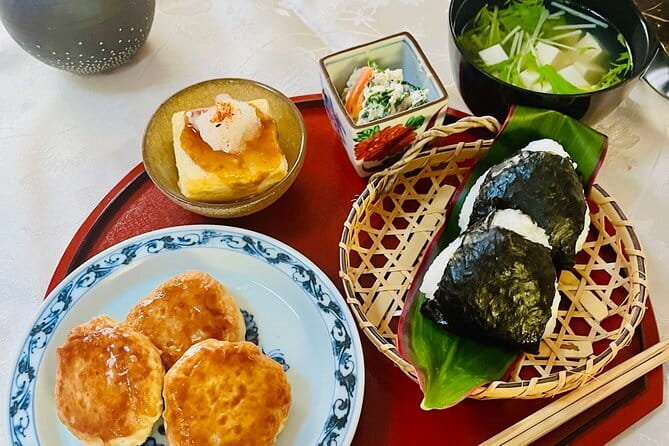
- Tofu Course: Agadashi, Tofu Burgers, Shiraae, and Rice Balls
- Sushi Course: Sushi Rice, Temari Sushi Choices, and Pressed Oshizushi
- Curry Course: Japanese-Style Curry With Tonkatsu and Ebi Fry
- Tasting, Optional Sake, and the Recipes You Take Home
- Price and Value: What $71 Gets You in Real Food
- Logistics That Matter: Pickup, Mobile Ticket, and Getting There
- Who Should Choose Tofu, Sushi, or Curry?
- Should You Book This Japanese Cooking Class in Tokyo?
- FAQ
- What courses are offered in this Tokyo Japanese cooking class?
- How long is the cooking class, and what time does it start?
- Is pickup included?
- Can the class accommodate vegetarian, vegan, or gluten-free diets?
- What does lunch include?
- Can I get a full refund if I cancel?
Key highlights before you book
- Pick your course: Tofu, Sushi, or Curry (each is a different cooking “track”)
- Learn the foundations: dashi stock plus rice cooking in a regular pot
- Use classic tools: suribachi and an oshizushiki (pressed sushi mold)
- Diet-friendly options: tofu course can be vegetarian, vegan, and gluten-free; sushi course has gluten-free options too
- Lunch is part of the deal: your meal comes from what you cook
- Optional extras during tasting: sake and wagashi, plus unlimited green tea and drinks
A Tokyo Home Kitchen Where Japanese Cooking Feels Personal
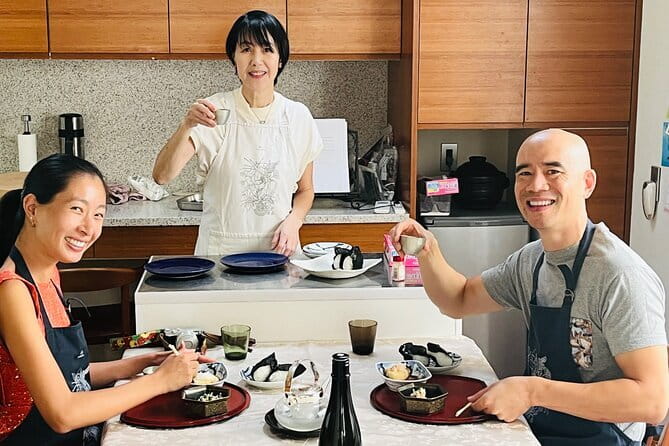
This class is in Setagaya, at Morimi’s Home Kitchen, in a real home cooking space rather than a warehouse-style studio. That matters because you spend the whole session moving from step to step with guidance, and the atmosphere stays calm and practical instead of rushed. The fact that it’s a private tour/activity (your group only) also helps—questions don’t get lost in a big crowd.
Logistics are pretty straightforward for Tokyo. It starts at 10:30 am, runs for about 3 hours, and ends back at the meeting point. Pickup is offered, but private transportation is not included, so you’ll want to plan for public transit access. The location is near public transportation, and the address in Setagaya is what you’ll use for meeting.
Value-wise, the price is $71 per person, and what you get is more than a tasting. You’re paying for instruction, meal prep, and a finished lunch you can eat right there. You also take home English recipes, which is where the cost can start to feel really reasonable—because you’re buying skills, not just a one-time meal.
Readers also shortlisted these Tokyo bookings:
- Ramen & Gyoza Cooking Class in Tokyo with Local Supermarket Visit
★ 5.0 · 823 reviews - Tokyo: Easy Ramen Cooking Experience in Kabukicho, Shinjuku
★ 4.6 · 321 reviews - Ramen and Sushi Cooking Class with Sake Pairing Set in Tokyo
★ 5.0 · 291 reviews - Tokyo: Wagyu and 7 Japanese Dishes Cooking Class
★ 4.9 · 273 reviews
Before You Start: Dashi, Rice, and the Tools That Make It Work
Japanese cooking often feels mysterious if you only know soy sauce and ramen vibes. This class gives you the missing foundation fast: dashi. Dashi is the base for many Japanese dishes, and learning how to make it (and understand what goes into it) gives you a framework you can use later.
You’ll also learn how to cook Japanese rice using a regular pot. That detail is surprisingly important. Lots of recipes assume a specific rice cooker setup, but here you’re trained for the kind of equipment you probably already have at home. The class also introduces traditional cooking tools, including:
- suribachi (Japanese mortar) for grinding ingredients
- oshizushiki (pressed sushi mold) for shaping oshizushi
These aren’t just showpieces. Using them teaches you technique and texture, like how pressure affects the final sushi shape or how grinding changes ingredient behavior.
One more practical point: the session is in English via instruction and English recipes provided. That’s a big help if you want to reproduce what you made later without guessing.
Tofu Course: Agadashi, Tofu Burgers, Shiraae, and Rice Balls
If you want the widest list of dishes and you care about flexible dietary needs, the Tofu course is the one to look at. This option is built around tofu in multiple styles, so you learn how tofu changes with preparation method, not just how it tastes.
What you’ll make includes:
- tofu hamburgers
- agadashi tofu (deep-fried tofu with topping)
- shiraae (tofu salad)
- tofu soup
- rice balls (as part of the meal)
You’ll also learn how to prepare dashi stock and cook rice in a regular pot, which overlaps with the “Japanese fundamentals” theme so you leave with core skills, not only tofu recipes.
Diet notes are also clear: the tofu course can be accommodated for vegetarian, vegan, and gluten-free guests. If you’re vegan or vegetarian, this course is also the simplest way to build a full meal without compromise—because the course itself is tofu-focused rather than “tofu as an add-on.”
From the way the experience is described, this course tends to appeal to people who want to maximize recipe count in one session. You get lunch right away too: the included meal for this course covers three types of tofu dishes, two rice balls, and soup.
Sushi Course: Sushi Rice, Temari Sushi Choices, and Pressed Oshizushi
The Sushi course is for you if you want the hands-on satisfaction of making sushi shapes yourself. It starts with making sushi rice, which is where many home attempts go wrong. If you nail the rice, the rest gets easier.
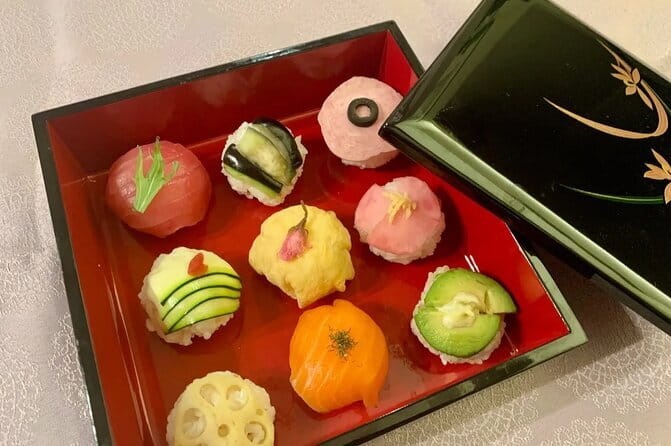
After that, you’ll create six types of temari sushi of your choice. The selection comes from sashimi and vegetables, and each portion lets you play with different ingredients and flavors. On top of that, each participant makes one roll of oshizushi using the oshizushiki mold. You’ll use shrimp and smoked salmon for that pressed sushi.
A practical note for dietary planning: gluten-free options are available for the sushi course. The class also provides English recipes, which is helpful because sushi techniques can be step-sensitive—especially when you’re trying to reproduce the texture later.
From the feedback you might hear about this type of class, the pressed sushi mold is often the highlight because it’s fun to use and the results are visibly different from hand-formed sushi. You get that “I made this shape on purpose” moment, not just a bowl of something you assembled.
Lunch is included here too—so what you produce becomes your meal: temari sushi, pressed sushi, and soup.
Curry Course: Japanese-Style Curry With Tonkatsu and Ebi Fry
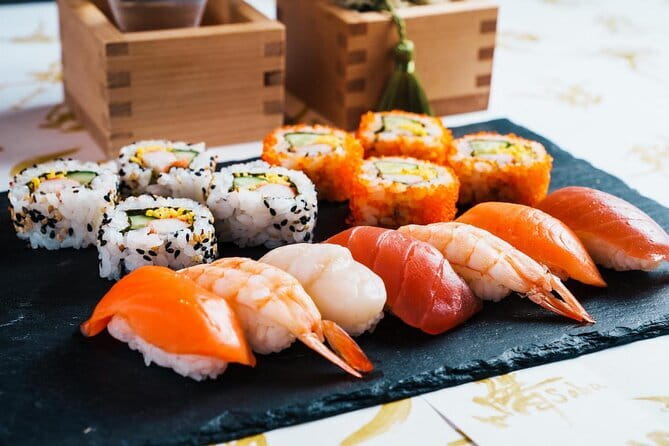
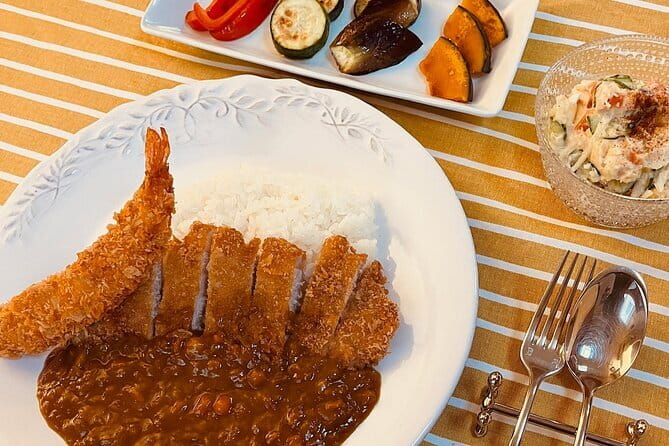
If you’re craving comfort food that tastes distinctly Japanese (not just curry-by-another-name), the Curry course is a great choice. You’ll prepare Japanese-style curry using roux, then build it around classic toppings and sides:
- tonkatsu (pork cutlet)
- ebi fry (fried shrimp)
- Japanese-style potato salad
- grilled veggie (included in the lunch set)
This course also includes rice as part of the meal. So you’re not cooking curry in a vacuum—you’re cooking the full plate.
This is also the course that, in the descriptions you’ll find, gets compared to the curry flavors people know from elsewhere. Here, the flavor profile comes from Japanese dashi context and the roux style rather than spices being the main event. The combination of crispy cutlet, fried shrimp, and potato salad helps balance the rich curry with texture and cool, creamy notes.
If you’ve ever wanted to learn how to make the kind of curry you’d find at a Japanese katsu curry shop, this is the direct path. It’s a little more “cooking work” than some classes because of the cutlet/fry steps, but the payoff is a complete lunch you made with your own hands.
Readers also shortlisted these Tokyo bookings:
- Sushi Making Tokyo Roll and Authentic Japanese Sushi Class★ 5.0 · 3,971 reviews
- Tokyo: Roll and Authentic Sushi Making Class in Asakusa★ 4.9 · 1,957 reviews
- Tokyo Shinjuku Chopsticks Making Class★ 5.0 · 1,763 reviews
- Tokyo: Sushi Making Class in a Happi Coat near a Famous Spot★ 4.9 · 1,377 reviews
- Chopstick Making Workshop in Ginza★ 4.8 · 1,366 reviews
Tasting, Optional Sake, and the Recipes You Take Home
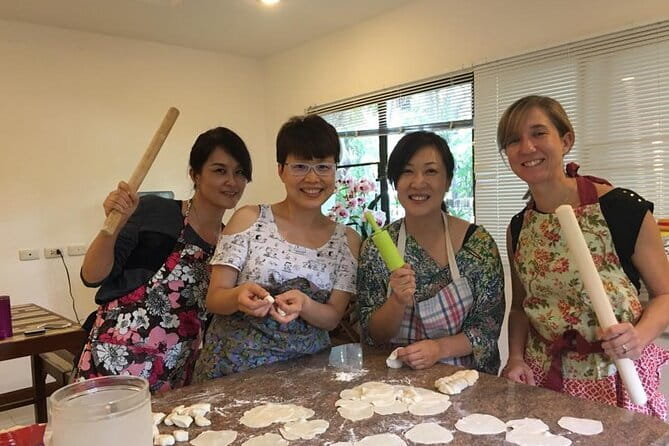
The class is not just about cooking—it’s also about tasting what you made. During the tasting session, optional Japanese sake and wagashi (traditional sweets) are available. If you opt in, it’s a nice way to round out the flavors with something sweet and seasonal.
Even if you skip alcohol, you’ll still have drinks included. Green tea and mineral water are unlimited, and there’s also herbal tea available. That’s a small detail that makes a difference during a 3-hour kitchen session when you’re sweating a little and moving around.
One of the most practical parts is that you receive English recipes. That’s not a nice-to-have. It’s what turns the class from a fun afternoon into a skill you can repeat later. The class also includes a small souvenir at the end, which is a pleasant touch—but the real takeaway is the “how,” written down clearly enough to use back home.
Price and Value: What $71 Gets You in Real Food
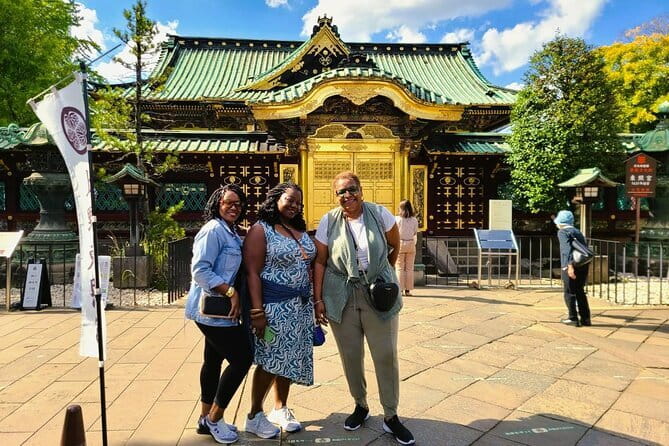
$71 can sound like a lot until you look at what’s included. You’re paying for:
- a certified chef teaching fundamentals like dashi and rice technique
- hands-on instruction across your chosen course (tofu, sushi, or curry)
- lunch included, built from what you cook
- unlimited drinks like green tea and mineral water
- English recipes so you can cook again
In other words, you’re not only buying a meal. You’re buying time with someone who can correct your technique in the moment—especially helpful for things like seasoning, texture, and shaping.
When might $71 feel less worth it? If you only want a quick snack and don’t care about learning technique, you’ll likely feel it’s too focused on cooking. If you’re hungry and want actionable skills, it’s priced like a learning experience that also happens to feed you.
Logistics That Matter: Pickup, Mobile Ticket, and Getting There
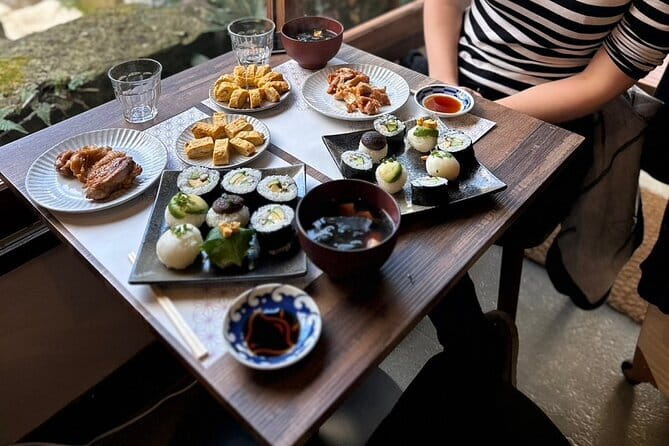
Start time is 10:30 am, and the class ends back at the meeting point. You should plan to arrive early enough to settle in calmly. This is a private class in a home kitchen, so being on time keeps the flow smooth.
You’ll have a mobile ticket, and confirmation is received at booking time unless you book within 2 days of travel, in which case confirmation comes within 48 hours subject to availability.
Pickup is offered, but private transportation isn’t included. If you’re coming from farther across Tokyo, it’s worth checking whether pickup works for your exact area when you book, so you don’t burn your energy on a complicated last-mile transit hunt.
Who Should Choose Tofu, Sushi, or Curry?
Pick based on what you want to learn and what you’ll actually cook later.
Choose the Tofu course if you want variety and diet-friendly options. It’s the most straightforward path for vegetarian, vegan, and gluten-free needs, and it teaches multiple tofu preparations in one sitting.
Choose the Sushi course if sushi rice and shaping techniques are your goal. The temari sushi choice format makes it feel personal, and the oshizushi mold teaches a distinct style you can’t easily fake with only a spoon.
Choose the Curry course if you want a full, comforting plate with clear payoff. You’ll learn Japanese-style curry structure and how tonkatsu and ebi fry fit into the meal, plus you’ll practice the balance of rich and crispy.
If you have food allergies or foods you can’t eat, tell the organizer when you reserve. The class asks you to share allergies, because the course ingredients depend on your menu choice.
Should You Book This Japanese Cooking Class in Tokyo?
Book it if you want a hands-on Japanese cooking class in Tokyo that focuses on real technique: dashi, rice, and classic tools like suribachi and oshizushiki. It’s also a strong pick if you want lunch built from what you cook and English recipes you can follow later.
Hold off if you’re looking for a passive experience, or if your schedule won’t handle a 3-hour home-kitchen style class. And if you’re sensitive to pork or seafood, choose tofu (or the gluten-free sushi option) and make sure you’re clear about dietary needs when you book.
If you want one afternoon that makes Japanese food feel doable at home, this is a good match.
FAQ
What courses are offered in this Tokyo Japanese cooking class?
You can choose from three options: Tofu course, Sushi course, or Curry course. Each course includes a different set of dishes and hands-on steps, plus recipes in English.
How long is the cooking class, and what time does it start?
The class runs for about 3 hours and starts at 10:30 am. It ends back at the meeting point.
Is pickup included?
Pickup is offered, but private transportation is not included. The class is near public transportation, so you may also use transit depending on your route.
Can the class accommodate vegetarian, vegan, or gluten-free diets?
Yes. The Tofu course can be accommodated for vegetarian, vegan, and gluten-free guests. Gluten-free options are also available with the Tofu course or Sushi course. Let them know during reservation, especially if you need tofu-based meals.
What does lunch include?
It depends on the course. The Tofu course includes three tofu dishes, two rice balls, and soup. The Sushi course includes temari sushi, pressed sushi, and soup. The Curry course includes rice, curry, tonkatsu, ebi fry, grilled veggie, and potato salad.
Can I get a full refund if I cancel?
You can cancel for a full refund up to 24 hours before the start time. If you cancel less than 24 hours before, the amount you paid is not refunded.
More Workshops in Tokyo
- Sushi Making Tokyo Roll and Authentic Japanese Sushi Class
★ 5.0 · 3,971 reviews - Tokyo: Roll and Authentic Sushi Making Class in Asakusa
★ 4.9 · 1,957 reviews - Tokyo Shinjuku Chopsticks Making Class
★ 5.0 · 1,763 reviews - Tokyo: Sushi Making Class in a Happi Coat near a Famous Spot
★ 4.9 · 1,377 reviews - Chopstick Making Workshop in Ginza
★ 4.8 · 1,366 reviews
More Cooking Classes in Tokyo
- Ramen & Gyoza Cooking Class in Tokyo with Local Supermarket Visit
★ 5.0 · 823 reviews - Tokyo: Easy Ramen Cooking Experience in Kabukicho, Shinjuku
★ 4.6 · 321 reviews - Ramen and Sushi Cooking Class with Sake Pairing Set in Tokyo
★ 5.0 · 291 reviews - Tokyo: Wagyu and 7 Japanese Dishes Cooking Class
★ 4.9 · 273 reviews - Tokyo Washoku 4-hour Cooking Class: From Market to Table
★ 5.0 · 253 reviews
More Tour Reviews in Tokyo
- Mt Fuji and Hakone 1-Day Bus Tour Return by Bullet Train
★ 5.0 · 26,383 reviews - 1-Day Tokyo Bus Tour
★ 5.0 · 14,250 reviews - Tokyo: teamLab Planets TOKYO Digital Art Museum Entry Ticket
★ 4.6 · 9,779 reviews - Mt Fuji & Hakone Cruise, Drum Show Bullet Train 1 Day from Tokyo
★ 4.0 · 7,413 reviews - Tokyo: Shinjuku Food Tour (13 Dishes at 4 Local Eateries)
★ 5.0 · 6,603 reviews
Latest Tokyo reviews off our desk




Cooking Classes, compared.
 ★ 5.0Ramen & Gyoza Cooking Class in Tokyo with Local Supermarket VisitFrom $122823 reviews
 ★ 4.6Easy Ramen Cooking Experience in Kabukicho, ShinjukuFrom $29321 reviews
 ★ 5.0Ramen and Sushi Cooking Class with Sake Pairing Set in TokyoFrom $79291 reviews
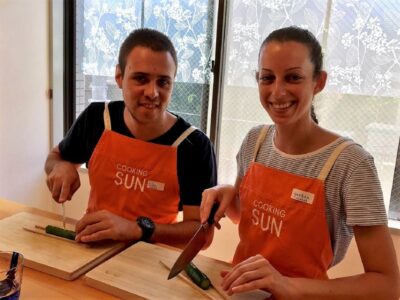 ★ 4.9Wagyu and 7 Japanese Dishes Cooking ClassFrom $67273 reviews
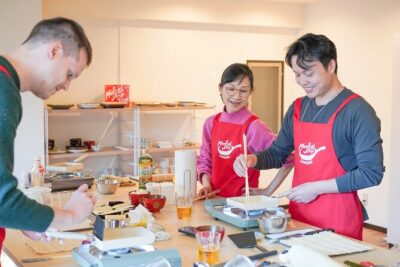 ★ 5.0Tokyo Washoku 4-hour Cooking Class: From Market to TableFrom $79253 reviews
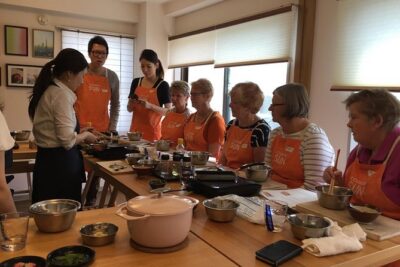 ★ 5.0Small-Group Wagyu Beef and 7 Japanese Dishes Tokyo Cooking ClassFrom $72190 reviews
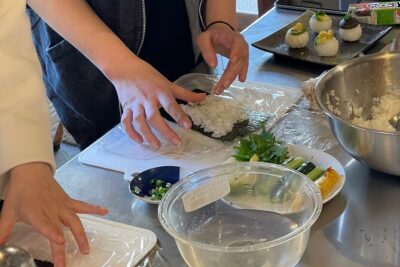 ★ 5.0Private Home Cooking in Yanaka – Local Flavors in a Warm SettingFrom $122173 reviews
 ★ 5.0Tokyo Sushi Making Experience & Japanese Cooking ClassFrom $59150 reviews
Browse the lists this tour appears in