
Reviewed · KAMAKURA DAY TRIPS
Kamakura: A Journey Through Medieval Japan
Kamakura turns medieval Japan into walkable reality. I like how this route strings together Engaku-ji Zen, Tsurugaoka Hachimangu, and the Great Buddha in a way that makes the samurai era feel understandable, not like memorizing dates. I also love the chance to try shojin-ryori, Buddhist monks’ food, as part of the day instead of as a random restaurant stop. The main thing to consider is that it’s still a walking-focused day, and it is not set up for wheelchair use or mobility impairments.
What really makes it work is the guide. In English, with sharp storytelling and smart timing, John helps you connect religion, politics, and art without turning it into a lecture. Plus, you’re not stuck marching start-to-finish; you’ll use public transport between major sights and there are places to sit along the way. If you’re coming from Tokyo and want a real change of pace, this is an efficient way to do it—without rushing just for the sake of checking boxes.
In This Review
- Key things you’ll notice on this Kamakura route
- Kamakura, the Samurai Base That Still Feels Spiritual
- Engaku-ji Temple: Zen, Art, and the Samurai-Era Connection
- A Quick Detour to Tokei-ji’s Pilgrimage for Women
- Shojin-ryori Lunch: Buddhist Monks’ Food Without the Mystery
- Tsurugaoka Hachimangu: The Shrine That Anchors the City
- Kōtoku-in and the Great Buddha: One of Japan’s Largest
- Getting Between Stops: Trains, a Bus, and a Comfortable Pace
- Enoshima in the Private 8-Hour Option: Holiness, Kitschy Seaside Energy
- Price and Value: What $35 Covers and What You’ll Still Pay
- Best Fit: Who This Tour Suits (and Who Might Want Something Else)
- Should You Book This Kamakura Tour?
- FAQ
- Where is the meeting point for the tour?
- What is the tour duration?
- Is the tour vegetarian or vegan-friendly?
- Is shojin-ryori included?
- What sites will you visit on the standard route?
- How much should I budget for entry fees and transportation?
- Is the tour suitable for wheelchair users or mobility impairments?
- Can I cancel and get a full refund?
Key things you’ll notice on this Kamakura route
- Engaku-ji’s Zen foundations tied to politics, art, and daily religious practice
- Tokei-ji’s women’s pilgrimage connection, brief but meaningful
- Shojin-ryori lunch, vegetarian and vegan-friendly when arranged
- Tsurugaoka Hachimangu’s scale and popularity, right in the action of downtown Kamakura
- Kōtoku-in and the Great Buddha, one of the biggest in Japan
- Enoshima’s holy island + seaside mood, for the private 8-hour option
Kamakura, the Samurai Base That Still Feels Spiritual
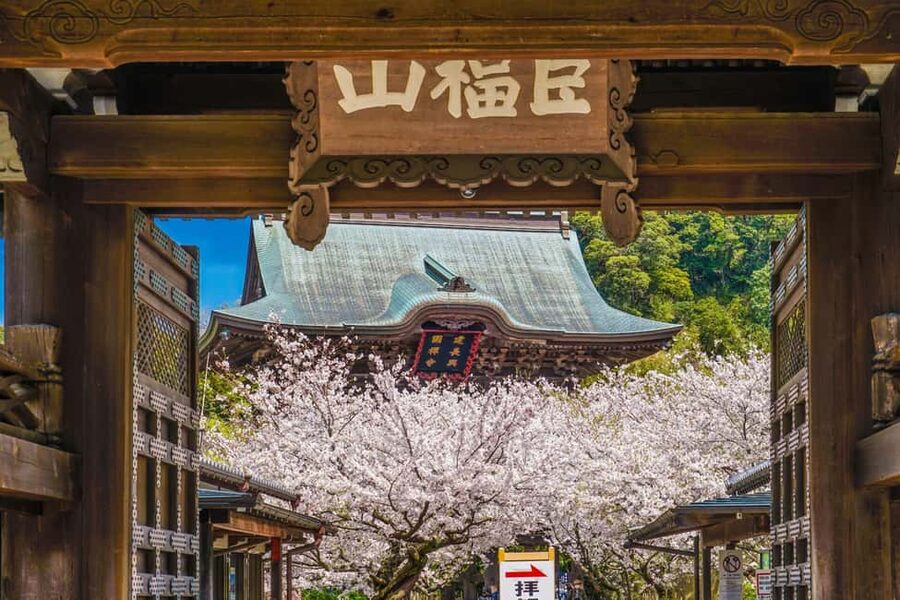
Kamakura is a summer escape for Tokyoites, but it’s not only beaches and weekend crowds. It’s also where Japan’s samurai class set up its first warrior government about 900 years ago during the Kamakura Period—so temples and shrines here aren’t museum pieces. They’re tied to how power, culture, and belief shaped daily life.
This tour matters because it links the places in a logical way. You start with Zen and its influence, then you move into the shrine that functioned as a political center, then you end at major Buddhist landmarks. By the time you reach the coast, the city’s tone makes sense: calm, ceremonial, and very different from Tokyo’s pace.
The day runs 4 to 8 hours, and it’s customizable if you choose private options. That flexibility is useful if you want a tighter half-day or you’re also craving Enoshima’s seaside atmosphere.
Coast-and-Buddha days near Kamakura, rated
- Tokyo: Kamakura & Enoshima Day Trip including Temple Tickets
★ 4.5 · 1,375 reviews - From Tokyo: Kamakura & Enoshima 1-Day Bus Tour
★ 4.5 · 189 reviews - Kamakura Historical Walking Tour with the Great Buddha
★ 5.0 · 129 reviews - Kamakura Private Tour: Temples, Nature, and the Great Buddha
★ 5.0 · 121 reviews
Engaku-ji Temple: Zen, Art, and the Samurai-Era Connection
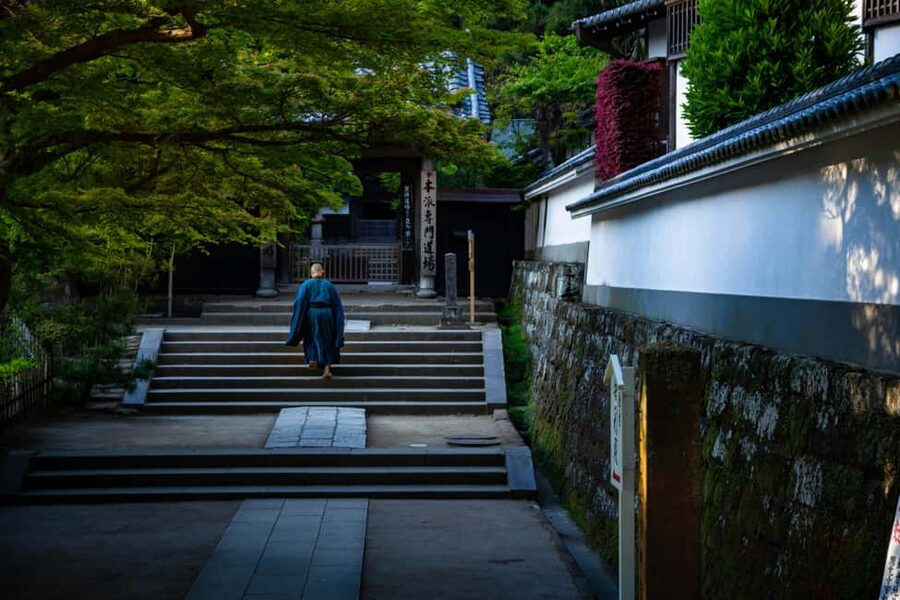
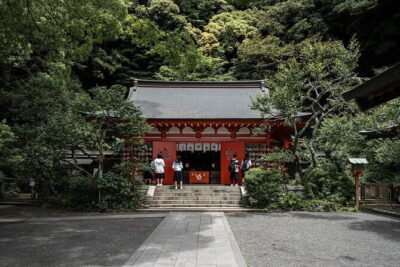
Engaku-ji is one of the most important Zen temples in Japan, and it’s a strong first stop. The guided visit gives you the context to understand why Zen mattered beyond monasteries. Here, you’re seeing how religious ideas fed into Japanese politics and culture—especially during the period when Kamakura rose as a power center.
What I like for your experience is the pacing: about an hour at Engaku-ji lets you look, pause, and take in the atmosphere without feeling like you’re being pushed through. You also get a tour guide who can translate the big concepts into human stories, not just facts.
Possible drawback: this is the kind of stop where the light and crowds can swing by time of day. If you want the most relaxed photos, go with the tour’s flow rather than trying to outsmart it on your own.
A Quick Detour to Tokei-ji’s Pilgrimage for Women
After Engaku-ji, you’ll stop at Tokei-ji, a former nunnery that also serves as a pilgrimage spot connected with women from across Japan. The guided time here is short (around 15 minutes), but it’s placed to widen your view. Instead of only focusing on power structures and male-dominated narratives, you get a snapshot of how women were part of religious life and travel.
This stop works well because it doesn’t force you to choose between “big famous temple” and “meaningful detail.” It’s a quick turn that makes the day feel more complete.
For some people, this is also a good reset. If your legs are already warming up and you’re thinking about lunch next, a short stop helps you keep energy for the heavier sights that follow.
Shojin-ryori Lunch: Buddhist Monks’ Food Without the Mystery
Lunch is built into the tour at a local restaurant, with about 45 minutes set aside. The standout detail here is the food: you’ll have the chance to eat shojin-ryori, the vegetarian cuisine traditionally eaten by Buddhist monks every day.
A key note for your planning: shojin-ryori is generally included for the 8-hour tour, but it can be available upon request for the 4-hour version. If this is a must-do, you’ll want to request it ahead of time so the day matches your expectations.
Value-wise, this is a smart use of tour time. Instead of you spending energy searching for the right food and double-checking dietary fit, the tour handles the vegetarian/vegan-friendly angle. The tour data says it’s vegetarian and vegan-friendly, and the guide can meet needs if you share dietary restrictions ahead of time.
One consideration: shojin-ryori-style meals aren’t always designed to feel like your typical Japanese comfort food. You’ll likely taste more seasonal vegetables and simpler flavor profiles. If you like eating with intention, you’ll enjoy it.
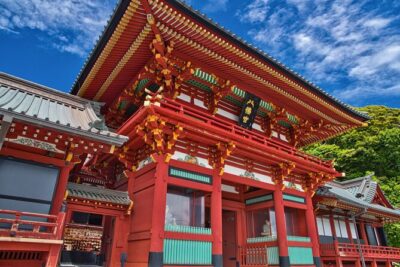
Tsurugaoka Hachimangu: The Shrine That Anchors the City
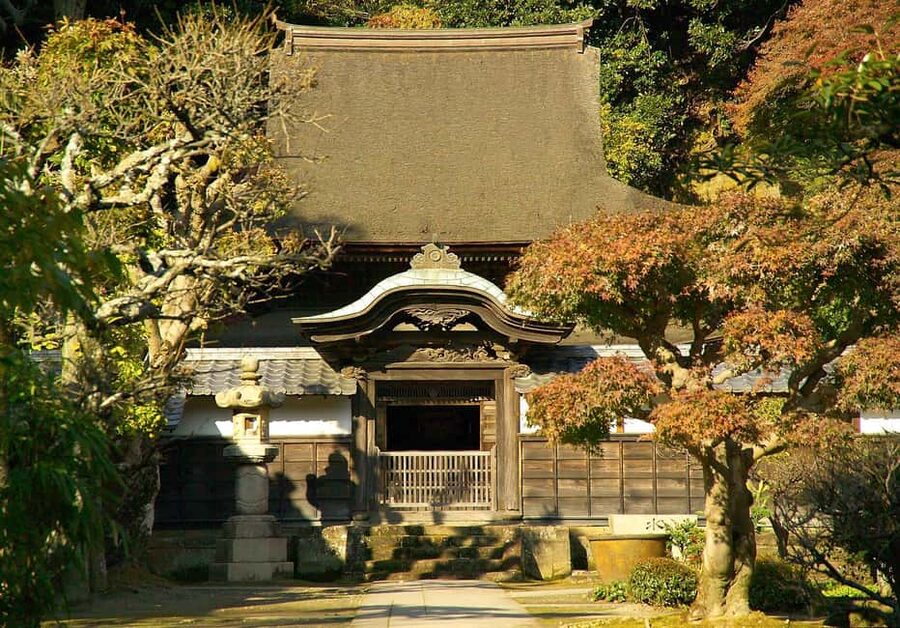
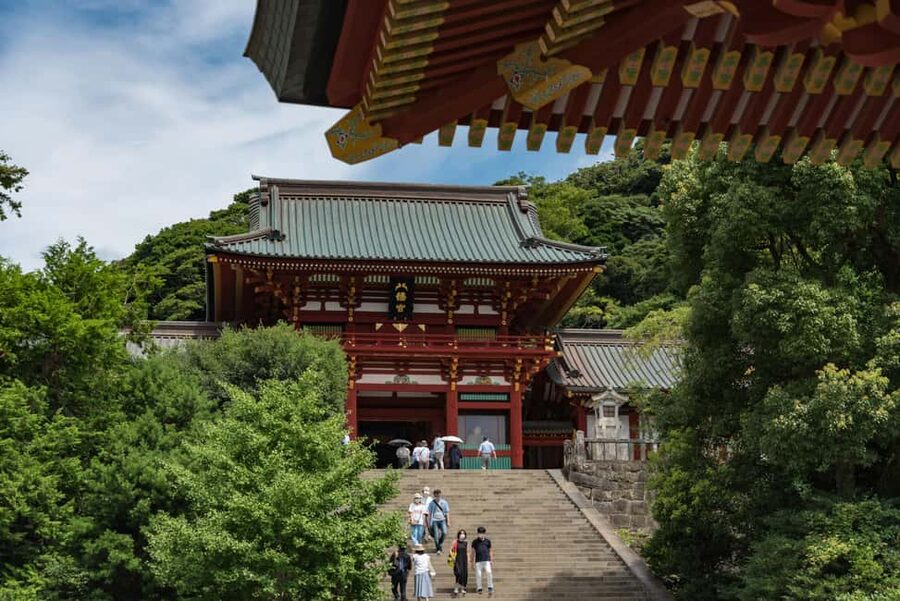
Tsurugaoka Hachimangu is one of Kamakura’s biggest and most popular shrines, and it’s located right in downtown Kamakura. You’ll have around 30 minutes for a guided look, which is just enough time to understand the site without turning it into a marathon.
This stop is valuable because it brings you from Zen into the shrine world—where Kamakura’s identity is more public-facing. The tour framing connects it to the center of Kamakura-period politics, which helps you see the shrine as part of how the city organized power and meaning.
Practical tip: this is a highly visited area. If you’re sensitive to crowds, go with the guide’s timing rather than trying to wander for long stretches. You’ll spend your energy more efficiently.
- Kamakura: Private Guided Walking Tour with Local Guide★ 4.8 · 60 reviews
- Kamakura 4hr Private Trip with Government-Licensed Guide★ 5.0 · 58 reviews
- Kamakura Rickshaw Tour★ 5.0 · 53 reviews
- From Tokyo: Kamakura Full Day Tour with a Local Expert Guide★ 4.6 · 43 reviews
- When Emperors Reigned and Shoguns Ruled★ 5.0 · 43 reviews
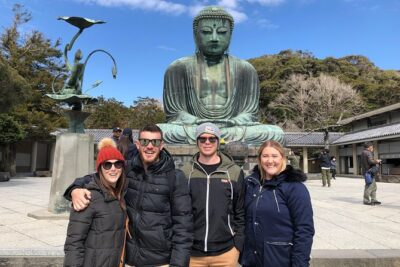
Kōtoku-in and the Great Buddha: One of Japan’s Largest
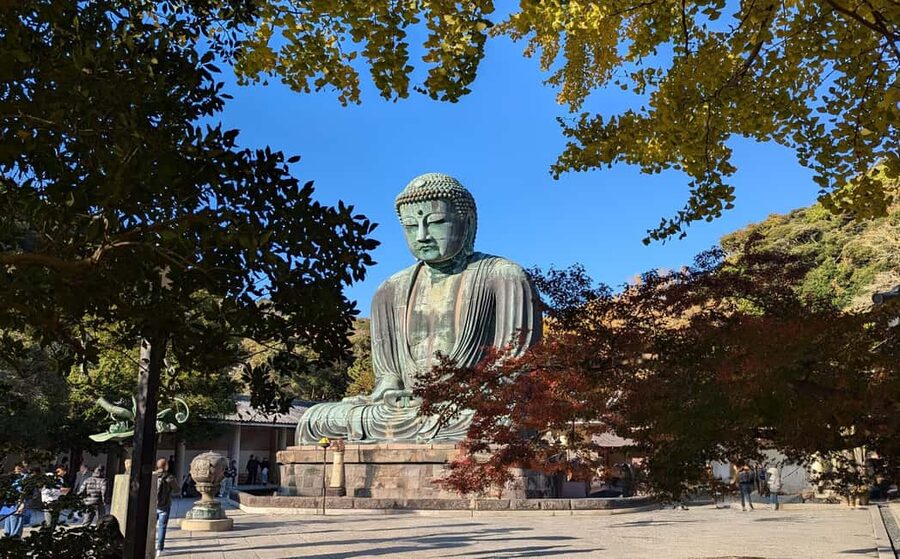
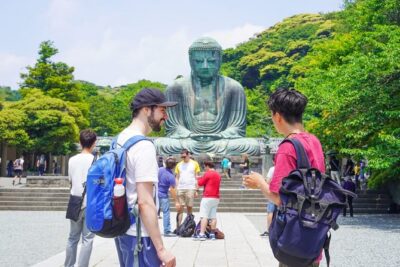
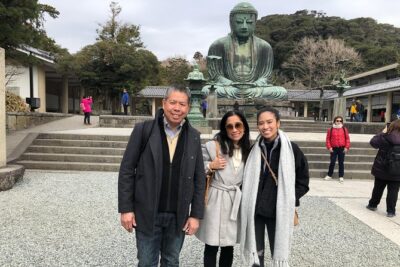
Next is Kōtoku-in, home to the Great Buddha of Kamakura. You’ll get about 30 minutes here, which gives you enough time to see the statue from key angles and soak in the scale.
The Great Buddha is one of the largest Buddha statues in Japan, and the size is the point. Up close, it shifts from a landmark you’ve heard about into something physical and calming. This is also a spot where the guide’s story-telling improves your understanding, because the religious meaning isn’t just background—it’s part of how you read the place.
If you care about photos, this is the kind of stop where timing and positioning matter. The guide’s help can get you to better photo spots and keep you from spending too long chasing the perfect frame while the rest of the group waits.
Getting Between Stops: Trains, a Bus, and a Comfortable Pace
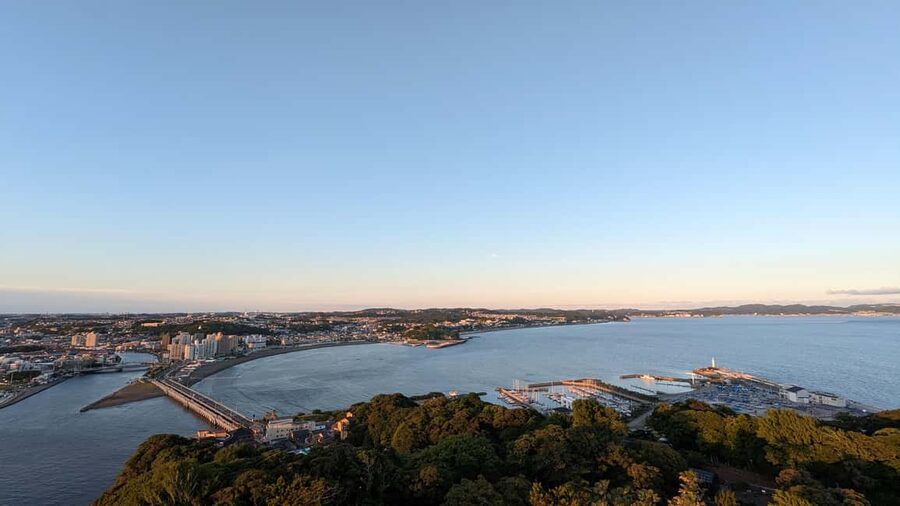
Even though this is a walking tour, it’s not a hard-core hike. The tour uses public transport between sights, including a bus/coach segment of about 20 minutes and a train segment of about 15 minutes. That matters because it lets you cover more ground without turning the day into a leg workout.
You’ll also find places to sit along the way, which keeps the day from feeling like nonstop movement. This is especially helpful in warm months, when Kamakura’s summer vibe is no joke.
That said, you should expect walking. The tour data explicitly says it is not suitable for people with mobility impairments or wheelchair users, so if walking comfortably is a concern, treat this as a hard limitation rather than a maybe.
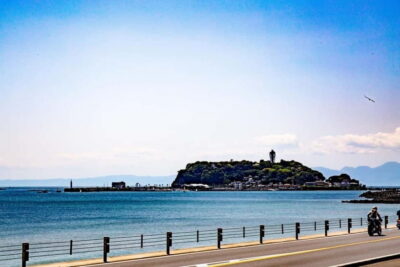
Enoshima in the Private 8-Hour Option: Holiness, Kitschy Seaside Energy
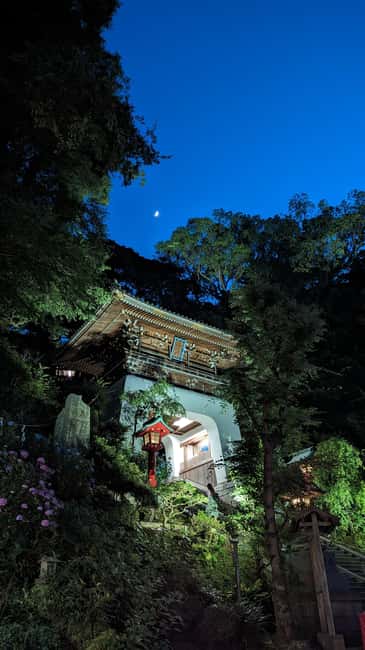
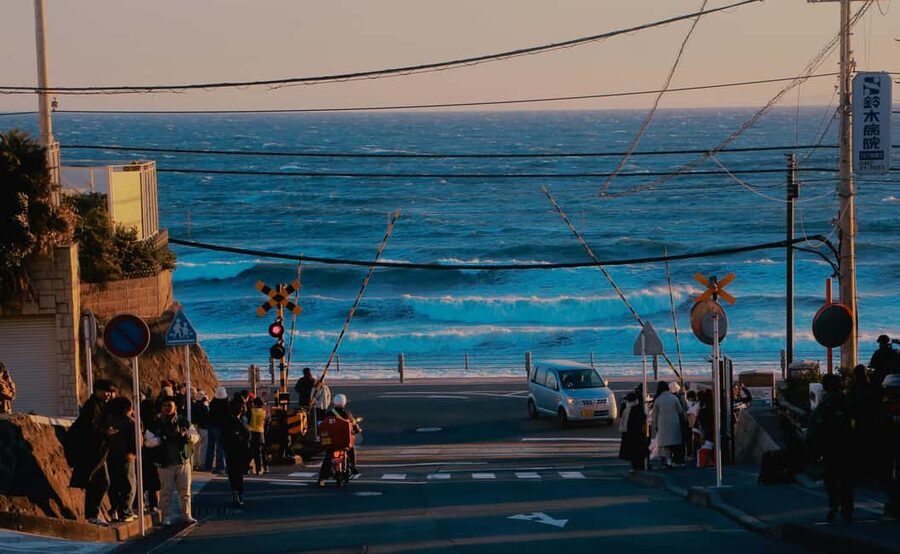
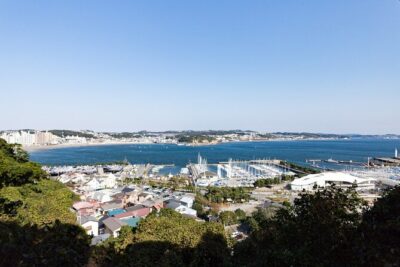
If you choose the private 8-hour tour option, you’ll add Enoshima. This is the “holy island” side of the day: ancient religious significance paired with modern seaside fun for couples and families.
You’ll have about 2 hours on Enoshima, which is a good length. It’s long enough to take in both the shrine-and-temple atmosphere and the coastal views without feeling trapped in one area. Enoshima also gives your day a tonal finish: after temples and statues, the sea air changes everything.
One more reason this works: sunset can make this section feel extra special. The guide often times experiences to help you catch better views, so going with the tour plan helps more than it hurts.
If you’re doing the 4-hour tour, you’ll skip Enoshima and keep the focus tighter on core Kamakura sights.
Price and Value: What $35 Covers and What You’ll Still Pay
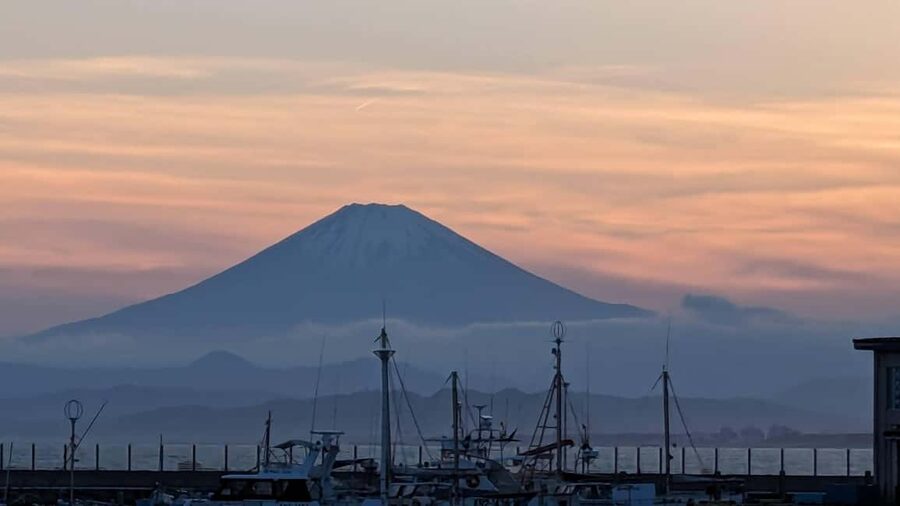
The listed price is $35 per person, for 4 to 8 hours, which is a strong starting point for an English-guided temple-and-shrine day. But it’s important to budget realistically.
Not included:
- Entry fees, roughly 800–1,500 yen per person
- Transportation fees, roughly 400 yen per person
- Lunch, roughly 1,000 yen per person (even though lunch is part of the day)
So, the value isn’t just the low base price. The tour also buys you the guide, the logistics, and the structure that ties the day together. You’re not only paying to enter sites—you’re paying to understand why they matter and to move efficiently through Kamakura without getting stuck figuring out transit and timing.
If you’re traveling with someone, this is also a cost-friendly way to avoid hiring separate transport or guide services for each stop. And because it’s vegetarian and vegan-friendly, it reduces the common “will we find food that works?” anxiety.
Best Fit: Who This Tour Suits (and Who Might Want Something Else)
This is a great pick if you want:
- A day trip from Tokyo that feels more grounded than a quick sightseeing loop
- A guided explanation of Zen and its role in politics, culture, and religion
- Core Kamakura highlights in a logical order, without you planning every connection
- The chance to try shojin-ryori as part of the experience
It might not be your best match if:
- You need wheelchair access or mobility support (the tour isn’t set up for that)
- You want a purely leisurely stroll with no transit segments
- You’re only interested in one or two monuments and dislike structured itineraries
Also, if Enoshima is a must, choose the private 8-hour option. It’s where the tour adds that coastal blend of sacred and silly.
Should You Book This Kamakura Tour?
I’d book it if you want a clean, efficient way to understand Kamakura’s medieval roots without turning your day into homework. The combination of Engaku-ji, Tsurugaoka Hachimangu, and Kōtoku-in covers the big spiritual and historical anchors, and the guide’s storytelling style helps you remember what you saw.
I’d hesitate only if walking is a serious issue for you. Otherwise, this tour offers strong value: a structured half day to full day, English guidance, vegetarian/vegan care, and the chance to eat shojin-ryori.
If you’re traveling from Tokyo and want something that feels genuinely different—calmer, older, and more thoughtful—Kamakura is the right direction, and this tour is one of the more practical ways to do it.
FAQ
Where is the meeting point for the tour?
You meet outside the East Exit of Kita-Kamakura Station.
What is the tour duration?
The tour runs for 4 to 8 hours, depending on the option you choose.
Is the tour vegetarian or vegan-friendly?
Yes. The tour is vegetarian and vegan-friendly. Let the guide know beforehand if you have dietary restrictions.
Is shojin-ryori included?
Shojin-ryori is generally included for the 8-hour tour. It may be available for the 4-hour tour upon request.
What sites will you visit on the standard route?
You’ll visit Engaku-ji, Tokei-ji, a lunch stop, Tsurugaoka Hachimangu, Kōtoku-in (Great Buddha), and then either finish back in Kamakura or continue to Enoshima on the private 8-hour option.
How much should I budget for entry fees and transportation?
Entry fees are approximately 800–1,500 yen per person, and transportation is approximately 400 yen per person. Lunch is also not included in the base price and is approximately 1,000 yen per person.
Is the tour suitable for wheelchair users or mobility impairments?
No. The tour is not suitable for people with mobility impairments or wheelchair users.
Can I cancel and get a full refund?
Yes. You can cancel up to 24 hours in advance for a full refund.
More Tour Reviews in Kamakura
- Tokyo: Kamakura & Enoshima Day Trip including Temple Tickets
★ 4.5 · 1,375 reviews - From Tokyo: Kamakura & Enoshima 1-Day Bus Tour
★ 4.5 · 189 reviews - Kamakura Historical Walking Tour with the Great Buddha
★ 5.0 · 129 reviews - Kamakura Private Tour: Temples, Nature, and the Great Buddha
★ 5.0 · 121 reviews - Kamakura Walking Tour – The City of Shogun
★ 5.0 · 100 reviews
More Kamakura and Enoshima Days
- Tokyo: Kamakura & Enoshima Day Trip including Temple Tickets
★ 4.5 · 1,375 reviews - From Tokyo: Kamakura & Enoshima 1-Day Bus Tour
★ 4.5 · 189 reviews - Kamakura Historical Walking Tour with the Great Buddha
★ 5.0 · 129 reviews - Kamakura Private Tour: Temples, Nature, and the Great Buddha
★ 5.0 · 121 reviews - Kamakura Walking Tour – The City of Shogun
★ 5.0 · 100 reviews
Latest Kamakura reviews off our desk

Kamakura Day Trips, compared.
 ★ 4.5Kamakura & Enoshima Day Trip including Temple TicketsFrom $581,375 reviews
 ★ 4.5Mt. Fuji, Kamakura, Big Buddha, & Lake Ashi Day TripFrom $49867 reviews
 ★ 4.5From Tokyo: Kamakura & Enoshima 1-Day Bus TourFrom $66189 reviews
 ★ 5.0Kamakura Historical Walking Tour with the Great BuddhaFrom $98129 reviews
 ★ 5.0Kamakura Private Tour: Temples, Nature, and the Great BuddhaFrom $98121 reviews
 ★ 5.0Kamakura Walking Tour – The City of ShogunFrom $35100 reviews
 ★ 4.9Sea of Mount Fuji, Hakone Ropeway, Ōwakudani, EnoshimaFrom $5084 reviews
 ★ 5.0Kamakura 8 hr Private Walking Tour with Licensed Guide from TokyoFrom $20180 reviews
Browse the lists this tour appears in