
Reviewed · KAMAKURA DAY TRIPS
Kamakura Full Day Walking Tour with Local Expert Guide and Pickup
Kamakura is a great day-trip puzzle you can solve. This private 8-hour walking tour gives you a guided route through the city’s top shrines and temples, with context so the sights make sense fast. I like that it pairs classic monuments like Kotoku-in with quieter, practical stops like Zeniarai Benten and Meigetsuin.
Two things I’d specifically call out: round-trip transfers from Tokyo make the day easier, and the guide-led pacing helps you avoid dead-end wandering when you don’t read Japanese. One thing to consider: it’s a walking-heavy day between major sites, so it’s not ideal for very hot weather or limited mobility.
In This Review
- Key points before you go
- Kamakura in One Day: Why this route makes sense
- Pickup, timing, and getting around without stress
- Stop 1: Kotoku-in and the Great Buddha (and how to enjoy it)
- Stop 2: Tsurugaoka Hachimangu Shrine, the spiritual center
- Stop 3: Zeniarai Benten Shrine, the money-washing ritual
- Stop 4: Meigetsuin (Hydrangea Temple), seasonal beauty with calm pacing
- Stop 5: Engaku-ji, Zen temple atmosphere in the hills
- Stop 6: Komachi-dori, your last stretch through Kamakura street life
- Price and value: What you’re paying for at $118.88
- How good guides show up in the details
- What to pack and how to pace your energy
- Who this private Kamakura tour is best for
- Should you book this Kamakura walking tour?
- FAQ
- What’s the duration of the Kamakura tour?
- Does the tour include pickup from Tokyo hotels?
- Are temple or shrine entry fees included?
- What stops are included in the day?
- Is this tour private or shared?
- Is food included?
- Can I cancel for free?
Key points before you go
- A private Kamakura day with a local guide, so you don’t need to decode train lines alone
- Transfers from Tokyo are included, but entry fees are not, so plan for a few separate payments
- Hits the core highlights: Great Buddha, Tsurugaoka Hachimangu, Zeniarai Benten, Meigetsuin, Engaku-ji, and Komachi-dori
- Great for learning how to move around Japan, since the day relies on walking plus public transit
- Seasonal payoff potential at Meigetsuin (Hydrangea Temple), when blooms are at their best
- Real-world guide quality varies, so confirm inclusions clearly before you travel
Kamakura in One Day: Why this route makes sense
Kamakura sits about an hour south of Tokyo, and it’s packed with temples and shrine grounds that can feel overwhelming on your own. This kind of day tour works because it’s built around a sensible order: you start with the biggest icon, then move through the spiritual core of town, then end back into the shopping-stroll zone. The guide’s job is not just pointing at buildings—it’s explaining what you’re looking at and why it matters in Kamakura’s story.
You’ll also find that “Kamakura highlights” aren’t just one stop and done. The city’s famous sights are spread out, and the paths between them can be steep or simply long. Doing it with a guide keeps you from wasting your energy on wrong turns or inefficient connections.
Coast-and-Buddha days near Kamakura, rated
- Tokyo: Mt. Fuji, Kamakura, Big Buddha, & Lake Ashi Day Trip
★ 4.5 · 867 reviews - Tokyo:Sea of Mount Fuji, Hakone Ropeway, Ōwakudani, Enoshima
★ 4.9 · 84 reviews - Kamakura 8 hr Private Walking Tour with Licensed Guide from Tokyo
★ 5.0 · 80 reviews - Tokyo: Kamakura & Enoshima Day Tour with Pickup & Train Ride
★ 4.1 · 61 reviews
Pickup, timing, and getting around without stress
This is set up as a private tour (your group only), with pickup offered from your Tokyo hotel, plus round-trip transfers from your Tokyo cruise port or airport if needed. That matters because it removes the most stressful part of a day trip: figuring out how to get out there smoothly and on time.
Once you’re in Kamakura, the day relies on walking and using public transportation where necessary. A helpful note from past guests: “pick up at hotel” usually means the guide meets your group directly at the hotel entrance, not at some distant station. Another practical takeaway: expect public trains and buses as part of the plan, not a full car ride.
One more detail to keep in mind: the experience time window is listed from 9:00 AM to 1:00 PM, while the tour duration is about 8 hours. In practice, that usually means there’s a scheduled start slot inside that morning window, so you’ll want to plan for a full day commitment once you pick your departure.
Stop 1: Kotoku-in and the Great Buddha (and how to enjoy it)
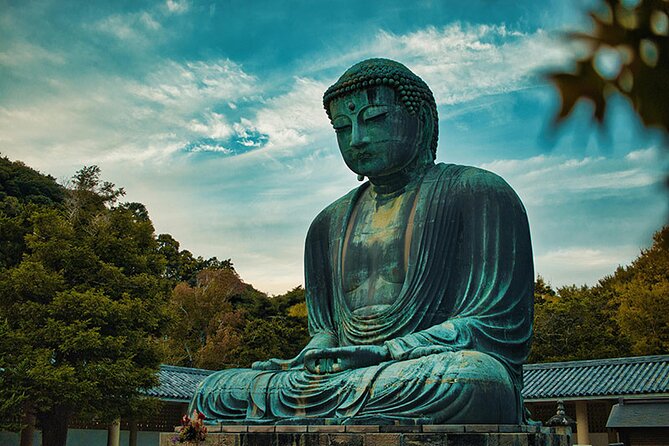
Kotoku-in is the start point for a reason. The Great Buddha of Kamakura is a bronze giant over 11 meters tall, and it’s the kind of sight that instantly tells you you’re in a different place than Tokyo’s fast-city vibe. Even if you’ve seen Buddhist imagery elsewhere, this one hits differently because you’re standing close to a monumental figure that has watched generations pass.
Plan your expectations: admission for this stop is not included. That doesn’t ruin the day, but it does mean you should treat it as one of the few “pay at the door” moments. If you’re trying to budget tightly, keep a small reserve for temple/sight fees across the day.
This stop also tends to set the tone for the rest of the walk. When you understand what Kotoku-in represents, it makes the next shrine and temple grounds feel less like random sightseeing and more like a connected cultural landscape.
Stop 2: Tsurugaoka Hachimangu Shrine, the spiritual center
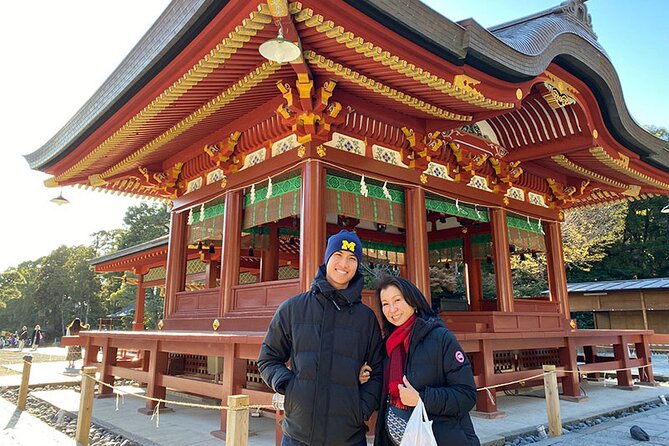
After the Great Buddha, Tsurugaoka Hachimangu Shrine gives you the other half of the Kamakura spiritual equation: Shinto and the city’s founding legends. It’s described as the spiritual heart of Kamakura, and you’ll feel that quickly once you arrive in the shrine setting with lush greenery and traditional structures.
This stop is listed as 45 minutes, and admission is free, which makes it easy to enjoy without worrying about ticket lines. The guide’s value here is how they connect what you’re seeing on the grounds to Kamakura’s historical identity, so the shrine doesn’t feel like just another scenic backdrop for photos.
If you’re the kind of traveler who likes to understand symbols—gates, paths, and shrine layouts—this is where the guide can noticeably improve your experience. Guests have credited guides like Lana and Raffa for putting history into perspective rather than just narrating facts.
Stop 3: Zeniarai Benten Shrine, the money-washing ritual
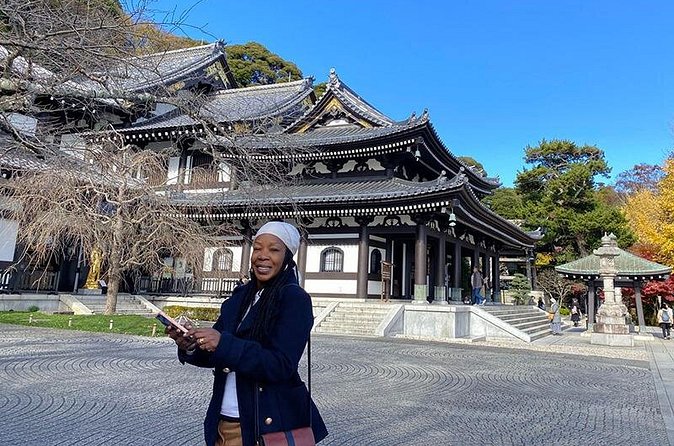
Zeniarai Benten Shrine is where Kamakura gets delightfully specific. The ritual is famous: people wash money to invite prosperity. It’s unusual enough that it stands out, but it also feels grounded in everyday practice rather than some distant “museum religion” vibe.
You’ll also get a bit of a change of pace. The shrine is near Genjiyama Park, and it’s about a 30-minute scenic walk from Kamakura Station. That means you’re not just moving between monuments—you’re moving through Kamakura’s texture: walking paths, local atmosphere, and the way the town spreads between religious spaces.
Admission is listed as free for this stop, which is another budget-friendly win. Time-wise, 45 minutes is enough to see what you came for and still have energy for the next temple climb and walk.
Readers also shortlisted these Tokyo bookings:
- Tokyo Tsukiji Fish Market Food and Culture Walking Tour★ 5.0 · 3,184 reviews
- Tokyo: Imperial Palace and Shogun Historical Walking Tour★ 5.0 · 2,251 reviews
- Tokyo: Shinjuku Local Bar and Izakaya Guided Walking Tour★ 4.9 · 1,794 reviews
- Tokyo: Tsukiji Fish Market Food and Walking tour★ 5.0 · 1,724 reviews
- Tokyo: Asakusa Walking Tour with Sensoji Temple Visit★ 4.8 · 1,583 reviews
Stop 4: Meigetsuin (Hydrangea Temple), seasonal beauty with calm pacing
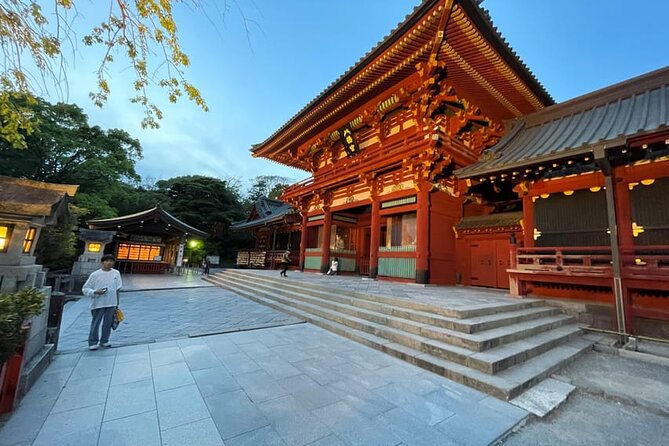
Meigetsuin is often called the Hydrangea Temple, and the reason is straightforward: it’s known for seasonal blooms and a serene atmosphere. Even if you visit outside peak hydrangea season, the setting is still meant to feel like a quieter pause in a day that otherwise moves from shrine to temple to street.
Admission here is not included, so this is another likely “ticket moment.” Since blooming timing isn’t stated in your booking details, I’d treat it as a bonus if you happen to be there during a strong season and not the sole reason to schedule the tour.
The benefit of having the guide at this stop is practical: they can help you interpret how the gardens and temple spaces are meant to be experienced slowly, not rushed. This is the stop that often feels like you’re finally breathing for a minute.
Stop 5: Engaku-ji, Zen temple atmosphere in the hills
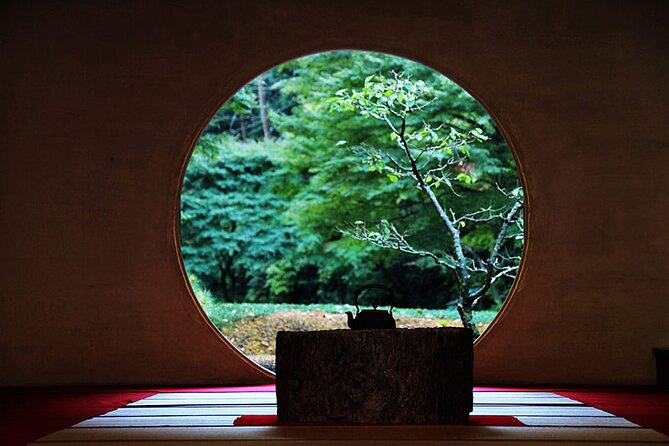
Engaku-ji is one of Japan’s significant Zen temples, and it’s set in the hills outside the main crush of town. You’ll want good walking shoes here, because even when the official stop time is around 45 minutes, the approach and surrounding paths can add up.
As with several major sites that day, admission is not included. So while this tour does a lot of the route planning for you, you still need to budget for temple fees at key moments (especially for the biggest-name sites).
The trade-off is worth it: Engaku-ji tends to offer a more contemplative feel than the shrine-and-street rhythm of other stops. If you want more than a quick photo, this is where slow observation pays off.
Stop 6: Komachi-dori, your last stretch through Kamakura street life
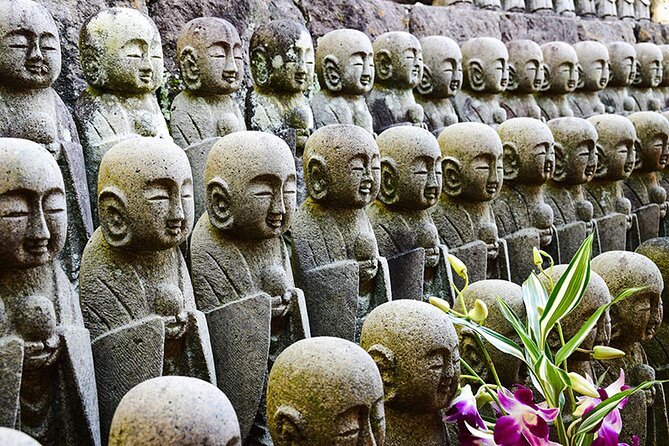
Komachi-dori is the end-of-day shift from temple quiet to town energy. This is the famous shopping street area (Komachi Street), with shops, traditional crafts, and local treats along the way. The tour gives you about 45 minutes here, which is long enough for a snack and a couple of small souvenirs without turning your day trip into a shopping marathon.
Admission is listed as free for this stop, and in a way it’s the “reward” segment after all the walking. The guide’s job here isn’t to force shopping—it’s to help you navigate what’s worth your money and what’s mainly just tourist packaging.
This is also a good time to regroup. If you’ve made it this far without your feet screaming, you’re likely set for a comfortable return to your meeting point.
Price and value: What you’re paying for at $118.88
At $118.88 per person, the price can look like a lot—until you break down what’s included versus what isn’t. What you get for your money is the structure: a local guide, a private group format, and round-trip transfers from Tokyo (hotel, cruise port, or airport). That transfer component is a real value driver because it often costs more when you have to assemble it yourself.
What you should expect to pay separately: entry fees for several sites. Kotoku-in, Meigetsuin, and Engaku-ji are explicitly listed as admission not included, while Tsurugaoka Hachimangu and Zeniarai Benten are free. Food and drink are also not included, and private transportation is not included.
So the value math looks like this:
- You pay for guiding + route management + day structure + transfers
- You pay separately for site admissions and your own meals
One important practical note from unhappy experiences: some confusion can happen when travelers expect everything (including fees) to be bundled. Before your day starts, I recommend you confirm which admissions are included in your specific booking, since the tour data clearly states entry fees aren’t included overall and that some stops do include free admission while others do not.
How good guides show up in the details
This tour is only as good as the person leading your day. The names that stood out in past guest feedback include Brian, Lana, Raffa, and Colt, and the common theme was not just enthusiasm—it was clarity and helpful context. People appreciated explanations that tied sites to Japan’s cultural and religious background, and they also valued guides who make train and transit navigation less intimidating.
That said, I’ve also seen complaints about guide experience and about misunderstandings over charges. You can reduce your risk by doing one simple thing: before you commit to extra payments on the day, ask your guide (politely and directly) what you’ll be responsible for at each stop and whether it’s already covered.
For most people, that one conversation keeps the day smooth.
What to pack and how to pace your energy
Even though the stops are set, your body still has to do the walking. This is a temple-and-shrine day with distances between areas, and a past guest pointed out that it’s not the best plan for hot season or people with limited mobility. I agree with that. If you run hot easily, plan morning starts and keep water and sun protection ready.
Here’s the practical setup I’d use:
- Comfortable walking shoes you can trust on uneven ground
- A small refillable water bottle
- A light layer, since temple areas can feel cooler in shade
- Cash or card for separate temple admissions and snacks (since entry fees aren’t bundled everywhere)
Also: if you care about photos, give yourself a few minutes at each stop to settle your footing before you shoot. Kamakura isn’t a “point and click” city. It rewards slow, grounded looking.
Who this private Kamakura tour is best for
This tour shines if you want a guided day that hits the big Kamakura monuments without doing heavy planning. It’s especially good for first-timers in Japan who’d rather have someone handle route logic, explain what you’re seeing, and help you keep moving at a sensible pace.
It’s also a smart choice if you’re traveling with people who want variety—major Buddha icon, big shrine, money ritual, seasonal temple gardens, and a street stroll at the end. The route covers multiple sides of Kamakura in a single day.
I’d be cautious if:
- You have limited mobility or fatigue issues, because the day involves walking between areas
- You expect an entirely “all-inclusive” package with every fee covered (entry fees are not included, and multiple stops require separate admissions)
Should you book this Kamakura walking tour?
If you want one day in Kamakura that feels organized, culturally meaningful, and doable without language stress, this tour is a solid pick. The transfer support from Tokyo plus a private guided route is where you get most of the value, and the stops are the right mix of famous and practical.
Book it if you can handle walking and you’re comfortable paying site admissions that aren’t included. Skip or rethink it if you need fully wheelchair-friendly routes, or if you only want a sightseeing day where everything is bundled into one simple payment.
If you do book, send a quick message in advance asking what admissions you’ll pay for on the day. That one step prevents the kind of frustration that can ruin a perfectly good Japan day.
FAQ
What’s the duration of the Kamakura tour?
The tour runs for about 8 hours.
Does the tour include pickup from Tokyo hotels?
Yes. Pickup is offered, and round-trip transfers from Tokyo hotel, cruise port, or airport are included.
Are temple or shrine entry fees included?
Not overall. Entry fees are listed as not included, and some stops specify admission tickets not included while others are free.
What stops are included in the day?
You’ll visit Kotoku-in (Great Buddha of Kamakura), Tsurugaoka Hachimangu Shrine, Zeniarai Benten Shrine, Meigetsuin (Hydrangea Temple), Engaku-ji, and a walk on Komachi-dori Street.
Is this tour private or shared?
It’s a private tour/activity, so only your group participates.
Is food included?
No. Food and drink are not included.
Can I cancel for free?
Yes. You can cancel up to 24 hours in advance for a full refund.
More Tours in Tokyo
- Mt Fuji and Hakone 1-Day Bus Tour Return by Bullet Train
★ 5.0 · 26,383 reviews - 1-Day Tokyo Bus Tour
★ 5.0 · 14,250 reviews - Tokyo: Shinjuku Food Tour (13 Dishes at 4 Local Eateries)
★ 5.0 · 6,603 reviews - Tokyo Mt Fuji 5th St & Hakone Cruise Bus Tour w/Bullet Train
★ 4.4 · 5,024 reviews - Flagship 2-Hours Official Street Go-Kart Tour – Tokyo Bay Shop
★ 5.0 · 4,974 reviews
More Tour Reviews in Tokyo
- Mt Fuji and Hakone 1-Day Bus Tour Return by Bullet Train
★ 5.0 · 26,383 reviews - 1-Day Tokyo Bus Tour
★ 5.0 · 14,250 reviews - Tokyo: teamLab Planets TOKYO Digital Art Museum Entry Ticket
★ 4.6 · 9,779 reviews - Mt Fuji & Hakone Cruise, Drum Show Bullet Train 1 Day from Tokyo
★ 4.0 · 7,413 reviews - Tokyo: Shinjuku Food Tour (13 Dishes at 4 Local Eateries)
★ 5.0 · 6,603 reviews
More Kamakura and Enoshima Days
- Tokyo: Mt. Fuji, Kamakura, Big Buddha, & Lake Ashi Day Trip
★ 4.5 · 867 reviews - Tokyo:Sea of Mount Fuji, Hakone Ropeway, Ōwakudani, Enoshima
★ 4.9 · 84 reviews - Kamakura 8 hr Private Walking Tour with Licensed Guide from Tokyo
★ 5.0 · 80 reviews - Tokyo: Kamakura & Enoshima Day Tour with Pickup & Train Ride
★ 4.1 · 61 reviews - Kamakura Private & Customizable Tour – All-in-One Experience
★ 5.0 · 49 reviews
Latest Tokyo reviews off our desk






Kamakura Day Trips, compared.
 ★ 4.5Kamakura & Enoshima Day Trip including Temple TicketsFrom $581,375 reviews
 ★ 4.5Mt. Fuji, Kamakura, Big Buddha, & Lake Ashi Day TripFrom $49867 reviews
 ★ 4.5From Tokyo: Kamakura & Enoshima 1-Day Bus TourFrom $66189 reviews
 ★ 5.0Kamakura Historical Walking Tour with the Great BuddhaFrom $98129 reviews
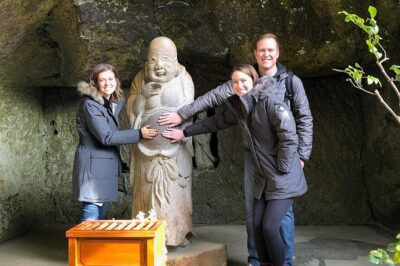 ★ 5.0Kamakura Private Tour: Temples, Nature, and the Great BuddhaFrom $98121 reviews
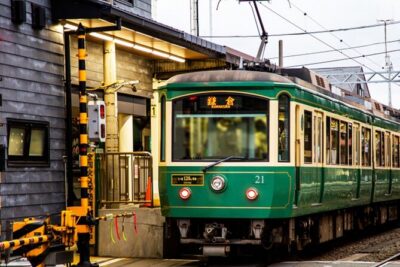 ★ 5.0Kamakura Walking Tour – The City of ShogunFrom $35100 reviews
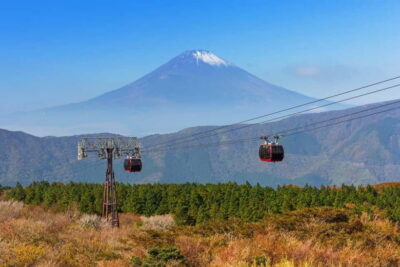 ★ 4.9Sea of Mount Fuji, Hakone Ropeway, Ōwakudani, EnoshimaFrom $5084 reviews
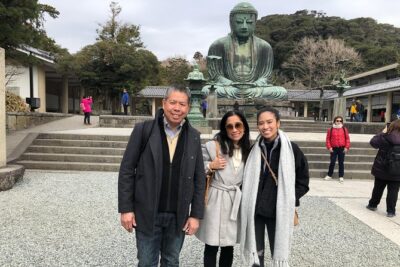 ★ 5.0Kamakura 8 hr Private Walking Tour with Licensed Guide from TokyoFrom $20180 reviews
Browse the lists this tour appears in