
Reviewed · KAMAKURA DAY TRIPS
Kamakura: Private History and Heritage Tour by Rickshaw
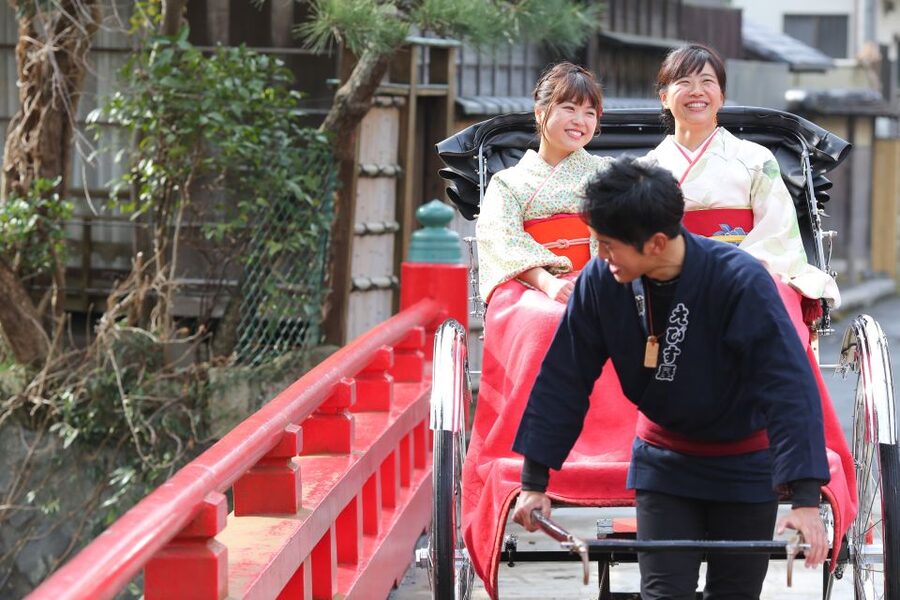
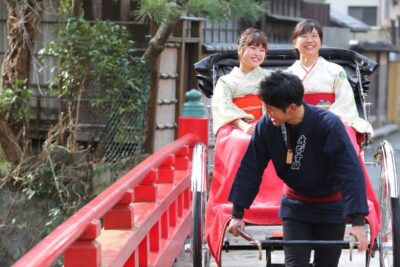
Riding through old Kamakura feels like time travel. You’ll get a private rickshaw pace that makes the lanes feel wider and calmer, and you’ll see the Great Buddha close enough to really study it. I also like that you can steer the day a bit, instead of rushing through a fixed bus loop.
The main drawback is simple: this is a rickshaw ride, so comfort depends on your body and your group setup. Also note selfie sticks aren’t allowed, so plan for phone-on-hand framing.
If you want temple views with actual context—Otori Gate, shrine stairs, garden time, and that “how is this so photogenic?” city outlook—this works well. It’s one of the easier ways to do Kamakura without turning your day into a logistics puzzle.
In This Review
- Key things you’ll notice on this Kamakura rickshaw tour
- Why Kamakura feels easier when you slow down in a rickshaw
- Choosing your tour length: 45, 70, 130, or 190 minutes
- Otori Gate and Tsurugaoka Hachimangu: the center you can feel right away
- Hokokuji Temple gardens: when you want quiet time (and less rushing)
- Daibutsu up close: what makes the Great Buddha stop worth it
- The best views over town: Hachimangu Shrine climb and that photo moment
- What the guide really adds: context you can use while you walk
- Practicalities you should plan for before you go
- Price and value: what you’re paying for at about $51 per person
- Who this tour suits best (and who should skip it)
- Should you book this Kamakura Private History and Heritage Tour?
- FAQ
- How long is the Kamakura rickshaw tour?
- Where is the meeting point?
- Is this a private tour or a shared group?
- What is included in the price?
- Are temple or shrine admission fees included?
- What language is the guide speaking?
- Is the tour wheelchair accessible?
- Are selfie sticks allowed?
- How many people can ride in one rickshaw?
- Who should not book this tour?
Key things you’ll notice on this Kamakura rickshaw tour
- Private and customizable timing: choose one of four durations, then tailor the focus with your guide.
- Close-up Daibutsu time: the Great Buddha is a center-stage stop, not a photo from far away.
- Hachimangu Shrine views on foot: you’ll climb up and get the city perspective.
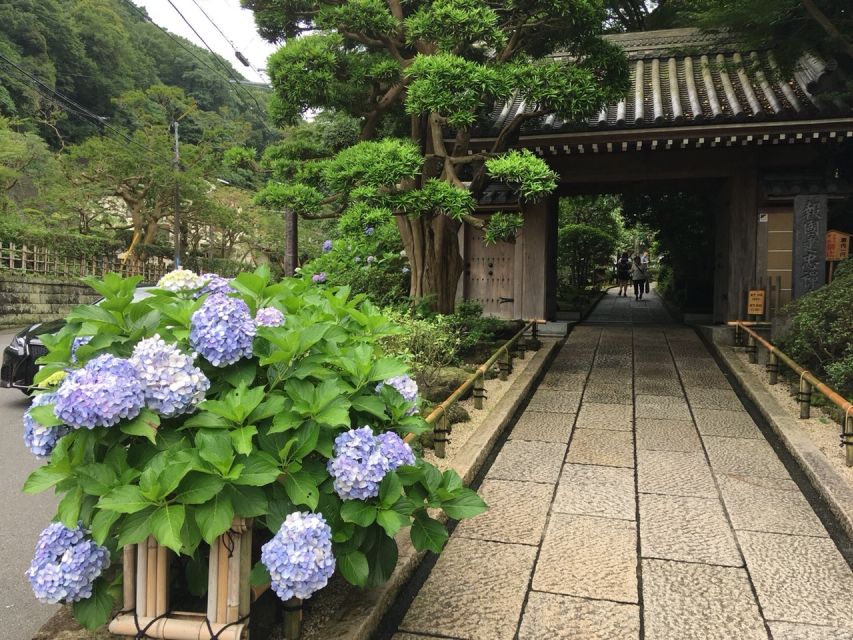
- Hokokuji Temple gardens (on the longer options): slow down in a temple setting with famous grounds.
- Photo stops planned for your camera: expect intentional stops at the best angles, including an Instagram-famous spot.
- Small group limits per rickshaw: max 2 adults, and kids rules that affect seating.
Why Kamakura feels easier when you slow down in a rickshaw
Kamakura is perfect for a rickshaw because the best bits aren’t always the loud, obvious ones. Temples sit a short walk from lanes, and shrines often mean stairs and turns you’d otherwise skip. When you ride, you can focus on the experience instead of timing buses, trains, or taxis.
The big win is control. You’re not stuck with a crowd moving at the same pace for hours. With a private group, you can ask for a bit more time at a stop, slow down for photos, or adjust the day if you’re more into shrines than gardens (or the other way around).
I also like the “ride and walk” rhythm. You get the advantage of being carried along for the transfers, then you get brief stretches of walking where it counts—like shrine steps and garden wandering. It keeps the day from feeling like you’re doing only sightseeing or only transit.
Coast-and-Buddha days near Kamakura, rated
- Tokyo: Kamakura & Enoshima Day Trip including Temple Tickets
★ 4.5 · 1,375 reviews - From Tokyo: Kamakura & Enoshima 1-Day Bus Tour
★ 4.5 · 189 reviews - Kamakura Historical Walking Tour with the Great Buddha
★ 5.0 · 129 reviews - Kamakura Private Tour: Temples, Nature, and the Great Buddha
★ 5.0 · 121 reviews
Choosing your tour length: 45, 70, 130, or 190 minutes
This tour comes in four duration options, which matters because Kamakura’s main sites can take different amounts of time depending on how many photo stops you linger at. The tour also adapts to interests, so the shorter options are best for a “highlights now” mission, while longer options give you real breathing room.
Here’s how the sights map to the time:
- 45 minutes: a fast hit through the center town route, with Otori Gate and Tsurugaoka Hachimangu Shrine, then back through quaint side streets past temples.
- 1 hour 10 minutes: everything above plus Hokokuji Temple, where you can wander the garden grounds.
- 2 hours 10 minutes: includes the Hachimangu climb for city views and a stop at the Daibutsu, the Great Buddha Statue.
- 3 hours 10 minutes: the full day plan, tying together the shrine views, the Great Buddha, Hokokuji gardens, and the rest of the core stops.
If you’re only in Kamakura for part of a day, the 45-minute option is the cleanest way to get oriented. If you want more “stand still and look” time, go longer. The 2h10 and 3h10 options are where the day starts to feel complete.
Otori Gate and Tsurugaoka Hachimangu: the center you can feel right away
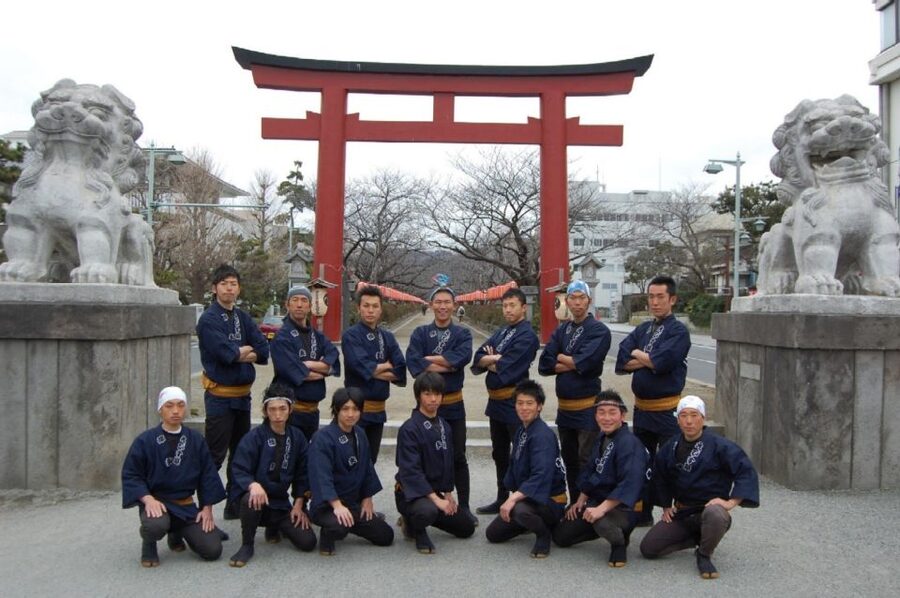
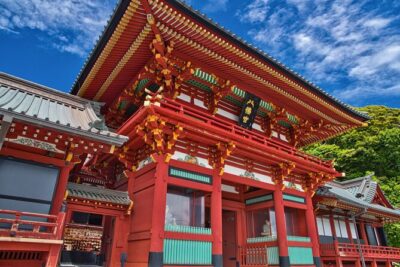
Even if you’ve never heard of Kamakura before, Otori Gate and Tsurugaoka Hachimangu give you the mood instantly. This is the kind of place where the approach matters: gates, approach paths, and shrine grounds create a slow reveal instead of a sudden drop-off into sightseeing.
On the shorter route, you’ll pass Otori Gate and spend time at Tsurugaoka Hachimangu. On the longer options, you’ll also climb up to the shrine for the views over the city. That climb changes how you experience the area. From up high, the layout makes more sense, and the day feels less like random stops and more like a story.
A practical note: shrine visits mean steps and uneven ground in places. The guide can help pace it, but if you have back issues, you’ll want to think carefully. This tour isn’t recommended for people with back problems.
Hokokuji Temple gardens: when you want quiet time (and less rushing)
If you choose the 1 hour 10 minutes option or longer, you get Hokokuji Temple. This is where the day softens from “big landmark photos” into slower wandering. Gardens are often the best place to slow down because you can linger without feeling like you’re missing the next rush.
You’ll have time to wander through the gardens during the tour. That gives you a chance to look for seasonal details and the little visual rhythms that don’t show up in quick snapshots. If you like photos, it’s also a good place to stop and just wait for the angle you want.
The best part of adding Hokokuji isn’t just the garden itself. It’s the variety it brings. A day that includes both big shrine moments and quieter temple grounds usually feels more balanced when you’re done.
Daibutsu up close: what makes the Great Buddha stop worth it
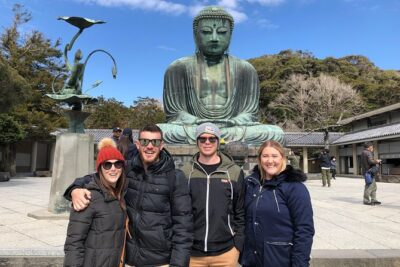
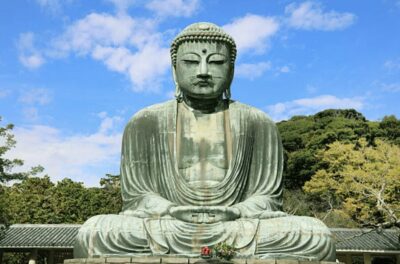
The Great Buddha Statue is the anchor for the longer tours. If you choose the 2 hours 10 minutes option, you’ll include the Daibutsu stop. It’s one of those sights where seeing it up close makes the scale feel real, not just impressive in photos.
Timing matters here, because the Daibutsu stop is a main event. Even with a rickshaw guiding you into place, you’ll want to plan for a little waiting and walking at the site itself. The good news is that the tour is built around this as a key stop, not a rushed photo-op.
Photo tip that comes from how these tours are set up: use the planned photo stops, then do one extra round at your favorite angle. The tour format gives you those “pause points” so you’re not frantically trying to find the right view while moving.
More rickshaw runs through the old town
- Kamakura Rickshaw Tour★ 5.0 · 53 reviews
- Kamakura Heritage Bike or Walk Tour with ex-Rickshaw guide★ 5.0 · 11 reviews
The best views over town: Hachimangu Shrine climb and that photo moment
One of the highlights is the perspective you get from climbing up at Tsurugaoka Hachimangu Shrine. The tour includes time for the views over the city on the longer options, which means you’re not just walking through—you’re looking back down at Kamakura.
This is also the type of spot where your photos actually look like they belong on your feed. The route includes time for the most Instagram-worthy photo angle as part of the experience, so you’re not guessing where the best viewpoint is. You can focus on composition instead of hunting.
If you’re the type who likes photos but also wants them to feel earned, this part hits the sweet spot. You get the viewpoint, you have time to settle, and you don’t feel like you’re being shoved along.
What the guide really adds: context you can use while you walk
A big difference between a rickshaw ride and a guided tour is what your brain does while you’re moving. With a live guide, you’re not just seeing gates and statues. You’re getting the why behind them, fast enough that it sticks without slowing you to a crawl.
The guide experience is live and Japanese-speaking. In practice, guides can also explain in ways that work well for visitors; one guide named Satoshi was described as pleasant and friendly and giving information along the way. That kind of guidance changes how you remember Kamakura afterward.
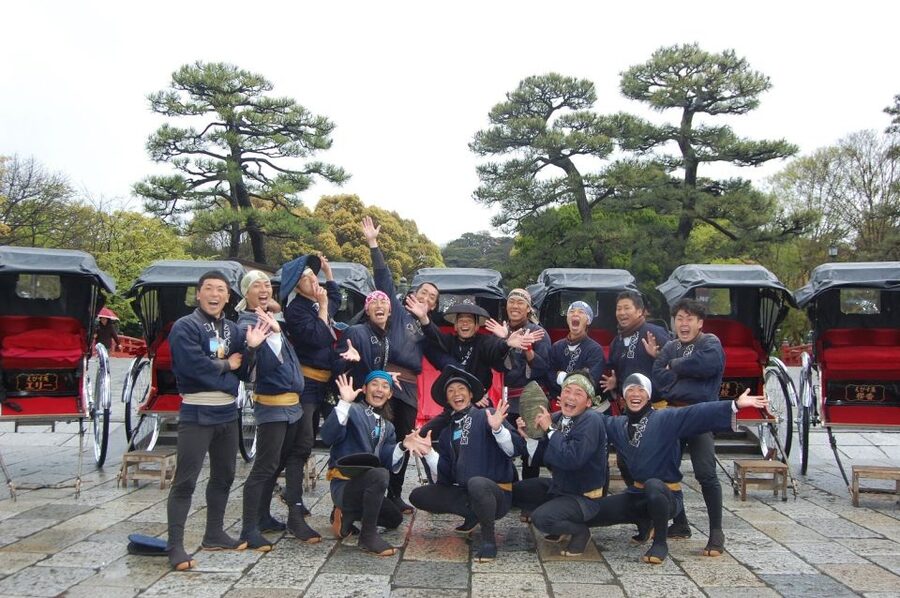
You’ll also get photo stops coordinated by your guide. That sounds small until you realize it removes the awkward moments of waving someone over to take a picture of your group. You also receive a souvenir postcard and sticker, which is a nice little keepsake for a day spent moving through heritage areas.
Practicalities you should plan for before you go
This tour is private and wheelchair accessible, and it’s also stroller-friendly. That’s a real advantage because Kamakura’s temple and shrine areas can be tricky for heavier manual pushing.
That said, comfort has limits because the rickshaw isn’t a car. Each rickshaw is 21.1 inches (74 centimeters) wide. Sometimes that makes it more comfortable to book individual rickshaws for each passenger, especially if you’re a larger group or you’re sharing with someone you don’t usually sit shoulder-to-shoulder with.
There are also clear group rules:
- Maximum of 2 adults per rickshaw.
- Up to 2 children age 5 and under can ride with 2 adults, sitting on an adult’s lap.
- If a child under 6 has their own seat (not on an adult’s lap), they must pay adult price.
On the day itself, there’s no hotel pickup or drop-off. You meet your guide just outside the office building, less than 90 meters down the street from Tsurugaoka Hachiman-gu. Plan to arrive with enough buffer time to find the spot without stress.
Also, no selfie sticks are allowed. If you rely on them for framing, swap to handheld or use a small tripod instead if that’s allowed at the specific sites (the tour specifically says selfie sticks aren’t permitted).
Price and value: what you’re paying for at about $51 per person
At $51 per person, the value is mostly about three things: privacy, the rickshaw ride itself, and the guide who can tailor the day. You’re not paying just for transportation. You’re paying for a way to move through Kamakura without spending your day on transfers and route planning.
Admission fees aren’t included, so you should budget extra if you hit paid areas. Still, the core experience—the ride, the photo stops, and the guided storytelling—covers the main cost of time. That matters if you’re juggling a train schedule or only have a few hours.
The duration choices are also part of the value. If you’re short on time, the 45-minute option gives you a concentrated route through the center town and the main shrine zone. If you want the full spread, the 3 hour 10 minutes option bundles the key stops together into one guided flow.
Who this tour suits best (and who should skip it)
This is a strong fit if you:
- Want a private way to see Kamakura without racing around.
- Care about the major landmarks and also like a little garden time.
- Enjoy photos and appreciate pre-planned stops.
- Appreciate a guide who can explain what you’re seeing in practical terms.
It may not be the best match if you:
- Are pregnant. The tour is not recommended for expecting mothers in the first 16 weeks and is listed as not suitable for pregnant women.
- Have back problems. This isn’t recommended for that either.
- Want to use selfie sticks, since they aren’t allowed.
Also, remember this tour is Japanese-speaking. That doesn’t mean you can’t enjoy it, but it helps to come with curiosity and a willingness to follow explanations and visual cues.
Should you book this Kamakura Private History and Heritage Tour?
If your goal is to see Kamakura’s top heritage sights without turning your day into transportation math, I’d book it. The rickshaw pace is the real selling point, and the fact that the longer options include both Hokokuji gardens and the Great Buddha plus shrine viewpoints makes the time feel well spent.
Book the 45-minute option if you want the center highlights and shrine atmosphere fast. Choose 2 hours 10 minutes or longer if you want the Daibutsu and the city views from Hachimangu. And if you’re the kind of traveler who likes both big moments and quieter grounds, the option that includes Hokokuji is where the experience feels most balanced.
If you’re coming with mobility limits related to back comfort or if pregnancy is in the picture, skip this one. For everyone else, it’s a smart, efficient way to get the best of Kamakura in a style that feels personal.
FAQ
How long is the Kamakura rickshaw tour?
The tour runs from 45 minutes up to 190 minutes, depending on the duration option you choose.
Where is the meeting point?
Your guide waits just outside the office building, less than 90 meters down the street from Tsurugaoka Hachiman-gu Shrine.
Is this a private tour or a shared group?
It’s a private group. You won’t be riding with strangers in the same rickshaw.
What is included in the price?
Included are the private rickshaw tour, photo stops, and a souvenir postcard and sticker.
Are temple or shrine admission fees included?
No. Admission fees are not included.
What language is the guide speaking?
The live tour guide is Japanese.
Is the tour wheelchair accessible?
Yes. It’s listed as wheelchair accessible and stroller-friendly.
Are selfie sticks allowed?
No. Selfie sticks are not allowed.
How many people can ride in one rickshaw?
Maximum is 2 adults per rickshaw. Up to 2 children age 5 and under can ride with 2 adults on laps, following the age and seating rules provided.
Who should not book this tour?
It’s not recommended for expecting mothers in the first 16 weeks, not suitable for pregnant women, and not suitable for people with back problems.
More Tour Reviews in Kamakura
- Tokyo: Kamakura & Enoshima Day Trip including Temple Tickets
★ 4.5 · 1,375 reviews - From Tokyo: Kamakura & Enoshima 1-Day Bus Tour
★ 4.5 · 189 reviews - Kamakura Historical Walking Tour with the Great Buddha
★ 5.0 · 129 reviews - Kamakura Private Tour: Temples, Nature, and the Great Buddha
★ 5.0 · 121 reviews - Kamakura Walking Tour – The City of Shogun
★ 5.0 · 100 reviews
More Rickshaw Rides in Kamakura
- Kamakura Rickshaw Tour
★ 5.0 · 53 reviews - Kamakura Heritage Bike or Walk Tour with ex-Rickshaw guide
★ 5.0 · 11 reviews
More Kamakura and Enoshima Days
- Tokyo: Kamakura & Enoshima Day Trip including Temple Tickets
★ 4.5 · 1,375 reviews - From Tokyo: Kamakura & Enoshima 1-Day Bus Tour
★ 4.5 · 189 reviews - Kamakura Historical Walking Tour with the Great Buddha
★ 5.0 · 129 reviews - Kamakura Private Tour: Temples, Nature, and the Great Buddha
★ 5.0 · 121 reviews - Kamakura Walking Tour – The City of Shogun
★ 5.0 · 100 reviews
Latest Kamakura reviews off our desk
Kamakura Day Trips, compared.
 ★ 4.5Kamakura & Enoshima Day Trip including Temple TicketsFrom $581,375 reviews
 ★ 4.5Mt. Fuji, Kamakura, Big Buddha, & Lake Ashi Day TripFrom $49867 reviews
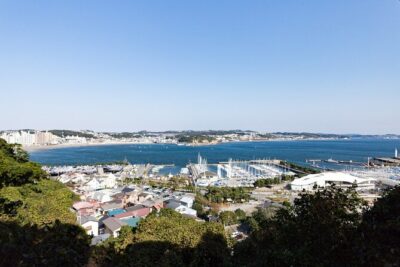 ★ 4.5From Tokyo: Kamakura & Enoshima 1-Day Bus TourFrom $66189 reviews
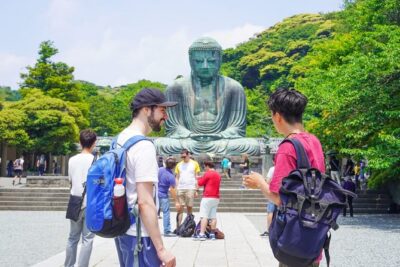 ★ 5.0Kamakura Historical Walking Tour with the Great BuddhaFrom $98129 reviews
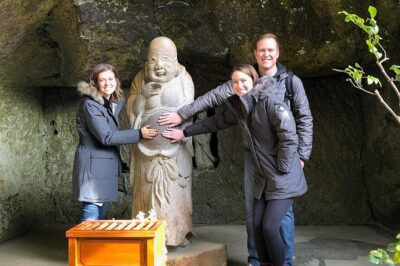 ★ 5.0Kamakura Private Tour: Temples, Nature, and the Great BuddhaFrom $98121 reviews
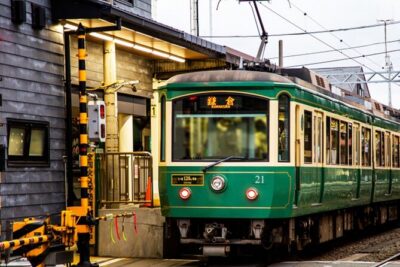 ★ 5.0Kamakura Walking Tour – The City of ShogunFrom $35100 reviews
 ★ 4.9Sea of Mount Fuji, Hakone Ropeway, Ōwakudani, EnoshimaFrom $5084 reviews
 ★ 5.0Kamakura 8 hr Private Walking Tour with Licensed Guide from TokyoFrom $20180 reviews
Browse the lists this tour appears in