
Reviewed · KAMAKURA DAY TRIPS
Kamakura Historical and Cultural Day Trip with Local Cuisine
A bamboo tunnel and a bronze Buddha, all in one day. This private Kamakura trip is built for people who want temples without transit stress. You get an air-conditioned ride from Tokyo, a morning pickup window, and a simple route that hits the big sights and the quieter corners too.
I especially like the way the day is paced: you get short, focused time blocks at each stop instead of getting stuck all day in line. I also like the small comforts that keep things pleasant—bottled water and snacks are provided, and you’ll travel as one group up to 9 people.
One possible drawback: several main sites have admission fees that are not included, so you’ll want a bit of cash/card ready for Hokoku-ji, Hasedera, and Kotoku-in.
In This Review
- Key things I’d pay attention to
- Why Kamakura works best with private pickup from Tokyo
- Hokoku-ji: bamboo drama at a Zen temple built in 1334
- Tsurugaoka Hachimangu: a big shrine with a free entrance break
- Hasedera Temple: sea-facing views and Japan’s largest carved wood statue
- Kotoku-in and the Great Buddha: what to notice in the 1252 bronze
- How the schedule and timing feel in real life (6 to 8 hours)
- Food and local cuisine: where the included snacks fit
- Guides who steer the day: Seiko-san, Riley, and Yosuke’s approach
- Price value check: $767.36 per group up to 9
- Who this Kamakura day trip suits best
- Should you book this Kamakura tour?
- FAQ
- FAQ
- How long is the Kamakura day trip?
- Is pickup from Tokyo included?
- Is this a private tour?
- What is the group size limit?
- Are bottled water and snacks included?
- Are admission tickets included for the temples and shrine?
- Is there a mobile ticket?
- What is the cancellation policy?
Key things I’d pay attention to
- Tokyo pickup, then you can stop thinking about trains: the schedule is handled for you with private transportation.
- A tight, temple-focused route: Hokoku-ji, Tsurugaoka Hachimangu, Hasedera, and Kotoku-in in about 6–8 hours.
- Bottled water and snacks included: helps on warmer days and when you’re between stops.
- Free entry at Tsurugaoka Hachimangu: a nice breather where you save on one admission fee.
- Main entrances aren’t included at three sites: plan to pay on arrival at Hokoku-ji, Hasedera, and Kotoku-in.
- Guides who adapt: the service style described by past guests highlights helpful, friendly guidance and good English.
Why Kamakura works best with private pickup from Tokyo
Kamakura is close to Tokyo, but close doesn’t mean easy. Public transit works, sure, but it also means transfers, crowd timing, and you constantly checking trains. Here, you’re solving the annoying part first: you start with a Tokyo pickup and ride in air-conditioned transport.
That one decision changes the whole day. You can wake up, meet in the morning pickup window (7:00–9:00 AM), and then get straight into the sightseeing rhythm. The trip also has a clear structure: you’re not guessing how long each stop will take, because the schedule gives you roughly 30–40 minutes at each highlight.
For value, the private aspect matters too. The price is listed per group up to 9 people (not per person). If you have a small family, a couple friends, or you’re traveling with 3–5 people, that private comfort can start looking like a smart deal compared with everyone paying separate fares and timing their own day.
Coast-and-Buddha days near Kamakura, rated
- Tokyo: Mt. Fuji, Kamakura, Big Buddha, & Lake Ashi Day Trip
★ 4.5 · 867 reviews - Tokyo:Sea of Mount Fuji, Hakone Ropeway, Ōwakudani, Enoshima
★ 4.9 · 84 reviews - Kamakura 8 hr Private Walking Tour with Licensed Guide from Tokyo
★ 5.0 · 80 reviews - Tokyo: Kamakura & Enoshima Day Tour with Pickup & Train Ride
★ 4.1 · 61 reviews
Hokoku-ji: bamboo drama at a Zen temple built in 1334
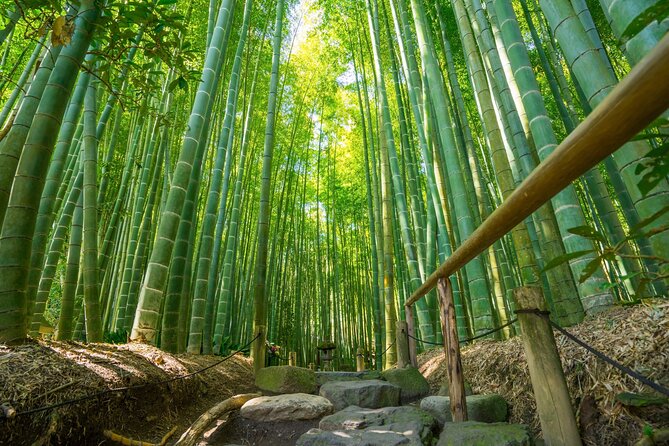
Hokoku-ji is one of those places that draws you in fast—mostly because of bamboo. The temple is associated with Rinzai Zen, and it was built in 1334. The standout detail is the bamboo grove: there are around 2,000 bamboo stalks, and the whole site feels designed for a slow walk and quiet attention.
This is a short stop (about 40 minutes), which is exactly what you want for bamboo. You don’t need an all-day commitment here. Instead, you can focus on walking through the grove, noticing how the light changes through the leaves, and taking a moment to appreciate why this kind of landscape became such a famous temple scene.
Watch the one catch: the admission ticket for Hokoku-ji is not included, so you’ll pay at the site. Also, because it’s such a photogenic place, plan your timing so you don’t feel rushed. If you’re the kind of person who likes to linger, the private guide helps by keeping you from feeling lost when your group wants a slightly different pace.
Tsurugaoka Hachimangu: a big shrine with a free entrance break
Next up is Tsurugaoka Hachimangu Shrine, dedicated to the legendary emperor Ojin, his wife, and his mother. Later, it became the head shrine connected with Minamoto Yoritomo, the founder and first shogun of the Kamakura government. That means you’re not just looking at pretty architecture—you’re standing in a place tied to the political shift that shaped Kamakura’s importance.
The best part for your schedule is that entry is free and the stop is about 40 minutes. In a day with three paid admissions, a free stop feels like a nice reset for your time and your wallet.
Practically, I think this stop works because it’s a “walk and orient” shrine. You can take your time crossing the grounds, glance at the main features your guide points out, and then transition naturally to the sea-facing temple world of Hasedera. If your group includes people who get tired of constant walking, this is usually the type of place where you can slow down without feeling like you’re falling behind.
Hasedera Temple: sea-facing views and Japan’s largest carved wood statue

Hasedera Temple is where Kamakura starts to feel cinematic. The big idea: it’s the only temple in Kamakura that faces the sea. Even if the day is cloudy, that location gives the whole experience a different feel than an inland shrine.
This stop is about 30 minutes. That’s enough time to find the key viewpoints, appreciate the seasonal flowers theme, and locate the major artwork people come for. Hasedera is also home to the largest carved-wood statue in Japan, enshrined on-site. That’s the kind of detail that helps you understand why this temple gets recommended again and again.
The drawback is financial: the admission ticket at Hasedera is not included. You’ll also want to wear shoes that can handle uneven steps, because temple grounds typically mean a mix of walkways and stairs.
One more practical tip: since you only get 30 minutes here, go in with a mental checklist. If your goal is photos, pick the viewpoint first, then enjoy the rest at a slower pace. If your goal is to just experience the place, aim for the statue and one of the major viewpoint areas, and don’t try to see everything from edge to edge.
Kotoku-in and the Great Buddha: what to notice in the 1252 bronze
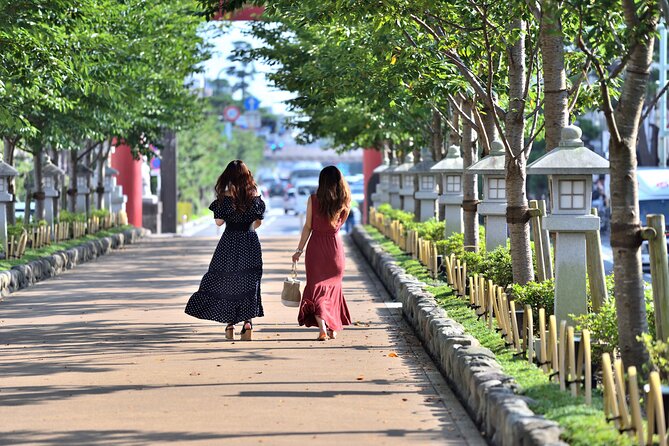
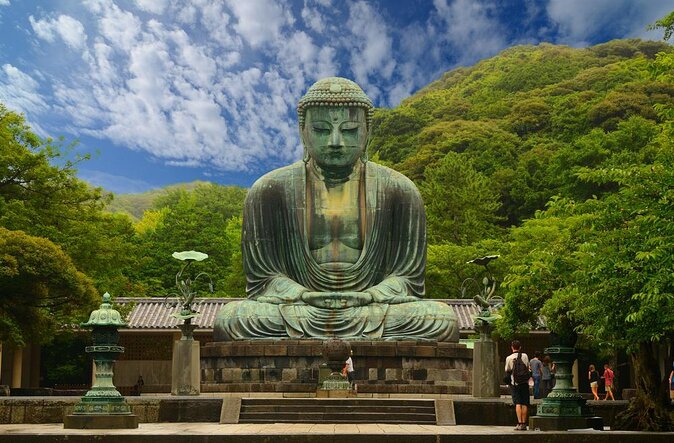
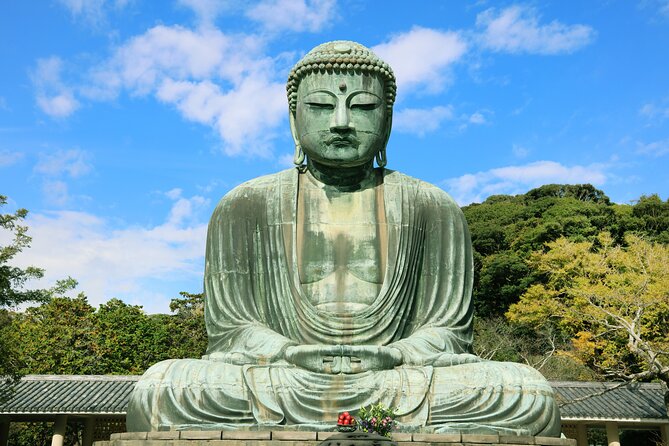
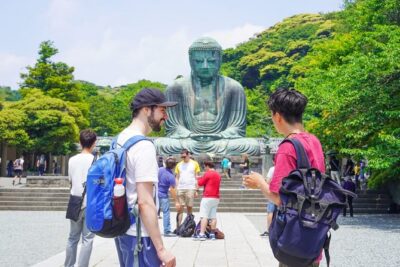
Then you reach the stop that many people come to Kamakura for: Kotoku-in and the Great Buddha of Kamakura. This is the bronze statue of Amida Buddha, standing on the temple grounds. The casting date is 1252, which makes it feel extra mind-bending—over 800 years old, long before Europeans reached Japan.
This stop is also about 30 minutes, which again is about right. You don’t need a long time to appreciate the scale. But you do want a little time to walk around the best angles, stand at the main viewpoint, and notice how the statue’s presence changes as you shift position.
Like the other major temples, entry at Kotoku-in is not included. Also, because this is a top highlight, expect people around the statue area. A good guide helps you choose where to stand so you’re not spending your time craning your neck or competing for sight lines.
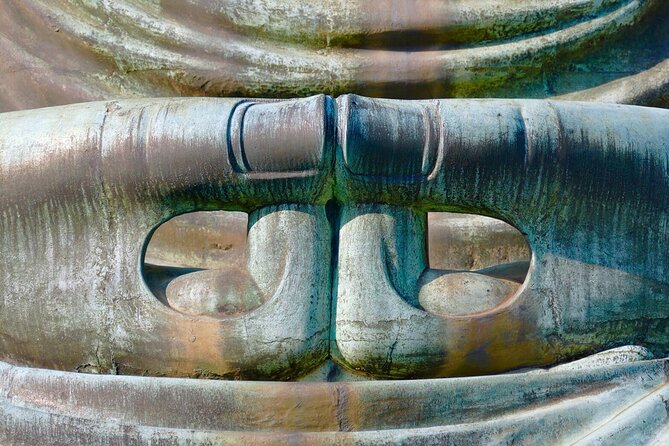
For me, the biggest value here is perspective. The Great Buddha isn’t just a photo op. With the right pointing-out, you start noticing why it’s still so famous: the casting age, the materials, the design, and the way the site frames it as a focal point for the whole temple grounds.
Readers also shortlisted these Tokyo bookings:
- Tokyo: Imperial Palace and Shogun Historical Walking Tour★ 5.0 · 2,251 reviews
- Tokyo: Imperial Palace Japanese History Walking Tour★ 4.9 · 987 reviews
- Tokyo: Shinjuku Historical Walking Tour & Secret Backstreets★ 5.0 · 530 reviews
- Yanaka Walking Tour: Historic and Traditional District of Tokyo★ 5.0 · 530 reviews
- Mt. Fuji Heritage Tour: Traditional Villages, Lakes & Shrine★ 4.5 · 509 reviews
How the schedule and timing feel in real life (6 to 8 hours)
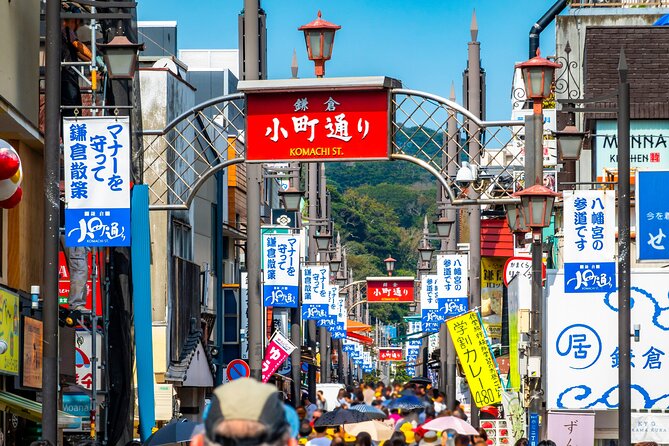
The full experience is listed as about 6–8 hours. That’s a realistic day-trip length: long enough to see four major stops, but short enough that you’re not exhausted back in Tokyo the same evening.
The schedule gives you time blocks that are consistent: around 30 minutes at Hasedera and Kotoku-in, and about 40 minutes at Hokoku-ji and Tsurugaoka Hachimangu. That means you’re not stuck waiting through long intervals. You get a manageable rhythm: short walk, key sights, then move on.
I also like that the day includes small support points—bottled water and snacks—because it keeps you from turning the trip into a constant hunt for something to drink. If you’re traveling with kids, older relatives, or anyone who gets hangry easily, these included basics really help.
One timing note: the meeting/pickup window is 7:00–9:00 AM. If you want quieter temple moments and easier photo timing, try to be ready earlier in that window rather than later.
Food and local cuisine: where the included snacks fit
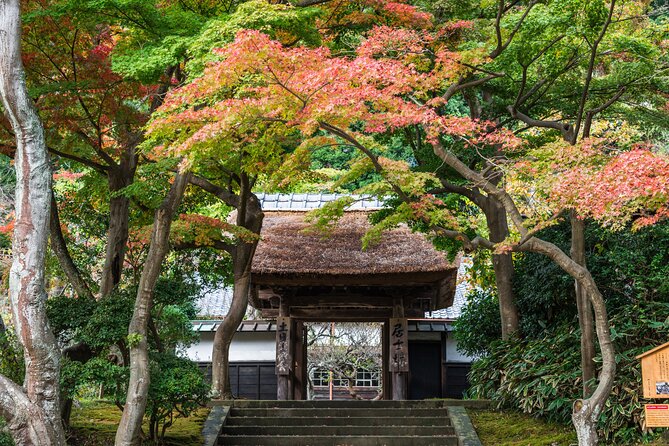
The tour name promises local cuisine, but the only guaranteed food items we’re told about are the bottled water and snacks included on the day. That’s still useful. When you’re moving temple to temple, snacks prevent the usual energy crash that ruins a sightseeing mood.
You should also plan for a real meal on your own during the day, because no lunch inclusion is explicitly stated. The good news: with a private guide and car, you’re more likely to find an appropriate lunch spot without wasting time figuring it out.
In practice, this is where the guide’s role can matter a lot. Some guides described with this service talk about helping groups with lunch options, including finding a quiet place and working around what the group wants. If your priority is a calm sit-down meal rather than a quick bite, a private setup generally makes that easier.
Guides who steer the day: Seiko-san, Riley, and Yosuke’s approach
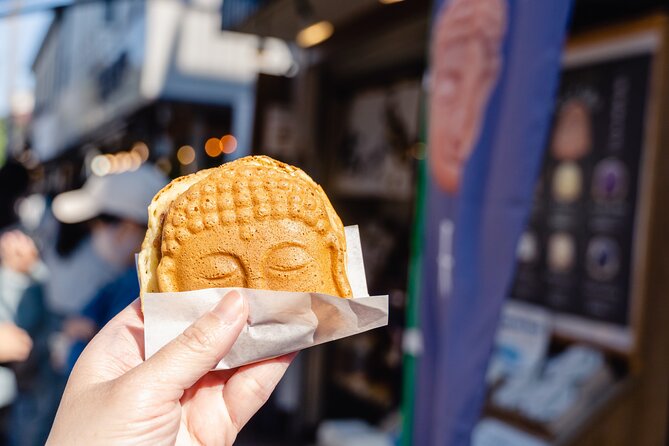
A temple route is easy to plan on paper. The real question is how it feels when you’re standing there with limited time. The strongest praise tied to this experience is about the guides themselves: friendly, attentive, and good at explaining what you’re looking at—plus fluent enough English to keep things comfortable.
You might meet different guides, but names connected with this service include Seiko-san, Riley, and OUTECH Yosuke. The stories around them share a common theme: they go beyond driving and actually help the day make sense. That can look like pacing the group, pointing out what to focus on at the Great Buddha, and adjusting when someone needs a little extra time.
One small but meaningful detail: some guides have been described as finding convenient parking nearby and then guiding people on foot through local shopping streets. That matters because Kamakura isn’t just temples. Those side streets are where the day often becomes more personal—snacks, souvenirs, and a calmer look at everyday life.
If you’re someone who likes context—why a shrine exists, why a temple faces the sea, why a statue is where it is—this is the kind of tour that tends to satisfy.
Price value check: $767.36 per group up to 9
Let’s talk value in a practical way. The listed price is $767.36 per group for up to 9 people. That’s not cheap if you’re traveling solo. But it can be a strong deal once you spread it out among a few people.
Here’s what you’re getting that has real cost in Japan:
- Private air-conditioned transportation from Tokyo
- Tokyo pickup within a stated morning window
- A structured route with time set aside for each major stop
- Bottled water and snacks included
- A mobile ticket (less hassle on the day)
Also, private transport can save you energy and time. When you add up the cost of separate rides plus the mental load of transfers, you’re not just paying for comfort—you’re paying for a day that runs on your schedule.
If you’re a couple or a family of 4–6, this is often where private day trips start looking logical. If you’re a solo traveler, you may find cheaper options using rail—but you’d trade away pickup convenience and an English-speaking guide structure.
My advice: price it like this—how much is it worth to avoid planning stress and show up ready to see temples immediately? For many groups, the answer lands here.
Who this Kamakura day trip suits best
This trip fits best if you want a classic Kamakura highlights route without turning it into a logistics project.
It’s a good choice for:
- Groups up to 9 who prefer private pacing
- Families who want fewer transfers
- Travelers who want help navigating the main sights with an English-capable guide
- Anyone who’d rather spend time inside temples than studying transit schedules
It might not be ideal if:
- You love ultra-spontaneous wandering with no set route
- You’re trying to keep costs down and you’re comfortable planning your own transit
- You want a longer, slower day that includes lots of small detours (because the structure is focused on four major stops)
Should you book this Kamakura tour?
I’d book it if your priority is a smooth, structured day: Tokyo pickup, air-conditioned ride, and a temple route that doesn’t eat your time with transit stress. The included bottled water and snacks are small, but they make the day feel easier. And if you care about explanations while you’re there—especially around the bamboo temple, the sea-facing Hasedera, and the 1252 bronze Great Buddha—this format tends to deliver.
I’d skip it if you’re traveling solo on a strict budget and you’re happy planning your own route. In that case, Kamakura is doable independently. You’ll just give up the convenience of pickup and the guide-led timing that keeps the day moving.
FAQ
FAQ
How long is the Kamakura day trip?
It runs about 6 to 8 hours.
Is pickup from Tokyo included?
Yes. Tokyo pickup is offered, with meeting/pickup hours listed from 7:00 AM to 9:00 AM.
Is this a private tour?
Yes. It’s private, and only your group participates.
What is the group size limit?
The tour price is per group for up to 9 people.
Are bottled water and snacks included?
Yes, bottled water and snacks are provided.
Are admission tickets included for the temples and shrine?
Admission tickets are not included for Hokoku-ji, Hasedera, and Kotoku-in. Tsurugaoka Hachimangu is listed as free.
Is there a mobile ticket?
Yes, mobile tickets are included.
What is the cancellation policy?
Free cancellation is available up to 24 hours in advance for a full refund. If you cancel less than 24 hours before the experience starts, the amount paid is not refunded.
More Historical Tours in Tokyo
- Tokyo: Imperial Palace and Shogun Historical Walking Tour
★ 5.0 · 2,251 reviews - Tokyo: Imperial Palace Japanese History Walking Tour
★ 4.9 · 987 reviews - Yanaka Walking Tour: Historic and Traditional District of Tokyo
★ 5.0 · 530 reviews - Tokyo: Shinjuku Historical Walking Tour & Secret Backstreets
★ 5.0 · 530 reviews - Mt. Fuji Heritage Tour: Traditional Villages, Lakes & Shrine
★ 4.5 · 509 reviews
More Tour Reviews in Tokyo
- Mt Fuji and Hakone 1-Day Bus Tour Return by Bullet Train
★ 5.0 · 26,383 reviews - 1-Day Tokyo Bus Tour
★ 5.0 · 14,250 reviews - Tokyo: teamLab Planets TOKYO Digital Art Museum Entry Ticket
★ 4.6 · 9,779 reviews - Mt Fuji & Hakone Cruise, Drum Show Bullet Train 1 Day from Tokyo
★ 4.0 · 7,413 reviews - Tokyo: Shinjuku Food Tour (13 Dishes at 4 Local Eateries)
★ 5.0 · 6,603 reviews
More Kamakura and Enoshima Days
- Tokyo: Mt. Fuji, Kamakura, Big Buddha, & Lake Ashi Day Trip
★ 4.5 · 867 reviews - Tokyo:Sea of Mount Fuji, Hakone Ropeway, Ōwakudani, Enoshima
★ 4.9 · 84 reviews - Kamakura 8 hr Private Walking Tour with Licensed Guide from Tokyo
★ 5.0 · 80 reviews - Tokyo: Kamakura & Enoshima Day Tour with Pickup & Train Ride
★ 4.1 · 61 reviews - Kamakura Private & Customizable Tour – All-in-One Experience
★ 5.0 · 49 reviews
Latest Tokyo reviews off our desk






Kamakura Day Trips, compared.
 ★ 4.5Kamakura & Enoshima Day Trip including Temple TicketsFrom $581,375 reviews
 ★ 4.5Mt. Fuji, Kamakura, Big Buddha, & Lake Ashi Day TripFrom $49867 reviews
 ★ 4.5From Tokyo: Kamakura & Enoshima 1-Day Bus TourFrom $66189 reviews
 ★ 5.0Kamakura Historical Walking Tour with the Great BuddhaFrom $98129 reviews
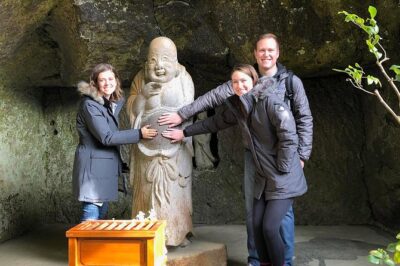 ★ 5.0Kamakura Private Tour: Temples, Nature, and the Great BuddhaFrom $98121 reviews
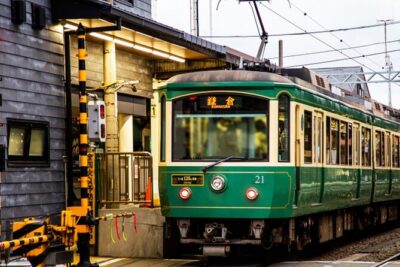 ★ 5.0Kamakura Walking Tour – The City of ShogunFrom $35100 reviews
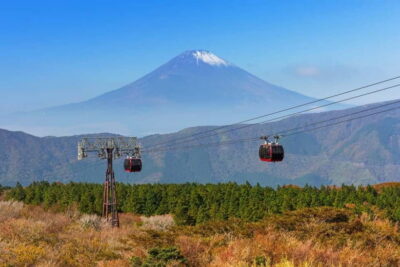 ★ 4.9Sea of Mount Fuji, Hakone Ropeway, Ōwakudani, EnoshimaFrom $5084 reviews
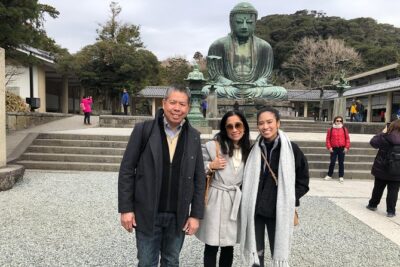 ★ 5.0Kamakura 8 hr Private Walking Tour with Licensed Guide from TokyoFrom $20180 reviews
Browse the lists this tour appears in