
Reviewed · KAMAKURA DAY TRIPS
Kamakura Private & Customized Half-Day Tour with Local Guide
Kamakura is best when someone reads the streets for you. This private half-day tour is built around your pace and interests, with a Kamakura-born guide who can steer you toward Zen temples, shrine sites, and quieter corners. I like that it feels personal from the first message, with Takumi Ikeda mentioned by name in multiple reviews.
Two things I’d put at the top: you get clear explanations (not just names on plaques), and you can shape the day around how you eat. Lunch can be a vegan bento, a local Japanese restaurant, or you can skip it to keep sightseeing time. That flexibility also shows up in real dietary help, like guidance on GF options.
One consideration: the price covers the guide, not your extras. Transportation, meals, and entrance fees are not included, so you’ll want to budget a bit on top—especially if you’re adding Enoshima or multiple temple stops.
In This Review
- Key highlights to know before you go
- Private half-day pacing: how the 3–6 hours really works
- Choosing your Kamakura focus: Zen calm, shrine meaning, and seaside air
- Komachi Dori to Tsurugaoka Hachimangu: the samurai heart you can walk
- Temples at your speed: Engakuji’s Zen calm and other Zen picks
- Kōtoku-in and Hase-dera: guided temple time with room for questions
- Lunch in Japan: vegan bento, local restaurants, or skipping to keep momentum
- Artisan craft and luck rituals: torii lanes, money-washing, and sword shops
- Price and value: what $85 buys you (and what it doesn’t)
- Who should book this Kamakura half-day tour
- Should you book this Kamakura half-day tour?
- FAQ
- Where do I meet for this tour?
- How long is the tour?
- Is this a private tour?
- What languages are available for the guide?
- What lunch options are included?
- Are entrance fees included?
- Do I pay for transportation during the tour?
- What should I bring?
- Can I cancel for a full refund?
Key highlights to know before you go
- Private, customized routing with a guide who adjusts day-of to your interests and energy
- History made easy through plainspoken stories tied to temples and shrines
- Lunch options that fit real diets, including vegan bento and restaurant choices
- Iconic + offbeat stops like Komachi Street, quiet temples, torii lanes, and artisan workshops
- English or Japanese live guide for smoother conversations and better questions
- Seasonal timing flexibility, including autumn-leaf scenery in fall
Private half-day pacing: how the 3–6 hours really works
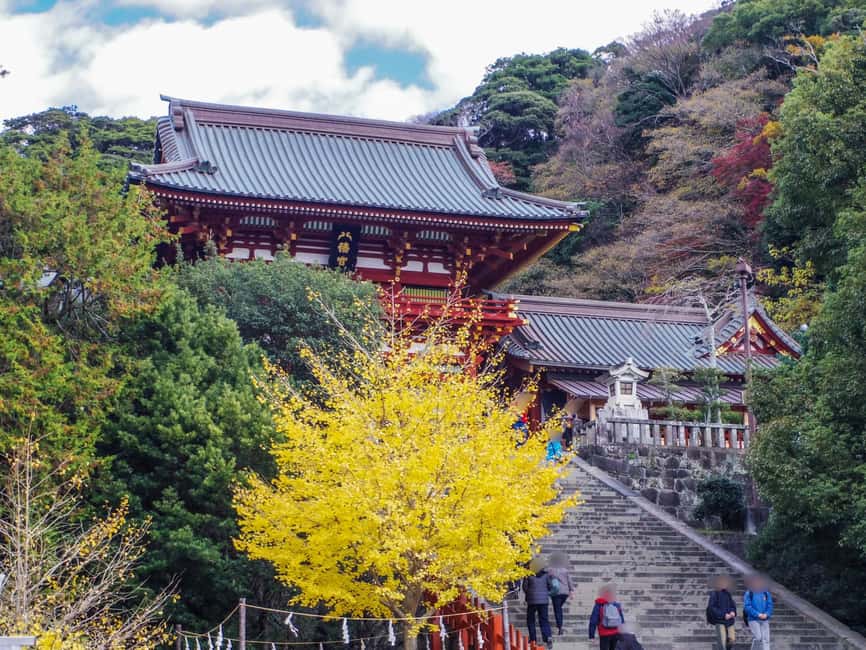
This tour runs about 3 to 6 hours, and the common feel is closer to a 4-hour day. That sweet spot matters in Kamakura because you’re mixing walking with temple/shrine time, plus trains when the route calls for it. With a private guide, you’re not stuck doing a rigid checklist while your knees complain.
You start at the East Exit of Kamakura Station. From there, the day often mixes easy city time with short guided blocks, so you can breathe between cultural stops. A typical flow includes a little free time for wandering and shopping, then guided visits at major sites, then another guided temple segment.
Because it’s private, you can also ask for the pace you want. If you love photos, you’ll likely spend more time at the scenic points you choose. If you’d rather hear stories, your guide can slow down for explanations and questions. A review specifically praises how it felt less like being dragged around and more like a friend introducing home.
Coast-and-Buddha days near Kamakura, rated
- Tokyo: Kamakura & Enoshima Day Trip including Temple Tickets
★ 4.5 · 1,375 reviews - From Tokyo: Kamakura & Enoshima 1-Day Bus Tour
★ 4.5 · 189 reviews - Kamakura Historical Walking Tour with the Great Buddha
★ 5.0 · 129 reviews - Kamakura Private Tour: Temples, Nature, and the Great Buddha
★ 5.0 · 121 reviews
Choosing your Kamakura focus: Zen calm, shrine meaning, and seaside air
Kamakura has a split personality. You’ve got big-name landmarks, yes—but you also get temples that feel quiet even when the station area is busy. The customization lets you build a day that matches your style, whether that’s Zen atmosphere, shrine walks, beach time, or a mix.
Your guide can also bring in seasonal scenery. The tour description calls out scenic autumn-leaf spots during fall, which is exactly when a flexible route pays off. In other seasons, you might still end up with slower paths and more tranquil temple grounds, depending on what your guide thinks fits best that day.
Here are the kinds of stops you might swap in, depending on your interests:
- Hokokuji Bamboo Forest for a calm walk under bamboo and a matcha break
- Kamakura Yuigahama Beach when you want ocean air and an easygoing vibe
- Sasuke Inari for the red torii lanes and fox statues tied to good fortune
- Zeniarai Benzaiten for the shrine/cave experience where people wash money in spring water for luck
- Kencho-ji when you want a Zen setting and a view from the hillside path
- Enoshima if you’d like to end with viewpoints and seafood energy (it’s a small island with its own shrine setting)
The best part: your guide doesn’t treat these as random stops. They connect the sites to what makes Kamakura feel like Kamakura—religious tradition, samurai-era meaning, and small rituals that locals still care about.
Komachi Dori to Tsurugaoka Hachimangu: the samurai heart you can walk
A common starting rhythm includes time on Komachi Dori Street—about 30 minutes of free time for shopping and sightseeing. This is where you get the street-level Kamakura feel fast: snacks, souvenirs, and the classic pedestrian energy right near the station area. It’s also useful for regrouping before the guided portion, especially if you want to pick up something small for later.
After that, the day often heads to Tsurugaoka Hachimangu Shrine for a guided visit (around 45 minutes). This shrine is described as the spiritual heart of Kamakura, tied to samurai heritage. It’s also dated to 1063, so your guide can give you the historical framing that makes the architecture and rituals feel grounded rather than decorative.
What you’ll like here is the combination of “see it” and “understand it.” With a local guide, you’re not just looking at a shrine gate and moving on. You’re learning how the place functions in the bigger Kamakura story, and you’ll probably notice details more after your guide explains what to watch for.
Temples at your speed: Engakuji’s Zen calm and other Zen picks
If you want Kamakura to feel quiet inside your head, Zen temples are the move. One example route starts at Kitakamakura Station and heads to Engakuji Temple, described as one of the most important Zen temples in Japan. The tone you’re looking for here is silence and focus—the kind of calm where you actually feel your pace slow without forcing it.
At Engakuji, your guide shares stories about Buddhist rituals and traditions. That matters because the best temple visits aren’t just scenic; they’re meaningful. Learning what the rituals are about helps you understand what you’re seeing, even if you’re not a religion scholar.
Depending on your custom plan, you might also slot in other Zen-friendly stops:
- Kencho-ji Temple, noted as the oldest Zen temple in Kamakura, with peaceful gardens and a good view from the hillside path
- Hokokuji Bamboo Forest, a temple setting where a bamboo grove walk becomes almost meditative
- Quiet matcha time is specifically mentioned as a possibility at Hokokuji, which is a nice pacing tool if your feet start to get picky
One practical tip: temples can be shaded and cooler than the street. So wear layers you can adjust. And keep your questions ready. In reviews, the guide is praised for answering everything from customs to history to everyday culture.
Kōtoku-in and Hase-dera: guided temple time with room for questions
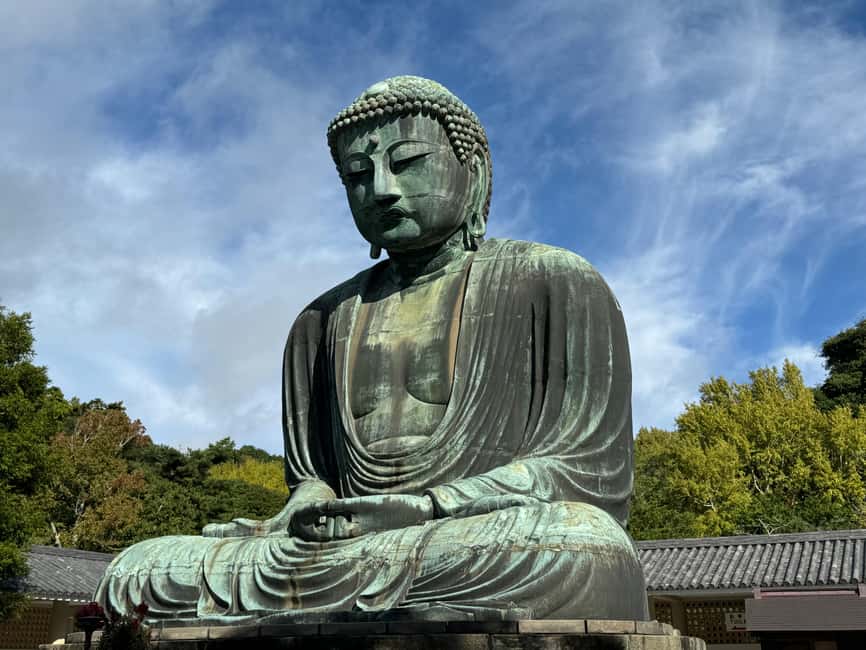
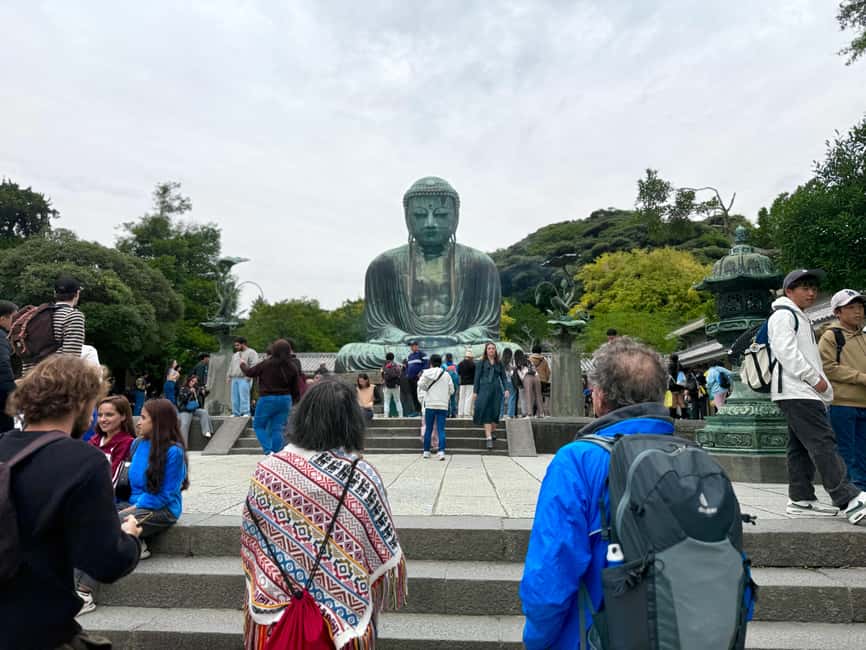
Many versions of this half-day tour include a temple pairing: Kōtoku-in followed by Hase-dera. In the listed itinerary, Kōtoku-in takes about 35 minutes with a guided visit, then Hase-dera takes about 50 minutes.
The key value here isn’t the exact order—it’s that these stops are guided. You’ll have time to ask what you want to know, and you’ll get explanations that make the sites connect to the broader Kamakura atmosphere. If you like practical context, this is where your guide can translate what things mean in day-to-day Japanese culture.
A small downside to temple-heavy days: you might spend more time on your feet than you expect, especially if you keep choosing “just one more photo.” That’s why comfortable shoes are stressed. If you’re sensitive to walking, tell your guide early. A good private guide will adjust the route to protect your energy.
Readers also shortlisted these Kamakura bookings:
- Kamakura: Private Guided Walking Tour with Local Guide★ 4.8 · 60 reviews
- From Tokyo: Kamakura Full Day Tour with a Local Expert Guide★ 4.6 · 43 reviews
- Kamakura Half Day Tour with a Local Expert Guide★ 4.4 · 23 reviews
- Kamakura Tours Half Day or Full Day Tours with a local guide.★ 5.0 · 12 reviews
- Kamakura Private & Customized Half-Day Tour with Local Guide★ 5.0 · 11 reviews
Lunch in Japan: vegan bento, local restaurants, or skipping to keep momentum
Lunch is one of the most “you-driven” parts of this tour. You can choose vegan bento, a local restaurant, or even skip lunch entirely to maximize sightseeing time. That flexibility is great if you have dietary needs or if your plan is time-sensitive.
In the example lunch section, the goal is real Japanese food, not a tourist trap. One described meal includes miso soup with carefully crafted dashi stock, and a shrimp dish called shinjō served piping hot. Your guide also explains Japanese cuisine while you eat, so lunch becomes part of the culture lesson rather than a pause you endure.
Vegan needs are specifically mentioned with vegan bento as an option, and reviews include praise for a vegetarian lunch that was among the best meals during a Japan trip. If you’re gluten-free, you’ll be glad a review mentions help with GF options.
And if you’d rather snack than sit, the Komachi Street free time can cover that too. Think of lunch as an adjustable dial: slow down and enjoy, or keep moving and graze.
Artisan craft and luck rituals: torii lanes, money-washing, and sword shops
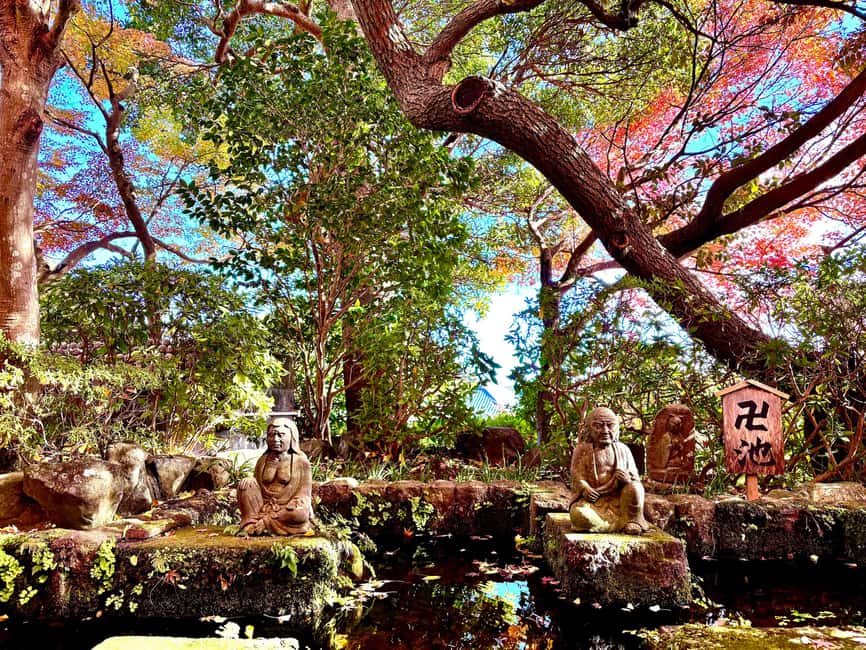
Kamakura isn’t only about big temples. It also has small rituals and craft traditions that feel local in a way guidebooks rarely capture.
Here are the kinds of “special texture” stops your guide can add:
- Sasuke Inari: a hidden shrine with rows of red torii gates and fox statues, described as bringing good fortune
- Zeniarai Benzaiten: a sacred cave shrine where people wash money in spring water for luck and prosperity
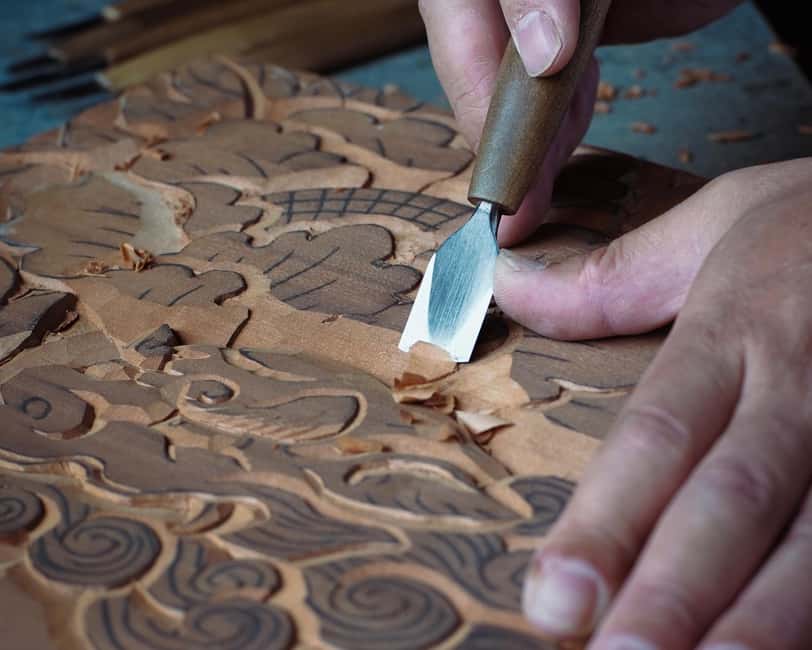
- Sword shop / swordsmith workshop: a craft stop with a 22-generation legacy, which turns the idea of samurai heritage into something you can actually see
These stops are valuable because they give you a Kamakura rhythm that’s not just ceremonial buildings. You’re seeing how belief and tradition show up in everyday habits: luck rituals, artisan continuity, and small places that locals still treat with meaning.
Also, if you’re curious about what locals buy or carry day to day, one review mentions the guide taking a guest to small utility stores for odds and ends needed. That’s the kind of practical local knowledge you only get with a private guide.
Price and value: what $85 buys you (and what it doesn’t)
At $85 per person, you’re paying for something that’s harder to replicate on your own: a private, live local guide who can customize the route and explain what you’re seeing. For a half-day, that can be strong value—especially if your interests are specific (Zen calm, shrine meaning, food preferences, or a mix).
What the price does not include matters. Transportation fees, meals and drinks, entrance fees, and personal expenses are not included. So your total day cost depends on how many paid entries you add and whether you take trains beyond what’s needed.
Still, the value logic is simple: if you’d otherwise pay for multiple separate guided experiences, this one-day format can consolidate them. Plus, the customization is doing real work. A guide adjusting to your interests and answering your questions reduces wasted time. Reviews describe this as the difference between touring and actually connecting to the city.
Who should book this Kamakura half-day tour
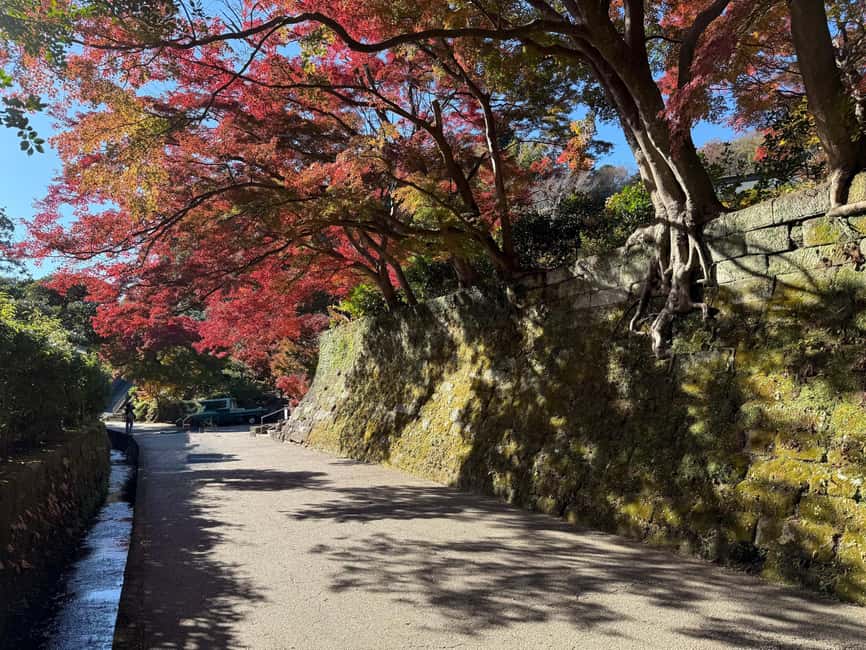
This tour fits best if you want:
- a private day plan without rigid pacing
- a guide who can tailor temples, shrines, and food choices to you
- help managing dietary needs, including vegan options and GF awareness
- a conversation-based experience, not just walking from photo spot to photo spot
It’s also a good pick if you’re traveling solo. One review highlights that the guide gave pointers ahead of time about weather and what to prepare, which is especially useful when you can’t read a city’s quirks as fast.
If you only want a simple checklist and you’re comfortable navigating everything yourself with no explanations, you might not use the private-guide value. But if you care about meaning—rituals, history, customs, and what people actually do in these places—this is a smart way to spend a half-day.
Should you book this Kamakura half-day tour?
I’d book it if you want Kamakura to feel personal and understandable, not just crowded sights. The combo of private customization, clear explanations, and flexible lunch choices is exactly what makes this type of tour pay off.
Before you decide, do two things:
- Tell your guide your priorities upfront: Zen temples, shrine rituals, seaside time, craft stops, or food.
- Decide your lunch strategy: vegan bento, local restaurant, or skip so you can keep moving.
If that sounds like your style, you’ll likely walk away with the kind of Kamakura day you remember: quiet temples, meaningful shrines, and a guide who knows where your interests fit into the map.
FAQ
Where do I meet for this tour?
You meet at the East Exit of Kamakura Station.
How long is the tour?
The tour is listed as 3 to 6 hours, and the general duration is about 4 hours.
Is this a private tour?
Yes. It’s a private group tour, and the itinerary is customized to your interests, schedule, and style.
What languages are available for the guide?
The live guide is available in English and Japanese.
What lunch options are included?
Meals are not included, but you can choose lunch options during the day such as vegan bento, a local restaurant, or skipping lunch.
Are entrance fees included?
No. Entrance fees are not included.
Do I pay for transportation during the tour?
Transportation fees are not included.
What should I bring?
Wear comfortable shoes since you’ll be walking through temple and shrine areas.
Can I cancel for a full refund?
Yes. Free cancellation is available up to 24 hours in advance for a full refund.
More Tours in Kamakura
- From Tokyo: Kamakura & Enoshima 1-Day Bus Tour
★ 4.5 · 189 reviews - Kamakura Historical Walking Tour with the Great Buddha
★ 5.0 · 129 reviews - Kamakura Private Tour: Temples, Nature, and the Great Buddha
★ 5.0 · 121 reviews - Kamakura Walking Tour – The City of Shogun
★ 5.0 · 100 reviews - Kamakura: Private Guided Walking Tour with Local Guide
★ 4.8 · 60 reviews
More Tour Reviews in Kamakura
- Tokyo: Kamakura & Enoshima Day Trip including Temple Tickets
★ 4.5 · 1,375 reviews - From Tokyo: Kamakura & Enoshima 1-Day Bus Tour
★ 4.5 · 189 reviews - Kamakura Historical Walking Tour with the Great Buddha
★ 5.0 · 129 reviews - Kamakura Private Tour: Temples, Nature, and the Great Buddha
★ 5.0 · 121 reviews - Kamakura Walking Tour – The City of Shogun
★ 5.0 · 100 reviews
More Kamakura and Enoshima Days
- Tokyo: Kamakura & Enoshima Day Trip including Temple Tickets
★ 4.5 · 1,375 reviews - From Tokyo: Kamakura & Enoshima 1-Day Bus Tour
★ 4.5 · 189 reviews - Kamakura Historical Walking Tour with the Great Buddha
★ 5.0 · 129 reviews - Kamakura Private Tour: Temples, Nature, and the Great Buddha
★ 5.0 · 121 reviews - Kamakura Walking Tour – The City of Shogun
★ 5.0 · 100 reviews
Latest Kamakura reviews off our desk
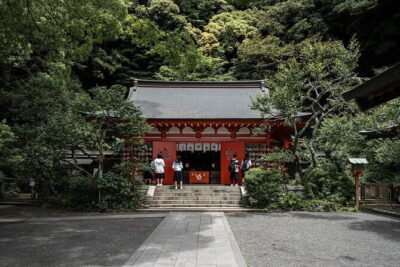

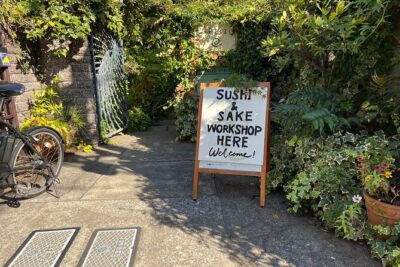
Kamakura Day Trips, compared.
 ★ 4.5Kamakura & Enoshima Day Trip including Temple TicketsFrom $581,375 reviews
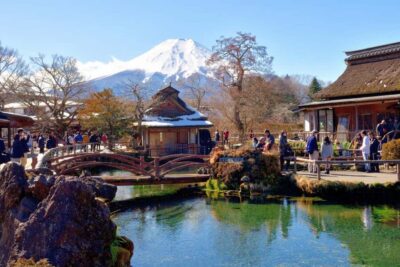 ★ 4.5Mt. Fuji, Kamakura, Big Buddha, & Lake Ashi Day TripFrom $49867 reviews
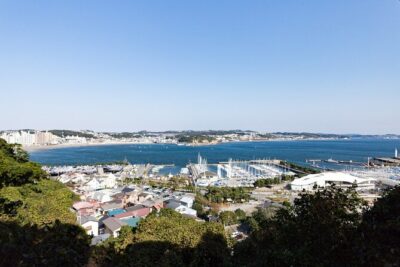 ★ 4.5From Tokyo: Kamakura & Enoshima 1-Day Bus TourFrom $66189 reviews
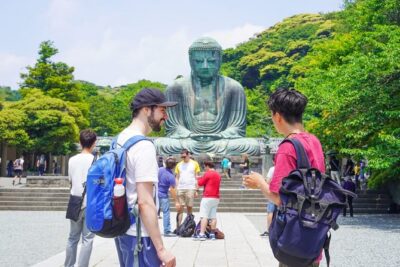 ★ 5.0Kamakura Historical Walking Tour with the Great BuddhaFrom $98129 reviews
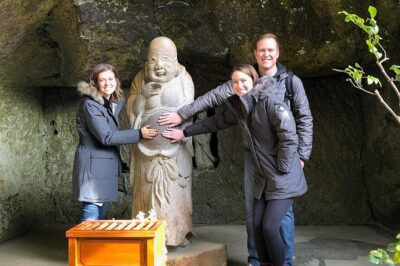 ★ 5.0Kamakura Private Tour: Temples, Nature, and the Great BuddhaFrom $98121 reviews
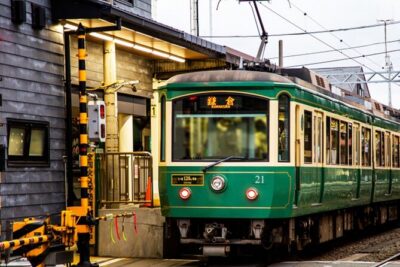 ★ 5.0Kamakura Walking Tour – The City of ShogunFrom $35100 reviews
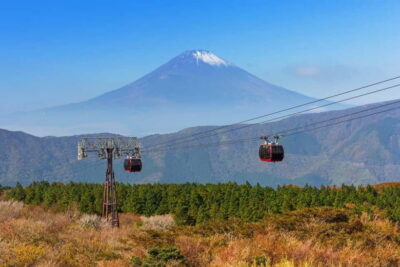 ★ 4.9Sea of Mount Fuji, Hakone Ropeway, Ōwakudani, EnoshimaFrom $5084 reviews
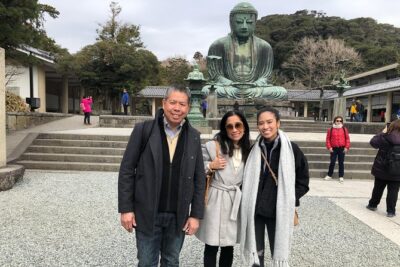 ★ 5.0Kamakura 8 hr Private Walking Tour with Licensed Guide from TokyoFrom $20180 reviews
Browse the lists this tour appears in