
Reviewed · KAMAKURA DAY TRIPS
Kamakura Tours Half Day or Full Day Tours with a local guide.
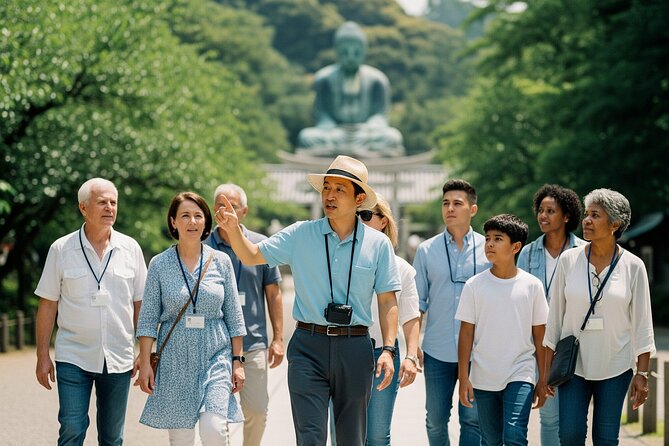
Kamakura beats planning fatigue. This guided day (about 8 hours) keeps you focused on temples, gardens, and old-school shopping instead of fighting transit maps, with stress-free logistics and a timed start at the Great Buddha. I like the way the route hits the big icons first and then slows down for atmosphere. I also appreciate that your local guide keeps the pace realistic and the timing tight. One consideration: it’s still a walk-and-transit day, so comfy shoes and moderate stamina matter.
In the Hase-dera area, you get temple stories plus garden views without you hunting around for the best angles. You’ll also have time on Komachi Street for snacks and shopping, and you can add a kimono rental stop for photos. Just note that there’s no private vehicle—this is “public transport + walking”—and the included drink is bottled water only (no soda or alcohol).
This is a private tour for your group, starting and ending at Kamakura Station. If you want an organized day that feels local rather than rushed, this one fits.
In This Review
- Key things to know before you go
- Why Kamakura Feels Easier With a Local Guide
- Price and What $70 Buys You (Plus Where It’s a Bargain)
- Kotoku-in Great Buddha: Your First 45 Minutes to Set the Tone
- Hase-dera Temple: Kannon, Jizo, and Garden Views That Change the Pace
- Komachi Street: Snacks, Shopping, and a Sense of Kamakura Life
- Tsurugaoka Hachimangu Shrine: Understanding Kamakura’s Spiritual Heart
- Optional Kimono Rental at Imakoji: If You Want Photos, Plan This Right
- Timing, Walking Pace, and How an 8-Hour Day Typically Feels
- The Real Value: Logistics Covered, But You Still Get Choices
- Who Should Book This Kamakura Tour (And Who Might Skip It)
- Should You Book This Kamakura Guided Tour?
- FAQ
- Is admission to temples and shrines included?
- What does the $70 per person price include?
- Is lunch included in the tour?
- Is kimono rental included?
- Where does the tour start and end?
- Can I cancel and get a full refund?
Key things to know before you go
- Great Buddha first: You start with Kotoku-in and a focused visit (with admission included).
- Hase-dera’s garden-and-statues mix: Kannon and Jizo are part of what makes this stop memorable.
- Komachi Street time is built in: You’re not just passing through; you get a real block for food and handmade souvenirs.
- Tsurugaoka Hachimangu is the spiritual anchor: Shrine time is included and helps you understand Kamakura’s role in Japanese culture.
- Optional kimono rental: You can add Imakoji for classic photos, but it’s extra.
- Your guide handles the moving parts: Efficient public transport and route decisions are part of the value.
Why Kamakura Feels Easier With a Local Guide
Kamakura is one of those places where you can totally overthink it. Trains, short walks, temple gates, and lines that pop up when you least expect them. What I like about this tour is that you hand those decisions to your guide. You’re not spending your day figuring out which entrance is best or what order makes sense.
A local guide also helps you notice what you’d otherwise miss. At places like Hase-dera and Tsurugaoka Hachimangu, the stories behind statues and the flow of the grounds can change how you experience the same scenery. Even when you’re just moving between stops, you get context instead of silence.
The tour is also structured around real time: you’re given specific blocks at each major stop. That matters because temples and shopping streets both have their own rhythm. You’ll end up with enough time to feel the place, not just collect photos.
Coast-and-Buddha days near Kamakura, rated
- Tokyo: Kamakura & Enoshima Day Trip including Temple Tickets
★ 4.5 · 1,375 reviews - From Tokyo: Kamakura & Enoshima 1-Day Bus Tour
★ 4.5 · 189 reviews - Kamakura Historical Walking Tour with the Great Buddha
★ 5.0 · 129 reviews - Kamakura Private Tour: Temples, Nature, and the Great Buddha
★ 5.0 · 121 reviews
Price and What $70 Buys You (Plus Where It’s a Bargain)
At $70 per person, the big value angle is that your money is buying more than someone walking beside you. Your guide fee is included, and entrance fees to the shrines and temples are included too. Add in bottled water on hot days, and you can see why the math works for a guided day in Japan.
Here’s the practical breakdown of what you’re getting for the ticket price:
- Guide fee included
- Temple/shrine admission included
- Bottled water included (you don’t pick a preferred drink)
- Public transport coordination + route management (no private vehicle)
What you’re not paying for:
- Lunch
- Kimono rental (optional)
- Any private transportation (this is not vehicle-guided)
So if you’ve ever arrived at a temple, realized you missed the correct gate, or lost time asking strangers for directions, you’ll understand why a guide can be worth it. You’re effectively buying back hours. For a day that runs about 8 hours, that time-saving is the real payoff.
Also, since it’s a private tour for just your group, you don’t have to fight crowds over pace. That’s a quieter kind of value.
Kotoku-in Great Buddha: Your First 45 Minutes to Set the Tone
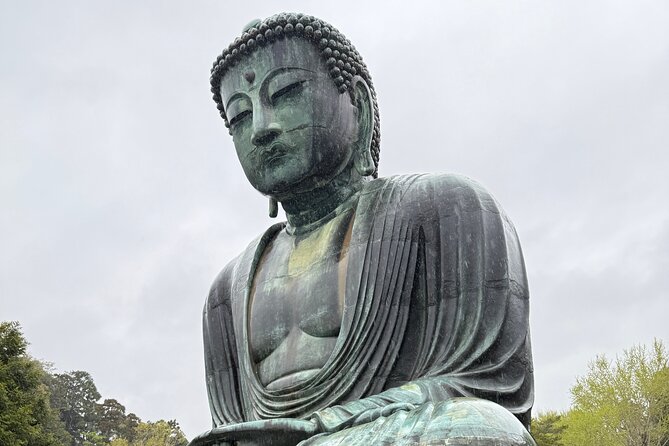
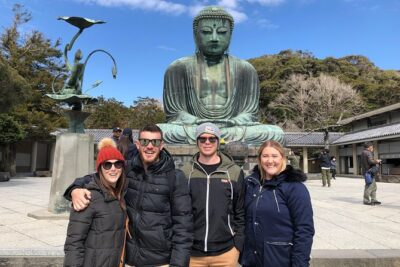
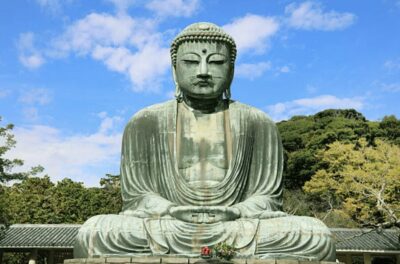
Your day starts at Kotoku-in for the Great Buddha of Kamakura. This is the moment that makes people stop mid-sentence and just look up. You get about 45 minutes, and admission is included.
What makes Kotoku-in work on a guided itinerary is that it’s not just a photo stop. The guide helps you connect what you’re seeing with its cultural meaning, which makes the bronze figure feel less like a landmark and more like a living part of Kamakura’s identity. You’ll also have a chance to browse for Great Buddha souvenirs nearby.
One practical tip: arrive ready to move. This is a popular area, and the “best” spots for a quick look and a slow look don’t always overlap. If your guide suggests a path through the site, follow it. It’ll keep you from backtracking.
Time spent here is short but focused, which is exactly what you want as a start. It warms up your interest for what comes next.
Hase-dera Temple: Kannon, Jizo, and Garden Views That Change the Pace
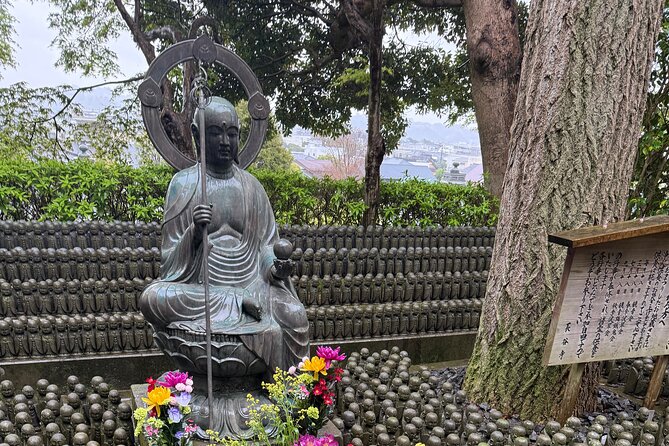
Next up is Hase-dera Temple, and this is where the tour slows down in a good way. You get another 45 minutes, and admission is included.
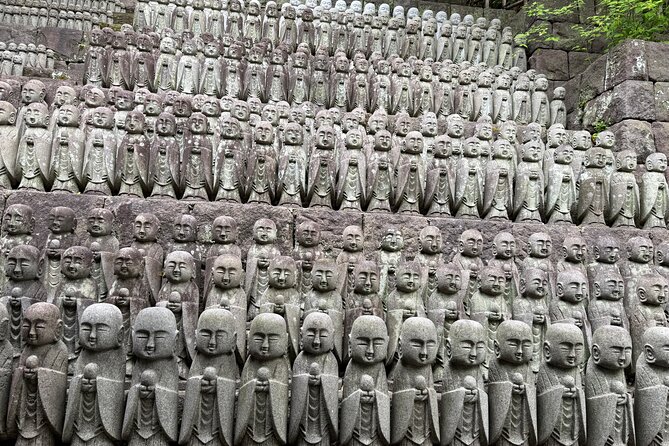
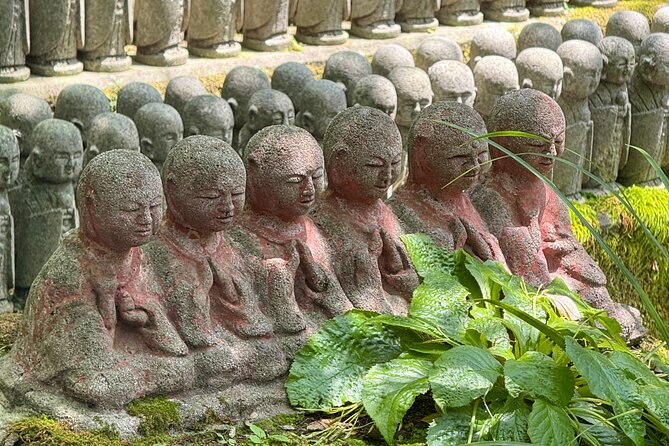
Hase-dera is famous for its temple setting, but the reason it lands well on this tour is that you’re not wandering without a thread. The guide focuses you on key elements like the Buddhist goddess Kannon and the presence of Jizo statues. When you know what you’re looking at, the whole grounds feel more intentional.
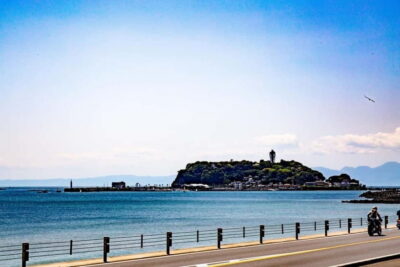
This stop also includes a payoff for your eyes: bay views. Those views help break up the heaviness that temples can sometimes bring. You go from statue-focused attention to an open horizon, and it refreshes your energy for the shopping stop right after.
A fair drawback: if you’re the type who likes to linger for long periods, 45 minutes can feel tight. But that’s the tradeoff of a full itinerary. If you want a slower version of Hase-dera, you can treat this tour as the curated overview and plan a follow-up stop on your own another day.
Komachi Street: Snacks, Shopping, and a Sense of Kamakura Life
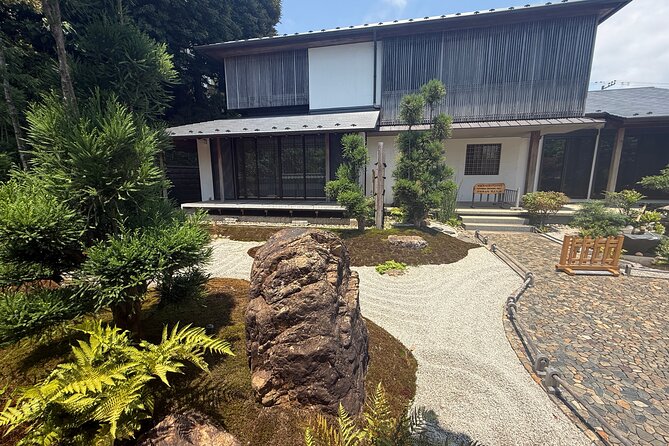
After the temples, you transition into a more street-level Kamakura: Komachi Street (Goro Kamakura Komachi Street Honten). You’re given 1 hour 30 minutes here, and admission isn’t needed.
This is the stop that helps the day feel real. Temples give Kamakura its spiritual gravity, but Komachi Street gives you the everyday stuff: browsing, snacking, and picking up small items that actually feel local.
Here’s what I like about getting guided time on a shopping street:
- You’re not wasting it searching for where to eat.
- You can ask questions about what souvenirs are genuinely Kamakura-made.
- You can sample local snacks and drinks without guessing what’s worth your money and what’s just marketing.
You should expect a busy, active stretch. Even so, the guide’s job is to help you move efficiently and not get stuck in one spot for too long.
Quick strategy: if you’re shopping, set one priority before you arrive. Then use the rest of the time for snacks and easy browsing. That keeps you from blowing the full 90 minutes on small indecisions.
Readers also shortlisted these Kamakura bookings:
- Kamakura: Private Guided Walking Tour with Local Guide★ 4.8 · 60 reviews
- Kamakura 4hr Private Trip with Government-Licensed Guide★ 5.0 · 58 reviews
- From Tokyo: Kamakura Full Day Tour with a Local Expert Guide★ 4.6 · 43 reviews
- Kamakura Half Day Tour with a Local Expert Guide★ 4.4 · 23 reviews
- Kamakura Tours Half Day or Full Day Tours with a local guide.★ 5.0 · 12 reviews
Tsurugaoka Hachimangu Shrine: Understanding Kamakura’s Spiritual Heart
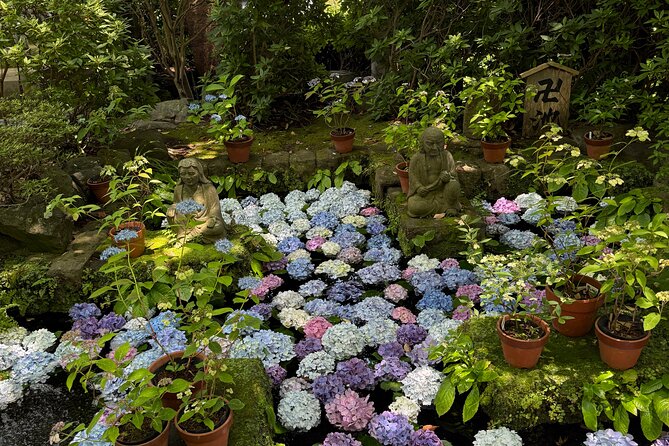
Then you shift from shopping energy back to reflection at Tsurugaoka Hachimangu Shrine. You get about 45 minutes, and admission is free for this stop.
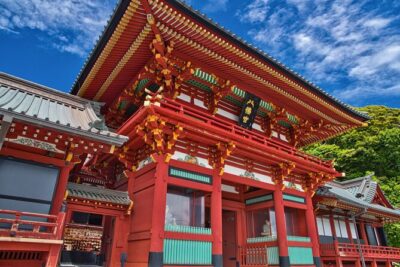
Tsurugaoka Hachimangu is described as one of the oldest shrines in all of Japan, and it plays a major role in Kamakura’s spiritual identity. What you’ll likely appreciate here is the way the guide connects the shrine’s cultural significance to the broader story of Kamakura.
Practically, this is also a good pacing stop. After Komachi Street’s movement, the shrine gives your body a chance to slow down. You’ll be in a calmer environment for part of your day, which makes the earlier temple visits feel more balanced.
If you’re sensitive to crowds, aim for a steady rhythm: look, listen, then step aside so you don’t linger exactly where the flow of people funnels through.
Optional Kimono Rental at Imakoji: If You Want Photos, Plan This Right
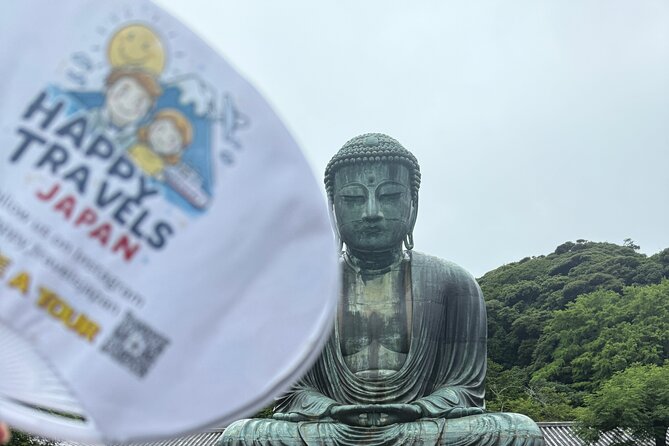
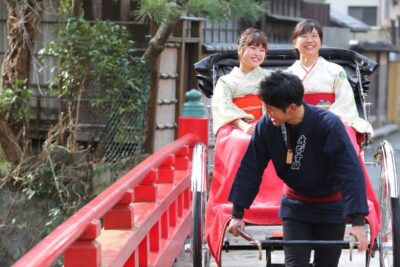
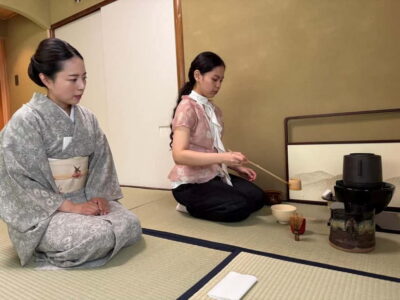
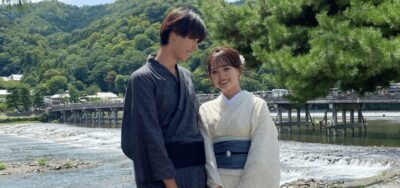
You’ll have the option to add kimono rental at Kamakura Imakoji. The rental itself is not included in the tour price, and you’ll spend about 1 hour here.
For me, kimono time is worth it when you treat it like part of the experience, not a last-minute costume change. The best value comes from using the outfit for real walking and photos around the areas you’re already visiting. It’s also a fun way to slow down and appreciate details like how people move through shrine and temple spaces.
One consideration: because rental cost and setup time aren’t included, you should budget extra money and keep your schedule flexible. If you’re tight on timing, ask your guide when the rental works best relative to the rest of the day.
If you do it, go with an outfit and color that fits your photo goals. Also, plan a quick bathroom stop before you put it on. Sounds basic, but it prevents stress later.
Timing, Walking Pace, and How an 8-Hour Day Typically Feels
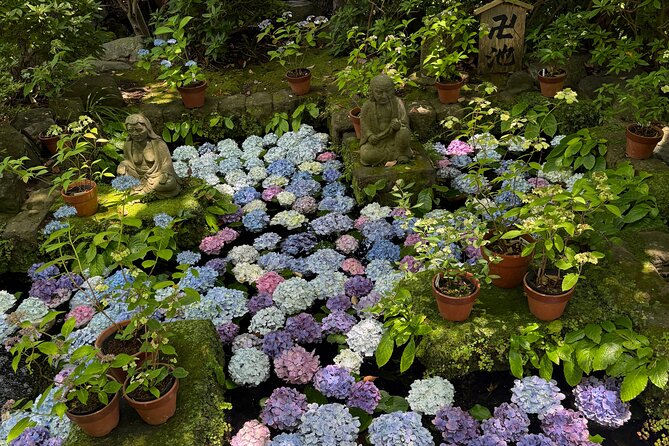
This tour is about 8 hours total, blending walking with efficient public transport. That’s important because it means your energy gets spent in two ways: moving between areas and staying focused inside sites.
The tour also starts and ends back at the meeting point, which helps. Your meeting point is Kamakura Station (1-chōme-1-15 Onarimachi, Kamakura, Kanagawa 248-0012), and you’ll return there at the end.
Here’s how I’d think about the pacing:
- Morning energy: Great Buddha, then Hase-dera
- Midday switch: temples into streets and snacks
- Later calm: shrine time, plus optional kimono
The walking isn’t described in exact mileage, but the itinerary includes multiple stops and a full shopping street segment. I’d bring shoes that don’t make your feet complain by hour three.
Also, the guide provides bottled water on hot days. Still, you should bring a small personal snack if you know you get hungry. Lunch is not included, and relying on timing alone can be stressful.
The Real Value: Logistics Covered, But You Still Get Choices
A good guided day doesn’t feel like someone dragged you from stop to stop. This one is built so you still have room to enjoy yourself. You get:
- A guide managing the order and transit so you don’t lose time
- Clear time windows at each major spot
- Lunch guidance (help choosing a local restaurant), even though lunch itself isn’t included
- Optional add-ons like kimono rental
In other words, you’re not locked into every detail. The guide can help you decide where to eat, but you can choose what fits your budget and tastes.
One thing I really appreciate: this is a private tour for your group. That tends to make the experience feel calmer and less like a herd. Even if you’re traveling with family or friends, you can set a comfortable pace rather than letting someone else’s energy dictate the day.
And on language: the experience notes emphasize expert guiding with strong communication. In past experiences with guides like Jack, guests describe excellent English and a history-and-culture style that makes the sites easier to understand.
Who Should Book This Kamakura Tour (And Who Might Skip It)
This tour is a strong match if you:
- Want a structured overview of Kamakura’s must-sees in one day
- Prefer public transport handled for you (you still walk, but you don’t plot the route)
- Enjoy learning what you’re seeing, not just taking pictures
- Like shopping for local items but don’t want to guess where to go
It’s also a great option if you’re short on time. Kamakura has plenty to explore beyond these stops, but this itinerary gives you the essentials with room for shopping and food.
You might skip it if you:
- Already know Kamakura well and want complete independent control of your schedule
- Want long, slow temple time without any timeline pressure
- Expect a fully vehicle-based tour (this isn’t that)
Should You Book This Kamakura Guided Tour?
If you want an efficient, well-paced day where you get the major landmarks plus real local-life time on Komachi Street, I’d book it. The biggest reasons are straightforward: entrance fees are included, the guide handles public transport logic, and the itinerary includes both temple depth and street-level fun.
I’d especially recommend it for first-timers who don’t want to spend their trip staring at train schedules. You’ll get a coherent route, helpful context at each stop, and the flexibility to handle lunch on your own terms.
If you do book, do two things to get the most value: wear comfortable shoes, and come hungry enough for Komachi Street snacks. The day is built around that rhythm.
FAQ
Is admission to temples and shrines included?
Yes. Entrance fees for the shrines and temples are included in the price.
What does the $70 per person price include?
It includes the tour guide fee, bottled water during hot days, and entrance fees to the shrines and temples. The tour also includes guided logistics and public transport coordination, but it is not a vehicle-guided tour.
Is lunch included in the tour?
No. Lunch is not provided. The guide can help recommend a local restaurant where you can relax and recharge for lunch.
Is kimono rental included?
No. Kimono rental is optional. If you want it, you can rent a kimono or yukata at Kamakura Imakoji, but the rental price is not included.
Where does the tour start and end?
The tour starts at Kamakura Station (1-chōme-1-15 Onarimachi, Kamakura, Kanagawa 248-0012, Japan) and ends back at the meeting point.
Can I cancel and get a full refund?
Yes. You can cancel up to 24 hours in advance for a full refund. If you cancel less than 24 hours before the start time, the amount paid is not refunded.
More Tours in Kamakura
- From Tokyo: Kamakura & Enoshima 1-Day Bus Tour
★ 4.5 · 189 reviews - Kamakura Historical Walking Tour with the Great Buddha
★ 5.0 · 129 reviews - Kamakura Private Tour: Temples, Nature, and the Great Buddha
★ 5.0 · 121 reviews - Kamakura Walking Tour – The City of Shogun
★ 5.0 · 100 reviews - Kamakura: Private Guided Walking Tour with Local Guide
★ 4.8 · 60 reviews
More Tour Reviews in Kamakura
- Tokyo: Kamakura & Enoshima Day Trip including Temple Tickets
★ 4.5 · 1,375 reviews - From Tokyo: Kamakura & Enoshima 1-Day Bus Tour
★ 4.5 · 189 reviews - Kamakura Historical Walking Tour with the Great Buddha
★ 5.0 · 129 reviews - Kamakura Private Tour: Temples, Nature, and the Great Buddha
★ 5.0 · 121 reviews - Kamakura Walking Tour – The City of Shogun
★ 5.0 · 100 reviews
More Kamakura and Enoshima Days
- Tokyo: Kamakura & Enoshima Day Trip including Temple Tickets
★ 4.5 · 1,375 reviews - From Tokyo: Kamakura & Enoshima 1-Day Bus Tour
★ 4.5 · 189 reviews - Kamakura Historical Walking Tour with the Great Buddha
★ 5.0 · 129 reviews - Kamakura Private Tour: Temples, Nature, and the Great Buddha
★ 5.0 · 121 reviews - Kamakura Walking Tour – The City of Shogun
★ 5.0 · 100 reviews
Latest Kamakura reviews off our desk
Kamakura Day Trips, compared.
 ★ 4.5Kamakura & Enoshima Day Trip including Temple TicketsFrom $581,375 reviews
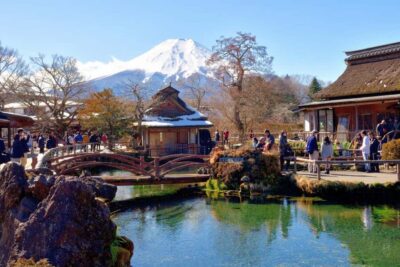 ★ 4.5Mt. Fuji, Kamakura, Big Buddha, & Lake Ashi Day TripFrom $49867 reviews
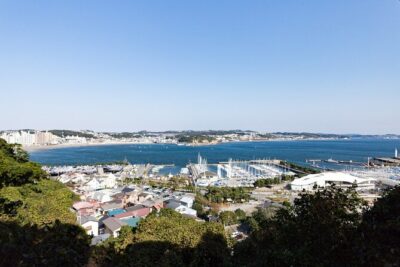 ★ 4.5From Tokyo: Kamakura & Enoshima 1-Day Bus TourFrom $66189 reviews
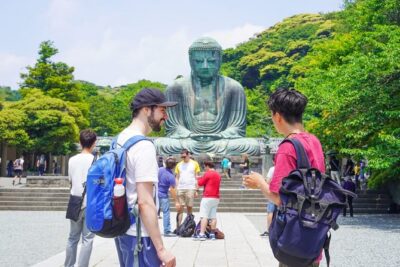 ★ 5.0Kamakura Historical Walking Tour with the Great BuddhaFrom $98129 reviews
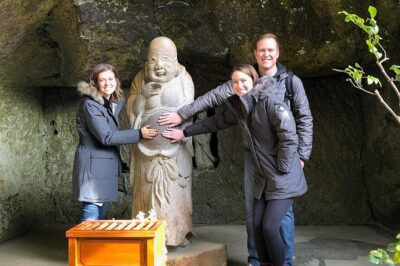 ★ 5.0Kamakura Private Tour: Temples, Nature, and the Great BuddhaFrom $98121 reviews
 ★ 5.0Kamakura Walking Tour – The City of ShogunFrom $35100 reviews
 ★ 4.9Sea of Mount Fuji, Hakone Ropeway, Ōwakudani, EnoshimaFrom $5084 reviews
 ★ 5.0Kamakura 8 hr Private Walking Tour with Licensed Guide from TokyoFrom $20180 reviews
Browse the lists this tour appears in