
Reviewed · KIMONO & PHOTO SESSIONS
Kimono Art Workshop in Tokyo
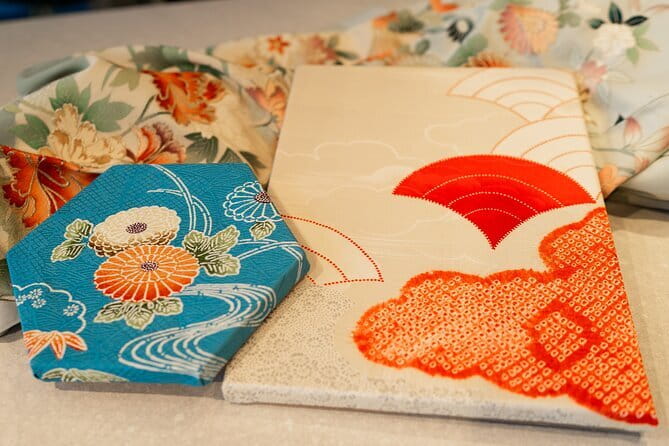
A kimono souvenir without the rush. I love the way this workshop turns vintage kimono fabrics into something new, and you also learn regional pattern styles from across Japan as you create your own art panel. The main consideration: you’re making a panel in about 90 minutes, not trying on a full kimono outfit.
This is a calm, hands-on break from Tokyo’s constant motion. Yuki leads the experience (and her colleague Kasumi is also part of the instruction team), and the pace is friendly for beginners, with clear steps and plenty of guidance.
In This Review
- Kimono Art Workshop Highlights You Should Know
- Why This Workshop Feels Different Than Usual Souvenirs
- The 90-Minute Flow: What Happens During Your Class
- The Instructor Team: Friendly Guidance in English
- Choosing Fabrics: How to Pick Like a Pro (Without Overthinking)
- What You Take Home (And How to Use It)
- Price and Value: Why $58.79 Makes Sense
- Location and Getting There: Hatchobori Meeting Point
- Who This Workshop Suits Best
- Practical Tips to Make Your Panel Look Its Best
- Should You Book This Kimono Art Workshop?
- FAQ
- How long is the kimono art workshop?
- Where does the workshop meet in Tokyo?
- Is hotel pickup included?
- What is included in the price?
- Do I need to bring fabric or supplies?
- Is food or drinks included?
- How big is the group?
- What can I choose during the workshop?
- Is the workshop suitable for beginners?
- Are there any language accommodations?
- Can I get a refund if my plans change?
Kimono Art Workshop Highlights You Should Know
- Vintage textiles become your art panel, so you get a souvenir with a sustainability story
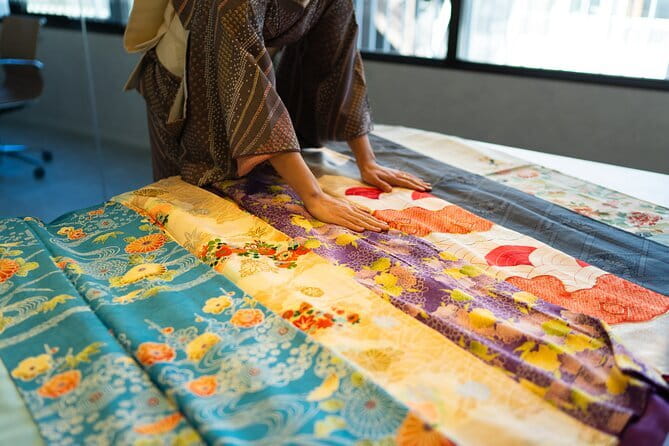
- You choose your fabric and pattern, with options tied to regions like Okinawa, Amami, Kanazawa, and Kyoto
- An instructor explains kimono culture and design meaning, not just how to cut and assemble
- Small group format (up to 6) keeps the class supportive and question-friendly
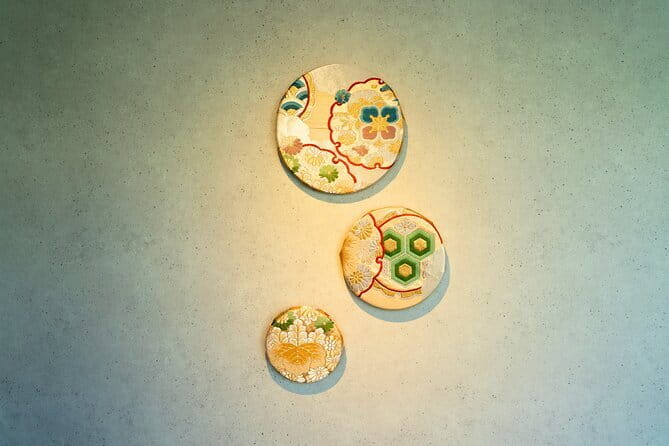
- You leave with wall-ready artwork, designed for decorating or gifting
Why This Workshop Feels Different Than Usual Souvenirs
Tokyo is full of great shopping. But if you want something that feels personal, this type of workshop hits a sweet spot: you’re not just buying a product, you’re making a piece of Japanese design that you understand.
The key idea here is repurposing. You start with authentic vintage kimono fabrics and then use simple techniques to create a finished panel you can take home. That matters because it changes the whole memory. Later, when you hang your panel, you can connect it to what you learned about the textile and the regional style you picked.
More kimono shoots, compared
- Tokyo: Kimono Dressing, Walking, and Photography Session
★ 4.9 · 427 reviews - Let’s make kimono !(Kimono is a gift for you
★ 5.0 · 252 reviews - Tokyo: Matcha and Kimono Experience
★ 4.7 · 219 reviews - Tokyo: Asakusa Kimono Dressing and Matcha Experience
★ 4.9 · 173 reviews
The 90-Minute Flow: What Happens During Your Class
The workshop runs about 1 hour 30 minutes, which is a smart length for a day that already has trains, sights, and meals. You’ll be doing something creative, but it won’t swallow your entire afternoon.
Here’s the typical rhythm based on how the class is described and how it’s taught:
1) Intro to kimono design and regional styles
You’ll get an engaging lecture from a professional kimono expert about the history and cultural significance of kimono, with special attention to signature patterns and regional variations. This is where the workshop becomes more than DIY. It gives context for what you’re choosing and why certain motifs are associated with specific places.
2) Pick your fabric and pattern
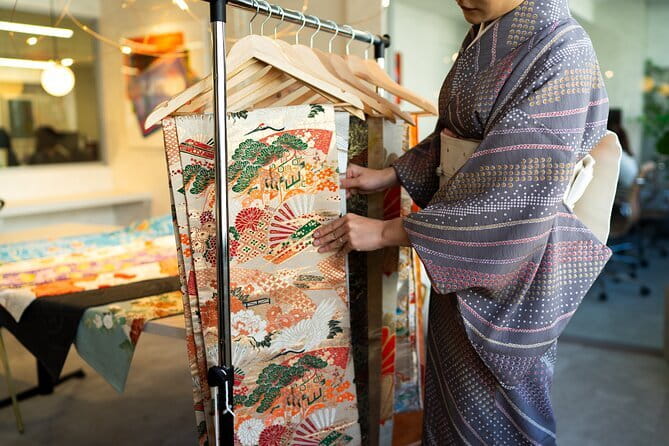
Next, you select from a set of vintage kimono patterns and textiles. The workshop offers named style options linked to different parts of Japan, including:
- Bingata from Okinawa (noted for vibrant design)
- Oshima Tsumugi from Amami (described with an earthy feel)
- Kaga Yuzen from Kanazawa (highlighted as elegant)
- Kyo Yuzen from Kyoto (described as refined)
This step is surprisingly satisfying because you’re making a decision that drives the whole final look. If you’re someone who likes to pick carefully—rather than grabbing the first attractive option—this portion is likely to be your favorite.
3) Create your kimono art panel
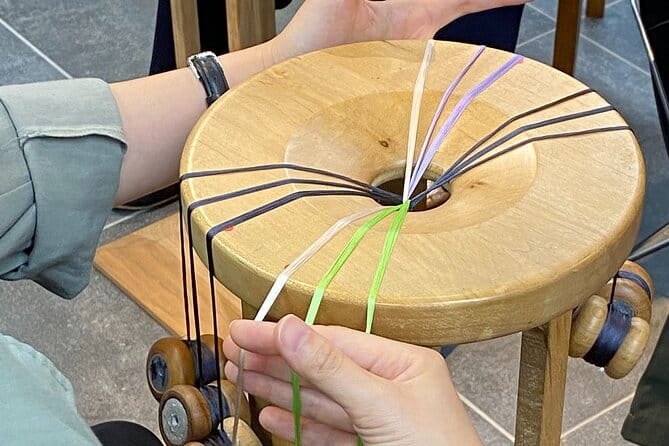
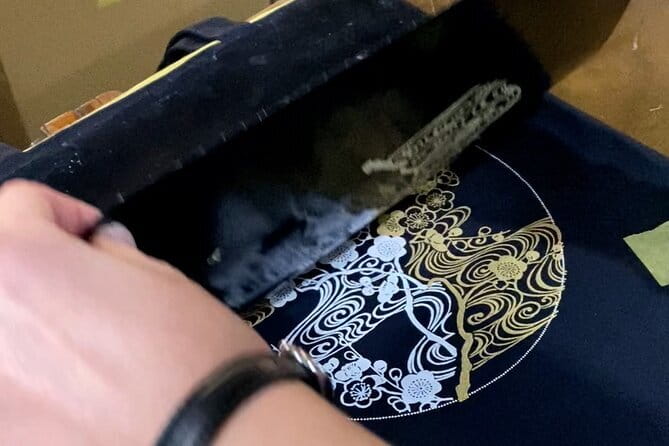
With your instructor guiding you, you repurpose the fabric into a finished panel. The techniques are presented in a beginner-friendly way, and the goal is a clean, satisfying result that you’ll want to display. You’ll also have all materials provided, so you’re not thinking about supplies after you arrive.
The Instructor Team: Friendly Guidance in English
A big reason people enjoy this class is the teaching style. Yuki is specifically mentioned as friendly, helpful, and able to teach in English. Kasumi appears as part of the instruction team as well.
If you don’t speak Japanese well, that matters. You can follow the steps without guessing. You also get help when something looks confusing mid-project, which is what keeps a craft class from turning into frustration.
Choosing Fabrics: How to Pick Like a Pro (Without Overthinking)
You get to choose fabric and pattern from a selection of vintage kimono designs. That can feel like a lot at first, but a simple method helps:
- Pick based on color mood first. If you want something that will pop when framed or hung, lean toward bolder designs like the Bingata-style options.
- Then pick based on texture and tone. If you prefer calmer, grounded looks, consider options described as more earthy (like Oshima Tsumugi).
- If you plan to gift it, choose “safe beautiful.” Elegant or refined patterns (like Kyo Yuzen or Kaga Yuzen styles) tend to be broadly pleasing for family and friends.
The workshop is set up so your choice leads to a real keepsake, not a random craft result. Treat the picking part like selecting a memory.
What You Take Home (And How to Use It)
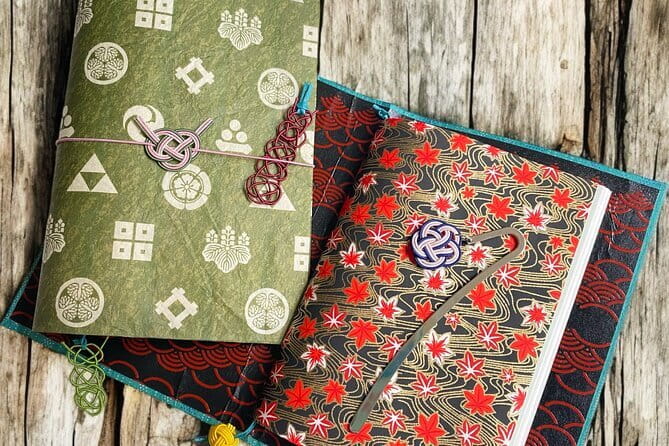
You’ll finish with a kimono art panel made from your chosen fabric. This isn’t just a small craft token. It’s intended as wall decor and also works well as a gift.
Think about placement before you go. If you want it to stand out, plan where it will live—entryway, hallway, or a quiet room where it can be noticed. If you’re traveling with luggage, you’ll also want to consider how you’ll pack it after class (the workshop provides materials, but you’ll still need to protect your finished piece on the way back).
Readers also shortlisted these Tokyo bookings:
- Sushi Making Tokyo Roll and Authentic Japanese Sushi Class★ 5.0 · 3,971 reviews
- Tokyo: Roll and Authentic Sushi Making Class in Asakusa★ 4.9 · 1,957 reviews
- Tokyo Shinjuku Chopsticks Making Class★ 5.0 · 1,763 reviews
- Tokyo: Sushi Making Class in a Happi Coat near a Famous Spot★ 4.9 · 1,377 reviews
- Chopstick Making Workshop in Ginza★ 4.8 · 1,366 reviews
Price and Value: Why $58.79 Makes Sense
At $58.79 per person, this workshop is priced like a real experience, not a quick stop-and-go activity. Here’s what you’re paying for:
- Expert instruction from a kimono specialist
- All materials needed for the panel
- A structured learning component, including cultural context about regional kimono styles
- A finished product you can display later
For comparison, many Tokyo craft activities charge less but also leave you with either unclear guidance or a finished item that doesn’t feel as meaningful. Here, the souvenir is tied to a lesson and to authentic vintage textiles, which gives it staying power.
Also, the booking pace is steady—on average it’s booked about 47 days in advance—so if you’re aiming for a specific time window, don’t wait until the last minute.
Location and Getting There: Hatchobori Meeting Point
The class starts at:
Hatchobori Third 3-chōme-14-4, Chuo City, Tokyo 104-0032, Japan
and ends back at the meeting point.
There’s no hotel pickup and drop-off, so you’ll want to plan your route from where you’re staying. The good news: it’s near public transportation, so it should be manageable even if you’re not near the area.
If you like moving efficiently through Tokyo, this is also nice because the meeting/end point setup keeps the schedule simpler. You show up, create your panel, then you’re free to go eat or explore after.
Who This Workshop Suits Best
This is a great fit if you want:
- A relaxing, hands-on activity to balance a packed Tokyo itinerary
- A souvenir with meaning, not just decoration
- A beginner-friendly craft session with clear guidance
- Cultural learning that connects directly to what you make
It may be less ideal if you’re looking for:
- A longer experience where you learn multiple techniques
- A full kimono wearing experience (this is focused on creating a panel)
- Any activity that includes food or a meal (you’ll need to plan food separately)
Practical Tips to Make Your Panel Look Its Best
You don’t need special prep, but a few choices can improve your experience:
- Wear comfortable clothes. Craft work is usually easier when you can move your arms without worrying about fabric.
- Give yourself buffer time. Tokyo trains are good, but doors and walking take time, especially around smaller meeting points.
- Bring a plan for travel after class. Your art panel will need safe handling on the way back to your hotel or next stop.
Should You Book This Kimono Art Workshop?
Yes—if you want a meaningful Tokyo souvenir and you enjoy learning while you create.
Book it if you like the idea of choosing between recognizable regional kimono textile styles and turning authentic vintage fabric into something you’ll actually hang or gift. The small group size (up to 6) and the supportive instruction style from Yuki (with Kasumi also involved) make it feel comfortable, even when you’re new to crafts.
Hold off if you’re only looking for a quick cultural photo stop, or if you’re expecting a longer workshop or food included. In that case, you might prefer a different type of cultural experience with a bigger time commitment.
FAQ
How long is the kimono art workshop?
It runs for about 1 hour 30 minutes.
Where does the workshop meet in Tokyo?
The start point is Hatchobori Third 3-chōme-14-4, Chuo City, Tokyo 104-0032, Japan, and it ends back at the meeting point.
Is hotel pickup included?
No. Hotel pickup and drop-off are not included.
What is included in the price?
The price includes the workshop participation fee, instruction by a kimono expert, and all materials needed to create your art panel.
Do I need to bring fabric or supplies?
No. All materials necessary for creating your art panel are provided.
Is food or drinks included?
No. Food and drinks are not included.
How big is the group?
The workshop has a maximum of 6 travelers.
What can I choose during the workshop?
You can select your favorite fabric and pattern from a selection of vintage kimono patterns.
Is the workshop suitable for beginners?
Most travelers can participate, and the workshop is guided with simple techniques and instruction.
Are there any language accommodations?
The instructors are described as teaching in English, including Yuki-san.
Can I get a refund if my plans change?
You can cancel for a full refund if you cancel up to 24 hours in advance of the experience’s start time.
More Workshops in Tokyo
- Sushi Making Tokyo Roll and Authentic Japanese Sushi Class
★ 5.0 · 3,971 reviews - Tokyo: Roll and Authentic Sushi Making Class in Asakusa
★ 4.9 · 1,957 reviews - Tokyo Shinjuku Chopsticks Making Class
★ 5.0 · 1,763 reviews - Tokyo: Sushi Making Class in a Happi Coat near a Famous Spot
★ 4.9 · 1,377 reviews - Chopstick Making Workshop in Ginza
★ 4.8 · 1,366 reviews
More Tour Reviews in Tokyo
- Mt Fuji and Hakone 1-Day Bus Tour Return by Bullet Train
★ 5.0 · 26,383 reviews - 1-Day Tokyo Bus Tour
★ 5.0 · 14,250 reviews - Tokyo: teamLab Planets TOKYO Digital Art Museum Entry Ticket
★ 4.6 · 9,779 reviews - Mt Fuji & Hakone Cruise, Drum Show Bullet Train 1 Day from Tokyo
★ 4.0 · 7,413 reviews - Tokyo: Shinjuku Food Tour (13 Dishes at 4 Local Eateries)
★ 5.0 · 6,603 reviews
More Kimono Photo Shoots
- Tokyo: Kimono Dressing, Walking, and Photography Session
★ 4.9 · 427 reviews - Let’s make kimono !(Kimono is a gift for you
★ 5.0 · 252 reviews - Tokyo: Matcha and Kimono Experience
★ 4.7 · 219 reviews - Tokyo: Asakusa Kimono Dressing and Matcha Experience
★ 4.9 · 173 reviews - Asakusa: Kimono Tea Ceremony with Matcha and Sweet
★ 4.9 · 153 reviews
Latest Tokyo reviews off our desk






Kimono & Photo Sessions, compared.
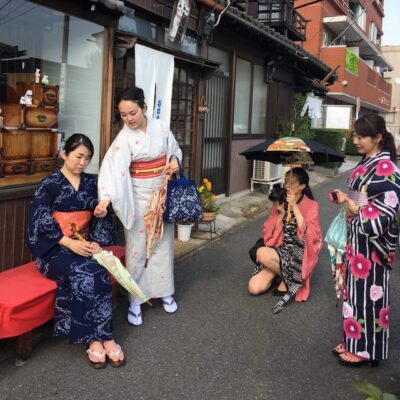 ★ 4.9Kimono Dressing, Walking, and Photography SessionFrom $67427 reviews
 ★ 5.0Let’s make kimono !(Kimono is a gift for youFrom $43252 reviews
 ★ 4.7Matcha and Kimono ExperienceFrom $57219 reviews
 ★ 4.9Asakusa Kimono Dressing and Matcha ExperienceFrom $56173 reviews
 ★ 4.9Asakusa: Kimono Tea Ceremony with Matcha and SweetFrom $66153 reviews
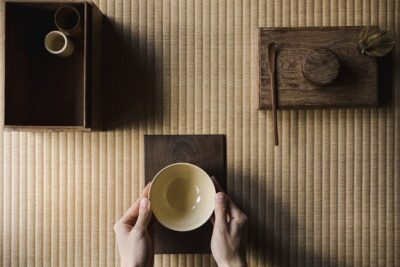 ★ 5.0Matcha Kimono Tea Ceremony in TokyoFrom $59104 reviews
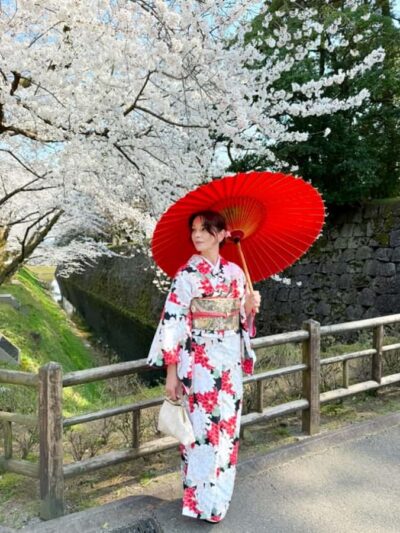 ★ 4.7Tokyo Asakusa: Traditional Kimono Rental Experience at WargoFrom $3387 reviews
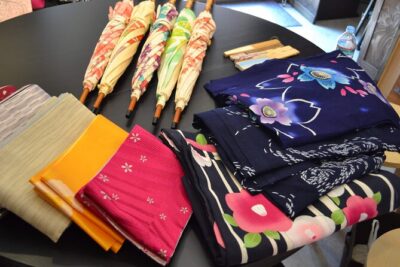 ★ 5.0Authentic Kimono Culture Experience Dress, Walk, and CaptureFrom $7157 reviews
Browse the lists this tour appears in