
Reviewed · COOKING CLASSES
Mochi and Nerikiri Wagashi Combination Cooking Class
Mochi lessons feel like a quiet side street in Tokyo. This private, in-home wagashi class in Ota City is hands-on from start to finish, and you’ll make three types of mochi and wagashi while learning the story behind them. You also get matcha green tea as part of the experience, either to eat right away or to pair with your take-home sweets.
The biggest thing I like: the pace is patient and beginner-friendly, so you’re shaping dough, not just watching. You’ll also get strong personal attention in a local home setting rather than a crowded workshop. One consideration: the host’s home has two short hair cats that stay in the bedroom during the lesson, so if you have cat allergies, this may not be a good fit.
In This Review
- Key Highlights You’ll Actually Care About
- Why an In-Home Mochi and Nerikiri Class Changes the Whole Experience
- Meet Your Host in Ota City and Get Set Up Like a Local
- The Mochi Part: Glutinous Rice Flour, Daifuku, and Dango Skewers
- Nerikiri Wagashi Shaping: Seasonal Motifs and a Quick Video Tutorial
- Matcha Pairing, Eating Your Sweets, and Using the Special Takeaway Box
- Price and Value: What You’re Really Paying For at $85.66
- Tips to Make Your Mochi Shaping Smoother (and Your Photos Better)
- Who Should Book This Wagashi Workshop (and Who Might Skip It)
- Should You Book Mochi and Nerikiri Wagashi Combination Cooking Class?
- FAQ
- What will I make during the class?
- How long is the Mochi and Nerikiri Wagashi class?
- Is the class suitable for vegetarians?
- Can I eat what I make, or do I have to take it home?
- Do I get matcha during the experience?
- What’s included in the price?
- Is transportation provided?
- What should I know about the home where the class takes place?
Key Highlights You’ll Actually Care About
- Private, in-home setting about 15 minutes from central Tokyo, so it’s calmer than big group cooking tours
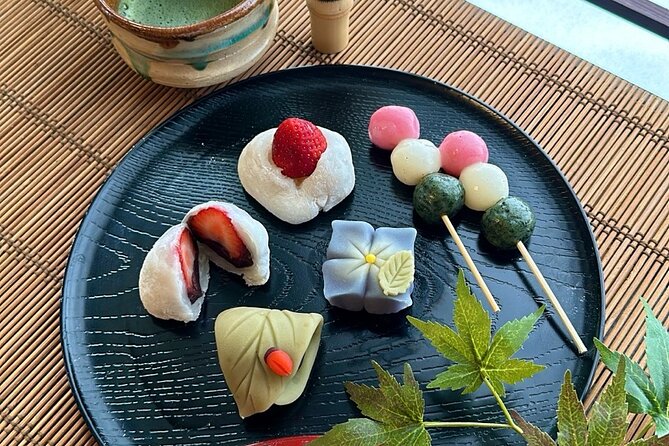
- Three mochi/wagashi creations including strawberry daifuku (with seasonal fruit swap) and dango skewers
- Nerikiri wagashi shaping with seasonal motifs and extra tutorial support
- Matcha pairing: you make it with guidance and can enjoy your sweets or take them in a special box
- Photogenic help: the host helps with plating so your sweets look as good as they taste
- Beginner-friendly recipes with ingredients you can find after you return home
Why an In-Home Mochi and Nerikiri Class Changes the Whole Experience
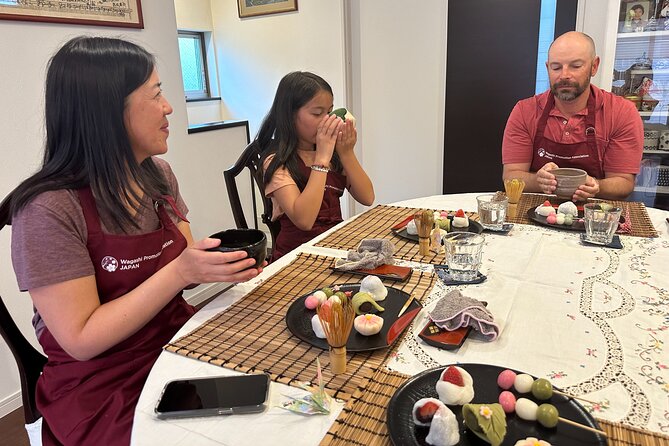
Tokyo wagashi experiences can be great, but many feel like a factory tour with tasting at the end. This one flips the script. You’re in a local’s cozy home in Ota City—meeting at 20-15 Kitaminemachi—and the atmosphere is quiet enough that you can actually focus on texture, timing, and shaping.
What makes it work so well is the format: it’s a private cooking class for your group only, not a shared table where everyone scrambles to catch the host’s attention. That matters for mochi and nerikiri, because both are very hands-on. You’re dealing with dough consistency, sticky surfaces, and the little technique changes that separate edible-but-messy from beautiful-and-satisfying.
I also like that the class is built for beginners. You’re not expected to have pastry skills. The recipes are described as simple and easy to recreate, and that’s exactly what you want if the goal is to make this again back home rather than treat it as a one-off souvenir.
The day also doesn’t ignore context. You’ll learn the history of mochi and how mochi gets eaten in different ways. That makes the work feel purposeful, not random. You’re not just copying shapes; you’re understanding why these sweets exist and how they fit into Japanese food culture.
And yes, you’ll eat the results. Matcha is part of the experience, and you’ll get a chance to either enjoy your creations right there or pack them up in a special takeaway box.
Readers also shortlisted these Tokyo bookings:
- Ramen & Gyoza Cooking Class in Tokyo with Local Supermarket Visit
★ 5.0 · 823 reviews - Tokyo: Easy Ramen Cooking Experience in Kabukicho, Shinjuku
★ 4.6 · 321 reviews - Ramen and Sushi Cooking Class with Sake Pairing Set in Tokyo
★ 5.0 · 291 reviews - Tokyo: Wagyu and 7 Japanese Dishes Cooking Class
★ 4.9 · 273 reviews
Meet Your Host in Ota City and Get Set Up Like a Local
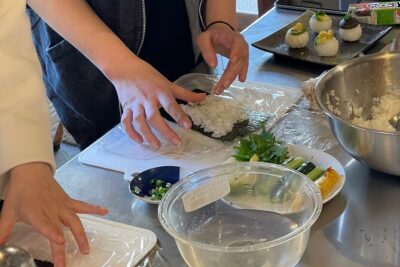
You’ll start at the meeting point in Ota City (20-15 Kitaminemachi) and then head into the home setting where the lesson takes place. The experience is designed to feel close and practical—think apron-on, hands washed, tools ready—rather than a formal demonstration.
The included setup is smart for first-timers. You get a free apron, a hand towel, special tools for wagashi making, and drinking water. Having the right tools matters in wagashi because small shapes and clean cuts are easier when you’re using the same utensils the host uses.
You’ll also get help that goes beyond technique. In the feedback I received, people specifically mentioned that Satoko-san (the host) is kind and patient, and that she helps plate the sweets so they come out photogenic. That’s not just for social media. Good plating helps you understand what you made—where the motif sits, how the sweetness is served, and what the final texture should look like.
One more homey detail: the motifs for nerikiri wagashi are seasonal and are changed accordingly. The dough itself is made and colored in advance, so you’re not stuck cooking pigments or waiting for batches to finish. You still get to shape and decorate, but the class avoids the part that would turn a 2.5-hour workshop into a multi-day project.
The Mochi Part: Glutinous Rice Flour, Daifuku, and Dango Skewers
This class isn’t just one mochi. You learn mochi fundamentals and then use that mochi to create multiple styles of Japanese sweets.
First, you’ll learn how to make mochi using glutinous rice flour. That step is the foundation. Mochi can be intimidating if you’ve only seen it done by machines or by chefs with perfect timing. Here, you’re taught through hands-on guidance so you learn what the dough should feel like as it comes together.
Then you use your mochi to make:
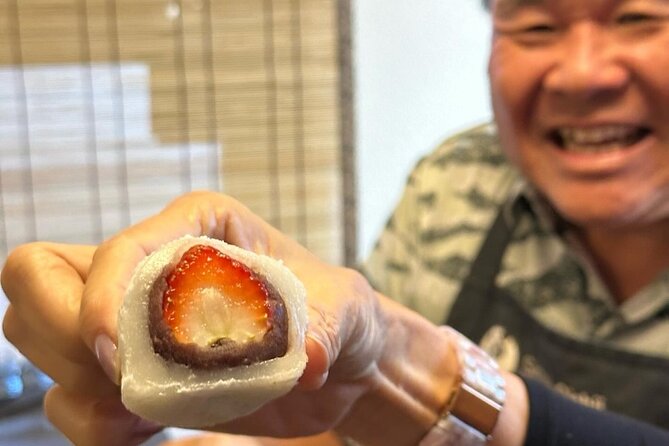
- Strawberry daifuku, with fruit adjustment when strawberries are out of season
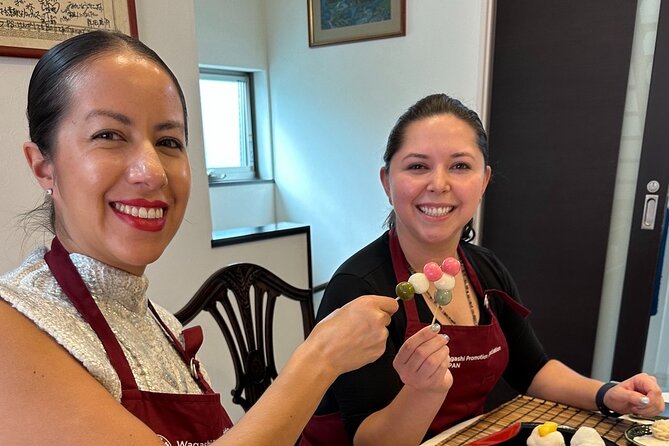
- Dango, which are mochi balls served on skewers
A key practical detail: the class notes that if it’s not strawberry season, they use pineapple or kiwi instead. That’s a good reminder that wagashi is seasonal by nature. It also means you’re learning the technique rather than relying on one specific fruit that might not be available all year.
Daifuku is where you get a real sense of mochi technique. You’re building a sweet that needs to hold together but still feel tender when bitten. Dango is different—more about portioning and skewering mochi balls so they look right and cook or set properly.
What I find valuable here is that you’re learning how mochi behaves in different forms. Mochi dough can be a single ingredient, but once it becomes daifuku versus dango versus other shapes, your handling changes. You leave with a mental map of how to adapt the same base into different sweets.
Also, the recipes are described as simple and repeatable with ingredients that are made from plant-based products. If you’re traveling with vegetarian preferences, this matters. The class states it’s appropriate for vegetarians because of the plant-based ingredients used.
Nerikiri Wagashi Shaping: Seasonal Motifs and a Quick Video Tutorial
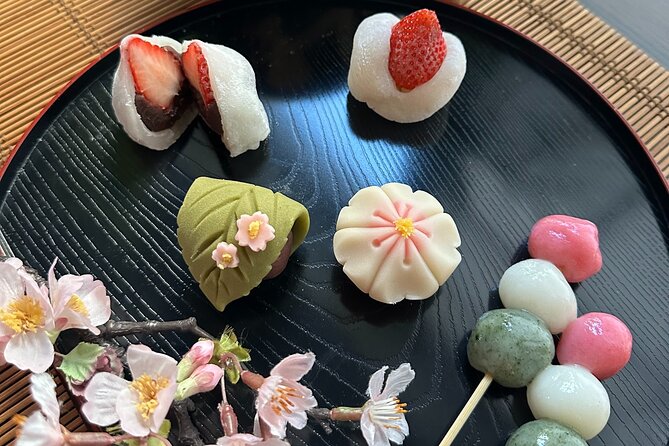
Nerikiri wagashi is the artistic sibling of mochi sweets. It’s kneaded dough shaped into seasonal motifs, often with smooth, refined contours. This class includes two kinds of nerikiri wagashi, and it’s where the workshop leans into careful shaping.
Here’s how the class supports beginners: while the dough is made and colored in advance, you’re still doing the shaping work yourself. And you’ll have access to a tutorial video to guide you through the technique. That’s a big deal if you’re someone who learns better when you can rewatch the steps rather than just relying on memory while your hands are busy.
The motifs change by season, so you’re not making generic shapes. You’ll learn how to shape the dough into a seasonal motif, which gives you a more meaningful souvenir. Instead of a random “cute sweet,” you’re making something linked to the time of year.
Nerikiri can look intimidating because the final designs are intricate. But the format here reduces pressure. You get the structure of the technique, plus the stability of pre-colored dough, and then you add your hands-on work to bring the motif to life.
If you care about presentation, you’ll like this part. The class feedback emphasized that Satoko-san helps with plating and makes the process photogenic. When you’ve shaped something delicate, you want the final presentation to match the effort—and this class is clearly set up to help you get there.
Matcha Pairing, Eating Your Sweets, and Using the Special Takeaway Box
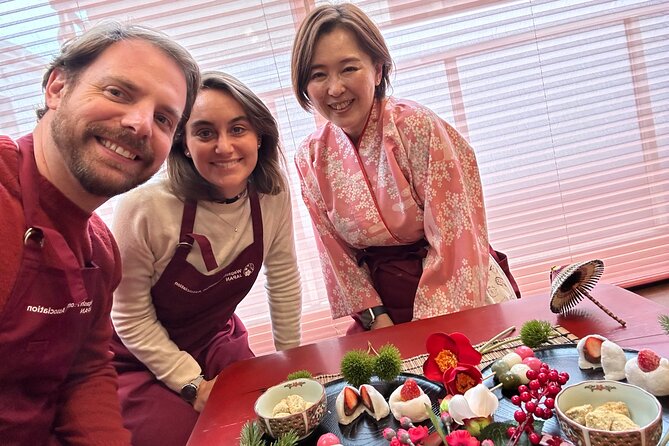
After the making, you get to enjoy what you made. You’ll have matcha green tea, and the class includes guidance so you’re not just given a cup—you’re involved in the process too.
You can choose how you experience the sweets:
- Eat them in the class with the matcha you make
- Take them home in a special box
That takeaway box is more than convenience. Mochi and wagashi are best when handled with care, and the special packaging helps you transport them without turning your afternoon into a sticky mess.
Matcha is also a balancing move. Sweet wagashi pairs well with matcha’s earthy bitterness, which helps cleanse the palate. You’ll get that familiar Japanese combo feeling, but in a way where you understand what you actually made and why the pairing works.
And because the class is described as beginner-friendly and built with simple recipes, you’ll likely feel confident tasting your own outcomes, not just evaluating what the host cooked.
One more bonus: you’re not limited to eating only. The class also notes you can receive a Japanese gift as a souvenir. That can be a nice touch if you want something small to remember the day beyond the edible part.
Readers also shortlisted these Tokyo bookings:
- Sushi Making Tokyo Roll and Authentic Japanese Sushi Class★ 5.0 · 3,971 reviews
- Tokyo: Roll and Authentic Sushi Making Class in Asakusa★ 4.9 · 1,957 reviews
- Tokyo Shinjuku Chopsticks Making Class★ 5.0 · 1,763 reviews
- Tokyo: Sushi Making Class in a Happi Coat near a Famous Spot★ 4.9 · 1,377 reviews
- Chopstick Making Workshop in Ginza★ 4.8 · 1,366 reviews
Price and Value: What You’re Really Paying For at $85.66
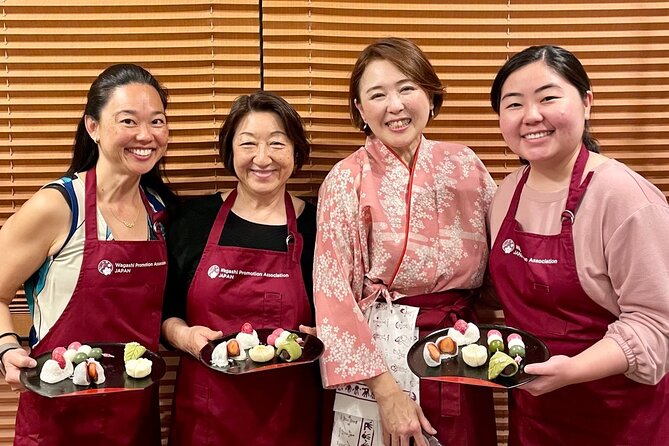
At $85.66 per person for about 2 hours 30 minutes, this class isn’t trying to be the cheapest option in Tokyo. It’s priced more like an experience with real attention built in.
Here’s where the value lands for me:
- You get a private, in-home lesson for your group only, which is harder to replicate with larger cooking schools
- You make multiple items: three types of mochi/wagashi creations plus two kinds of nerikiri, and you also make matcha
- The class provides tools and materials (apron, towel, wagashi tools, special box, drinking water), so you’re not paying extra for basic supplies
- The host includes history and technique context, which makes the whole experience more than just eating sweets
So yes, you’re paying for instruction. But you’re also paying for the setting—calm, local, and personalized. Tokyo can be expensive, and sometimes the difference between a workshop and a true experience is simply who’s teaching you and how much time you get with them. This class is designed around that.
One more “value” point that people often ignore: the class emphasizes you can recreate the recipes at home. If you leave with the ability to make something again, you’re not just buying a snack. You’re buying skills, plus the satisfying memory of making them.
Tips to Make Your Mochi Shaping Smoother (and Your Photos Better)
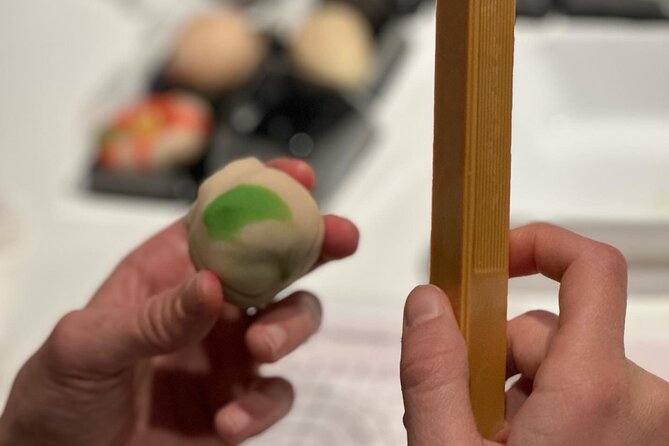
If you want to enjoy the class without feeling stressed, come in with the right mindset. Mochi and nerikiri are tactile, and the work benefits from patience.
A few practical tips based on how this kind of lesson is structured:
- Expect sticky moments when making mochi from glutinous rice flour. That’s normal. Plan to relax and follow the host’s pacing.
- When shaping nerikiri motifs, use the tutorial video as a reference while you work. Don’t try to memorize everything at once.
- If your priority is presentation, pay attention to how the host helps with plating. In the feedback I saw, Satoko-san actively helps make the sweets look photogenic.
- Decide early whether you’ll eat right away or take everything in the special box. Either way is fine, but it affects how you think about timing and handling.
Also, remember the fruit swap for daifuku if it’s not strawberry season. If you’re hoping for a specific fruit flavor, ask or expect that they may use pineapple or kiwi instead. The technique is the main lesson, and the class reflects seasonal reality.
Finally, plan your day so you’re not rushing to your next stop right after the class. You’ll want a little time to enjoy matcha and your sweets, and then to deal gently with your takeaway if you choose that option.
Who Should Book This Wagashi Workshop (and Who Might Skip It)
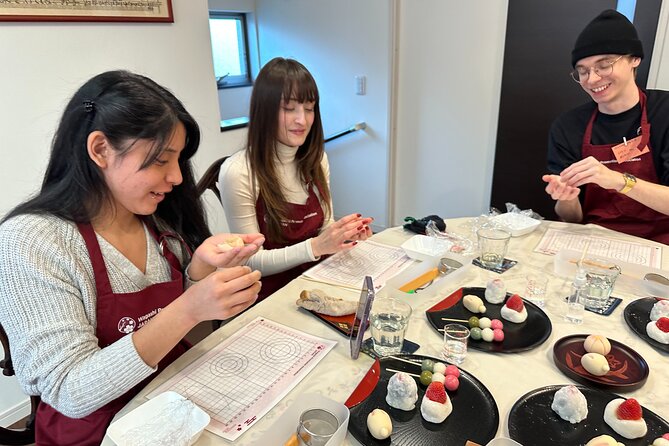
This is a great fit if you:
- want a beginner-friendly hands-on cooking class
- are interested specifically in mochi and nerikiri wagashi, not just general Japanese sweets
- like learning the cultural story, including mochi history and ways it’s eaten
- care about plant-based ingredients and would like a vegetarian-appropriate option
It may be less ideal if:
- you have cat allergies, because two short hair cats stay in the bedroom during the lesson
- you’re looking for a large-city, high-energy experience. This is described as a tranquil escape about 15 minutes from the city, and the home setting is the point.
If you’re traveling with a group, it’s also a nice choice because it’s set up as a private tour/activity—your group participates together, and you’re not competing with strangers for instruction.
Should You Book Mochi and Nerikiri Wagashi Combination Cooking Class?
Book it if you want to leave Tokyo with more than photos—if you want hands-on technique in mochi + nerikiri, plus matcha and a take-home option. The private, in-home setup and the kind, patient teaching style (with plating help) are exactly the ingredients that make this kind of class worth the time.
Skip it if cat allergies are a problem, or if you’d rather spend your time in larger, more public settings. And if you’re only interested in eating wagashi and not making it, you’ll probably feel better choosing a tasting-focused plan instead.
FAQ
What will I make during the class?
You’ll learn to make mochi using glutinous rice flour, then make strawberry daifuku (with pineapple or kiwi if strawberries are out of season), dango skewers, and two kinds of nerikiri wagashi with seasonal motifs.
How long is the Mochi and Nerikiri Wagashi class?
The class is about 2 hours 30 minutes.
Is the class suitable for vegetarians?
Yes. The class notes that the recipes use plant-based products and are appropriate for vegetarians.
Can I eat what I make, or do I have to take it home?
You can do either. You can taste your creations with matcha during the class, or take them home in a special box.
Do I get matcha during the experience?
Yes. You’ll enjoy matcha green tea with your host, and you’ll be guided in making it.
What’s included in the price?
Included items are an apron (free rental), hand towel, special tools for wagashi making, a special box for takeaway, and drinking water.
Is transportation provided?
No. Private transportation is not included. The meeting point is near public transportation.
What should I know about the home where the class takes place?
The home has two short hair cats that stay in the bedroom during the lesson. If you have strong cat allergies, this may not be recommended.
More Workshops in Tokyo
- Sushi Making Tokyo Roll and Authentic Japanese Sushi Class
★ 5.0 · 3,971 reviews - Tokyo: Roll and Authentic Sushi Making Class in Asakusa
★ 4.9 · 1,957 reviews - Tokyo Shinjuku Chopsticks Making Class
★ 5.0 · 1,763 reviews - Tokyo: Sushi Making Class in a Happi Coat near a Famous Spot
★ 4.9 · 1,377 reviews - Chopstick Making Workshop in Ginza
★ 4.8 · 1,366 reviews
More Cooking Classes in Tokyo
- Ramen & Gyoza Cooking Class in Tokyo with Local Supermarket Visit
★ 5.0 · 823 reviews - Tokyo: Easy Ramen Cooking Experience in Kabukicho, Shinjuku
★ 4.6 · 321 reviews - Ramen and Sushi Cooking Class with Sake Pairing Set in Tokyo
★ 5.0 · 291 reviews - Tokyo: Wagyu and 7 Japanese Dishes Cooking Class
★ 4.9 · 273 reviews - Tokyo Washoku 4-hour Cooking Class: From Market to Table
★ 5.0 · 253 reviews
More Tour Reviews in Tokyo
- Mt Fuji and Hakone 1-Day Bus Tour Return by Bullet Train
★ 5.0 · 26,383 reviews - 1-Day Tokyo Bus Tour
★ 5.0 · 14,250 reviews - Tokyo: teamLab Planets TOKYO Digital Art Museum Entry Ticket
★ 4.6 · 9,779 reviews - Mt Fuji & Hakone Cruise, Drum Show Bullet Train 1 Day from Tokyo
★ 4.0 · 7,413 reviews - Tokyo: Shinjuku Food Tour (13 Dishes at 4 Local Eateries)
★ 5.0 · 6,603 reviews
Latest Tokyo reviews off our desk




Cooking Classes, compared.
 ★ 5.0Ramen & Gyoza Cooking Class in Tokyo with Local Supermarket VisitFrom $122823 reviews
 ★ 4.6Easy Ramen Cooking Experience in Kabukicho, ShinjukuFrom $29321 reviews
 ★ 5.0Ramen and Sushi Cooking Class with Sake Pairing Set in TokyoFrom $79291 reviews
 ★ 4.9Wagyu and 7 Japanese Dishes Cooking ClassFrom $67273 reviews
 ★ 5.0Tokyo Washoku 4-hour Cooking Class: From Market to TableFrom $79253 reviews
 ★ 5.0Small-Group Wagyu Beef and 7 Japanese Dishes Tokyo Cooking ClassFrom $72190 reviews
 ★ 5.0Private Home Cooking in Yanaka – Local Flavors in a Warm SettingFrom $122173 reviews
 ★ 5.0Tokyo Sushi Making Experience & Japanese Cooking ClassFrom $59150 reviews
Browse the lists this tour appears in