
Reviewed · COOKING CLASSES
Okonomiyaki & Gyoza Cooking Class with Local Supermarket Visit
Small-group cooking in Tokyo feels personal fast. You’ll make okonomiyaki and gyoza with an expert host, then eat what you cook for a proper lunch.
The best part for me is the hands-on, ingredient-focused flow: a short food culture talk, then steady time at the stove. A guided local supermarket stop can follow too, plus there’s a one-way taxi ride included to help with getting around.
One thing to keep in mind is that this class runs out of a residential neighborhood home, so it’s not a “walk in and out of a landmark” kind of experience. You’ll start and end back at the meeting point, and the taxi is only one way, so plan your next move after the class ends.
In This Review
- Key highlights to look for
- YUCa’s home kitchen in Arakawa City: why this setup works
- What you’ll cook: okonomiyaki + gyoza (and why learning both helps)
- Okonomiyaki: the savory pancake logic
- Gyoza: dumpling-making with a focused filling
- The 2.5-hour flow: lecture, hands-on cooking, and tasting
- The short lecture: what it’s really for
- Cooking and tasting: where the value is
- Lunch you actually get to eat (not just watch)
- Optional supermarket tour: how it turns recipes into real grocery shopping
- One-way taxi matters here
- Price and value: $121.89 for cooking, lunch, and a small-group day
- Who should book this okonomiyaki and gyoza class
- Practical tips to make your day smoother
- Should you book this class in Tokyo?
- FAQ
- What dishes are included in the cooking class?
- How long is the experience?
- Is lunch included?
- Where does the class meet?
- Is the supermarket tour included?
- How big is the group?
- Is there a taxi included?
- What is the cancellation policy?
Key highlights to look for
- Two-dish menu: you learn both okonomiyaki and gyoza, not just one
- Small group size: capped at 7 travelers for more hands-on time
- Lunch included: you don’t leave hungry after cooking
- One-way taxi included: built-in help for local logistics
- Optional supermarket tour: add a local grocery stop after cooking
- Home-kitchen setting in Arakawa City: a more everyday feel than a restaurant class
YUCa’s home kitchen in Arakawa City: why this setup works
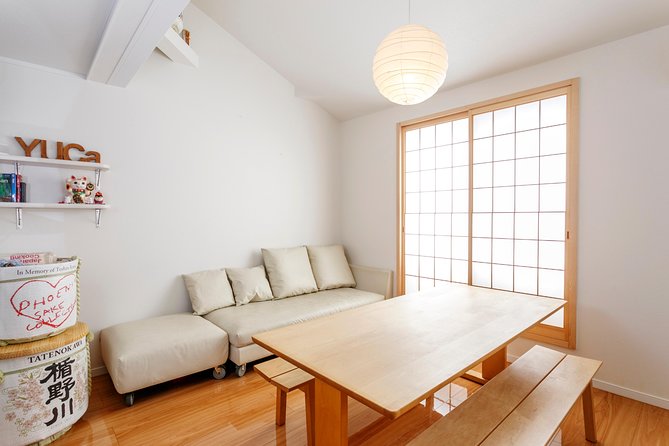
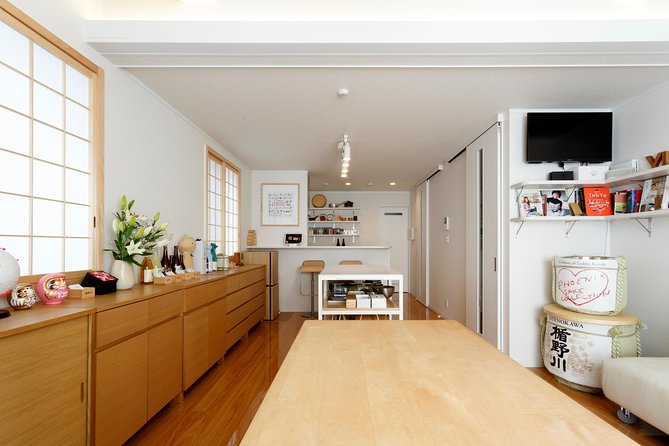
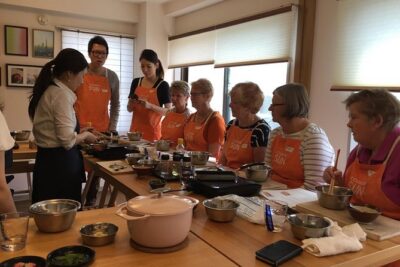
If you’re choosing between a flashy show-and-watch class and something more useful, this one leans practical. The experience takes place at YUCa’s Japanese Cooking in Nishiogu (Arakawa City). You’re meeting at a specific studio address, and the whole day is organized around cooking in a real home-style environment rather than a big culinary classroom.
I like that because it changes the pace. You’re not just observing technique from a distance. You’re working with guidance as you go—mixing, shaping, cooking, and tasting—so the skills actually stick. And in the small-group format (maximum 7 people), you’re more likely to get the kind of feedback that helps your first attempt not feel like a guessing game.
There’s also an English-friendly factor. The host has strong English skills, and that matters here because Japanese cooking is detail-heavy. Even small instruction changes—timing, texture, how to handle fillings—can be the difference between dumplings that hold together and dumplings that turn into tasty chaos.
Readers also shortlisted these Tokyo bookings:
- Ramen & Gyoza Cooking Class in Tokyo with Local Supermarket Visit
★ 5.0 · 823 reviews - Tokyo: Easy Ramen Cooking Experience in Kabukicho, Shinjuku
★ 4.6 · 321 reviews - Ramen and Sushi Cooking Class with Sake Pairing Set in Tokyo
★ 5.0 · 291 reviews - Tokyo: Wagyu and 7 Japanese Dishes Cooking Class
★ 4.9 · 273 reviews
What you’ll cook: okonomiyaki + gyoza (and why learning both helps)
This class teaches two classic Japanese dishes that use different techniques, so you get real range with just a half-day commitment.
Okonomiyaki: the savory pancake logic
Okonomiyaki is described as a Japanese savory pancake with vegetables, pork, and egg noodles. That mix is important: it’s not a plain batter situation. You’re learning how the components come together so you get a cohesive pancake, with enough structure to flip or cook properly, plus enough flavor to feel complete.
This dish is also a great “home cooking” target later. The ingredients are generally straightforward to find (or substitutes exist), and the method teaches you how to think about texture and doneness rather than copying a single recipe blindly.
Gyoza: dumpling-making with a focused filling
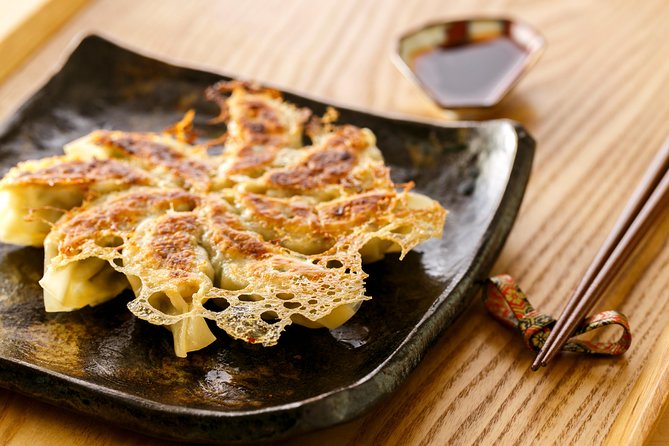
Gyoza here is described as dumplings with minced pork and vegetables. Dumplings are all about assembly and control: filling distribution, forming, and cooking so they turn out well rather than unevenly cooked.
Learning gyoza in a small class is especially useful because it forces you to practice the hands-on part. The more you form and cook, the easier it becomes to repeat at home. And if you’ve ever tried gyoza from a package and wondered why restaurant dumplings taste better, this is the kind of class that helps close that gap.
The 2.5-hour flow: lecture, hands-on cooking, and tasting
The schedule is built to keep momentum. You’re not sitting around for long stretches, and you’re not thrown into chaos before you understand the basics.
Here’s the run-of-show you can expect:
- 9:50–10:00 meeting (the session starts around 10:00 am)
- 10:15–10:30 lecture on Japanese food culture and ingredients
- 10:30–12:30 cooking and tasting
- 12:30–13:00 optional supermarket tour
- The activity ends back at the meeting point
Readers also shortlisted these Tokyo bookings:
- Sushi Making Tokyo Roll and Authentic Japanese Sushi Class★ 5.0 · 3,971 reviews
- Tokyo: Roll and Authentic Sushi Making Class in Asakusa★ 4.9 · 1,957 reviews
- Tokyo Shinjuku Chopsticks Making Class★ 5.0 · 1,763 reviews
- Tokyo: Sushi Making Class in a Happi Coat near a Famous Spot★ 4.9 · 1,377 reviews
- Chopstick Making Workshop in Ginza★ 4.8 · 1,366 reviews
The short lecture: what it’s really for
That 15-minute lecture might look brief, but it’s smart. It gives you context for what you’re about to cook and helps you recognize key ingredients and decisions as you work. Food culture talk can easily feel theoretical, but in this format it’s timed so you can use it right away at the stove.
Cooking and tasting: where the value is
The heavy chunk is 10:30–12:30, so you get time for both prep and cooking, not just one “demo dish.” You’ll also taste what you make, which is the fastest way to learn. If something tastes off, you can link that to what you did ten minutes earlier.
And because the group is capped at 7, the host can keep an eye on everyone’s progress. That’s a big deal for first-timers. Cooking classes that feel stressful usually lack that kind of attention.
Lunch you actually get to eat (not just watch)
The experience includes lunch, and the wording around it is clear: no hunger pangs. That matters because dumpling and pancake classes can be long if you’re hungry, distracted, or rushing food afterward.
Having lunch tied to your cooking does two things:
- It makes the tasting portion feel satisfying, not awkward.
- It reinforces what “good” tastes like for the dish you just practiced.
Even if you’re not a big eater, it’s still a value win. You’re not budgeting extra food on a day you already paid for a guided meal experience.
Optional supermarket tour: how it turns recipes into real grocery shopping
The supermarket stop runs 12:30–13:00 and is labeled optional. If you add it, you’re not just learning what the dishes are. You’re learning how to find the ingredients in Tokyo, including items you might not think to look for in a standard supermarket back home.
This is where you get the practical “what do I buy next time?” part of the experience. Cooking classes often stop at “Here’s the recipe.” A supermarket visit helps you connect the recipe to real shelves and real labels.
One-way taxi matters here
A one-way taxi ride is included as part of the day. I see that as value, not fluff. It reduces the risk of wasting energy on transfers in the middle of a scheduled cooking block. It also helps you stay focused on the food instead of treating the day like a transit puzzle.
Just remember: the tour ends back at the meeting point, so you’ll still want your own plan after you’re done.
Price and value: $121.89 for cooking, lunch, and a small-group day
At $121.89 per person, this isn’t the cheapest activity in Tokyo. But it’s also not priced like a restaurant meal for two with no skills attached. You’re paying for a structured, small-group, hands-on cooking day with:
- two dishes (okonomiyaki and gyoza)
- lunch included
- a lecture component about ingredients and food culture
- an included one-way taxi ride
- an optional supermarket tour
When I evaluate value, I look at “time you spend doing the thing.” Here, the core cooking block is two hours, and the group cap at 7 helps make that time count. If you’ve ever done a large-group class where you only get a few minutes of real station time, you’ll appreciate this format more than you think.
Also, the home-kitchen setting tends to deliver better instruction quality for the money because the host can manage the room directly. If you care about learning techniques you can repeat, this price feels more reasonable than “I ate something good” experiences.
Who should book this okonomiyaki and gyoza class
This works best if you want:
- hands-on cooking skills, not just photos
- an English-friendly host guiding you step by step
- a small group vibe (max 7)
- a lunch included meal that comes from your own cooking
- the option to top it off with a supermarket ingredient walk
It’s also a nice choice for families, based on past experiences shared about kids participating comfortably. If you’re traveling with a child who enjoys cooking, this kind of guided, active format can be a lot more engaging than a long sightseeing day.
Practical tips to make your day smoother
A few things will help you get the most out of the experience:
- Arrive on time for the 9:50–10:00 meeting window. Cooking classes don’t like late starts.
- Ask questions early during the 10:15–10:30 lecture. That’s when you can clear up confusion before hands-on time begins.
- Expect a residential neighborhood setting. Wear comfortable shoes and plan your transit around being back near the meeting point after.
- If you’re adding the supermarket stop, bring a curious grocery mindset. Your goal is to learn what you can buy and recognize later, not just browse.
- Go hungry for the cooking block, not after. Lunch is included, but you still want the energy to enjoy the tasting part.
Should you book this class in Tokyo?
If you want a Tokyo food experience that ends with actual skills, I’d book it. Two dishes, lunch included, small-group instruction, and an optional supermarket visit is a strong set of value drivers for $121.89.
Skip it only if you’re looking for a purely sightseeing day or you dislike cooking-focused activities. Also, if your schedule depends on leaving the area immediately at the end, note that the day wraps back at the meeting point and the taxi is only one way.
For most people, this is the kind of class that makes Japan stick in your head for more than a day.
FAQ
What dishes are included in the cooking class?
You’ll learn how to make okonomiyaki and gyoza.
How long is the experience?
The duration is about 2 hours 30 minutes.
Is lunch included?
Yes. A delicious lunch is included, so you shouldn’t need to eat beforehand or worry about hunger after.
Where does the class meet?
The meeting point is YUCa’s Japanese Cooking, 2-chōme-34-8 Nishiogu, Arakawa City, Tokyo 116-0011, Japan.
Is the supermarket tour included?
The supermarket tour is listed as optional and runs from about 12:30 to 13:00.
How big is the group?
The tour has a maximum of 7 travelers.
Is there a taxi included?
Yes, there is a one-way taxi ride included.
What is the cancellation policy?
You can cancel for a full refund if you cancel at least 24 hours before the experience’s start time. If you cancel less than 24 hours before, the amount paid is not refunded.
More Workshops in Tokyo
- Sushi Making Tokyo Roll and Authentic Japanese Sushi Class
★ 5.0 · 3,971 reviews - Tokyo: Roll and Authentic Sushi Making Class in Asakusa
★ 4.9 · 1,957 reviews - Tokyo Shinjuku Chopsticks Making Class
★ 5.0 · 1,763 reviews - Tokyo: Sushi Making Class in a Happi Coat near a Famous Spot
★ 4.9 · 1,377 reviews - Chopstick Making Workshop in Ginza
★ 4.8 · 1,366 reviews
More Cooking Classes in Tokyo
- Ramen & Gyoza Cooking Class in Tokyo with Local Supermarket Visit
★ 5.0 · 823 reviews - Tokyo: Easy Ramen Cooking Experience in Kabukicho, Shinjuku
★ 4.6 · 321 reviews - Ramen and Sushi Cooking Class with Sake Pairing Set in Tokyo
★ 5.0 · 291 reviews - Tokyo: Wagyu and 7 Japanese Dishes Cooking Class
★ 4.9 · 273 reviews - Tokyo Washoku 4-hour Cooking Class: From Market to Table
★ 5.0 · 253 reviews
More Tour Reviews in Tokyo
- Mt Fuji and Hakone 1-Day Bus Tour Return by Bullet Train
★ 5.0 · 26,383 reviews - 1-Day Tokyo Bus Tour
★ 5.0 · 14,250 reviews - Tokyo: teamLab Planets TOKYO Digital Art Museum Entry Ticket
★ 4.6 · 9,779 reviews - Mt Fuji & Hakone Cruise, Drum Show Bullet Train 1 Day from Tokyo
★ 4.0 · 7,413 reviews - Tokyo: Shinjuku Food Tour (13 Dishes at 4 Local Eateries)
★ 5.0 · 6,603 reviews
Latest Tokyo reviews off our desk






Cooking Classes, compared.
 ★ 5.0Ramen & Gyoza Cooking Class in Tokyo with Local Supermarket VisitFrom $122823 reviews
 ★ 4.6Easy Ramen Cooking Experience in Kabukicho, ShinjukuFrom $29321 reviews
 ★ 5.0Ramen and Sushi Cooking Class with Sake Pairing Set in TokyoFrom $79291 reviews
 ★ 4.9Wagyu and 7 Japanese Dishes Cooking ClassFrom $67273 reviews
 ★ 5.0Tokyo Washoku 4-hour Cooking Class: From Market to TableFrom $79253 reviews
 ★ 5.0Small-Group Wagyu Beef and 7 Japanese Dishes Tokyo Cooking ClassFrom $72190 reviews
 ★ 5.0Private Home Cooking in Yanaka – Local Flavors in a Warm SettingFrom $122173 reviews
 ★ 5.0Tokyo Sushi Making Experience & Japanese Cooking ClassFrom $59150 reviews
Browse the lists this tour appears in