
Reviewed · CRAFT & ARTISAN WORKSHOPS
Sumi-e Ink Painting Suiboku-Ga Workshop in a Japanese Teahouse
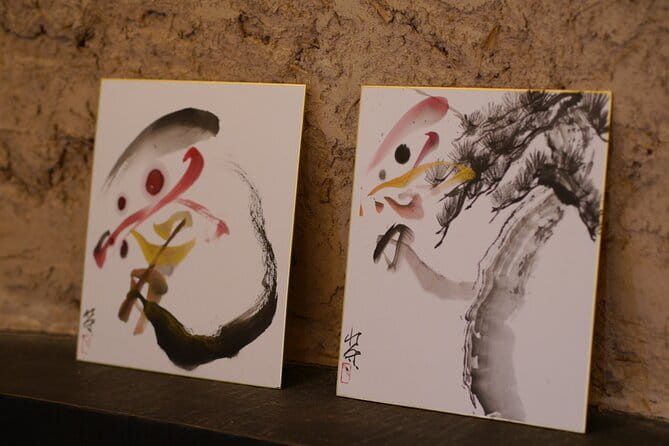
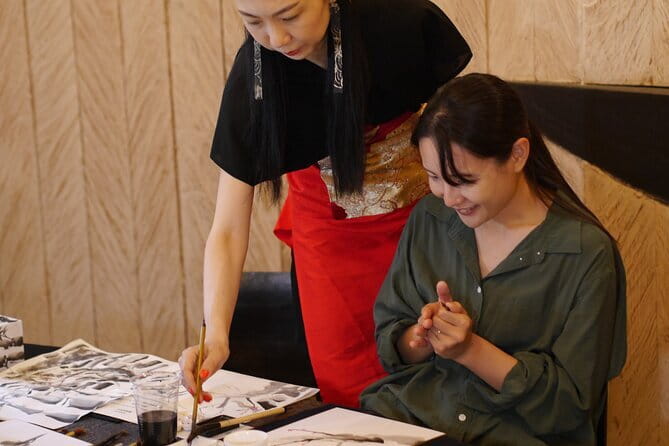
One brushstroke can feel like a quiet revelation. In a Japanese teahouse in Tokyo, you practice Suiboku-ga with an award-winning calligrapher and artist, Rensui, in an intimate setting. The class is limited to eight people, so you get real attention instead of being one face in a crowd.
What I like most is the chance to work up close with ink techniques (not just watch), and the small-group pace that helps you actually finish something you can take home. One consideration: even though it’s beginner-friendly, ink wash is unforgiving—so if you expect lots of paint layers or lots of retakes, you may feel the learning curve in the first minutes.
In This Review
- Key things to know before you go
- Suiboku-ga in a Tokyo teahouse: what you’re really learning
- The 8-person class and why Rensui’s feedback matters
- The ink, water, and the Zen-ish rhythm of Suiboku-ga
- Choosing your subject: pine, bamboo, plum, orchid, chrysanthemum, and kanji
- Your hour-long flow inside the teahouse
- Tea included: not just a perk, part of the experience
- Price and value: is $93.34 worth it?
- Who should book this sumi-e workshop (and who might not)
- Practical logistics that make this easy to fit in
- Should you book this Sumi-e Ink Painting Workshop?
- FAQ
- What is the duration of the Suiboku-ga workshop?
- Where does the workshop start and end?
- What is included in the price?
- What themes can I paint?
- Do I need hotel pickup?
- Is there free cancellation?
Key things to know before you go
- Eight people max means you can ask questions and get feedback.
- Award-winning instruction by Rensui keeps the lessons practical, not vague.
- Suiboku-ga technique focuses on washes and contrast, with minimal layering.
- You pick your theme/object approach at booking (pine, bamboo, plum, orchid, chrysanthemum, or kanji).
- Tea is part of the experience: light green tea during class and a green tea souvenir to take home.
- A one-hour workshop makes it ideal for a single, concentrated creative break in Tokyo.
Suiboku-ga in a Tokyo teahouse: what you’re really learning
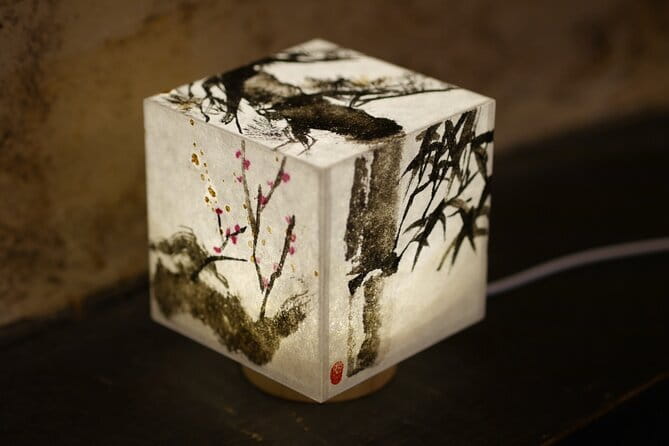
Suiboku-ga is a form of sumi-e ink painting. The big idea is simple: instead of stacking many layers of color, you build texture and contrast through how you move the brush and how you manage water and ink. That is exactly why it feels different from most art classes you’ve seen in travel shops.
The workshop is designed to teach you that core skill set in a relaxed way. You’re not just copying a postcard picture. You’re learning how ink spreads, how dilution changes the tone, and how a small shift in pressure can create a line with character. And because the style is tied to the Japanese aesthetic sense and spirituality, the class has a calm, almost meditative tempo—without getting weird about it.
More hands-on studios our readers booked
- Tokyo Shinjuku Chopsticks Making Class
★ 5.0 · 1,763 reviews - Chopstick Making Workshop in Ginza
★ 4.8 · 1,366 reviews - Kintsugi Experience: Art of Golden Joinery in Tokyo
★ 5.0 · 467 reviews - Tokyo Chopstick Making Workshop with Artisan
★ 5.0 · 466 reviews
The 8-person class and why Rensui’s feedback matters
This is one of those Tokyo activities that works because the group stays small. The class caps out at eight travelers, so you’re not stuck trying to catch a teacher’s eye across a table of strangers. You’ll likely get targeted guidance—especially when you’re figuring out brush control.
It also helps that the teacher is Rensui, described as an award-winning artist and calligrapher. When a class is led by someone with that background, you feel the difference in how they explain technique. You get clear cues about what to do with water, when to lighten or darken, and how to finish with confidence rather than hesitation. In a workshop like this, that feedback is the difference between paper that looks flat and paper that looks alive.
The ink, water, and the Zen-ish rhythm of Suiboku-ga
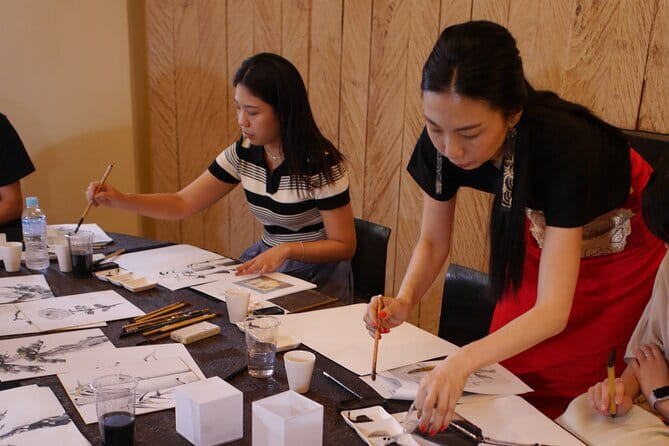
Expect to spend time on process, not just end results. Suiboku-ga relies on washes and contrast, so your ink needs to behave the way the teacher intends. That means you’ll be paying attention to things most people never think about back home: how fast ink absorbs, how quickly it lightens as water spreads, and how certain strokes dry into sharper edges.
One technique you’ll work toward is the idea of finishing with a single brushstroke. That’s a very Suiboku-ga way of thinking. You’re aiming for one decisive move rather than five timid ones. It can feel tough at first—especially if you’re used to erasing and fixing. But that also means your final piece can come together faster than you expect.
A small note of realism: ink can be harder than students think. One review specifically called out the surprise—ink painting seems simple until you’re the one controlling it. The good news is that the class format and Rensui’s teaching are set up to help you succeed even if you’re not a natural drawer.
Choosing your subject: pine, bamboo, plum, orchid, chrysanthemum, and kanji
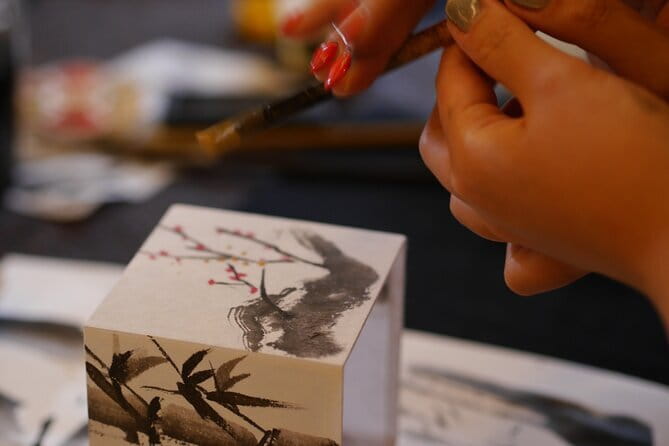
At booking, you get to choose what you’ll paint—either a theme or the object/approach you’ll use for your artwork. The workshop includes theme options such as:
- pine
- bamboo
- plum
- orchid
- chrysanthemum
- Chinese kanji characters
Each subject has its own visual rules. Pine and bamboo often emphasize upward motion and line character. Plum and orchid can lean into softer curves and tonal variation. Chrysanthemum tends to reward patient brush control. Kanji characters shift the focus again: you’re managing spacing and stroke weight so the character looks balanced, not just written.
Here’s the practical advantage for you: knowing the subject ahead of time stops you from freezing when you sit down with a blank page. You’ll still learn how to make it your own, but you won’t be forced to invent a design from nothing during a one-hour class.
Your hour-long flow inside the teahouse
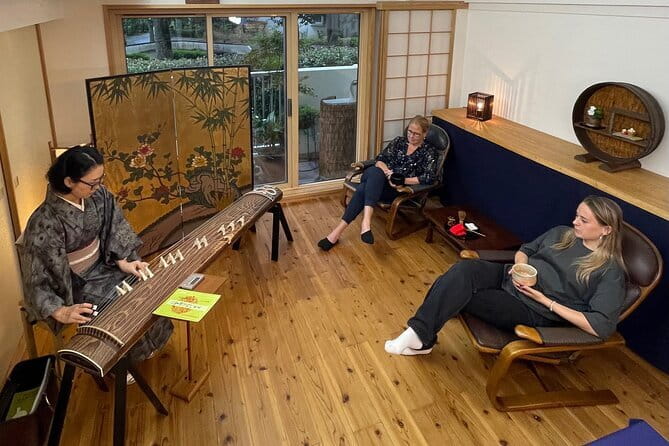
The workshop runs about one hour. There’s no “wander around and look at stuff” stretch. You’re there to create, learn, and finish.
You’ll start at the meeting point at Uogashi Meicha Chanomi Club, 2-chōme-11-12 Tsukiji, Chuo City, Tokyo 104-0045. From there, the activity ends back at the same place. So you can treat this as a tight slot in your day—easy to pair with other nearby Tokyo stops.
Once you’re in the class setting, you can expect a simple progression:
- Welcome tea and introductions
You’ll get Japanese green tea as part of the experience, and you’ll likely have a quick moment to settle in.
- Lesson basics for Suiboku-ga
The teacher guides you through fundamentals like how to handle the brush, how to use water and ink for tone, and how to plan your strokes.
- Painting your chosen theme
You’ll practice the method with guidance, focusing on wash behavior and contrast.
- Finishing and take-home preparation
The class structure emphasizes finishing—especially that concept of ending a work with a clear stroke.
Even if you think you’re the least artistic person in your group, this structure is built for beginners. The pace is short enough that you don’t overthink it for too long, and the small size makes it easier to correct mistakes while they’re still manageable.
Readers also shortlisted these Tokyo bookings:
- Sushi Making Tokyo Roll and Authentic Japanese Sushi Class★ 5.0 · 3,971 reviews
- Tokyo: Roll and Authentic Sushi Making Class in Asakusa★ 4.9 · 1,957 reviews
- Tokyo Shinjuku Chopsticks Making Class★ 5.0 · 1,763 reviews
- Tokyo: Sushi Making Class in a Happi Coat near a Famous Spot★ 4.9 · 1,377 reviews
- Chopstick Making Workshop in Ginza★ 4.8 · 1,366 reviews
Tea included: not just a perk, part of the experience
This workshop doesn’t treat tea like an afterthought. You get a green tea refreshment during the class and a green tea packet to take home as a souvenir. That matters because it matches the mood of the activity. You’re learning a Japanese art form that values restraint and intention, so the calm tea break fits the whole setting.
If you’ve ever tried an art workshop in a busy venue, you know the tone can get lost fast. Here, the teahouse setting supports the pace of ink wash painting—quiet, simple, and focused. You end up with something tangible and also something sensory you can remember later.
Price and value: is $93.34 worth it?
At $93.34 per person, this isn’t the cheapest thing you’ll do in Tokyo. But it’s not overpriced in the way “tourist craft experiences” sometimes are.
Why the value feels fair:
- Instruction is hands-on and capped at eight people, which means your money buys time with the teacher, not just access to a table.
- Materials are included, so you’re not paying extra once you arrive.
- You leave with an actual finished artwork plus tea (during class and as a take-home packet).
- The style is genuinely distinctive. Most visitor activities lean toward painting crafts that look decorative. Suiboku-ga is a specific ink-wash technique tied to how ink behaves, not just a generic souvenir drawing.
If you’re choosing between a quick “make something in ten minutes” stop and a real guided skill session, this workshop leans toward the second option. You’re paying for a short, focused class where you learn enough to feel the method—not just produce a picture.
Who should book this sumi-e workshop (and who might not)
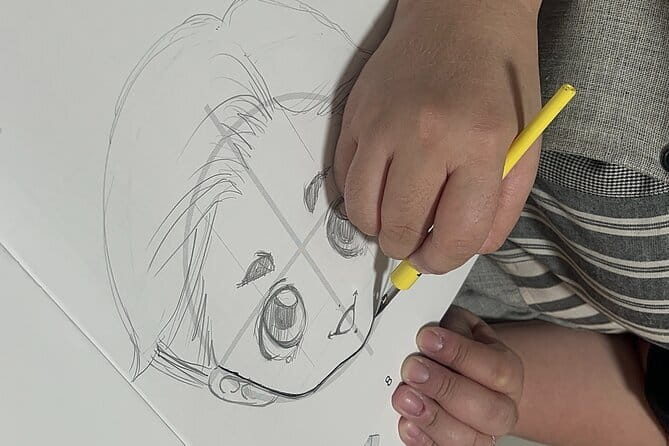
This is a great fit if you love:
- Japanese calligraphy or ink arts
- calm, structured creative activities
- learning a technique you’ll actually want to try again later
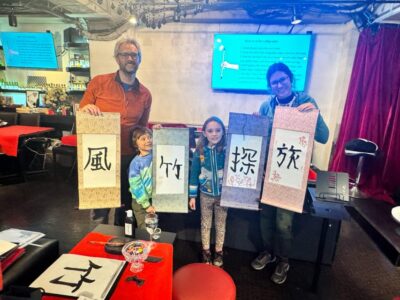
It’s also family-friendly in a practical way. One review highlighted a fun experience with children aged 7 and 9, with the artists helping guide the session. That kind of positive family feedback matters because ink wash can be intimidating—yet the class format seems to keep it enjoyable and manageable for younger students too.
A potential mismatch:
- If you want a high-energy, sightseeing-driven outing with lots of walking and views, this is not that kind of Tokyo stop.
- If you absolutely need to follow a very detailed step-by-step template, Suiboku-ga’s focus on washes and expressive brushwork may feel challenging at first.
Practical logistics that make this easy to fit in
This activity uses a mobile ticket, and it’s near public transportation. No hotel pickup or drop-off is included, so you’ll plan to get there on your own (which is normal for Tokyo classes).
The time commitment is also small—about one hour. That makes it a smart use of a half-day when you want one meaningful experience without surrendering your whole schedule. If you’re planning around other Tokyo highlights, this workshop slots in cleanly because it starts and ends back at the meeting point.
Should you book this Sumi-e Ink Painting Workshop?
I think you should book it if you want a Tokyo activity that feels personal and teaches a real technique. The small eight-person limit and instruction from Rensui are the big reasons. You’re not just doing crafts; you’re learning how Suiboku-ga works—water, ink, wash, and contrast—and then finishing a piece you can keep.
Skip it (or consider it carefully) if you hate the idea of starting with something messy. Ink painting can be unpredictable, and that’s part of the point. But if you’re curious, patient, and open to learning, this workshop is the kind of experience that leaves you with a souvenir that actually means something.
FAQ
What is the duration of the Suiboku-ga workshop?
The workshop lasts about 1 hour.
Where does the workshop start and end?
It starts at Uogashi Meicha Chanomi Club, 2-chōme-11-12 Tsukiji, Chuo City, Tokyo 104-0045, Japan, and it ends back at the meeting point.
What is included in the price?
The price includes the workshop fee, materials, a green tea souvenir, and light green tea refreshment.
What themes can I paint?
You can choose from pine, bamboo, plum, orchid, chrysanthemum, and Chinese kanji characters.
Do I need hotel pickup?
No. Hotel pickup and drop-off are not included.
Is there free cancellation?
Yes. You can cancel for a full refund up to 24 hours in advance of the experience’s start time.
More Workshops in Tokyo
- Sushi Making Tokyo Roll and Authentic Japanese Sushi Class
★ 5.0 · 3,971 reviews - Tokyo: Roll and Authentic Sushi Making Class in Asakusa
★ 4.9 · 1,957 reviews - Tokyo Shinjuku Chopsticks Making Class
★ 5.0 · 1,763 reviews - Tokyo: Sushi Making Class in a Happi Coat near a Famous Spot
★ 4.9 · 1,377 reviews - Chopstick Making Workshop in Ginza
★ 4.8 · 1,366 reviews
More Tour Reviews in Tokyo
- Mt Fuji and Hakone 1-Day Bus Tour Return by Bullet Train
★ 5.0 · 26,383 reviews - 1-Day Tokyo Bus Tour
★ 5.0 · 14,250 reviews - Tokyo: teamLab Planets TOKYO Digital Art Museum Entry Ticket
★ 4.6 · 9,779 reviews - Mt Fuji & Hakone Cruise, Drum Show Bullet Train 1 Day from Tokyo
★ 4.0 · 7,413 reviews - Tokyo: Shinjuku Food Tour (13 Dishes at 4 Local Eateries)
★ 5.0 · 6,603 reviews
More Artisan Workshops in Tokyo
- Tokyo Shinjuku Chopsticks Making Class
★ 5.0 · 1,763 reviews - Chopstick Making Workshop in Ginza
★ 4.8 · 1,366 reviews - Kintsugi Experience: Art of Golden Joinery in Tokyo
★ 5.0 · 467 reviews - Tokyo Chopstick Making Workshop with Artisan
★ 5.0 · 466 reviews - Tokyo: Shinjuku Chopstick Making Class
★ 4.9 · 440 reviews
Latest Tokyo reviews off our desk






Craft & Artisan Workshops, compared.
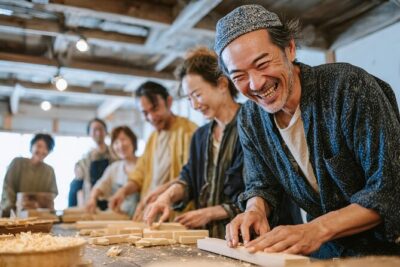 ★ 5.0Tokyo Shinjuku Chopsticks Making ClassFrom $201,763 reviews
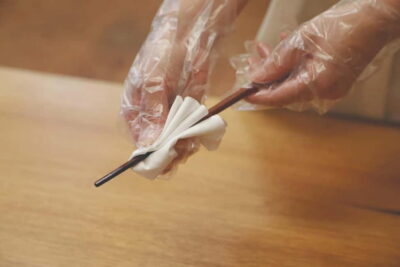 ★ 4.8Chopstick Making Workshop in GinzaFrom $251,366 reviews
 ★ 5.0Kintsugi Experience: Art of Golden Joinery in TokyoFrom $59467 reviews
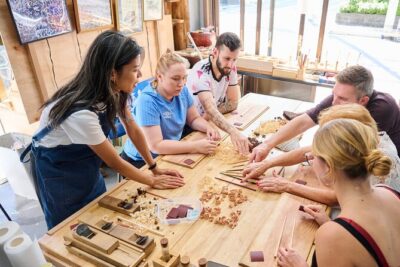 ★ 5.0Tokyo Chopstick Making Workshop with ArtisanFrom $26466 reviews
 ★ 5.0Authentic Pure Gold Kintsugi Workshop with Master Taku in TokyoFrom $142217 reviews
 ★ 5.0Calligraphy on Kanji Fan & Scroll with DrinkFrom $53210 reviews
Browse the lists this tour appears in