
Reviewed · COOKING CLASSES
Sushi Cooking Class: AKEMI’s SUSHiKiTCHEN in Tokyo
Sushi lessons in a Tokyo home beat restaurants. Step inside chef Akemi’s quiet residential kitchen in Shibuya, learn the craft behind sushi, then eat what you make. You’ll also get guidance in English, plus culture context you rarely get at the counter.
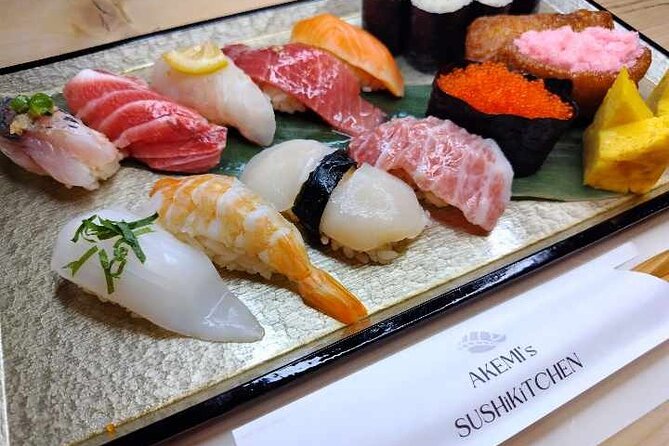
I especially like two things here. First, the ingredients get real respect: blended sushi rice specially ordered from Hachidaime Gihey in Kyoto, and fresh neta from fish markets in Toyosu and Tsukiji. Second, the class feels personal because it caps at a maximum of five students, so you aren’t stuck watching from the sidelines.
One consideration: this is a hands-on lesson for ~$105.68, not a quick bite. If you only want to eat sushi and move on, a restaurant can be cheaper and faster.
In This Review
- Key things to know before you book
- Entering Akemi’s Tokyo Home: Why This Feels Different
- Meeting Akemi and Dan: Small-Group Guidance That Actually Lands
- Getting to Sasazuka: The Shibuya Meeting Point and How to Plan
- Ingredients That Make the Difference: Kyoto Rice and Real Neta
- The Hands-On Flow: Making Four Types of Sushi
- Sushi Etiquette and Terminology: What You’ll Actually Say at the Table
- The Final Meal: Eating Sushi You Built, Not Bought
- Price and Value: Is $105.68 Worth It in Tokyo?
- Who Should Book This Class (and Who Might Skip It)
- Final Call: Should You Book Sushi Cooking with Akemi?
- FAQ
- How long is the sushi cooking class?
- What’s included in the class?
- What group size should I expect?
- Where does the class meet in Tokyo?
- Is the class in English?
- How much does it cost?
- Can I get a full refund if my plans change?
Key things to know before you book
- A Tokyo home setting: calm, residential, and more like cooking with a chef than dining out
- Small group size: maximum of five students, so questions actually get answered
- Serious ingredient sourcing: Kyoto rice from Hachidaime Gihey and fresh neta from Toyosu/Tsukiji
- Edomae technique training: Akemi completed the Edomae Sushi Technique Acquisition Course at the Tokyo Sushi School
- Culture + etiquette included: history, terminology, and sushi eating manners before you sit down
Entering Akemi’s Tokyo Home: Why This Feels Different
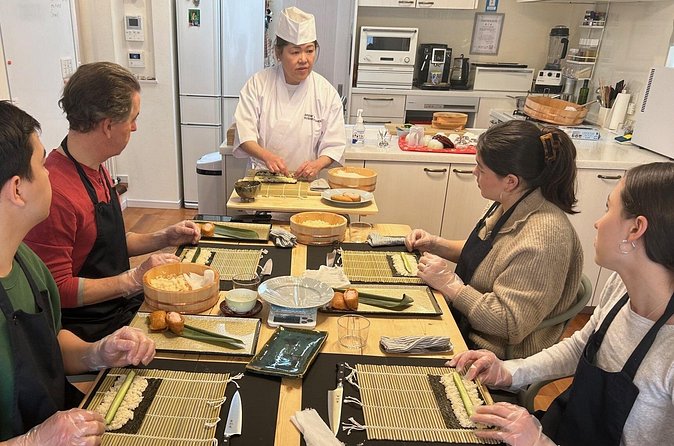
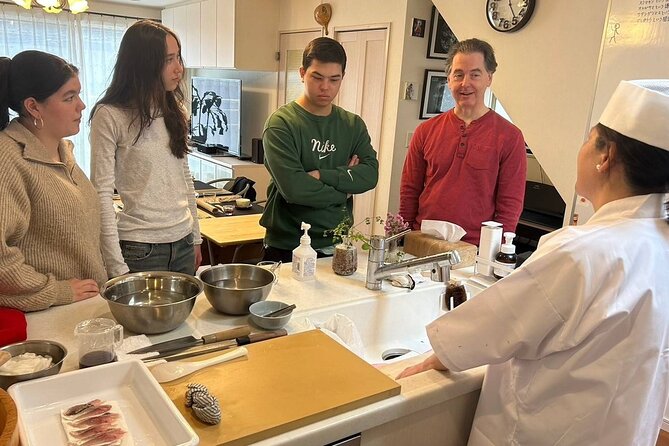
Tokyo is full of sushi options, from budget conveyor belts to temples of technique. This class takes a different route. Instead of eating while watching someone else work, you learn in the chef’s home. That matters. Home kitchens are smaller, warmer, and built for conversation, not just production.
You’ll also get what I call the backstage pass. The lesson isn’t only about making sushi rice and shaping pieces. You’ll hear about sushi’s history, learn essential terminology, and get Japanese eating etiquette guidance before you eat your own creations. That combination turns sushi from a menu item into something you can actually talk about.
The setting is in a quiet, residential area, not a tourist-funnel street. That’s a plus if you want your Tokyo day to feel like local life for a couple of hours. The trade-off is that you’ll want to arrive on time and follow the host’s rhythm, because this isn’t a drop-in demo. It’s a lesson built around teamwork in a home kitchen.
Readers also shortlisted these Tokyo bookings:
- Ramen & Gyoza Cooking Class in Tokyo with Local Supermarket Visit
★ 5.0 · 823 reviews - Tokyo: Easy Ramen Cooking Experience in Kabukicho, Shinjuku
★ 4.6 · 321 reviews - Ramen and Sushi Cooking Class with Sake Pairing Set in Tokyo
★ 5.0 · 291 reviews - Tokyo: Wagyu and 7 Japanese Dishes Cooking Class
★ 4.9 · 273 reviews
Meeting Akemi and Dan: Small-Group Guidance That Actually Lands
The teacher is Akemi, and she brings solid professional experience from the restaurant industry in Japan. She’s completed the Edomae Sushi Technique Acquisition Course at the Tokyo Sushi School too, which signals a focus on traditional method rather than generic “roll sushi and smile” instruction.
You’ll also see Dan as part of the hosting team. Even in the short description, it’s clear the vibe is friendly and welcoming. That matters because sushi technique can feel intimidating if you’ve never done it. The class is designed so you don’t need previous knife skills or sushi-confidence.
With a maximum of five students, the pacing works. In bigger classes, the host is stuck giving general tips. Here, you can ask questions and get corrections while your hands are already mid-task. That personal attention is one of the main reasons this experience earns such strong ratings.
And yes, the class is in English. So you can focus on learning what to do, not decoding a language barrier.
Getting to Sasazuka: The Shibuya Meeting Point and How to Plan
You meet at Tamanosato Sasazukaten, 1-chōme-56-18 Sasazuka, Shibuya, Tokyo 151-0073. It’s near public transportation, so you’re not stuck figuring out some far-flung location with only taxis and hope.
Still, because it’s a residential kitchen lesson, you’ll want to show up a little early. Not 30 minutes early—just enough time to calm your nerves, use the restroom if you need one, and be ready for a structured two-and-a-half-hour session.
The activity uses a mobile ticket. That’s useful in Tokyo where printing can be an afterthought. Keep your phone charged and your ticket accessible, especially if you’re walking a few blocks after you exit transit.
A practical tip: plan this lesson earlier in the day or right after lunch. Sushi is more fun when you’re not rushing off to a second reservation right afterward. Two hours and 30 minutes passes fast when you’re learning by doing.
Ingredients That Make the Difference: Kyoto Rice and Real Neta
If you care about sushi, you’ve probably noticed a pattern: most “sushi-making” classes skim over the ingredients. Here, the sourcing gets specific.
Akemi uses a blended sushi rice that’s specially ordered from Hachidaime Gihey in Kyoto. That name matters because it’s not treated like an anonymous bag of rice from a shelf. The sourcing is tied to tradition and consistency. When you taste the rice and learn how it behaves, it helps you understand why great sushi doesn’t start at the knife.
For the fish, you’ll work with fresh neta sourced directly from fish markets in Toyosu and Tsukiji. That’s the kind of detail that changes what you learn, because fresh neta has a different texture and flavor profile than what you might find at a general grocery store.
Even if you’ve eaten sushi before, this ingredient focus helps you connect technique to taste. You’ll learn how rice and fish work together, not separately. That’s also why the final meal feels like a real reward, not just a photo moment.
The Hands-On Flow: Making Four Types of Sushi
The class runs about 2 hours 30 minutes, and the lesson culminates in a meal you prepare yourself. You’ll learn how to make four types of sushi. The exact formats aren’t listed in the info you have here, but the big idea is clear: you won’t just roll one simple item. You’ll build multiple pieces with different shaping and handling steps.
Here’s how the flow typically feels in a class like this:
- You start with context: what sushi is, how the ingredients should be treated, and what you’ll be making.
- Then you move into technique: rice handling and preparation, followed by working with the fish and assembling your pieces.
- You’ll also get etiquette and terminology guidance so you can eat what you made with more confidence.
- Finally, you sit down and enjoy the meal you crafted.
The key value is that you practice the physical steps yourself. Sushi is detail-heavy—rice temperature, moisture, and how you handle components all matter. When you do it, you stop guessing and start understanding.
If you’ve never tried sushi before, you’re still a good fit. The class is designed to be approachable. You’ll be guided through the process and end up with something delicious from your own hands.
Readers also shortlisted these Tokyo bookings:
- Sushi Making Tokyo Roll and Authentic Japanese Sushi Class★ 5.0 · 3,971 reviews
- Tokyo: Roll and Authentic Sushi Making Class in Asakusa★ 4.9 · 1,957 reviews
- Tokyo Shinjuku Chopsticks Making Class★ 5.0 · 1,763 reviews
- Tokyo: Sushi Making Class in a Happi Coat near a Famous Spot★ 4.9 · 1,377 reviews
- Chopstick Making Workshop in Ginza★ 4.8 · 1,366 reviews
Sushi Etiquette and Terminology: What You’ll Actually Say at the Table
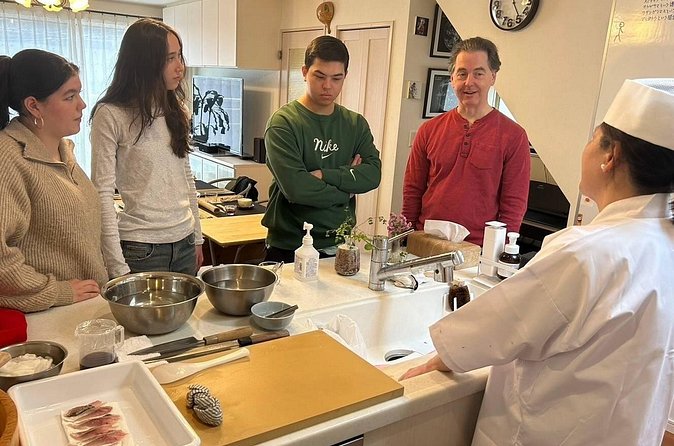
I like that the class doesn’t treat etiquette as a random lecture. You’ll learn Japanese food culture and sushi’s history, plus essential terminology, before you eat.
This is more useful than it sounds. Etiquette is less about being formal and more about respecting the craft. When you understand the language and the manners, sushi stops feeling mysterious. You’ll know what people mean when they talk about key parts of the dish (like neta) and you’ll be better prepared to handle chopsticks and small rituals with less awkwardness.
And there’s a special bonus here: Japanese guests have said they learned a lot about their own food culture. That tells me this class isn’t just spoon-feeding basics for tourists. It’s aimed at real understanding, even for people who grew up around sushi.
If you’re the kind of traveler who loves one great meal and also wants the story behind it, this is where the lesson earns its place. You walk out with knowledge you can use, not just photos of what you made.
The Final Meal: Eating Sushi You Built, Not Bought
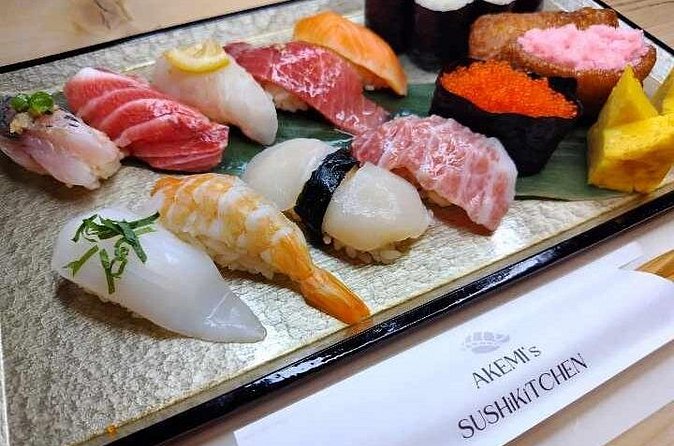
The lesson culminates in a meal. That means the class isn’t over when the cooking starts. You’re finishing with your own hand-prepared sushi, in the same calm home setting where you learned it.
This is where the value clicks for me. Many cooking classes end with a snack you barely taste because you’re busy learning how to plate. Here, the structure is built around tasting as part of the lesson. You can compare what you think you did right versus what actually tastes right.
Also, since the class includes fresh fish from Toyosu/Tsukiji and carefully sourced rice, the meal isn’t built on cheap substitutes. It’s built on ingredients that let you experience sushi as it’s meant to be.
I’d recommend coming hungry, but not ravenous. Two hours and 30 minutes of learning can work up an appetite, and you’ll enjoy the final pieces even more if you aren’t thinking about how long it’s been since your last meal.
Price and Value: Is $105.68 Worth It in Tokyo?
At $105.68 per person, this isn’t the cheapest activity in Tokyo. But it also isn’t priced like a generic workshop.
Here’s what you get for the money:
- a small-group lesson capped at five students
- English instruction in a real chef’s home kitchen
- sushi made with rice sourced from Hachidaime Gihey and neta from Toyosu and Tsukiji
- guidance on sushi history, terminology, and etiquette
- a meal you make yourself
- a total time commitment of about two and a half hours
If you compare it to the cost of eating sushi at a restaurant, the picture changes. You’re not only paying for food. You’re paying for technique coaching, ingredient education, and cultural context. That’s why the price feels more justified than “just a meal.”
Is it for every budget? No. If you’re in Tokyo for a fast food sprint, this might feel too structured. But if you like cooking, if you’re curious about Japanese food culture, or if you want more than a restaurant experience, it’s strong value.
Who Should Book This Class (and Who Might Skip It)
This class is a great match if:
- you want hands-on sushi technique, not just watching
- you care about ingredient quality and want to understand why rice and fish matter
- you appreciate culture details like etiquette and sushi terminology
- you prefer small groups where you can ask questions
It might be less ideal if:
- you’re only interested in eating sushi and nothing else
- you dislike structured lessons and prefer wandering meals on your own schedule
- you’re extremely time-crunched and can’t spare about 2.5 hours
Also, the meeting point is in Sasazuka, Shibuya. So it fits well if you’re already planning time around Shibuya and the surrounding neighborhoods.
Finally, it’s a good choice for first-timers. The class is designed so even people who have never tried sushi before can leave with a satisfying meal and a clearer understanding of what they just ate.
Final Call: Should You Book Sushi Cooking with Akemi?
I’d book this if you want a Tokyo experience that goes beyond eating. The small group, the ingredient sourcing (Kyoto rice from Hachidaime Gihey and neta from Toyosu/Tsukiji), and the fact that you learn etiquette and terminology all add up to a lesson that’s more than a snack with rice.
I’d skip it if your main goal is low-cost sushi or if you don’t want a planned, hands-on activity. This is best when you’re ready to cook, learn, and eat what you make in a calm residential setting.
If that sounds like your kind of travel day, this class is the rare activity where you don’t just take home a memory. You take home skills, language, and a better sense of what makes sushi work.
FAQ
How long is the sushi cooking class?
The class runs about 2 hours 30 minutes.
What’s included in the class?
You’ll make four types of sushi and enjoy a meal at the end. You’ll also learn about sushi history, essential terminology, and sushi eating etiquette.
What group size should I expect?
It’s limited to a maximum of five students (and the activity lists a maximum of 6 travelers).
Where does the class meet in Tokyo?
The meeting point is at Tamanosato Sasazukaten, 1-chōme-56-18 Sasazuka, Shibuya, Tokyo 151-0073, Japan.
Is the class in English?
Yes. The chef offers the lesson in English.
How much does it cost?
The price is $105.68 per person.
Can I get a full refund if my plans change?
Yes, you can cancel for a full refund up to 24 hours in advance of the experience start time.
More Workshops in Tokyo
- Sushi Making Tokyo Roll and Authentic Japanese Sushi Class
★ 5.0 · 3,971 reviews - Tokyo: Roll and Authentic Sushi Making Class in Asakusa
★ 4.9 · 1,957 reviews - Tokyo Shinjuku Chopsticks Making Class
★ 5.0 · 1,763 reviews - Tokyo: Sushi Making Class in a Happi Coat near a Famous Spot
★ 4.9 · 1,377 reviews - Chopstick Making Workshop in Ginza
★ 4.8 · 1,366 reviews
More Cooking Classes in Tokyo
- Ramen & Gyoza Cooking Class in Tokyo with Local Supermarket Visit
★ 5.0 · 823 reviews - Tokyo: Easy Ramen Cooking Experience in Kabukicho, Shinjuku
★ 4.6 · 321 reviews - Ramen and Sushi Cooking Class with Sake Pairing Set in Tokyo
★ 5.0 · 291 reviews - Tokyo: Wagyu and 7 Japanese Dishes Cooking Class
★ 4.9 · 273 reviews - Tokyo Washoku 4-hour Cooking Class: From Market to Table
★ 5.0 · 253 reviews
More Tour Reviews in Tokyo
- Mt Fuji and Hakone 1-Day Bus Tour Return by Bullet Train
★ 5.0 · 26,383 reviews - 1-Day Tokyo Bus Tour
★ 5.0 · 14,250 reviews - Tokyo: teamLab Planets TOKYO Digital Art Museum Entry Ticket
★ 4.6 · 9,779 reviews - Mt Fuji & Hakone Cruise, Drum Show Bullet Train 1 Day from Tokyo
★ 4.0 · 7,413 reviews - Tokyo: Shinjuku Food Tour (13 Dishes at 4 Local Eateries)
★ 5.0 · 6,603 reviews
Latest Tokyo reviews off our desk






Cooking Classes, compared.
 ★ 5.0Ramen & Gyoza Cooking Class in Tokyo with Local Supermarket VisitFrom $122823 reviews
 ★ 4.6Easy Ramen Cooking Experience in Kabukicho, ShinjukuFrom $29321 reviews
 ★ 5.0Ramen and Sushi Cooking Class with Sake Pairing Set in TokyoFrom $79291 reviews
 ★ 4.9Wagyu and 7 Japanese Dishes Cooking ClassFrom $67273 reviews
 ★ 5.0Tokyo Washoku 4-hour Cooking Class: From Market to TableFrom $79253 reviews
 ★ 5.0Small-Group Wagyu Beef and 7 Japanese Dishes Tokyo Cooking ClassFrom $72190 reviews
 ★ 5.0Private Home Cooking in Yanaka – Local Flavors in a Warm SettingFrom $122173 reviews
 ★ 5.0Tokyo Sushi Making Experience & Japanese Cooking ClassFrom $59150 reviews
Browse the lists this tour appears in