
Reviewed · COOKING CLASSES
Sushi Cooking Class
Tokyo’s sushi class feels like local life.
You start in Shinagawa, then roll your own sushi in a home kitchen with Miwa/Miwako-sensei guiding you step by step. Two big wins for me: the class stays small (max 4), and you’re not just eating sushi—you’re learning how it’s made.
You’ll also get a real “Japan neighborhood” moment first: a walk through a shopping arcade that’s described as the longest in Japan. One thing to consider: the price is high ($711.60 per person), so it’s best if you value hands-on instruction and a meal included in the experience.
In This Review
- Key highlights worth your time
- Sushi Cooking Class in Shinagawa: A neighborhood start, not a tourist bus stop
- From Musashikoyama Station to the arcade: your first taste of local Tokyo
- Miwa’s kitchen lesson: what you’ll cook and why it works
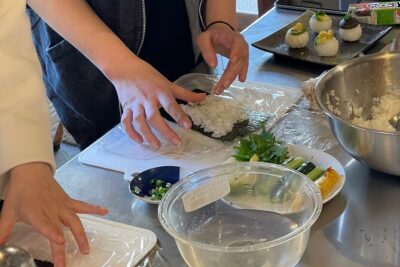
- Rolling your own sushi: the hands-on parts that actually teach you
- The full meal: miso soup, tastings, and dessert (and why it’s not just a snack)
- Price and value: $711.60 per person isn’t cheap, so who is it for?
- Timing and what a 10:30am start means for your day
- Who should book this sushi class (and who should skip it)
- Practical tips before you go (so your sushi comes out better)
- Should you book this Sushi Cooking Class?
- FAQ
- Where is the meeting point?
- What time does the class start, and how long does it last?
- What will we cook in the sushi course?
- Is the class vegan or vegetarian friendly?
- Is it a small group?
- Is transportation included?
- Are there rules for children?
Key highlights worth your time
- Meet at Musashikoyama Station (Tokyu Meguro Line) and start with a local arcade walk
- Small group of up to 4 means more attention while you cook
- Vegan and vegetarian customization is available, and allergies can be flagged in advance
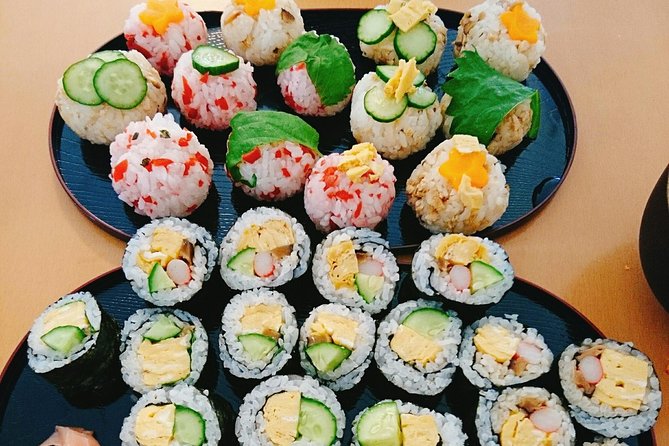
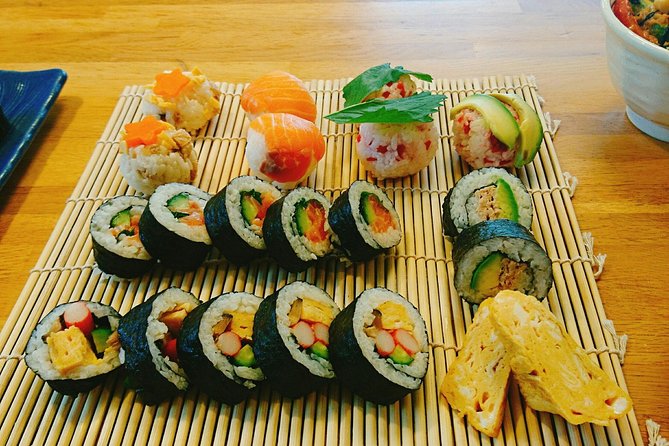
- Hands-on menu: seasonal sushi-rolls, temari-sushi, miso soup, and dessert
- Eating is part of the lesson: lunch course, food tasting, and dinner are included
- English support is reported in reviews, which helps if your Japanese is rusty
Sushi Cooking Class in Shinagawa: A neighborhood start, not a tourist bus stop
If you want a Tokyo experience that feels closer to daily life than to a photo stop, this sushi lesson in Shinagawa is a strong bet. You’re not picking through menus or waiting for a reservation. Instead, you’re learning to make rolls, shaping bite-size pieces, and getting your hands into the cooking process.
The class is built around a small group capped at four people, which changes the whole vibe. In big classes, you can feel like you’re watching instructions rather than cooking. Here, the pace is meant to support actual practice—especially if it’s your first time rolling sushi.
I also like that the focus includes vegan-friendly ingredients and recipe customization. That matters because sushi cooking classes can sometimes be “one-size-fits-all.” In this one, you can request changes based on preferences, and if you have allergies, you’re asked to tell the host in advance.
One more practical point: the lesson has a set meeting time (10:30am) and a walk component before cooking. If you prefer your activities to be entirely “sit down, start cooking,” you’ll want to factor in that early neighborhood stroll.
Readers also shortlisted these Tokyo bookings:
- Ramen & Gyoza Cooking Class in Tokyo with Local Supermarket Visit
★ 5.0 · 823 reviews - Tokyo: Easy Ramen Cooking Experience in Kabukicho, Shinjuku
★ 4.6 · 321 reviews - Ramen and Sushi Cooking Class with Sake Pairing Set in Tokyo
★ 5.0 · 291 reviews - Tokyo: Wagyu and 7 Japanese Dishes Cooking Class
★ 4.9 · 273 reviews
From Musashikoyama Station to the arcade: your first taste of local Tokyo
You meet at Musashikoyama Station on the Tokyu Meguro Line. From there, you walk through a shopping arcade before heading to Miwa’s place to cook. This matters more than you might think.
In Tokyo, the “real” texture of a neighborhood often shows up in these covered pedestrian streets—small shops, everyday errand rhythms, and street-level details you’d otherwise miss while following the standard sights loop. The arcade is specifically called out as the longest one in Japan, so you’re not just getting a quick corridor walk. You’re getting a sense of how long stretches of local commerce work in daily life.
You’ll also get a gentle reset from the station chaos. Instead of starting your cooking session with a steep learning curve and kitchen noises, you begin with a low-pressure stroll. It’s a good warm-up if you’re a bit nervous about sushi-making.
Drawback to keep in mind: this is still a walk through an arcade before you reach the kitchen. If you’re traveling with mobility limitations or if you’re sensitive to crowds/feet-on-pavement time, you’ll want to plan accordingly. The good news is it’s not an all-day trek—this is still tied to a ~3-hour experience.
Miwa’s kitchen lesson: what you’ll cook and why it works
Once you arrive at Miwa’s place, you start cooking right away. The class is a sushi-focused course, and the menu includes:
- Seasonal sushi-roll and temari-sushi
- One side dish
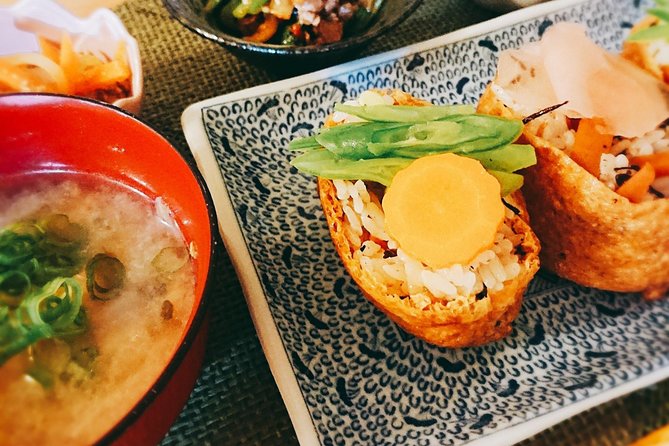
- Miso soup
- Dessert (served)
- Recipe customization on request
That lineup is smart for first-timers. Sushi rolls teach you structure—rice spread, filling placement, and the roll you can slice cleanly. Temari-sushi is different: it’s more about forming compact, bite-sized pieces. Between the two, you’re learning two key Japanese “shapes” of sushi rather than just repeating one style.
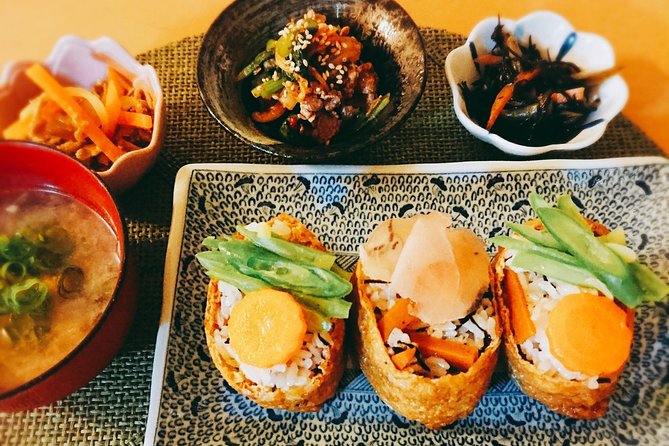
The side dish and miso soup are also practical. They give balance to the meal and show how sushi often comes as part of a fuller Japanese spread, not as a lonely roll and soy sauce situation.
One more important detail: if you have allergy concerns, you’re asked to let the host know in advance. That’s exactly what you want from a home-based class. It’s easier for the teacher to adjust ingredients when they hear about your needs early.
Also, this isn’t a “watch and eat later” format. The included meals and tastings mean you’re eating what you make while the skills are still fresh in your head.
Rolling your own sushi: the hands-on parts that actually teach you
Sushi-making sounds fancy, but most of the “magic” is technique. The class is designed to break it down step by step, which is why families and couples keep praising the patience in the instruction.
From the experiences shared by past participants, Miwa is careful with beginners. People specifically describe her as step-by-step and patient, and that’s a big deal if you’re the type who gets overwhelmed by kitchen tasks. If you’ve never cooked before, this is the kind of lesson where you can still learn without feeling behind.
You’ll also learn not just what to do, but the logic behind it. For example:
- How you handle rice so it doesn’t turn into sticky chaos
- How you place fillings so you get even slices
- How you shape temari-sushi so it holds together
Even if you’ve eaten sushi your whole life, rolling is a different skill. This class gives you the repeatable part: you’ll leave knowing how to do the basics at home. That’s the real value compared to paying for a meal that you can already buy in Tokyo.
And yes, some sessions have included additional Japanese dishes like tamago (Japanese omelette) or even chicken nanban depending on what’s on the day’s menu and how the class is adapted. The core focus remains sushi-rolls and temari-sushi, but the customization option is what keeps it flexible.
The full meal: miso soup, tastings, and dessert (and why it’s not just a snack)
If you’re paying for a cooking class, you want more than a few bites. This one includes more eating than you might expect from a “3-hour activity.”
Your included food components are listed as:
- Lunch (3-course lunch)
- Food tasting
- Dinner
On paper, that can sound like a lot. In practice, it’s one of the reasons the class price feels easier to justify—especially in a city where “one meal out” can add up fast. You’re not only paying for instruction; you’re also paying for ingredients and the time it takes to make a full spread.
What you can count on from the menu: miso soup as a core part of the class, plus dessert served at the end. Miso soup is a great teaching tool too. It’s quick to show and helps you round out flavors while you’re between sushi steps.
The tasting part matters because it lets you compare what worked and what you might improve. When you eat right away, you can connect texture and flavor to the technique you just practiced.
Readers also shortlisted these Tokyo bookings:
- Sushi Making Tokyo Roll and Authentic Japanese Sushi Class★ 5.0 · 3,971 reviews
- Tokyo: Roll and Authentic Sushi Making Class in Asakusa★ 4.9 · 1,957 reviews
- Tokyo Shinjuku Chopsticks Making Class★ 5.0 · 1,763 reviews
- Tokyo: Sushi Making Class in a Happi Coat near a Famous Spot★ 4.9 · 1,377 reviews
- Chopstick Making Workshop in Ginza★ 4.8 · 1,366 reviews
Price and value: $711.60 per person isn’t cheap, so who is it for?
Let’s talk money honestly. At $711.60 per person, this sushi cooking class costs far more than a typical “budget workshop.” So the question isn’t whether it’s pricey. The question is whether it fits your travel style.
Here’s where the value is coming from:
- Small-group limit (max 4), which usually means less waiting and more personal guidance
- Hands-on instruction for multiple sushi styles (seasonal roll + temari-sushi)
- Full eating plan: 3-course lunch plus tasting plus dinner
- Customization (including vegan/vegetarian options) and allergy coordination if you message ahead
If you’re the kind of traveler who thinks a cooking class is worth it because you’ll use what you learn later, the price starts to make sense. You’re buying a skill, not just a meal.
If you’re mainly chasing cheap food or quick photos, this probably won’t feel like the best use of your time. You’ll do better spending less and eating street food or a standard sushi meal. But if you want the experience of making it yourself—and you don’t want to gamble on finding the right restaurant—this class can be worth the splurge.
Timing and what a 10:30am start means for your day
The start time is 10:30am, with an expected duration of about 2–3 hours (listed as approx.). Because the class ends back at the meeting point, it’s easy to plug into your schedule.
A 10:30am class is also a smart day plan if you’d rather not burn your afternoon on a big train crossing. You’ll be fed, you’ll learn, and then you can head out knowing you’ve already gotten a solid “meal + activity” block done.
One practical consideration: because you’re walking the arcade before cooking, build a little buffer to arrive without stress. Mobile ticket is offered, so you’ll want it ready on your phone.
Who should book this sushi class (and who should skip it)
This is best for:
- Couples and small groups who want hands-on cooking time with minimal crowding
- Families, including kids (children must be accompanied by an adult)
- People who want vegan/vegetarian sushi options and can’t stand feeling locked into a fixed menu
- Travelers who prefer a local neighborhood walk before food starts
It might not be best for you if:
- You want a strictly “tour-sightseeing” day. This is a kitchen experience with a neighborhood add-on, not a walking tour of major landmarks.
- You’re looking for a lower-cost activity. This is a premium class partly because it’s small-group and meal-inclusive.
The repeated praise in the experience points to a key strength: the host (Miwa/Miwako-sensei) is described as warm, patient, and fluent enough in English to keep things smooth for non-Japanese speakers. That kind of comfort is a big deal when you’re trying something unfamiliar.
Practical tips before you go (so your sushi comes out better)
A few things will help you get the most out of the session:
- Tell Miwa about allergies early. You’re specifically asked to let the host know in advance if you have allergy concerns.
- Ask about customization when you book or confirm. Vegan and vegetarian adjustments are possible, so don’t assume you’re stuck with the standard ingredients.
- Wear comfortable shoes. You’ll start at Musashikoyama Station and walk through a shopping arcade before the cooking begins.
- Go in with curiosity, not perfectionism. Rolling sushi is technique-heavy. Your first few pieces might look different from the neat examples, and that’s normal.
- Plan to eat. Lunch, tastings, and dinner are included, so don’t schedule a heavy meal right beforehand.
Also, if you’re traveling with a child, this kind of paced, step-by-step instruction can be especially helpful. Past families describe the kid-friendly fun of making food together, not just watching.
Should you book this Sushi Cooking Class?
Book it if you want a Tokyo experience that mixes local neighborhood atmosphere with real culinary skills—and you’re willing to pay for a small-group home kitchen. The combination of sushi-roll practice, temari-sushi shaping, miso soup, and a full meal plan gives you more than a single dish. Plus, vegan/vegetarian customization is a real plus if you have dietary needs.
Skip it if you’re strictly budget-driven or you mostly want to eat great sushi without learning how it’s made. In that case, you can likely find excellent sushi meals for less. But if you like the idea of leaving Tokyo able to recreate the basics at home, this class is the kind of meal memory you’ll actually keep using.
If you do book: message about allergies and preferences early, show up a little before 10:30am, and treat the arcade walk as part of the experience—not just the pre-game before cooking.
FAQ
Where is the meeting point?
You’ll meet at Musashikoyama Station (Tokyu Meguro Line). The activity ends back at the meeting point.
What time does the class start, and how long does it last?
The start time is 10:30am and the duration is about 2–3 hours.
What will we cook in the sushi course?
The class menu includes seasonal sushi-roll and temari-sushi, plus one side dish, miso soup, and dessert (serving only). Recipes can be customized on request.
Is the class vegan or vegetarian friendly?
Yes. The class features healthy vegan ingredients, and vegan/vegetarian recipes can be customized based on your preferences.
Is it a small group?
Yes. The class is limited to a maximum of 4 travelers for a small-group experience.
Is transportation included?
No. Transportation to/from attractions is not included.
Are there rules for children?
Yes. Children must be accompanied by an adult.
More Workshops in Tokyo
- Sushi Making Tokyo Roll and Authentic Japanese Sushi Class
★ 5.0 · 3,971 reviews - Tokyo: Roll and Authentic Sushi Making Class in Asakusa
★ 4.9 · 1,957 reviews - Tokyo Shinjuku Chopsticks Making Class
★ 5.0 · 1,763 reviews - Tokyo: Sushi Making Class in a Happi Coat near a Famous Spot
★ 4.9 · 1,377 reviews - Chopstick Making Workshop in Ginza
★ 4.8 · 1,366 reviews
More Cooking Classes in Tokyo
- Ramen & Gyoza Cooking Class in Tokyo with Local Supermarket Visit
★ 5.0 · 823 reviews - Tokyo: Easy Ramen Cooking Experience in Kabukicho, Shinjuku
★ 4.6 · 321 reviews - Ramen and Sushi Cooking Class with Sake Pairing Set in Tokyo
★ 5.0 · 291 reviews - Tokyo: Wagyu and 7 Japanese Dishes Cooking Class
★ 4.9 · 273 reviews - Tokyo Washoku 4-hour Cooking Class: From Market to Table
★ 5.0 · 253 reviews
More Tour Reviews in Tokyo
- Mt Fuji and Hakone 1-Day Bus Tour Return by Bullet Train
★ 5.0 · 26,383 reviews - 1-Day Tokyo Bus Tour
★ 5.0 · 14,250 reviews - Tokyo: teamLab Planets TOKYO Digital Art Museum Entry Ticket
★ 4.6 · 9,779 reviews - Mt Fuji & Hakone Cruise, Drum Show Bullet Train 1 Day from Tokyo
★ 4.0 · 7,413 reviews - Tokyo: Shinjuku Food Tour (13 Dishes at 4 Local Eateries)
★ 5.0 · 6,603 reviews
Latest Tokyo reviews off our desk




Cooking Classes, compared.
 ★ 5.0Ramen & Gyoza Cooking Class in Tokyo with Local Supermarket VisitFrom $122823 reviews
 ★ 4.6Easy Ramen Cooking Experience in Kabukicho, ShinjukuFrom $29321 reviews
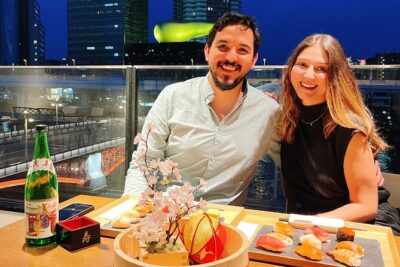 ★ 5.0Ramen and Sushi Cooking Class with Sake Pairing Set in TokyoFrom $79291 reviews
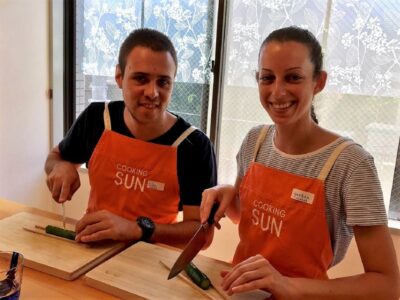 ★ 4.9Wagyu and 7 Japanese Dishes Cooking ClassFrom $67273 reviews
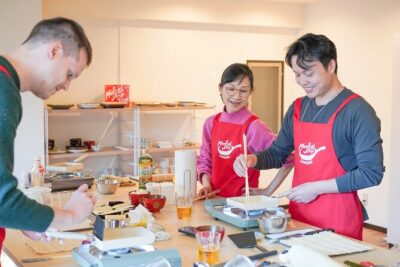 ★ 5.0Tokyo Washoku 4-hour Cooking Class: From Market to TableFrom $79253 reviews
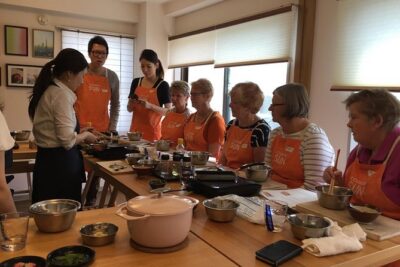 ★ 5.0Small-Group Wagyu Beef and 7 Japanese Dishes Tokyo Cooking ClassFrom $72190 reviews
 ★ 5.0Private Home Cooking in Yanaka – Local Flavors in a Warm SettingFrom $122173 reviews
 ★ 5.0Tokyo Sushi Making Experience & Japanese Cooking ClassFrom $59150 reviews
Browse the lists this tour appears in