
Reviewed · KAMAKURA DAY TRIPS
Sushi Making in a Century Old Kamakura Home
Kamakura has a special kind of quiet. This sushi workshop happens in a preserved century-old kominka-style house, where the garden feels peaceful and the Enoden train runs right by the grounds—so you’re eating your own nigiri while Japan passes by outside.
I especially like the hands-on pace: you’ll learn core sushi-making technique from a chef trained for over 20 years in Ginza’s top restaurants. And I like that you’re not just watching—you’ll make 10 to 12 pieces of nigiri with premium, restaurant-grade ingredients.
One thing to consider: the activity is not recommended for people with food allergies, and it also depends on decent weather.
In This Review
- Key highlights you’ll feel on the day
- Entering A Century-Old Kamakura Home (With the Enoden Running Nearby)
- Sushi Making With a Chef Trained for 20+ Years
- What You Actually Make: 10 to 12 Pieces of Nigiri
- The Garden + Fuji-Spot Potential: A Day-Feeling You Can Taste
- Timing, Finding the House, and What the 1.5 Hours Feels Like
- Price and Value: What $74.93 Buys You in Kamakura
- Alcohol, Allergies, and Weather: Practical Stuff That Can Affect Your Plan
- How to Pair It With a Classic Kamakura Day
- Should You Book Sushi Making in a Century Old Kamakura Home?
- FAQ
- What will I eat during the sushi making workshop?
- How long is the experience?
- Where is the meeting point?
- Is the venue close to Kamakura Station?
- Is sake included?
- Is this suitable if I have a food allergy?
Key highlights you’ll feel on the day
- Enoden views from inside the garden: you won’t have to go far to hear and see the train.
- A master chef with real Ginza credentials: 20+ years training at prestigious restaurants.
- 10–12 pieces of nigiri: you’ll work with multiple fish and toppings, not just one quick roll.
- Seasonal seafood: what you eat may change depending on the time of year.
- Century-old Kamakura house (kominka): a rare building type that helps the whole experience feel grounded.
- Complimentary calligraphy souvenir: a canvas hand-brushed with Kamakura Sushi Sake.
Entering A Century-Old Kamakura Home (With the Enoden Running Nearby)
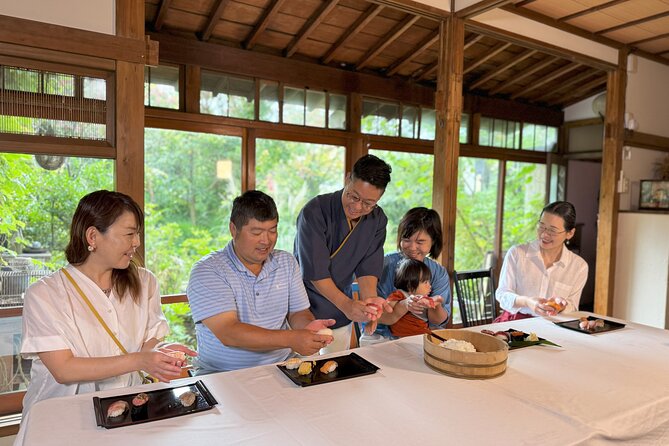
This workshop takes place in a beautifully preserved traditional house that’s old enough to feel like it belongs to another rhythm of time. The building mixes Japanese and Western architectural touches, which used to be more common in Kamakura—and now, it’s a lot rarer. When you arrive, you’re not walking into a busy classroom. You’re walking into a calm home-like setting with greenery and soft light.
Then there’s the part you can’t really plan for: the Enoden train. The track passes right beside the grounds, and you can enjoy the passing scenes without leaving the venue. It turns a class into something closer to a moment—like you’re learning while the neighborhood continues around you.
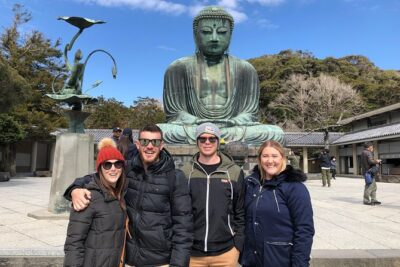
The location is also practical. It’s about a 10-minute walk from Kamakura Station, on the way toward the Great Buddha of Hase. That matters because you’ll probably be piecing together a full Kamakura day, and you don’t want a long commute eating up your time.
Coast-and-Buddha days near Kamakura, rated
- Tokyo: Kamakura & Enoshima Day Trip including Temple Tickets
★ 4.5 · 1,375 reviews - From Tokyo: Kamakura & Enoshima 1-Day Bus Tour
★ 4.5 · 189 reviews - Kamakura Historical Walking Tour with the Great Buddha
★ 5.0 · 129 reviews - Kamakura Private Tour: Temples, Nature, and the Great Buddha
★ 5.0 · 121 reviews
Sushi Making With a Chef Trained for 20+ Years
This isn’t a vague “try making sushi” experience. You’re working with instruction from a chef who trained and worked for over 20 years at Ginza’s most prestigious restaurants. That background shows up in how the workshop is described: it’s about technique, refinement, and understanding sushi craftsmanship as a real craft—not just a gimmick activity.
Your class centers on nigiri: hand-formed sushi where the rice and topping meet in a specific balance. You’ll learn the delicate parts that make nigiri work: how the rice should feel, how pieces come together, and how toppings are handled with care. Even if you’ve made sushi before, the value here is that you’re learning from someone with professional depth.
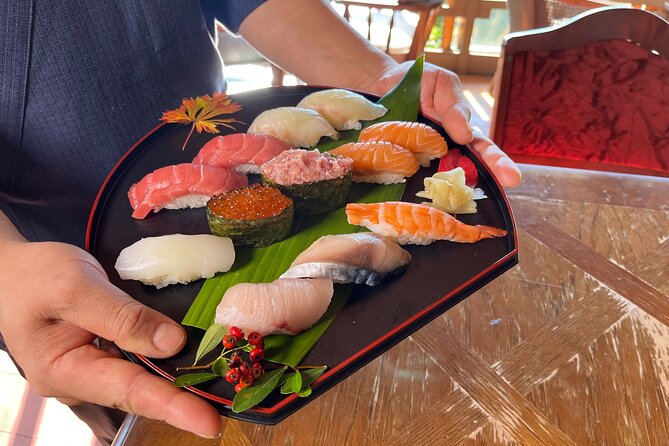
The chef also guides the selection and pacing of what you make. You’ll be producing 10 to 12 pieces during the session, using premium ingredients. The mix includes options like tuna, sea bream, shrimp, squid, yellowtail, and salmon roe. Since the exact selection is seasonal, the workshop stays fresh and tied to what’s available.
What You Actually Make: 10 to 12 Pieces of Nigiri
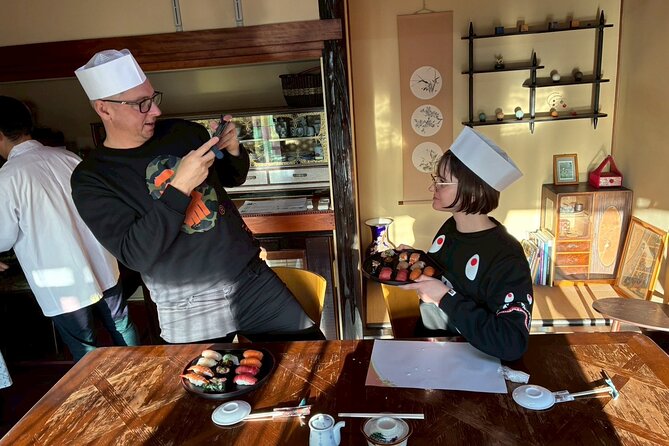
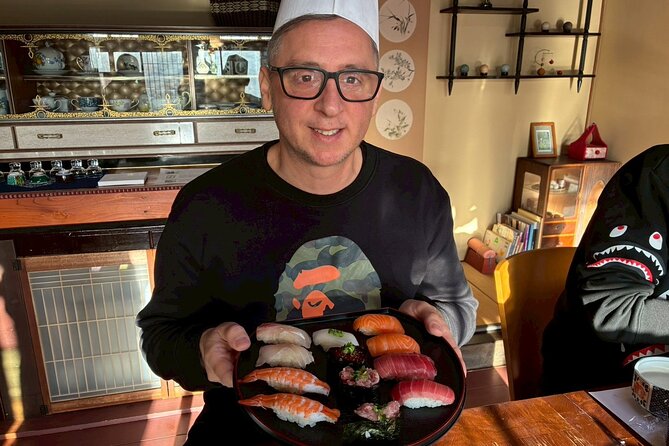
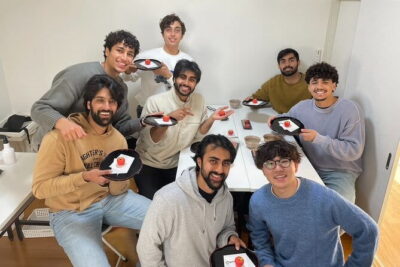
The meal included is straightforward and satisfying: you create and eat 10 to 12 pieces of nigiri sushi. That’s enough variety that you’ll get a sense of how different fish and seafood textures change the experience.
Here’s why that matters for you. In many short sushi activities, you might end up with a single roll concept or just one kind of nigiri. This one gives you multiple bites, so you can compare flavors in a real, practical way. You’ll also learn how toppings behave—how some pieces feel firmer, how roe changes the mouthfeel, and how richer fish tastes alongside vinegared rice.
Also, because the seafood is described as the same high quality as those served at high-end sushi restaurants, you’re not eating filler. You’re working with ingredients that are meant to be eaten as sushi, not “tourist sushi.”
The Garden + Fuji-Spot Potential: A Day-Feeling You Can Taste
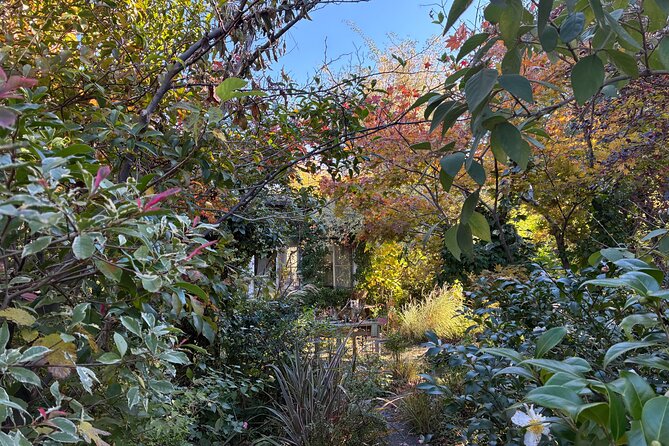
Even before you think about sushi technique, the atmosphere does work for you. The house sits in a serene garden with lush greenery, and the quiet setting makes it easier to focus on detail while you’re working. After a morning of walking around Kamakura, this kind of calm pause feels like a reset for your brain.
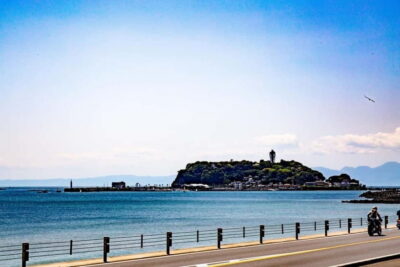
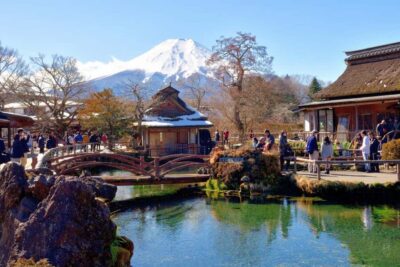
There’s also a bigger visual payoff. The venue is near the seaside area where you can see Mt. Fuji. The description notes that looking beyond Enoshima, Mt. Fuji can appear like a woodblock print scene. You won’t be staring at Fuji the entire class unless the day lines up perfectly, but knowing it’s in the broader viewing area helps this feel connected to Kamakura’s coastline, not just indoors.
And then you add the Enoden again. That constant little soundtrack keeps the space alive. It’s one of those details that makes a class feel like a true local moment.
Timing, Finding the House, and What the 1.5 Hours Feels Like
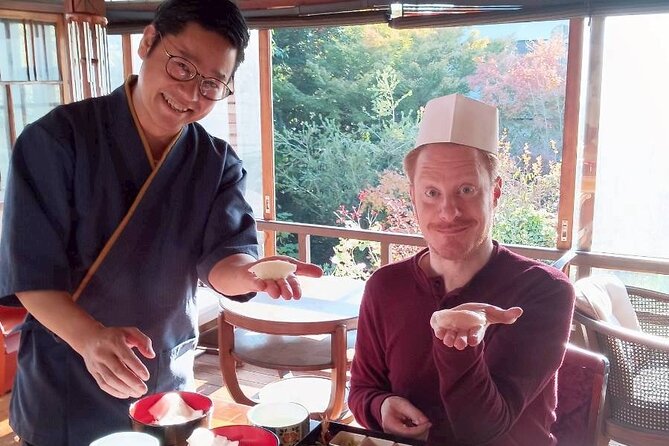
The session runs about 1 hour 30 minutes, with a start time of 10:30 am. With workshops like this, you want enough time to settle in, learn, make your pieces, eat them, and still walk away feeling like you didn’t rush. This length feels designed for that: not too short to be shallow, not too long to lose the thread.
Group size is capped at 10 travelers. That’s a meaningful detail. Smaller groups typically mean you get more personal attention, and the chef can help with technique rather than just doing a fast demo.
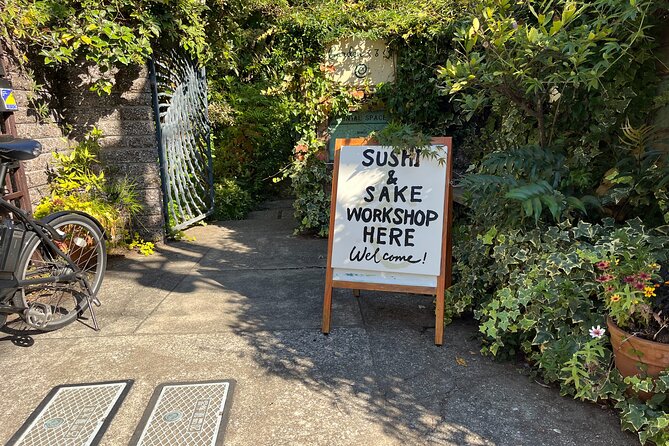
Finding the venue is usually manageable because it’s a short walk from Kamakura Station. Still, it’s a traditional house tucked into a quiet neighborhood, so it won’t look like a big storefront. I suggest giving yourself a little cushion when you’re navigating on foot—especially if you’re using your phone map and your signal is spotty.
- Kamakura: Private Guided Walking Tour with Local Guide★ 4.8 · 60 reviews
- Kamakura 4hr Private Trip with Government-Licensed Guide★ 5.0 · 58 reviews
- Kamakura Rickshaw Tour★ 5.0 · 53 reviews
- From Tokyo: Kamakura Full Day Tour with a Local Expert Guide★ 4.6 · 43 reviews
- When Emperors Reigned and Shoguns Ruled★ 5.0 · 43 reviews
Price and Value: What $74.93 Buys You in Kamakura
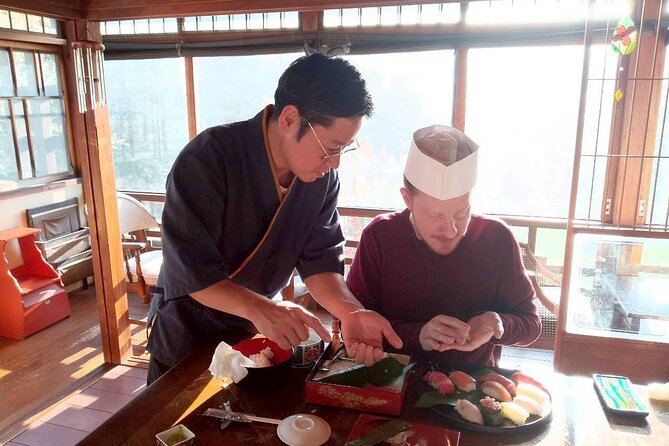
At $74.93 per person, this workshop sits in the mid-to-premium range for short food classes. The value comes from what you’re getting, not just the experience label.
You receive:
- 10 to 12 pieces of nigiri (meal included)
- Premium seafood such as tuna, sea bream, shrimp, squid, yellowtail, and salmon roe (selection varies seasonally)
- Instruction from a chef with 20+ years of high-end sushi work
- Access to a unique venue: a rare surviving century-old house
- A complimentary souvenir: a canvas inscribed with Kamakura Sushi Sake, hand-brushed by a professional calligrapher
That souvenir detail is more than cute paperwork. It turns the day into something you can keep, and it’s tied to the place and theme. If you care about bringing home something that feels Japanese without looking like typical tourist clutter, it’s a nice extra.
What you should watch: coffee and tea aren’t included, so you may want to plan around a nearby stop for drinks. If you want sake, there’s an option to add a sake experience course for an additional charge.
Alcohol, Allergies, and Weather: Practical Stuff That Can Affect Your Plan
Three practical notes that matter:
First, allergies. This experience is not recommended for individuals with food allergies. Sushi involves fish and seafood, and the workshop’s core is the ingredients list, so if allergies are a concern, you’ll want to skip this one unless you can clearly confirm safe substitutions. The listing doesn’t provide an allergy-handling promise.
Second, drinks. Coffee and/or tea aren’t included. That’s common for small workshops, but it can catch people off guard if you’re used to including beverages.
Third, weather. The experience requires good weather. If it’s canceled due to poor weather, you’ll be offered a different date or a full refund. That’s important for planning your Kamakura day—build in some flexibility so you’re not stuck if the sky doesn’t cooperate.
How to Pair It With a Classic Kamakura Day
Because it’s close to Kamakura Station and on the way toward the Great Buddha of Hase, the timing works well as a late-morning anchor. Start earlier with temples and viewpoints, then come here when you want a calmer break with real food.
A good flow looks like this:
- Morning sightseeing around Kamakura’s major sights
- Return closer to the station area
- Sit down for a focused workshop at 10:30 am
- Finish your day with a seaside walk where you might catch views of Enoshima and Mt. Fuji on clear days
If you’re traveling with a tight schedule, the workshop’s 1.5-hour slot makes it easy to plug into a day without turning your whole afternoon into “just getting there.”
Should You Book Sushi Making in a Century Old Kamakura Home?
You should book it if you want a sushi class that feels like it belongs in Kamakura, not like a food activity dropped into a generic venue. The century-old house, the garden setting, and the Enoden train running nearby make this one of those experiences that’s more than technique. Plus, with 10–12 pieces of nigiri and high-end fish options, you’ll leave fed and with a real skill you can reuse.
Skip it if you have food allergies or if you hate weather-dependent plans. Also, if you’re looking for a workshop that includes coffee/tea by default or comes with an alcohol package included, you’ll need to plan extra.
FAQ
What will I eat during the sushi making workshop?
You’ll make and eat 10 to 12 pieces of nigiri sushi. The ingredients are premium and seasonal, with examples including tuna, sea bream, shrimp, squid, yellowtail, and salmon roe.
How long is the experience?
The workshop runs for about 1 hour 30 minutes.
Where is the meeting point?
The meeting point is 2-chōme-7-12 Yuigahama, Kamakura, Kanagawa 248-0014, Japan.
Is the venue close to Kamakura Station?
Yes. The location is described as about a 10-minute walk from Kamakura Station.
Is sake included?
Sake isn’t automatically included. You have the option to add a sake experience course for an additional charge.
Is this suitable if I have a food allergy?
It is not recommended for individuals with food allergies based on the provided information.
More Tour Reviews in Kamakura
- Tokyo: Kamakura & Enoshima Day Trip including Temple Tickets
★ 4.5 · 1,375 reviews - From Tokyo: Kamakura & Enoshima 1-Day Bus Tour
★ 4.5 · 189 reviews - Kamakura Historical Walking Tour with the Great Buddha
★ 5.0 · 129 reviews - Kamakura Private Tour: Temples, Nature, and the Great Buddha
★ 5.0 · 121 reviews - Kamakura Walking Tour – The City of Shogun
★ 5.0 · 100 reviews
More Kamakura and Enoshima Days
- Tokyo: Kamakura & Enoshima Day Trip including Temple Tickets
★ 4.5 · 1,375 reviews - From Tokyo: Kamakura & Enoshima 1-Day Bus Tour
★ 4.5 · 189 reviews - Kamakura Historical Walking Tour with the Great Buddha
★ 5.0 · 129 reviews - Kamakura Private Tour: Temples, Nature, and the Great Buddha
★ 5.0 · 121 reviews - Kamakura Walking Tour – The City of Shogun
★ 5.0 · 100 reviews
Latest Kamakura reviews off our desk
Kamakura Day Trips, compared.
 ★ 4.5Kamakura & Enoshima Day Trip including Temple TicketsFrom $581,375 reviews
 ★ 4.5Mt. Fuji, Kamakura, Big Buddha, & Lake Ashi Day TripFrom $49867 reviews
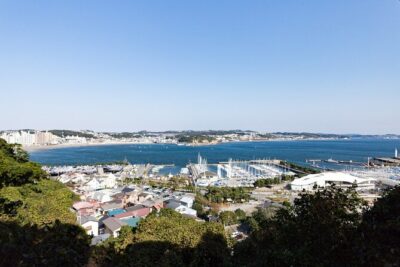 ★ 4.5From Tokyo: Kamakura & Enoshima 1-Day Bus TourFrom $66189 reviews
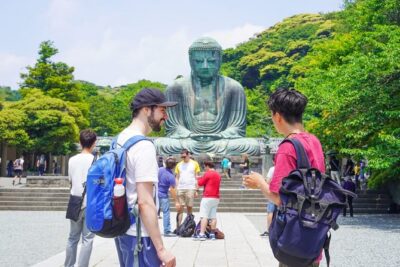 ★ 5.0Kamakura Historical Walking Tour with the Great BuddhaFrom $98129 reviews
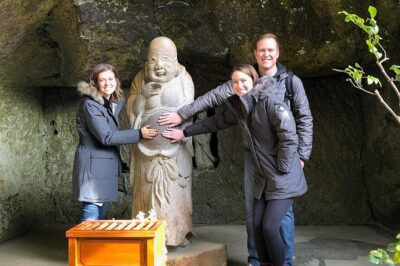 ★ 5.0Kamakura Private Tour: Temples, Nature, and the Great BuddhaFrom $98121 reviews
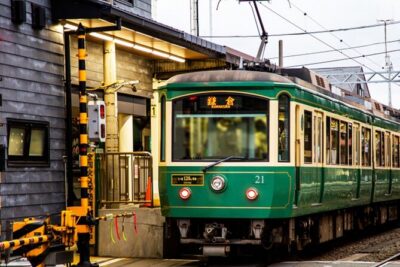 ★ 5.0Kamakura Walking Tour – The City of ShogunFrom $35100 reviews
 ★ 4.9Sea of Mount Fuji, Hakone Ropeway, Ōwakudani, EnoshimaFrom $5084 reviews
 ★ 5.0Kamakura 8 hr Private Walking Tour with Licensed Guide from TokyoFrom $20180 reviews
Browse the lists this tour appears in