
Reviewed · ASAKUSA & SENSOJI TOURS
Tokyo: Calligraphy Workshop Craft Your Own Art in Asakusa
Brush strokes, calm focus, and your own art. In Asakusa, I love the way a small class teaches Japanese stroke order and brush control step by step, with English support from instructor Mei. I also like that you finish with a true take-home calligraphy piece, using both traditional brushes and a modern fude pen. One possible catch: at 90 minutes, you’ll get solid practice, but not endless rehearsal if you’re the type to chase perfection.
This is a hands-on cultural stop in one of Tokyo’s most historic neighborhoods, held with a small group (10 max) so you aren’t lost in a crowd. The meeting point is Tokyo Tourist Lounge Asakusa on the 5th floor, which is easy to miss if you don’t read the sign carefully. The workshop stays beginner-friendly, and it’s designed to feel calm even though Tokyo outside is loud and fast.
You’ll start with basic shodo movements—how to hold the brush, how strokes behave, and how templates help you form characters correctly. Then you move into creative writing by copying and adapting characters you choose, with the option to use a brush and a fude pen for cleaner lines. The whole session is guided in English and framed as both craft and focus, so it’s a great reset in the middle of sightseeing.
In This Review
- Key points before you go
- Asakusa calligraphy in 90 minutes: what the class feels like
- Getting the hang of brush control and stroke order
- Traditional brush technique meets a modern fude pen
- Choosing characters and making a take-home calligraphy piece
- Why Asakusa pairs so well with shodo
- Price and value: is $38 a fair deal?
- Logistics that can trip you up (and how to avoid it)
- Who should book this calligraphy workshop?
- Should you book the Tokyo Asakusa calligraphy class with Mei?
- FAQ
- How long is the calligraphy workshop?
- Is prior calligraphy experience required?
- What language is the instruction in?
- What’s included in the workshop price?
- Do I need to bring any calligraphy tools?
- Can I choose what characters to write?
- How big is the group?
- Where do I meet the instructor?
- Is wheelchair access available?
- Is transportation included?
Key points before you go
- Mei’s English-led instruction makes shodo feel approachable, not intimidating
- Stroke order practice with templates helps beginners get results quickly
- Traditional brush + fude pen lets you learn classics and control modern tools
- Your artwork is real and take-home, not just a trial sketch
- Small group size (10 max) means you get attention when your lines wobble
- Asakusa’s setting adds context to a skill tied to Japanese daily life and culture
Asakusa calligraphy in 90 minutes: what the class feels like
This workshop is built like a skill sprint: enough time to learn the basics, practice them, and leave with a finished piece. Expect about 90 minutes (often described as 1 to 1.5 hours), paced for beginners, and structured so you’re not guessing what to do next.
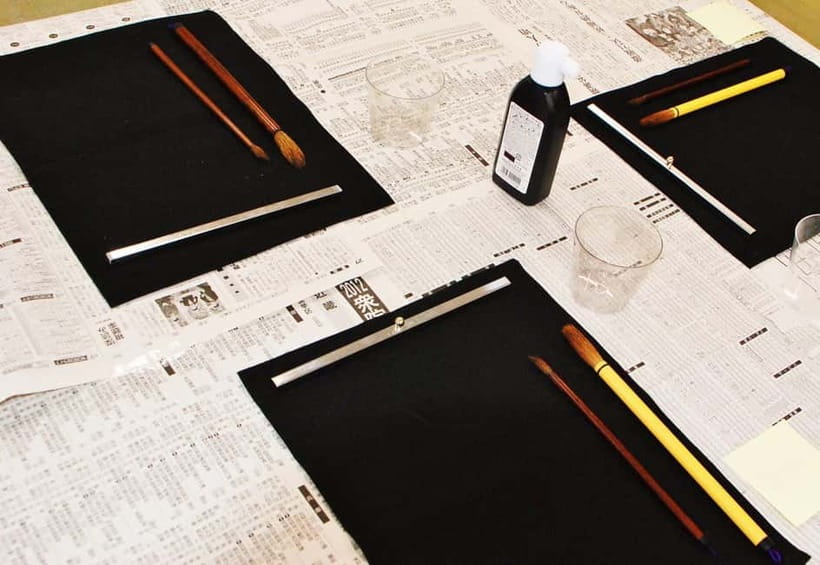
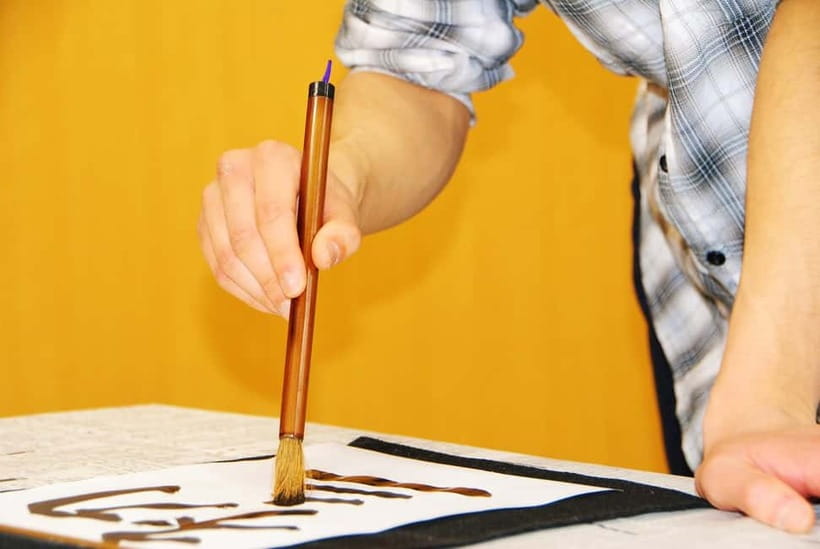
First, you’ll get set up at your desk with the tools and guidance you need. Then you’ll work through core fundamentals—brush grip, pressure, and the logic of stroke order—so your characters look intentional instead of random. It’s not only about copying. The instructor explains what the strokes are doing and why they matter, which helps your hand understand the pattern rather than just follow it.
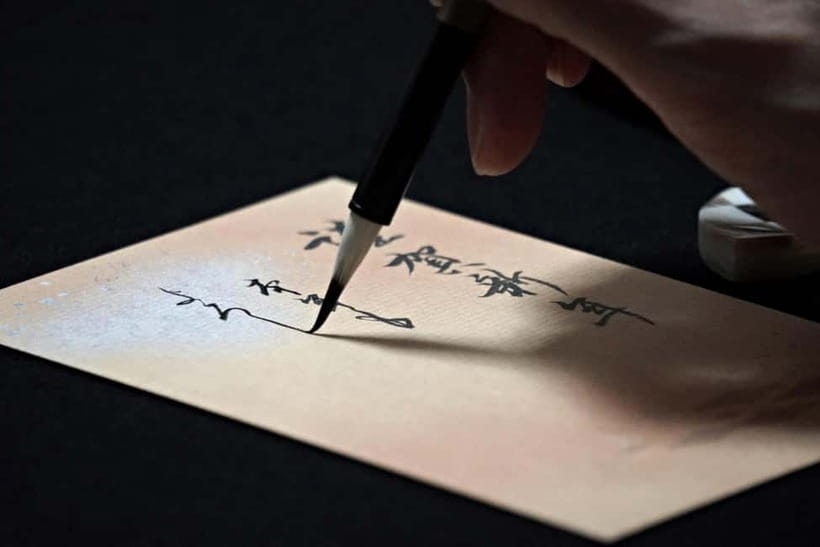
Once you get the hang of basics, you’ll shift into writing characters of your choice. That’s where the workshop becomes personal. You’re still learning technique, but now you’re making decisions: which character, what shape, what balance, and how to control your line. For many people, that’s the moment it stops feeling like a lesson and starts feeling like making art.
More temple mornings in old Asakusa
- Tokyo: Japanese Dance Cabaret Theater Asakusa-Kaguwa Ticket
★ 4.8 · 2,270 reviews - Tokyo: Meiji Shrine, Asakusa, Skytree Bus Tour and Cruise
★ 4.7 · 1,986 reviews - Tokyo: Roll and Authentic Sushi Making Class in Asakusa
★ 4.9 · 1,957 reviews - Tokyo: Asakusa Walking Tour with Sensoji Temple Visit
★ 4.8 · 1,583 reviews
Getting the hang of brush control and stroke order
If you’re worried about being “not artistic,” relax. This class is designed for people with no prior experience. The key is how they teach it: they focus on repeatable movements first, not vague advice like try your best.
You’ll practice brush control by learning how to manage pressure and direction so the line changes the way it should. That might sound small, but it’s the difference between a character that looks like a stamp and one that looks alive. You’ll also work on stroke order, the sequence that gives you the right flow and spacing. Once you understand the order, writing feels less like memorizing and more like following a path.
Templates show you what “correct” looks like, and that’s a huge help for beginners. Several past students highlighted how useful the templates are, especially when they’re trying to make their characters look clean. You’ll get practice time before you produce your final work, so you can adjust as you go instead of panicking at the last minute.
Here’s what to remember while practicing: calligraphy isn’t about drawing quickly. It’s about control. Slow is fine. In fact, slower usually means straighter strokes and steadier spacing.
Traditional brush technique meets a modern fude pen
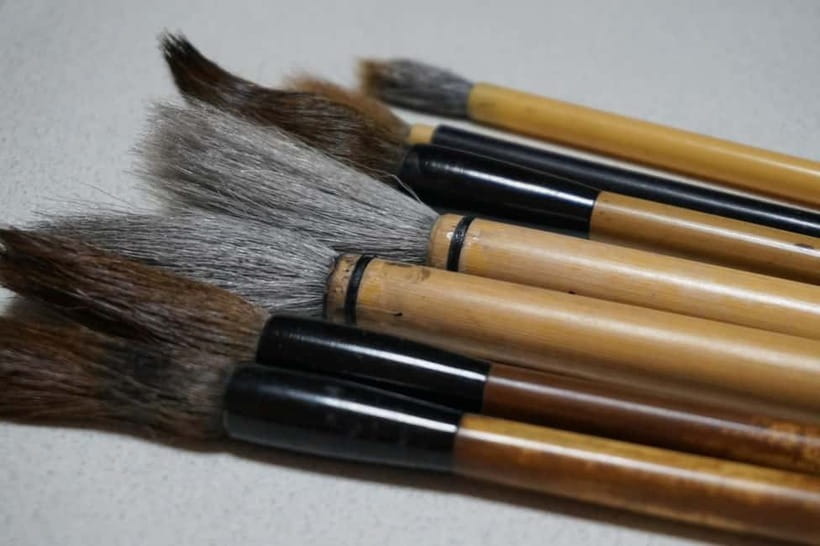
One of the smartest parts of this workshop is the tool mix. You’ll use traditional brushes and also a modern fude pen (brush pen). The traditional brush gives you the classic feel of shodo—lines that respond to pressure and movement. The fude pen gives you precision and easier repeatability, especially if you’re still mastering stroke angles.
This setup helps in two ways. First, it trains your hand to understand the stroke itself, not just how it looks. Second, the brush pen acts like training wheels for beginners. If your brush strokes are wavering, you’ll have a way to keep your line consistent while you refine your technique.
Don’t think of the modern tool as a cheat. It’s a practical option that helps you keep moving and produce a final piece you’re happy with. Past students praised the patience and coaching, and that aligns with what this tool combination enables: you can learn the art while still making something you want to display.
Choosing characters and making a take-home calligraphy piece
At the end, you create your own artwork to take home. That’s the real payoff. It turns a skill lesson into something tangible you can frame, hang, or gift.
You’ll write characters of your choice. That could be a name, a meaningful symbol, or something simple you like. The instructor guides you through the process and makes sure you have enough time to practice strokes before committing to your final piece. Multiple students specifically mentioned that they were encouraged to just get started and adjust as they learned.
There can also be format options depending on how the class is set up. One student shared that they produced work on a scroll, a fan, or a hard-backed square. You might have different choices, so pay attention when the instructor shows sample formats.
Whatever format you end up with, treat this as more than a souvenir. It’s evidence you learned something real: how to shape strokes, how to control line weight, and how Japanese calligraphy thinks in sequences. That’s why people keep talking about the value of leaving with their own finished artwork.
Why Asakusa pairs so well with shodo
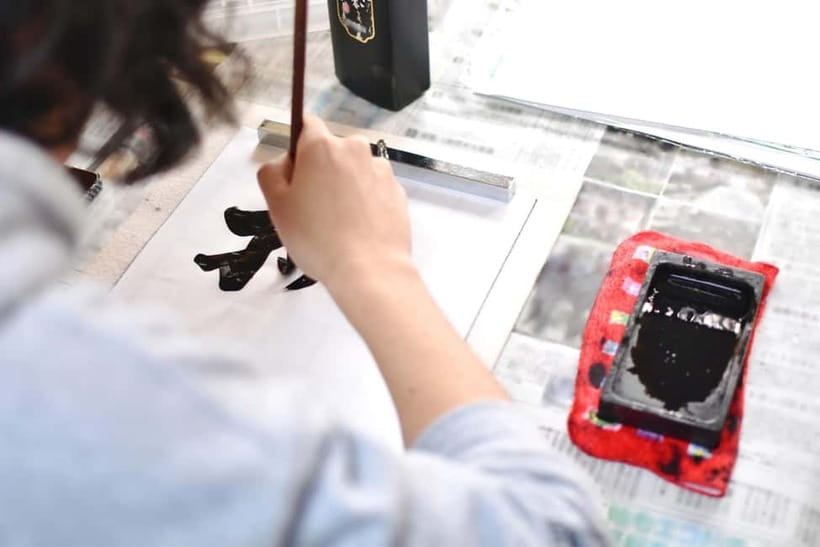
Asakusa is a smart place to do this. You’ll be in a district where old Tokyo still feels present, and calligraphy fits that mood. Shodo isn’t just decorative writing; it’s a way Japanese culture has long treated writing as craft and discipline.
Even if you don’t know much Japanese, the environment helps. The workshop includes cultural context, and students noted that Mei explained the history and significance of calligraphy, plus the ideas behind correct stroke formation. When you pair that explanation with hands-on practice, the lesson sticks better than any museum explanation alone.
Also, Asakusa is a good location for a calmer activity between busier sightseeing blocks. Several past students described the class as peaceful and even refreshing in the middle of Tokyo’s pace. If your day includes temples, crowds, and transit, a structured workshop can feel like hitting pause.
More hands-on studios our readers booked
- Tokyo Shinjuku Chopsticks Making Class★ 5.0 · 1,763 reviews
- Chopstick Making Workshop in Ginza★ 4.8 · 1,366 reviews
- Kintsugi Experience: Art of Golden Joinery in Tokyo★ 5.0 · 467 reviews
- Tokyo Chopstick Making Workshop with Artisan★ 5.0 · 466 reviews
- Tokyo: Shinjuku Chopstick Making Class★ 4.9 · 440 reviews
Price and value: is $38 a fair deal?
At $38 per person for about 90 minutes, this is priced like a true experience class, not a quick demo. What makes the value work is what’s included: instruction, tools, and the finished calligraphy you take home.
You get an English-speaking instructor, plus use of both traditional brushes and a modern fude pen. You’re also working in a small group limited to 10, which matters because calligraphy is skill-based. One-on-one coaching isn’t guaranteed, but small numbers do mean you can ask questions and get corrections.
The main cost-related thing to watch is that transportation isn’t included. So your real total depends on how you plan to get there from your hotel and how easy it is to reach the meeting point on the 5th floor.
Still, if you want a cultural activity where you leave with something you made, this pricing is hard to beat. It’s not just entertainment; it’s instruction tied directly to output.
Logistics that can trip you up (and how to avoid it)
Plan around timing and location. The class runs 90 minutes, so show up ready to work your full slot. The meeting point is Tokyo Tourist Lounge Asakusa on the 5th floor. If you arrive early, don’t linger downstairs thinking it’s the first floor—go up and check.
Because the session is hands-on, come with a mindset of patience. Your first strokes won’t look like the final ones. That’s normal. The structure is there so you practice first, then produce your final calligraphy.
Small group format also means you should be respectful of pacing. If you get distracted or talk too much while the instructor is demonstrating stroke order, you’ll feel it when your practice time runs out. If you like making things, this will feel great.
If you’re planning with flexibility, this option includes free cancellation up to 24 hours in advance for a full refund, and reserve now & pay later. That’s useful if your Tokyo schedule is still a draft.
Who should book this calligraphy workshop?
This workshop suits beginners the most. You don’t need prior experience, and the class is structured so your hand learns through repetition plus guidance. If you like art, you’ll enjoy it even more, since your final output is something you can actually display.
It also works well for people who want cultural context without a lecture marathon. Students highlighted both technique coaching and explanations about history and stroke formation. If you’re the type who wants meaning behind the craft, that blend is exactly what you’re getting.
If you’re traveling solo, it’s also a good choice because the small group format keeps the experience personal. If you’re traveling with kids, one past comment said it’s recommendable for adults and children, so it can be a fun shared activity—just confirm suitability when you book.
If you’re an advanced calligraphy person hoping for hours of technical refinement, the 90 minutes may feel short. But for a first serious lesson and a take-home piece, it’s a strong way to spend your time.
Should you book the Tokyo Asakusa calligraphy class with Mei?
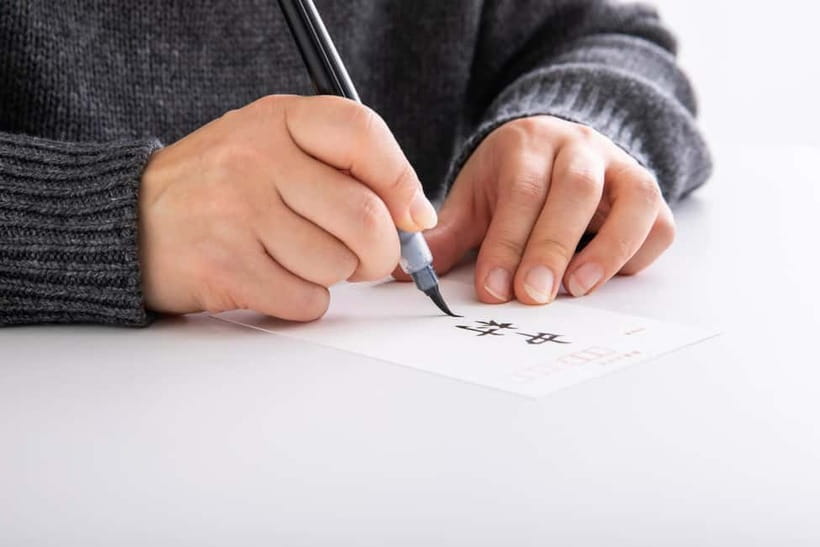
I’d book it if you want a hands-on Tokyo activity where you learn a real skill and leave with a finished artwork. The combination of stroke order coaching, small group attention, and the tool mix (traditional brush and fude pen) makes it beginner-proof.
I’d hesitate only if you need a low-effort, passively entertaining activity. This class asks you to write, practice, and focus. It’s calm, but it’s still work—in the best way.
If you’re choosing between another temple stop and a workshop, consider this: you’ll get to create something in your own name or symbols, and you’ll understand how Japanese calligraphy is built stroke by stroke. That’s a souvenir with a story you’ll remember.
FAQ
How long is the calligraphy workshop?
The workshop duration is 90 minutes, and it’s also described as 1 to 1.5 hours.
Is prior calligraphy experience required?
No. It’s suitable for beginners and no prior experience is required.
What language is the instruction in?
The instructor speaks English.
What’s included in the workshop price?
Included are the Japanese calligraphy workshop, an experienced instructor, use of traditional brushes, use of a modern fude pen, and your personal calligraphy artwork to take home.
Do I need to bring any calligraphy tools?
No. The workshop provides the traditional brushes and the modern fude pen.
Can I choose what characters to write?
Yes. You write characters of your choice during the creative part of the workshop.
How big is the group?
The class is a small group limited to 10 participants.
Where do I meet the instructor?
The meeting point is Tokyo Tourist Lounge Asakusa, located on the 5th floor of the building.
Is wheelchair access available?
Yes, it’s wheelchair accessible.
Is transportation included?
No. Transportation to and from the workshop is not included.
More Tour Reviews in Tokyo
- Mt Fuji and Hakone 1-Day Bus Tour Return by Bullet Train
★ 5.0 · 26,383 reviews - 1-Day Tokyo Bus Tour
★ 5.0 · 14,250 reviews - Tokyo: teamLab Planets TOKYO Digital Art Museum Entry Ticket
★ 4.6 · 9,779 reviews - Mt Fuji & Hakone Cruise, Drum Show Bullet Train 1 Day from Tokyo
★ 4.0 · 7,413 reviews - Tokyo: Shinjuku Food Tour (13 Dishes at 4 Local Eateries)
★ 5.0 · 6,603 reviews
More Artisan Workshops in Tokyo
- Tokyo Shinjuku Chopsticks Making Class
★ 5.0 · 1,763 reviews - Chopstick Making Workshop in Ginza
★ 4.8 · 1,366 reviews - Kintsugi Experience: Art of Golden Joinery in Tokyo
★ 5.0 · 467 reviews - Tokyo Chopstick Making Workshop with Artisan
★ 5.0 · 466 reviews - Tokyo: Shinjuku Chopstick Making Class
★ 4.9 · 440 reviews
More Mornings in Old Asakusa
- Tokyo: Japanese Dance Cabaret Theater Asakusa-Kaguwa Ticket
★ 4.8 · 2,270 reviews - Tokyo: Meiji Shrine, Asakusa, Skytree Bus Tour and Cruise
★ 4.7 · 1,986 reviews - Tokyo: Roll and Authentic Sushi Making Class in Asakusa
★ 4.9 · 1,957 reviews - Tokyo: Asakusa Walking Tour with Sensoji Temple Visit
★ 4.8 · 1,583 reviews - Tokyo Asakusa Rickshaw Tour
★ 5.0 · 1,375 reviews
Latest Tokyo reviews off our desk






Asakusa & Sensoji Tours, compared.
 ★ 4.8Japanese Dance Cabaret Theater Asakusa-Kaguwa TicketFrom $492,270 reviews
 ★ 4.7Meiji Shrine, Asakusa, Skytree Bus Tour and CruiseFrom $1221,986 reviews
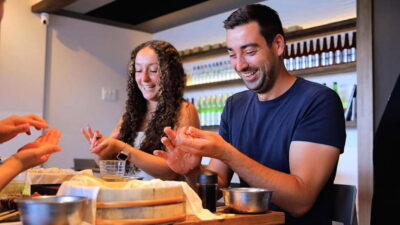 ★ 4.9Roll and Authentic Sushi Making Class in AsakusaFrom $581,957 reviews
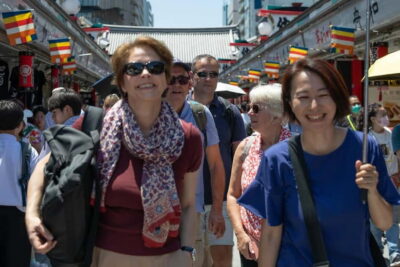 ★ 4.8Asakusa Walking Tour with Sensoji Temple VisitFrom $221,583 reviews
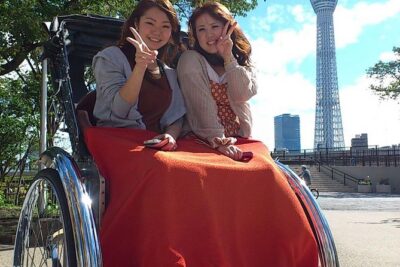 ★ 5.0Tokyo Asakusa Rickshaw TourFrom $421,375 reviews
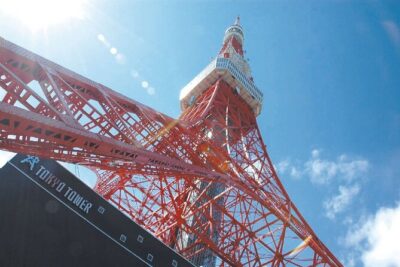 ★ 4.5Tokyo Panoramic 1 Day: Meiji Shrine, Asakusa, Odaiba and SKYTREE®From $851,222 reviews
 ★ 5.0Tokyo Go Kart: Asakusa, Skytree, and Akihabara **IDP MUST**From $99988 reviews
 ★ 4.7Asakusa, Skytree & Akhihabara Go-Kart City ExperienceFrom $96761 reviews
Browse the lists this tour appears in