
Reviewed · CRAFT & ARTISAN WORKSHOPS
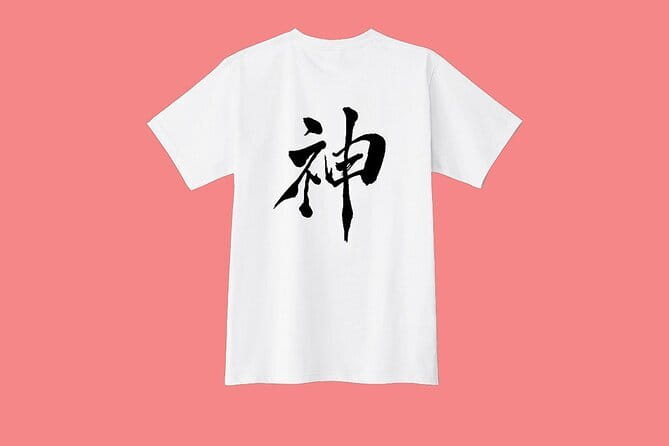
Tokyo: Calligraphy Workshop & Original T-Shirt Creation
Kanji in a T-shirt sounds wild, and it works. This 2-hour calligraphy class in Shinjuku gets you grinding an inkstick, learning brush basics, and taking home real artwork. I love the ink-making mindfulness and the way your name becomes kanji you write yourself. Just note: the T-shirt itself isn’t included in the $30 price, so you may want to budget for the shirt add-on if that’s your goal.
You’ll get an English-led experience with a professional sensei calligrapher, plus a host who explains what’s happening and how to improve your strokes. The small group size makes it easier to get personal help without the session feeling rushed.
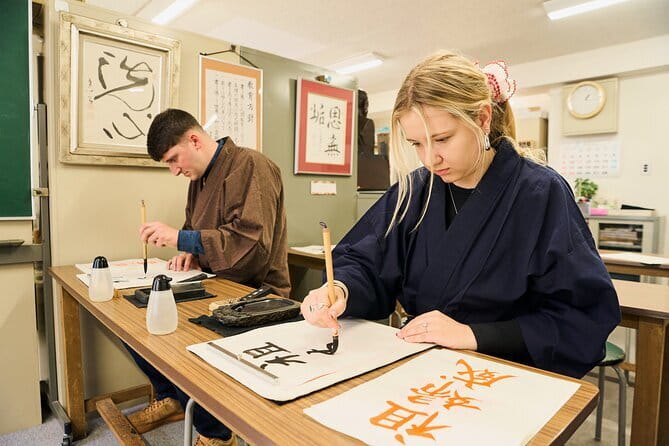
You meet at FamilyMart Okubo Station South Exit Store, then you switch into traditional workwear and settle in for a calm class that’s designed to work for kids too. If you want a break from Tokyo speed, this one has the right pace.
In This Review
- Key points at a glance
- Finding the workshop base near Okubo Station
- Why this meeting point works for most visitors
- The 2 hours: how the calligraphy class actually unfolds
- The real value of this order
- Grinding the inkstick: the slow start that makes the rest easier
- What you’ll notice right away
- Turning your name into kanji (and why it feels personal)
- A quick reality check
- Brush techniques and stroke order: where the sensei’s feedback matters
- The calm factor you’ll probably notice
- The T-shirt option: cool souvenir, not included in the base price
- Is the shirt worth it?
- English hosting: how you get unstuck without slowing the group
- Why that matters for value
- Supplies and tools: professional gear, not toy craft supplies
- Mess factor (what to expect)
- Price and value: why $30 can be fair, and what to plan for
- Who gets the best value
- Who should book this calligraphy workshop in Shinjuku
- A practical game plan for your calligraphy day
- Should you book Tokyo Calligraphy Workshop & Original T-Shirt Creation?
- FAQ
- How long is the Tokyo calligraphy workshop?
- Where do we meet in Shinjuku?
- What language is the workshop taught in?
- How big is the group?
- What’s included in the ticket price?
- Is the original T-shirt included?
- Will I be able to take something home?
- Is there a calligraphy teacher?
- Is this activity okay for kids?
- What’s the cancellation policy?
Key points at a glance
- Inkstick grinding first: you make your own ink before you pick up the brush
- Your name becomes Kanji: you’ll transform your characters and write them with guidance
- Professional tools and a real sensei: proper supplies and careful feedback matter here
- English support in a small group: capped at 10 so questions don’t get lost
- Take-home artwork: you leave with what you create (T-shirt is optional)
Finding the workshop base near Okubo Station
This workshop is anchored around Shinjuku, but it starts at a very specific spot: FamilyMart Okubo Station South Exit Store (1-23-21 Hyakunincho, Shinjuku-ku, Tokyo). Look for a guide holding a sign that says Local Guide Stars. It’s a simple setup, and that matters in busy Tokyo, where “walk 10 minutes and hope” is a gamble.
Once you’re with the group, everything else feels more organized. You’re not searching around for supplies or figuring out how the class works; you’re ushered into the right flow—workwear, tools, and instructions—so you can focus on the art.
More hands-on studios our readers booked
- Tokyo Shinjuku Chopsticks Making Class
★ 5.0 · 1,763 reviews - Chopstick Making Workshop in Ginza
★ 4.8 · 1,366 reviews - Kintsugi Experience: Art of Golden Joinery in Tokyo
★ 5.0 · 467 reviews - Tokyo Chopstick Making Workshop with Artisan
★ 5.0 · 466 reviews
Why this meeting point works for most visitors
Shinjuku is easy to reach, and Okubo is still close enough that you won’t feel like you’re commuting forever. If you’re already staying somewhere in the Shinjuku area, you’ll likely treat this as a quick, low-effort plan rather than a big outing.
The 2 hours: how the calligraphy class actually unfolds
The class runs about 2 hours and follows a clear progression: preparation, ink-making, brush practice, then your final piece tied to your name in kanji. The structure is what makes it beginner-friendly without turning it into a watered-down craft demo.
Here’s the rhythm you can expect:
1) Arrive, get settled, and switch into Japanese workwear
That change alone helps the day feel like a real ritual rather than a quick photoshoot.
2) Make ink from a solid inkstick
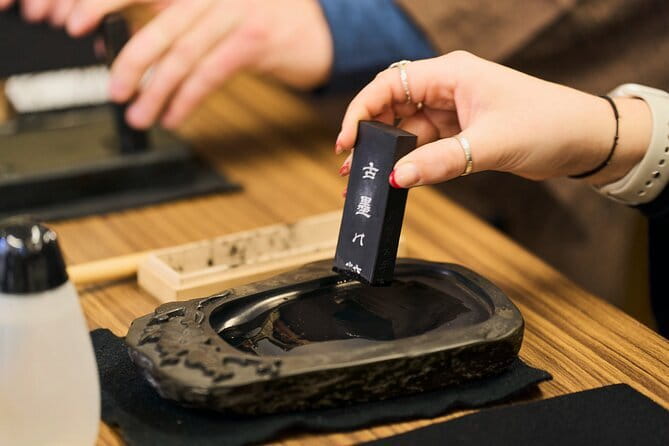
You grind the inkstick to create your own ink. This is the part that slows everything down in a good way, and it’s also where you’ll feel the most “mindfulness” effect, even if you’re not trying to be zen.
3) Practice basic brush techniques
Before you tackle your final work, you practice strokes so the brush doesn’t feel totally foreign. The goal isn’t perfection—it’s control.
4) Transform your name into kanji
You turn your name into kanji characters and learn what to write and how it’s arranged. This is a major highlight because you’re not copying generic calligraphy; you’re building something personal.
5) Create your final artwork and take it home
You write your kanji using the brush. For the T-shirt version, you write directly onto the shirt and design your piece (optional). You’ll leave with the artwork you made.
The real value of this order
If you jump straight to the final piece without learning brush control, the results usually look messy and people feel discouraged. This workshop’s sequence helps you get to the fun part while still learning enough to make your piece look intentional.
Grinding the inkstick: the slow start that makes the rest easier
Ink-making sounds like “extra work” until you do it. Then it clicks. Grinding the inkstick gives you time to slow down and focus, and it also teaches you something practical: how the ink behaves once it’s properly made.
You’ll experience a moment of mindfulness without needing any special attitude. It’s just you, the tools, and the steady rhythm of grinding. A lot of people in the group end up treating it like a reset during a hectic Tokyo visit.
Readers also shortlisted these Tokyo bookings:
- Sushi Making Tokyo Roll and Authentic Japanese Sushi Class★ 5.0 · 3,971 reviews
- Tokyo: Roll and Authentic Sushi Making Class in Asakusa★ 4.9 · 1,957 reviews
- Tokyo Shinjuku Chopsticks Making Class★ 5.0 · 1,763 reviews
- Tokyo: Sushi Making Class in a Happi Coat near a Famous Spot★ 4.9 · 1,377 reviews
- Chopstick Making Workshop in Ginza★ 4.8 · 1,366 reviews
What you’ll notice right away
Once the ink is ready, the brush work feels more responsive. You get a better sense of pressure, speed, and how thick or fluid the marks look. Even if you’re a first-timer, the class gives you a path from “I can’t do this” to “I understand what the strokes are supposed to do.”
Turning your name into kanji (and why it feels personal)
The most memorable part for many people is transforming their name into kanji. It’s not just “cool letters.” It ties your language curiosity to actual writing practice.
In a calligraphy class, your name is perfect because it forces you to deal with:
- character structure (the inside parts and outer shape)
- how strokes connect
- spacing and placement next to other characters
If your name maps into multiple possible characters, the class encourages choice. That’s a big reason it doesn’t feel like a template.
A quick reality check
Kanji brush writing is harder than it looks. You’re not drawing cartoon letters; you’re controlling motion and sequence. The workshop doesn’t hide that fact, but it also doesn’t leave you hanging. You’re taught stroke order and positioning so your piece can come out clean even if it’s your first time.
Brush techniques and stroke order: where the sensei’s feedback matters
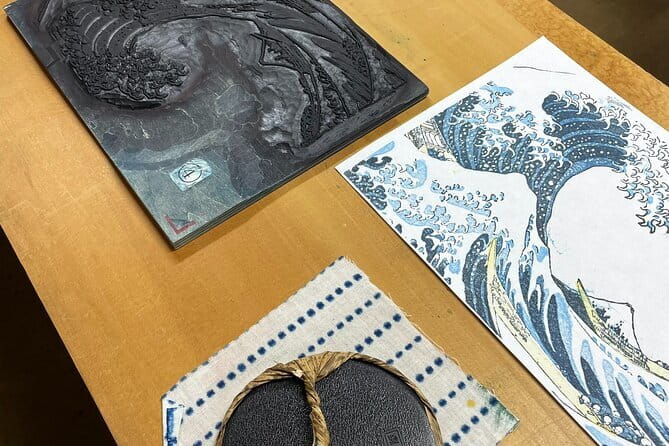
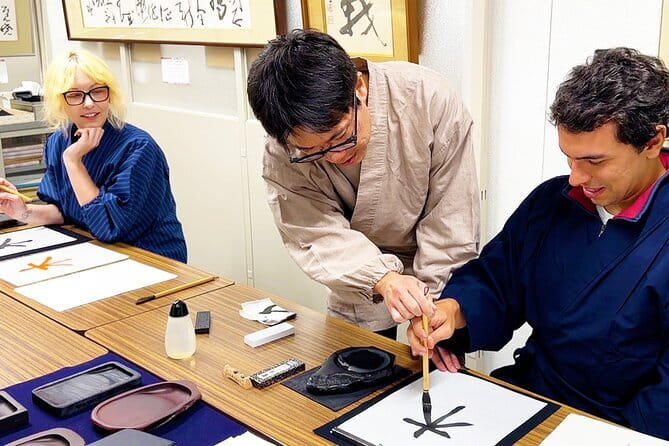
This is where a professional instructor earns their keep. The class includes a lesson with a calligrapher (sensei) who walks you through brush basics and then corrects what needs correcting. With English support from the host, the instructions don’t stay abstract.
From the way the class is described, you’ll get feedback on:
- brush stroke order
- how to position the characters together
- how to improve the look of your strokes
And because the group is limited (up to 10), you’re not stuck waiting your turn while others take all the attention.
The calm factor you’ll probably notice
The room tends to feel peaceful. People often comment on how the session brings a calm break from Tokyo’s nonstop motion. That’s not just a nice mood—it helps you do better calligraphy because you can actually concentrate.
The T-shirt option: cool souvenir, not included in the base price
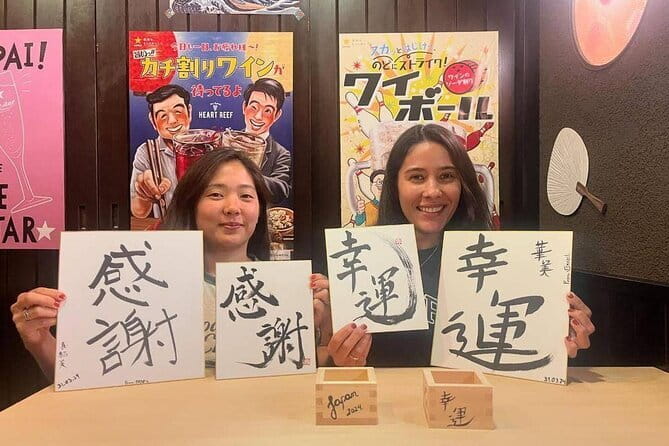
The workshop’s headline is making a T-shirt with your calligraphy, but the important detail is this: original T-shirts are not included in the $30 price.
So you have two scenarios:
- You choose the T-shirt option and write directly onto it to wear later as a souvenir.
- You skip the T-shirt and focus on what you’ll take home as artwork on its own. In practice, some participants choose not to do the shirt and still leave with a version of their name’s calligraphy.
Is the shirt worth it?
If you like wearable souvenirs and you want your work to be something you’ll actually use, the T-shirt option makes sense. If you just want a clean, framed-style keepsake, you might prefer sticking to the paper/calligraphy result and skipping the shirt.
Either way, you’re getting a take-home piece. The decision is mainly about what form you want your art in.
English hosting: how you get unstuck without slowing the group

A big part of this workshop’s success is the English translation and guidance. You’re not left to guess what the sensei means with hand gestures and chalk-like demonstrations.
You may work with an English host such as Hiromi or Mayuko-san, and the class is described as thorough and patient. The host helps you understand the steps, translate the meaning of what you’re learning, and keep things moving at the right pace.
Why that matters for value
Calligraphy has a learning curve. Without translation and feedback, most people would struggle through the motions and feel unsure about what they’re doing. Here, you get support that turns confusion into progress.
Supplies and tools: professional gear, not toy craft supplies
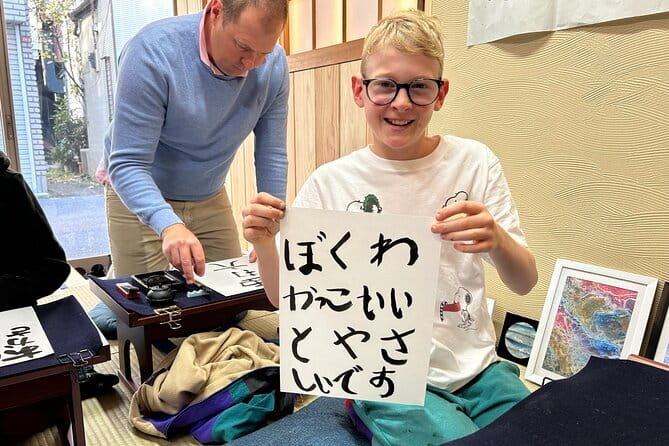
The workshop uses authentic professional tools. That sounds like marketing until you consider the brush behavior: real brushes and proper ink give you line variation and control you just can’t get from cheap kits.
You’ll use the supplies during the class, and you’ll leave with what you create. That makes the experience feel “complete,” not like a temporary hands-on demo that disappears when class ends.
Mess factor (what to expect)
You’ll be working with ink. That means you should expect some chance of getting ink on clothes or hands, even with workwear. Bring the mindset that this is a hands-on craft day. The workwear helps, but you’ll still want to be ready for ink to be ink.
Price and value: why $30 can be fair, and what to plan for
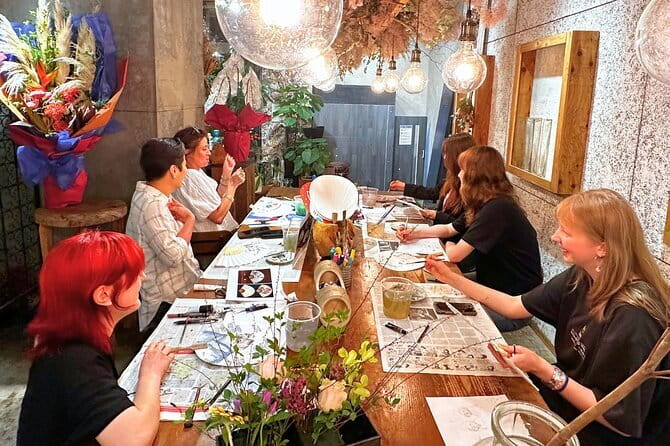
At about $30 per person for a 2-hour session, you’re paying for four things:
- guided instruction from a professional calligrapher
- English support for understanding and improvement
- hands-on materials used during class
- your take-home artwork
That’s a solid value mix, especially in Tokyo where many short activities charge more for much less instruction. The biggest cost consideration is that the T-shirt is not included, so if that’s your must-have souvenir, the total cost may be higher than the base price.
Who gets the best value
- First-timers who want structure and correction (not just a try-it-once craft)
- People who care about leaving with a meaningful souvenir, not only a photo
- Anyone who likes language and culture activities that go beyond surface level
Who should book this calligraphy workshop in Shinjuku
This is a great fit if you want something calmer than big-sightseeing days. It’s also a strong choice for families, since it’s designed to be enjoyable even for children.
It’s particularly good for:
- art lovers who enjoy hands-on learning
- people curious about Japanese writing systems and personal connection to kanji
- visitors who want a break that still feels authentic and not overly touristy
If you hate slow, quiet activities, ink-making might feel like a long intro. But if you like the idea of making your own tools and then creating something personal, this class suits that mindset well.
A practical game plan for your calligraphy day
To get the most from the 2-hour session, plan for concentration, not multitasking. Tokyo is loud and fast; this workshop asks you to slow down for a short stretch.
A simple game plan:
- arrive with enough time to find the FamilyMart meeting spot without stress
- wear something you’re comfortable with around ink (workwear is provided, but treat it like a craft session)
- don’t aim for perfect strokes; aim for learning what your brush is doing
The class is built so you’ll improve during the session, not just collect a souvenir for later.
Should you book Tokyo Calligraphy Workshop & Original T-Shirt Creation?
I’d book it if you want a meaningful, hands-on cultural activity in Shinjuku that’s small-group and guided in English, and if you like the idea of taking home your own kanji calligraphy. The inkstick-to-final-piece flow is the kind of experience that feels more “you made this” than “you watched this.”
Skip or reconsider the T-shirt add-on only if you prefer paper keepsakes or you’re trying to control total costs tightly. Either way, the core workshop is still the lesson plus your take-home artwork.
If you’re planning a Tokyo itinerary and you want one activity that’s calm, personal, and very Japanese in method, this one belongs on your list.
FAQ
How long is the Tokyo calligraphy workshop?
The workshop lasts about 2 hours.
Where do we meet in Shinjuku?
Meet at FamilyMart Okubo Station South Exit Store at 1-23-21 Hyakunincho, Shinjuku-ku, Tokyo, Japan.
What language is the workshop taught in?
The workshop is guided in English.
How big is the group?
It’s a small group limited to 10 participants.
What’s included in the ticket price?
Your experience includes an English guide, calligraphy supplies to use during the class, and take-home artwork.
Is the original T-shirt included?
No. Original T-shirts are not included, though you can write on a T-shirt as an optional part of the experience.
Will I be able to take something home?
Yes. You’ll take home your own artwork created during the workshop.
Is there a calligraphy teacher?
Yes. You’ll have a lesson with a professional calligrapher (sensei), with translation and support from the guide.
Is this activity okay for kids?
It’s designed to be enjoyable even for children.
What’s the cancellation policy?
You can cancel up to 24 hours in advance for a full refund.
More Workshops in Tokyo
- Sushi Making Tokyo Roll and Authentic Japanese Sushi Class
★ 5.0 · 3,971 reviews - Tokyo: Roll and Authentic Sushi Making Class in Asakusa
★ 4.9 · 1,957 reviews - Tokyo Shinjuku Chopsticks Making Class
★ 5.0 · 1,763 reviews - Tokyo: Sushi Making Class in a Happi Coat near a Famous Spot
★ 4.9 · 1,377 reviews - Chopstick Making Workshop in Ginza
★ 4.8 · 1,366 reviews
More Tour Reviews in Tokyo
- Mt Fuji and Hakone 1-Day Bus Tour Return by Bullet Train
★ 5.0 · 26,383 reviews - 1-Day Tokyo Bus Tour
★ 5.0 · 14,250 reviews - Tokyo: teamLab Planets TOKYO Digital Art Museum Entry Ticket
★ 4.6 · 9,779 reviews - Mt Fuji & Hakone Cruise, Drum Show Bullet Train 1 Day from Tokyo
★ 4.0 · 7,413 reviews - Tokyo: Shinjuku Food Tour (13 Dishes at 4 Local Eateries)
★ 5.0 · 6,603 reviews
More Artisan Workshops in Tokyo
- Tokyo Shinjuku Chopsticks Making Class
★ 5.0 · 1,763 reviews - Chopstick Making Workshop in Ginza
★ 4.8 · 1,366 reviews - Kintsugi Experience: Art of Golden Joinery in Tokyo
★ 5.0 · 467 reviews - Tokyo Chopstick Making Workshop with Artisan
★ 5.0 · 466 reviews - Tokyo: Shinjuku Chopstick Making Class
★ 4.9 · 440 reviews
Latest Tokyo reviews off our desk






Craft & Artisan Workshops, compared.
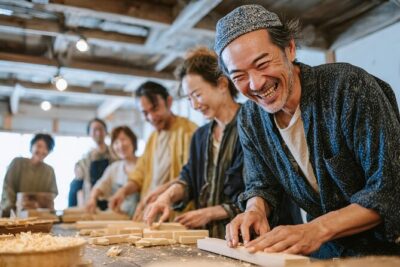 ★ 5.0Tokyo Shinjuku Chopsticks Making ClassFrom $201,763 reviews
 ★ 4.8Chopstick Making Workshop in GinzaFrom $251,366 reviews
 ★ 5.0Kintsugi Experience: Art of Golden Joinery in TokyoFrom $59467 reviews
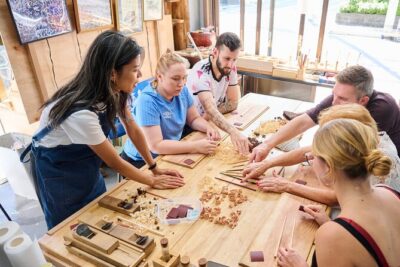 ★ 5.0Tokyo Chopstick Making Workshop with ArtisanFrom $26466 reviews
 ★ 5.0Authentic Pure Gold Kintsugi Workshop with Master Taku in TokyoFrom $142217 reviews
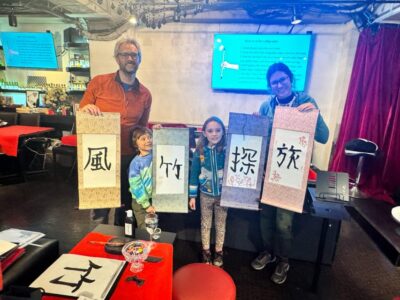 ★ 5.0Calligraphy on Kanji Fan & Scroll with DrinkFrom $53210 reviews
Browse the lists this tour appears in