
Reviewed · CRAFT & ARTISAN WORKSHOPS
Tokyo: Chopstick Making Workshop with Artisan
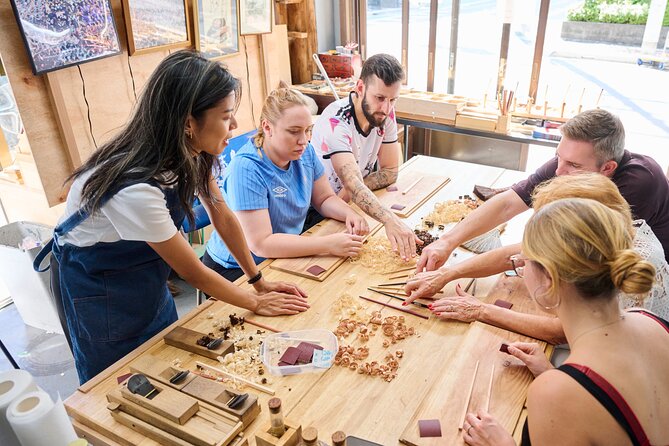
Carve your own chopsticks in one calm hour. This Tokyo chopstick making workshop is hands-on, guided by an artisan, and built for travelers who want something practical and quietly memorable. You’ll work with real tools and traditional techniques, then leave with chopsticks that feel personal, not store-bought.
I especially love the small-group pace and the way the staff talk you through each step while you’re doing it. The workshop also spends time on why chopsticks matter in everyday Japanese life, so your souvenir comes with context. One consideration: the session is only one hour, and a guest noted the experience can feel a bit rushed if the room is busy or staff are covering multiple groups.
In This Review
- Key things to know before you go
- A One-Hour Chopstick Workshop That Feels Like a Real Skill
- Finding Hashiyuki Chopsticks Shop & Workshop in Taito-ku
- Choose Your Wood: Included Types and Paid Upgrades
- What You Do During the Workshop (Step by Step)
- How hard is it?
- The Cultural Lesson That Turns Chopsticks Into a Story
- Small Group Size: Up to 10, With Real Attention
- One fair warning about time
- English Support and Instructor Help That Actually Helps
- Take Your Chopsticks Home the Same Day
- Engraving: the add-on that turns it into a gift
- Price and Value: Is $16 Worth It?
- Who Should Book This Workshop (and Who Might Skip It)
- Should You Book This Tokyo Chopstick Making Workshop?
- FAQ
- How long is the chopstick making workshop?
- How much does it cost?
- Where do I meet for the workshop?
- How many people are in a group?
- What languages are available during the workshop?
- What wood options are included?
- Will I take my chopsticks home the same day?
- Can I cancel and get a refund?
- Is there a pay-later option?
Key things to know before you go
- Traditional carving and finishing, done hands-on with provided tools
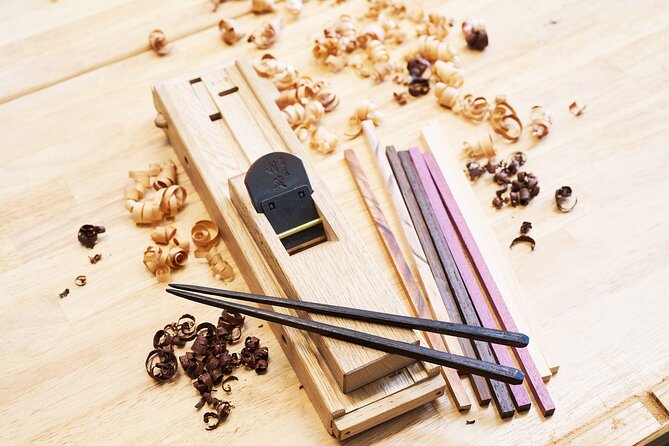
- Over 10 wood options, with 3 types included in the base price
- Same-day take-home for your personalized chopsticks
- Small group of up to 10, with English support available
- A short lesson on chopstick culture, not just the craft steps
- Optional engraving can turn your chopsticks into a true gift
A One-Hour Chopstick Workshop That Feels Like a Real Skill
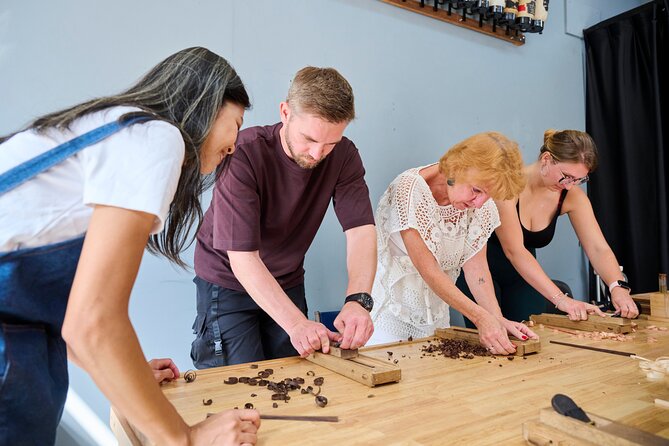
This isn’t a show where you watch someone else work. You sit down, start shaping wood, and get coached as you go. That alone makes it more satisfying than most “Tokyo hands-on” souvenirs, because you walk away with something you understand how to make—even if you’re brand new.
The best part is the rhythm. It’s calm, focused, and tactile: shave the wood, smooth it down, and finish your chopsticks so they’re pleasant to hold. Multiple guests describe it as relaxing and well run, with staff who keep you moving without taking over. If you’ve had enough of crowded attractions, this kind of hour can feel like a reset button.
More hands-on studios our readers booked
- Tokyo Shinjuku Chopsticks Making Class
★ 5.0 · 1,763 reviews - Chopstick Making Workshop in Ginza
★ 4.8 · 1,366 reviews - Kintsugi Experience: Art of Golden Joinery in Tokyo
★ 5.0 · 467 reviews - Tokyo Chopstick Making Workshop with Artisan
★ 5.0 · 466 reviews
Finding Hashiyuki Chopsticks Shop & Workshop in Taito-ku
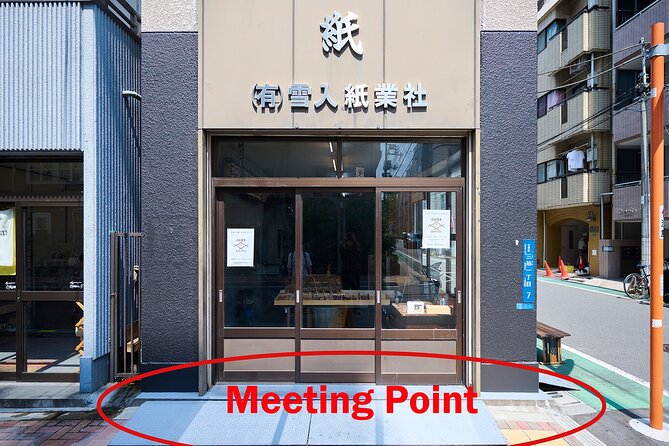
The meeting point is Hashiyuki Chopsticks Shop & Workshop, 1-7-1 Misuji, Taito-ku, Tokyo (雪入紙業社 / Yukiirishigyosya). The coordinates listed are 35.7032168, 139.7853879.
Practical tip: build in a few minutes of buffer. Craft workshops can be small and easy to miss if you arrive right on time. Once you’re inside, you’ll be guided through the process and set up with the tools and materials you need—so you don’t need to bring anything special.
Also, it’s wheelchair accessible, which is great for a workshop-style activity where movement inside can matter.
Choose Your Wood: Included Types and Paid Upgrades
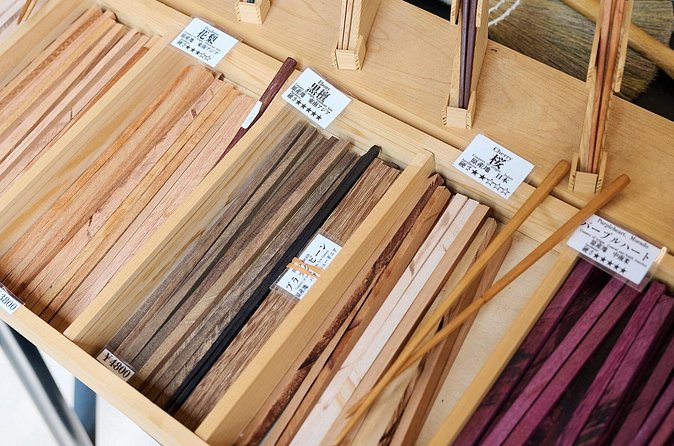
One of the smartest parts of this workshop is the wood selection. You can choose from over 10 types of wood, and the base experience includes 3 wood types free of charge. Higher-grade woods are available for an additional fee.
Why this matters: wood changes the feel of the chopsticks. Some woods are easier to sand and finish; others may look more striking once you polish them. Even if you don’t know the differences yet, the staff can explain what you’re picking and what outcome to expect.
A tip I’d follow: if you want your chopsticks to look like a gift, it’s worth spending time on the wood choice. One guest even suggested paying extra for the details (like engraving), saying it made the final piece feel special.
What You Do During the Workshop (Step by Step)
The session runs 1 hour. In that time, you carve your own wooden chopsticks using traditional tools and techniques. Then you smooth the surface and finish them so they’re ready to use right away.
Here’s the flow of what you can expect:
- Getting set up with the workshop tools and your chosen wood
- Shaping and carving your chopsticks with guidance from the artisan
- Sanding/smoothing to make the surface comfortable in your hand
- Finishing so the chopsticks feel complete
- Personalization options like engraving (available for an added fee)
What stood out in the feedback is how patient and practical the instructors are. Names that came up include Yuki, Angie Sensei, Chihiro, Tomo, Kaana, and Victoria. People repeatedly mention that they kept things clear, helped fix small mistakes, and made the process feel manageable rather than stressful.
How hard is it?
It’s challenging in a good way. One guest said it was difficult enough to be fun but not so hard it became frustrating. If you like crafts but want clear coaching, this is a good match. If you hate working with tools at all, you might find the carving step a little fussy—but the staff are there to help you get to a result you’ll be proud of.
Readers also shortlisted these Tokyo bookings:
- Sushi Making Tokyo Roll and Authentic Japanese Sushi Class★ 5.0 · 3,971 reviews
- Tokyo: Roll and Authentic Sushi Making Class in Asakusa★ 4.9 · 1,957 reviews
- Tokyo Shinjuku Chopsticks Making Class★ 5.0 · 1,763 reviews
- Tokyo: Sushi Making Class in a Happi Coat near a Famous Spot★ 4.9 · 1,377 reviews
- Chopstick Making Workshop in Ginza★ 4.8 · 1,366 reviews
The Cultural Lesson That Turns Chopsticks Into a Story
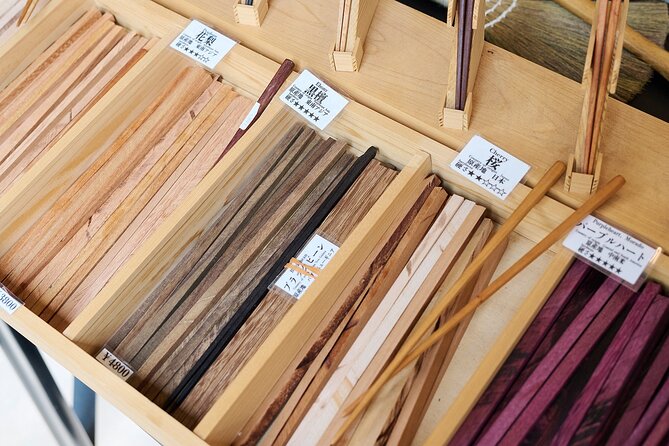
You’re making an everyday object, so the workshop adds meaning in a smart way: you learn about the cultural significance of chopsticks in Japan as part of the experience.
This matters because it changes the souvenir from an object to a story. You’re not just bringing home a carved stick; you’re bringing home something tied to daily meals and etiquette. Guests described the cultural explanation as informative, and many appreciated that it made the workshop feel deeper than a simple craft lesson.
It also helps that the instructors connect with you personally. Several reviews mention friendly conversations—everything from Japanese life to even Scotland—so the cultural piece lands in a human way, not like a lecture.
Small Group Size: Up to 10, With Real Attention
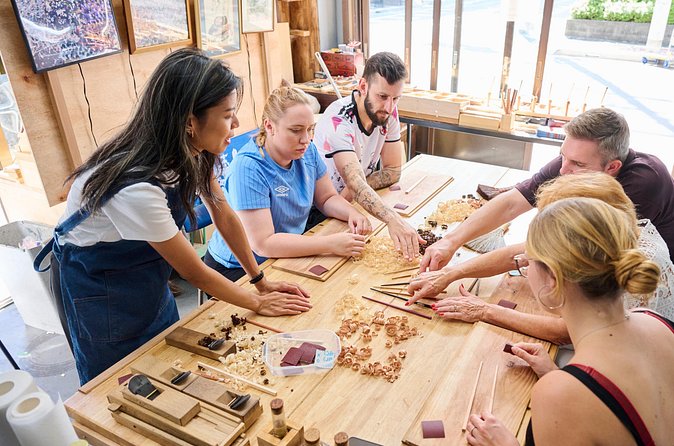
This workshop is a small group limited to 10 participants. That size makes a big difference. When you’re carving and sanding, you don’t want to wait around while someone fixes one person’s tool angle. You want feedback while you’re working.
The reviews reflect that many guests liked the intimate setup. People mention guides checking in, helping adjust, and keeping the room supportive. A small group also makes the time feel more personal, especially if you’re traveling solo or with kids. One family even said it worked across a wide age range, from early teens to adults.
One fair warning about time
A small number of guests felt the workshop could feel rushed in the one-hour window, especially when staff had to cover multiple people or groups weren’t starting in sync. That doesn’t mean the experience is bad—it just means you should go in expecting speed and focus. If you want a long, slow craft day, this might not be your best fit.
English Support and Instructor Help That Actually Helps
The workshop lists English and Japanese support, and guests repeatedly confirm the English-speaking staff are clear and helpful.
This shows up in the way they guide you:
- They explain instructions step by step
- They help correct mistakes while you’re still at the carving/sanding stage
- They offer encouragement so you don’t feel behind
Even one guest who booked for just two people highlighted how accommodating the small-group setup felt. Another mentioned the staff gave tips and recommendations for the rest of their Tokyo stay—like an excellent ramen lunch—which is the kind of bonus you don’t get from purely transactional experiences.
Take Your Chopsticks Home the Same Day
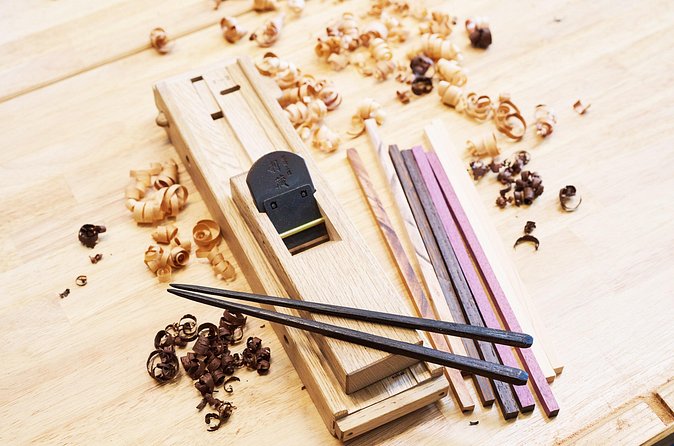
Yes, you can take your chopsticks home the very same day. That’s a big practical win. You don’t have to carry a complicated shipping plan or worry about whether your souvenir will arrive broken.
Also, your chopsticks are personalized—so they aren’t just “a set that looks similar.” Guests described enjoying the end result and the sense that they created something they’ll use for years. One person even picked names for gifting, including engraving a friend’s name.
Engraving: the add-on that turns it into a gift
Engraving is optional and can add real emotional value. One guest specifically said it was worth the extra cost (they cited an additional ¥1,000) and praised how beautifully it was done. If you’re thinking of this as a present, engraving is usually the difference between a souvenir and a keepsake.
Price and Value: Is $16 Worth It?
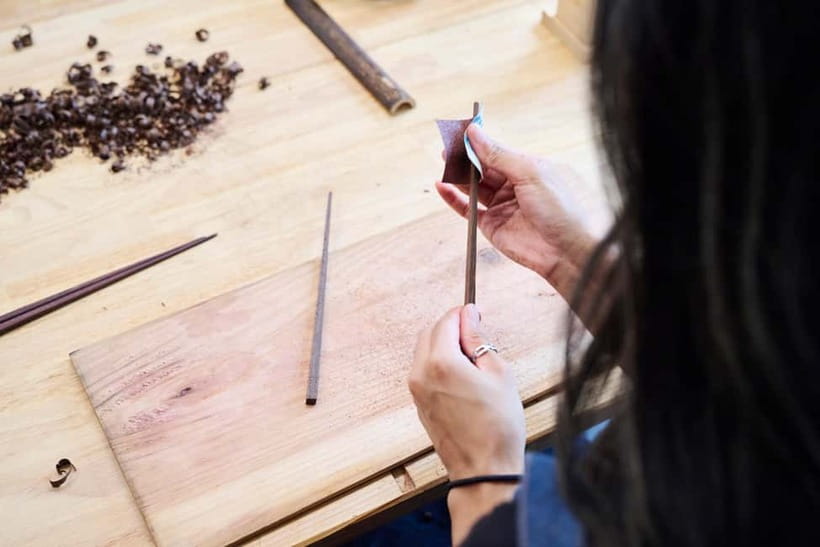
At $16 per person for a one-hour workshop, this is priced like a thoughtful activity, not a premium “tour price.” And compared to many souvenirs you buy in bulk, you’re paying for labor, coaching, and an outcome you personally made.
Here’s where the value shows up:
- You get tools, materials, and guidance included
- You choose from multiple wood types, not just one option
- Your finished chopsticks are yours to take home immediately
- The cultural context is part of the deal, not an afterthought
If you compare it to a standard shop purchase, you’re paying extra for the experience and the coaching. If you enjoy crafts, this tends to feel like money well spent. If you’re traveling ultra-light and hate hands-on activities, you might prefer a lower-effort souvenir. But if you’re even slightly curious about making, the value is strong.
Who Should Book This Workshop (and Who Might Skip It)
I’d put this at the top of the list for:
- First-time visitors who want an authentic, low-key Tokyo experience
- Travelers who like hands-on activities more than museum-style stops
- Couples and friends who want a shared “we made this” moment
- Families looking for a structured craft activity that’s not too long
- Solo travelers who want staff interaction and a calm break from the city
You might reconsider if:
- You strongly dislike using tools or working carefully with your hands
- You want a long, slow workshop with zero time pressure
- You’re expecting a private lesson (the group is small, but it’s not one-on-one)
Should You Book This Tokyo Chopstick Making Workshop?
Book it if you want a practical souvenir with real meaning. The best reasons are simple: you carve something yourself, you get guidance from friendly instructors (often including English support), and you take home chopsticks that feel personal. The small group size keeps the experience from feeling like a factory line.
Skip it only if you know you won’t enjoy the pace of a one-hour craft session, or you’d rather spend your time elsewhere. But if you’re open to hands-on work—even a little—the workshop is a strong use of time in Tokyo.
If you do book, I’d arrive with the right mindset: focus on the process, not perfection. The staff help correct mistakes, and your finished chopsticks will be more satisfying because you made them.
FAQ
How long is the chopstick making workshop?
The workshop lasts 1 hour.
How much does it cost?
It costs $16 per person.
Where do I meet for the workshop?
You meet at Hashiyuki Chopsticks Shop & Workshop, 1-7-1 Misuji, Taito-ku, Tokyo (雪入紙業社 / Yukiirishigyosya).
How many people are in a group?
The group is limited to 10 participants.
What languages are available during the workshop?
English and Japanese are available.
What wood options are included?
You can choose from over 10 types of wood. Three types are included free of charge, and other high-grade woods cost extra.
Will I take my chopsticks home the same day?
Yes, you take your personalized chopsticks home on the same day.
Can I cancel and get a refund?
Free cancellation is available up to 24 hours in advance for a full refund.
Is there a pay-later option?
Yes. You can reserve now and pay later, meaning you don’t pay anything today.
More Workshops in Tokyo
- Sushi Making Tokyo Roll and Authentic Japanese Sushi Class
★ 5.0 · 3,971 reviews - Tokyo: Roll and Authentic Sushi Making Class in Asakusa
★ 4.9 · 1,957 reviews - Tokyo Shinjuku Chopsticks Making Class
★ 5.0 · 1,763 reviews - Tokyo: Sushi Making Class in a Happi Coat near a Famous Spot
★ 4.9 · 1,377 reviews - Chopstick Making Workshop in Ginza
★ 4.8 · 1,366 reviews
More Tour Reviews in Tokyo
- Mt Fuji and Hakone 1-Day Bus Tour Return by Bullet Train
★ 5.0 · 26,383 reviews - 1-Day Tokyo Bus Tour
★ 5.0 · 14,250 reviews - Tokyo: teamLab Planets TOKYO Digital Art Museum Entry Ticket
★ 4.6 · 9,779 reviews - Mt Fuji & Hakone Cruise, Drum Show Bullet Train 1 Day from Tokyo
★ 4.0 · 7,413 reviews - Tokyo: Shinjuku Food Tour (13 Dishes at 4 Local Eateries)
★ 5.0 · 6,603 reviews
More Artisan Workshops in Tokyo
- Tokyo Shinjuku Chopsticks Making Class
★ 5.0 · 1,763 reviews - Chopstick Making Workshop in Ginza
★ 4.8 · 1,366 reviews - Kintsugi Experience: Art of Golden Joinery in Tokyo
★ 5.0 · 467 reviews - Tokyo Chopstick Making Workshop with Artisan
★ 5.0 · 466 reviews - Tokyo: Shinjuku Chopstick Making Class
★ 4.9 · 440 reviews
Latest Tokyo reviews off our desk




Craft & Artisan Workshops, compared.
 ★ 5.0Tokyo Shinjuku Chopsticks Making ClassFrom $201,763 reviews
 ★ 4.8Chopstick Making Workshop in GinzaFrom $251,366 reviews
 ★ 5.0Kintsugi Experience: Art of Golden Joinery in TokyoFrom $59467 reviews
 ★ 5.0Tokyo Chopstick Making Workshop with ArtisanFrom $26466 reviews
 ★ 5.0Authentic Pure Gold Kintsugi Workshop with Master Taku in TokyoFrom $142217 reviews
 ★ 5.0Calligraphy on Kanji Fan & Scroll with DrinkFrom $53210 reviews
Browse the lists this tour appears in