
Reviewed · COOKING CLASSES
Tokyo Cute Bento Cooking Class – Make a Kawaii Character Lunchbox
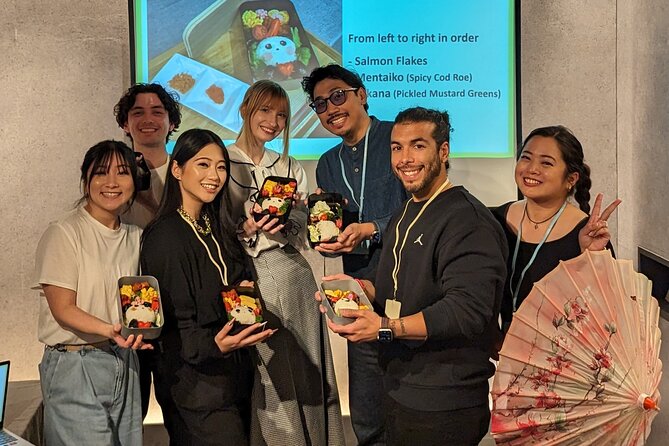
Cute food art is harder than it looks. This Tokyo class turns kawaii (cute) bento into a real, edible lunchbox, with clear step-by-step help from instructors like Kenji. You also get set up for photos as part of the workshop, so your character creations end up looking like they belong in a manga panel.
I especially like how the activity balances food craft with actual Japanese context—bento culture, layout ideas, and practical techniques you can repeat later. And yes, you leave with what you made, so it works as a meal plan too, not just a demo.
One possible drawback: the location is underground in Akasaka, tucked under a ramen shop, so it can take a minute to find the entrance the first time. Plan a little extra time to arrive.
In This Review
- Key things to know before you go
- Why kawaii bento feels like cooking plus craft
- A smooth 2-hour flow you can fit into Tokyo days
- Meeting at Akasaka and finding the underground studio
- The 15-minute bento culture intro that actually helps
- Hands-on bento building: character layout, edible details, and tools
- You might also learn small Japanese technique add-ons
- Photography time: make it look like it belongs on your feed
- Eating what you made: a lunch you’ll remember
- Dietary needs: vegetarian/vegan and allergy support
- Price and value: what $66.07 buys you in Tokyo
- Who this class suits best (and who may want a different plan)
- Should you book Tokyo Cute Bento Cooking Class?
- FAQ
- What language is the class taught in?
- How long is the experience?
- Can dietary restrictions and allergies be accommodated?
- Do I get to take the bento home?
- How big is the group?
- What’s the cancellation policy?
Key things to know before you go
- Small group size (up to 12) makes it easy to get help while you’re building your lunchbox
- English-friendly workshop with clear instructions and support from the team
- Photo session with backdrops for the finished bento, not just a quick snap
- Pre-prepped ingredient sets and tools so you’re crafting, not hunting around the kitchen
- Dietary accommodations including vegetarian/vegan and specific allergy needs like no nuts and no milk
Why kawaii bento feels like cooking plus craft

Kawaii bentos are basically edible design. You’re not only making food—you’re arranging it so it reads instantly as a character or theme: cute shapes, tidy sections, and little details that make the lunchbox fun to open.
What makes this class appealing is that it keeps the mood playful without turning it into a random art project. You get structure: the instructors show you how to assemble, where each element goes, and how to make it look good and taste good. Kenji and the team (including helpers like Saori and others on different days) keep the pace comfortable and explain things in plain terms, including for beginners.
You also get to work like a maker. Multiple participants end up creating things like panda- or animal-themed bentos, and people of different ages can follow along. If you like food that’s also visual, this hits that sweet spot.
Readers also shortlisted these Tokyo bookings:
- Ramen & Gyoza Cooking Class in Tokyo with Local Supermarket Visit
★ 5.0 · 823 reviews - Tokyo: Easy Ramen Cooking Experience in Kabukicho, Shinjuku
★ 4.6 · 321 reviews - Ramen and Sushi Cooking Class with Sake Pairing Set in Tokyo
★ 5.0 · 291 reviews - Tokyo: Wagyu and 7 Japanese Dishes Cooking Class
★ 4.9 · 273 reviews
A smooth 2-hour flow you can fit into Tokyo days
The workshop is about 2 hours, and the timing is built for you to finish with both a result and an actual lunch. Here’s how the class is paced:
First comes a short introduction to bento culture. This isn’t a long lecture. It’s quick context so you understand why Japanese lunchboxes are assembled the way they are.
Then you get the main work: hands-on bento making for about an hour. This is where you’ll place items, shape pieces, and build your themed character look.
Next is the photo session. This matters more than it sounds. If you’ve ever built something in a class and then couldn’t find the right angle, you’ll appreciate that they set up a backdrop and give you time to shoot your finished lunchbox.
Finally, you eat what you made—about 30 minutes. That keeps the experience grounded. You leave with a meal you helped create, not just something pretty to look at.
Meeting at Akasaka and finding the underground studio
The meeting point is in Akasaka, Minato City: Tokyo Cute BentoJapan at 2-chōme-21, underground level (地下一階). It’s near public transportation, which is a plus for a neighborhood-day plan.
Here’s the practical part: several people mention the venue is one floor down under a ramen shop. That means you should:
- arrive with a few minutes buffer
- double-check your phone map route before you commit
- be ready for a stairwell or elevator entry, since it’s not street-level
Nothing kills the vibe faster than running late while trying to find an entrance. Once you’re inside, the facilities are described as modern and well set up.
The 15-minute bento culture intro that actually helps
That early intro is short on purpose. You don’t want to waste an hour in Tokyo listening when your cutting board is already calling.
Still, it’s useful. You’ll get a sense of what makes bento work as a Japanese food-art tradition—how portioning and arrangement matter, why character lunches are popular, and what bento culture values like neatness, convenience, and seasonal creativity.
It also sets you up for the main build. When you understand that the lunchbox is meant to be opened, admired, and eaten, you stop treating it like a random plate and start treating it like a composition.
Hands-on bento building: character layout, edible details, and tools
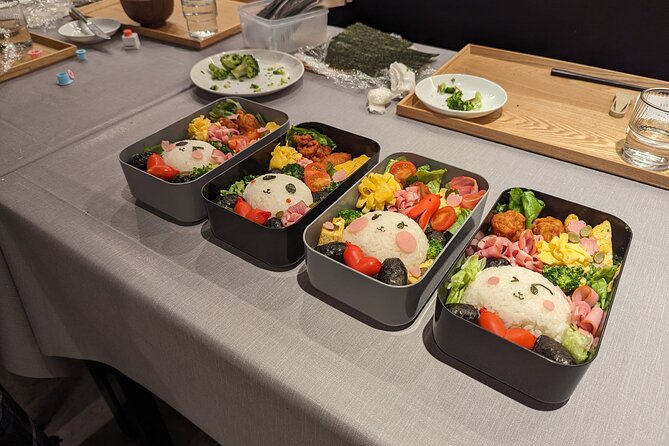
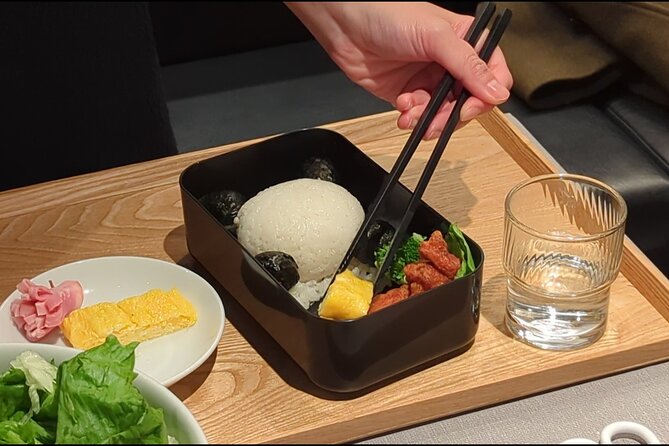
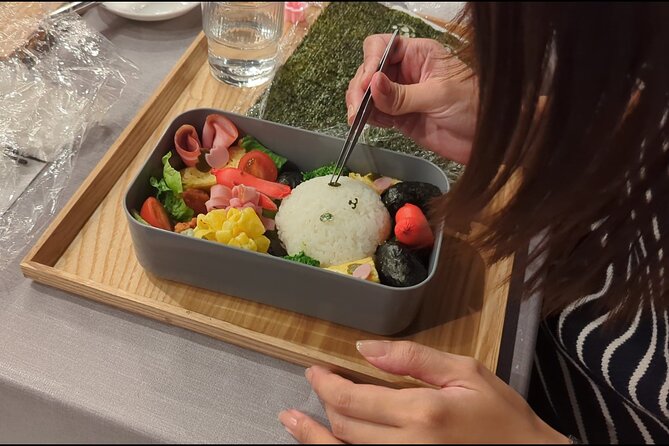
The heart of the class is the hands-on bento-making session. This is where you’ll craft your own character lunchbox—often styles like pandas, dogs, bears, frogs, or seasonal looks depending on what the class offers that day.
A big value point here: everything is organized so you can focus on design. The team provides ingredients and tools, with clear instructions. Many people mention that the setup is laid out well and that pre-prepared kits make the process feel doable even if you’ve never made bento before.
You’ll usually work through a step-by-step method, which helps a lot because bento art is all about small moves repeated correctly:
- placing items in the right section
- shaping pieces so they read as eyes, ears, hearts, or other cute motifs
- building balance so it looks themed but still feels like a real meal
Readers also shortlisted these Tokyo bookings:
- Sushi Making Tokyo Roll and Authentic Japanese Sushi Class★ 5.0 · 3,971 reviews
- Tokyo: Roll and Authentic Sushi Making Class in Asakusa★ 4.9 · 1,957 reviews
- Tokyo Shinjuku Chopsticks Making Class★ 5.0 · 1,763 reviews
- Tokyo: Sushi Making Class in a Happi Coat near a Famous Spot★ 4.9 · 1,377 reviews
- Chopstick Making Workshop in Ginza★ 4.8 · 1,366 reviews
You might also learn small Japanese technique add-ons
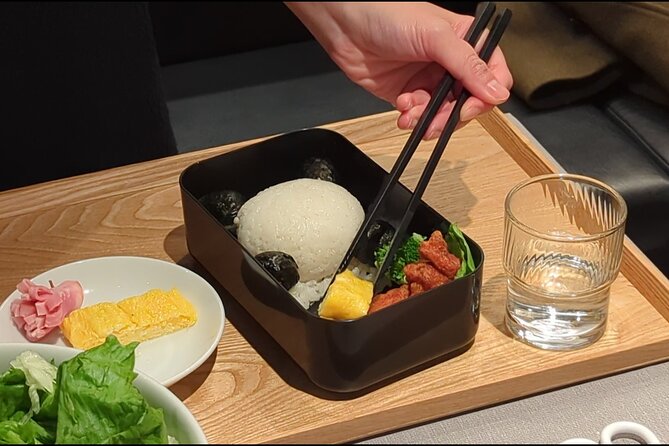
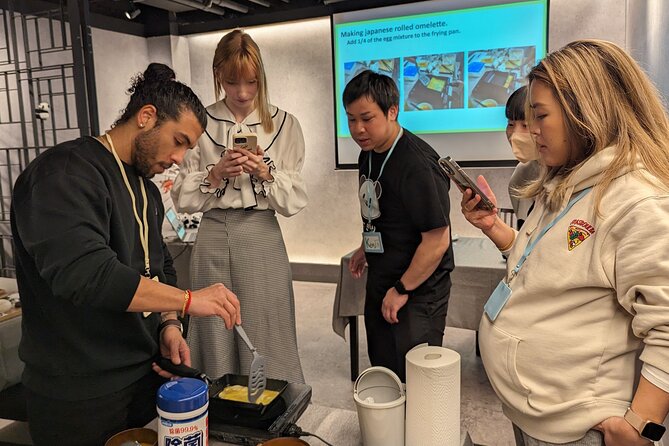
A few people mention learning a rolled omelet technique (a traditional Japanese omelet style) and other small food-art skills like making decorative flower shapes. These kinds of extra demos can make the class more than just assembly.
The safe way to think about it: you should expect practical instruction for bento assembly, and you may get extra technique tips along the way depending on the instructor and the class flow.
Photography time: make it look like it belongs on your feed

The workshop includes a photo session after you finish building. It’s not just time to hold your lunchbox and hope the light is right.
They set up photo backdrops, and some sessions include options with different backgrounds and lighting. That’s a real quality-of-life feature. You can take photos while your creation is still fresh and intact, and you won’t have to scramble to rearrange everything for a single shot.
Also, this is one of those rare activities where you get photos of something you made that’s genuinely impressive. The combination of character details and clean layout means your results look good from multiple angles.
Eating what you made: a lunch you’ll remember
You’ll sit down and enjoy the bento you created. That part matters for two reasons.
First, it verifies the bento design. It’s one thing to make something cute. It’s another when the flavors work together as a meal. Eating afterward helps you understand the logic behind the arrangement.
Second, it turns the class into an experience loop: make it, photograph it, then eat it. You don’t have to choose between craft and lunch. You get both.
And yes, many people say they were surprised how tasty the food was—especially because the effort is easy to underestimate when you’re focused on the cute design.
Dietary needs: vegetarian/vegan and allergy support
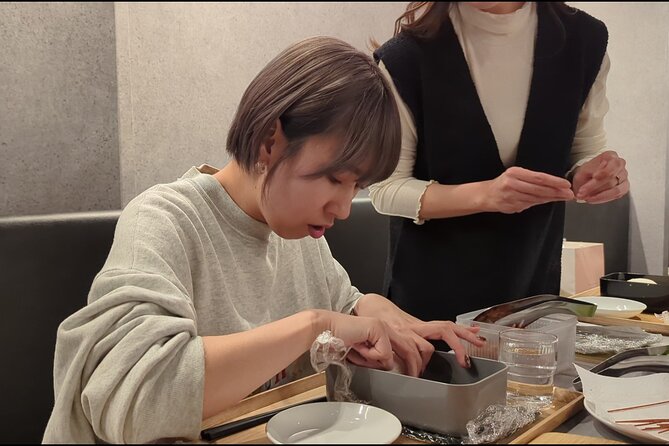
This class can be a great option if you have to plan carefully. They say they can adjust the menu for dietary preferences:
- vegetarian and vegan options available
- allergies accommodated, including no nuts and no milk
The key practical point: you need to inform them when booking about your dietary restrictions. When that’s handled up front, you can focus on building your lunchbox instead of worrying whether you’ll be able to eat the result.
If you’ve struggled in the past with classes that do one standard menu regardless of needs, this is the kind of workshop that tries to solve the problem early.
Price and value: what $66.07 buys you in Tokyo
At $66.07 per person for about 2 hours, this class sits in the “you’re paying for the experience” zone. But you’re not just paying for entertainment—you’re paying for ingredients, tools, instruction, and a finished take-home meal.
In practical value terms, you get:
- a guided cooking-and-craft session with a small group
- organized supplies instead of you buying and testing materials later
- a photo setup that helps your finished work look its best
- a take-home character bento you can treat as breakfast, lunch, or a souvenir
For Tokyo, that mix of hands-on time plus a completed edible result can be a good deal, especially if you value interactive classes. If you’re the type who likes to eat as you learn, this feels like more than a snack stop.
Who this class suits best (and who may want a different plan)
I think this works for a wide range of people because bento building is beginner-friendly with step-by-step help. If you’re traveling solo, it can still feel personal because the group stays small and the instructors can focus on your questions.
It also fits families. One of the recurring themes is that it’s fun for kids and teens, and it’s relaxing rather than stressful. That said, if you have very small children, be aware that the venue is underground and people mention it’s not designed like a big kid playground. Comfortable patience matters more than speed.
You’ll also enjoy it if you like cute food from anime and manga. This class basically turns those character lunches into something you can actually re-create.
Should you book Tokyo Cute Bento Cooking Class?
Book it if you want an experience where you:
- get a hands-on skill you can use again at home
- enjoy making food that looks like art
- want a structured activity that ends with a real meal
- care about English support and allergy/vegetarian options
Skip it if you’d rather do a full Tokyo food tour by eating street snacks all afternoon. This is more about making than wandering. Also, if you’re allergic to going slightly off-script (finding an underground entrance, following a step-by-step layout, sitting down to eat what you made), you might prefer a more open-ended activity.
If you’re deciding between booking one class or two, I get why people regret not doing a second session. The first time teaches the basics of layout and assembly, and a second class can let you explore a different character style.
FAQ
What language is the class taught in?
The workshop can be conducted entirely in English.
How long is the experience?
It runs for about 2 hours.
Can dietary restrictions and allergies be accommodated?
Yes. Vegetarian and vegan options are available, and allergies can be accommodated (including no nuts and no milk). Share details at the time of booking.
Do I get to take the bento home?
Yes. You take home your finished character bento box, and you’ll also eat during the class.
How big is the group?
The class has a maximum of 12 travelers.
What’s the cancellation policy?
You can cancel for a full refund if you cancel at least 24 hours before the experience starts. If you cancel less than 24 hours before, it’s not refundable.
More Workshops in Tokyo
- Sushi Making Tokyo Roll and Authentic Japanese Sushi Class
★ 5.0 · 3,971 reviews - Tokyo: Roll and Authentic Sushi Making Class in Asakusa
★ 4.9 · 1,957 reviews - Tokyo Shinjuku Chopsticks Making Class
★ 5.0 · 1,763 reviews - Tokyo: Sushi Making Class in a Happi Coat near a Famous Spot
★ 4.9 · 1,377 reviews - Chopstick Making Workshop in Ginza
★ 4.8 · 1,366 reviews
More Cooking Classes in Tokyo
- Ramen & Gyoza Cooking Class in Tokyo with Local Supermarket Visit
★ 5.0 · 823 reviews - Tokyo: Easy Ramen Cooking Experience in Kabukicho, Shinjuku
★ 4.6 · 321 reviews - Ramen and Sushi Cooking Class with Sake Pairing Set in Tokyo
★ 5.0 · 291 reviews - Tokyo: Wagyu and 7 Japanese Dishes Cooking Class
★ 4.9 · 273 reviews - Tokyo Washoku 4-hour Cooking Class: From Market to Table
★ 5.0 · 253 reviews
More Tour Reviews in Tokyo
- Mt Fuji and Hakone 1-Day Bus Tour Return by Bullet Train
★ 5.0 · 26,383 reviews - 1-Day Tokyo Bus Tour
★ 5.0 · 14,250 reviews - Tokyo: teamLab Planets TOKYO Digital Art Museum Entry Ticket
★ 4.6 · 9,779 reviews - Mt Fuji & Hakone Cruise, Drum Show Bullet Train 1 Day from Tokyo
★ 4.0 · 7,413 reviews - Tokyo: Shinjuku Food Tour (13 Dishes at 4 Local Eateries)
★ 5.0 · 6,603 reviews
Latest Tokyo reviews off our desk






Cooking Classes, compared.
 ★ 5.0Ramen & Gyoza Cooking Class in Tokyo with Local Supermarket VisitFrom $122823 reviews
 ★ 4.6Easy Ramen Cooking Experience in Kabukicho, ShinjukuFrom $29321 reviews
 ★ 5.0Ramen and Sushi Cooking Class with Sake Pairing Set in TokyoFrom $79291 reviews
 ★ 4.9Wagyu and 7 Japanese Dishes Cooking ClassFrom $67273 reviews
 ★ 5.0Tokyo Washoku 4-hour Cooking Class: From Market to TableFrom $79253 reviews
 ★ 5.0Small-Group Wagyu Beef and 7 Japanese Dishes Tokyo Cooking ClassFrom $72190 reviews
 ★ 5.0Private Home Cooking in Yanaka – Local Flavors in a Warm SettingFrom $122173 reviews
 ★ 5.0Tokyo Sushi Making Experience & Japanese Cooking ClassFrom $59150 reviews
Browse the lists this tour appears in