
Reviewed · COOKING CLASSES
Tokyo Haneda: Bento & Ramen Gyoza Cooking Class in a Local home
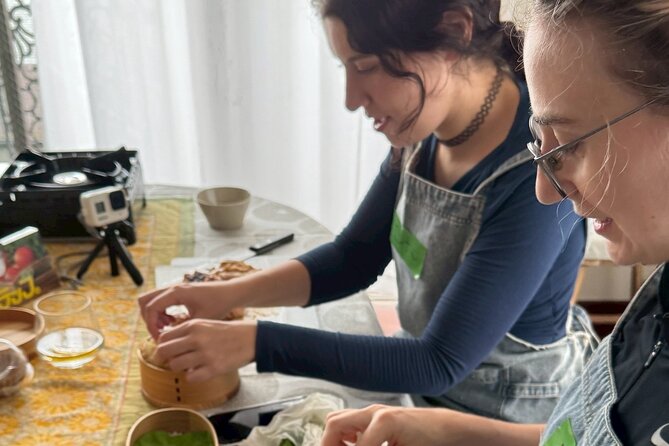
Cooking in a real Tokyo home feels different. I like that this class is truly hands-on, with you making your own bento from start to finish, not just watching. I also love the relaxed home-kitchen feel, where the vibe is more friend’s house than polished cooking studio.
One thing to keep in mind: there’s no private transportation, so you’ll need to use public transit to reach the residential meeting point near Haneda.
In This Review
- Key highlights at a glance
- A Haneda-area home kitchen beats the usual tourist food demo
- Where you’ll meet near Haneda (and why it helps)
- What you’ll cook: bento first, then ramen and gyoza
- Bento: you build the meal like a Japanese home cook
- Ramen and gyoza: technique you can repeat
- The class flow inside a real Japanese kitchen
- You start with introductions and drink-friendly settling in
- You cook in hands-on stages, not one long scramble
- The meal: you eat what you cooked, and you eat together
- Drinks for the win: more than coffee breaks
- Souvenirs that feel useful, not junk
- Value check: is $60 worth it in Tokyo?
- Who should book this (and who might not)
- Tips to make the class feel smooth (not stressful)
- Should you book this bento and ramen gyoza class in Ota-ku?
- FAQ
- What time does the cooking class start?
- How long is the experience?
- Where is the meeting point?
- What dishes are included?
- Are meals included?
- Are drinks included?
- What souvenirs do I get?
- Is private transportation included?
- Is this a private group experience?
- What if I have food allergies?
- Is free cancellation available?
Key highlights at a glance
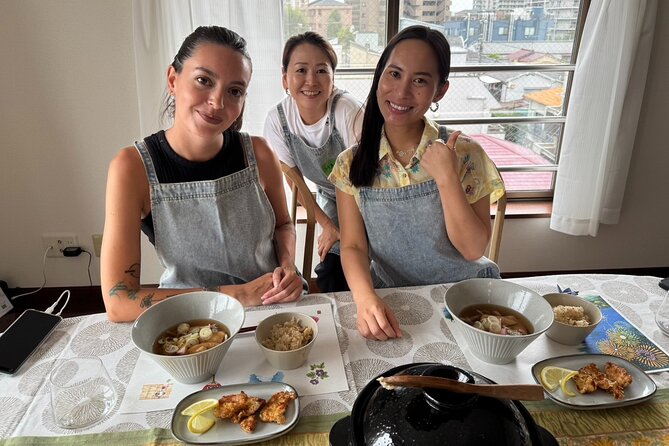
- Bento from start to finish, so you actually learn the process, not just the outcome
- Local-home setting in Ota-ku, giving you a calmer, more everyday Tokyo experience
- Free-flow drinks with Japanese tea, coffee, and options like sake or beer
- Private group format, so you cook at a comfortable pace with your own people
- Practical souvenirs: chopsticks and a chopstick rest, plus a small letter
A Haneda-area home kitchen beats the usual tourist food demo
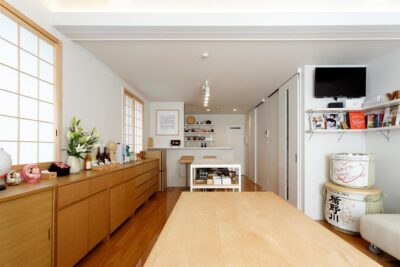
Tokyo is full of food experiences, but most are either too showroom-like or too quick. This one is built around the opposite feeling: you’re in a real neighborhood kitchen, learning while you work side by side with the hosts.
The value here isn’t just the recipe list. It’s the chance to copy Japanese home-cooking rhythms—how ingredients get handled, how timing matters, and how the meal comes together as a full plate. One previous participant highlighted that the guidance was patient and step-by-step, which matters a lot when you’re learning dumpling folding or ramen preparation techniques you’ve only seen in restaurants.
If you’re flying into Haneda and want something you can do that still feels authentic and personal, Ota-ku is a smart choice. It’s close enough to be practical, yet it doesn’t feel like you’re stuck inside the Shibuya-Shinjuku headline reel.
Readers also shortlisted these Tokyo bookings:
- Ramen & Gyoza Cooking Class in Tokyo with Local Supermarket Visit
★ 5.0 · 823 reviews - Tokyo: Easy Ramen Cooking Experience in Kabukicho, Shinjuku
★ 4.6 · 321 reviews - Ramen and Sushi Cooking Class with Sake Pairing Set in Tokyo
★ 5.0 · 291 reviews - Tokyo: Wagyu and 7 Japanese Dishes Cooking Class
★ 4.9 · 273 reviews
Where you’ll meet near Haneda (and why it helps)
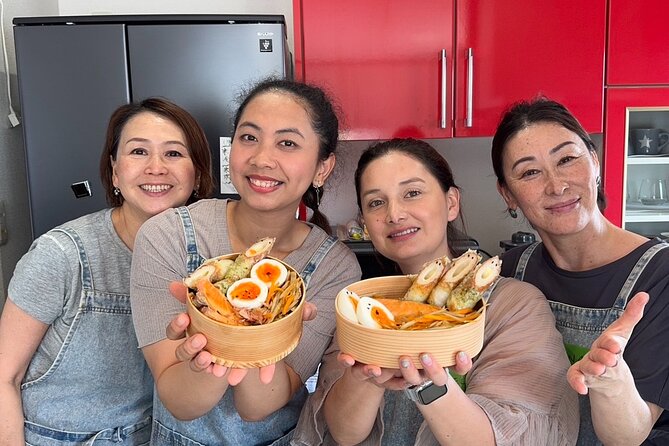
The class meets at a residential address in Ota City, Nishirogō: 4-chōme-10-9 Grace Mansion Harada. It starts at 11:00 am, and the activity ends back at the meeting point.
Because it’s in a neighborhood home, expect a short walk-style start once you’re on the right train stop. Reviews also point out that it’s just a few minutes from public transport near Haneda, which is a big deal if your trip schedule is tight.
Also, plan for the reality of a home-based location: you’re not arriving at a big hotel lobby with staff in matching uniforms. The upside is that the setting feels like you were invited in, not herded through. The downside is that you should double-check directions beforehand so you don’t waste the first 20 minutes hunting for the building.
If you’re someone who likes structure, this is still structured—just not “theme-park structured.” You get instruction, then you do the work.
What you’ll cook: bento first, then ramen and gyoza
This workshop centers on making your own bento, with the class named for ramen and gyoza as the core follow-up dishes.
Bento: you build the meal like a Japanese home cook
The bento part is the anchor. You’re not simply assembling a pre-made set. You make the bento box from start to finish, which is what turns this into real learning.
From a practical standpoint, bento teaching is gold because it forces you to think in Japanese home-cooking terms:
- balance
- texture variety
- portioning
- keeping things tidy in a box
That’s why people tend to come away with more than food photos. They leave with the mental model for how Japanese meals get planned.
Ramen and gyoza: technique you can repeat
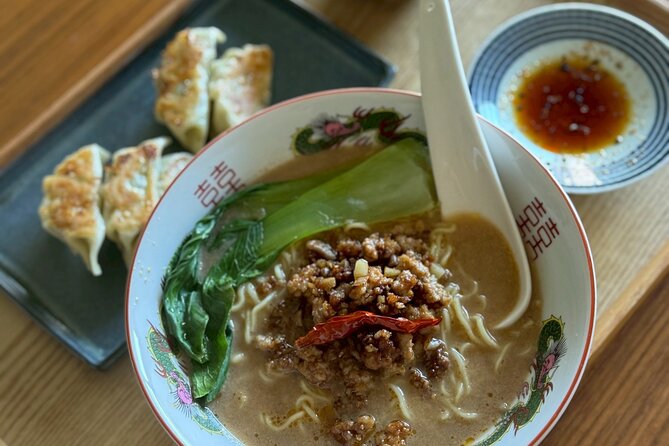
The ramen and gyoza focus is a great pairing. Ramen teaches you about broth flavor building and warmth, while gyoza trains you on the dumpling basics—wrapping, shaping, and cooking so you get that combination of soft filling and crisped exterior.
In past sessions, people have reported learning ramen and gyoza steps with clear English support and patient coaching. Some participants also mention making things like mochi, and others talk about udon broth from scratch and tempura-style cooking. That tells me the kitchen team is willing to adapt menus to what they’re teaching that day—while keeping the core ramen/gyoza theme steady.
So if you’re going because you want bento plus dumplings plus a warm bowl, you’re in the right place.
Readers also shortlisted these Tokyo bookings:
- Sushi Making Tokyo Roll and Authentic Japanese Sushi Class★ 5.0 · 3,971 reviews
- Tokyo: Roll and Authentic Sushi Making Class in Asakusa★ 4.9 · 1,957 reviews
- Tokyo Shinjuku Chopsticks Making Class★ 5.0 · 1,763 reviews
- Tokyo: Sushi Making Class in a Happi Coat near a Famous Spot★ 4.9 · 1,377 reviews
- Chopstick Making Workshop in Ginza★ 4.8 · 1,366 reviews
The class flow inside a real Japanese kitchen
Even without a public-facing “show schedule,” you can expect a typical rhythm in this kind of home kitchen class, and the reviews back up the pacing.
You start with introductions and drink-friendly settling in
You’ll be in a warm, friendly atmosphere from the beginning. The hosts guide you through what’s happening and what you’ll make next, and you get the chance to settle in like you’re visiting someone.
Then drinks enter the picture—all you can drink—including Japanese tea, coffee, and options like sake and beer. That matters more than you might think: it takes the edge off when you’re learning precise steps with your hands.
You cook in hands-on stages, not one long scramble
The workshop is designed so you actively do the prep and the making. People mention that instructions are easy to follow and that the hosts explain in a clear, patient way.
In a home setup, that usually means:
- you get tools and ingredients where you need them
- you work through steps one by one
- you get help when your hands hit a tricky part (dumpling shaping is often that part)
You’ll also eat what you make. That’s a big difference from classes where food is mostly a side note.
The meal: you eat what you cooked, and you eat together
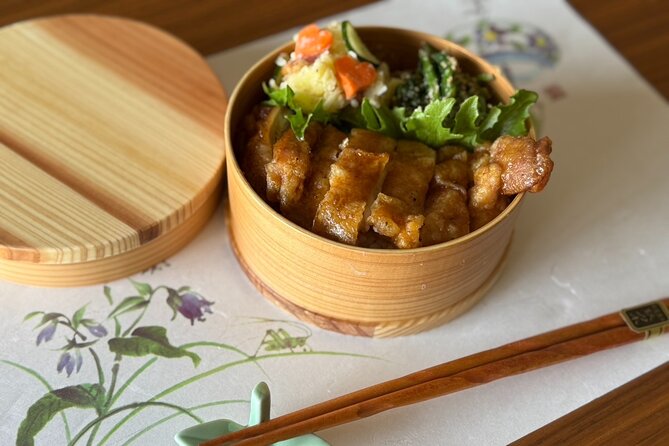
The included meal is one of the best parts because it closes the loop. After all that work, you sit down and actually enjoy the results.
This style of eating changes how you learn. When you taste your own ramen-related components or your own dumplings, you naturally understand what the seasoning or technique is doing. It’s hard to forget a lesson when it’s tied to the flavor you just made.
And because the hosts run the space like a calm home rather than a high-speed demo, the meal feels more like sharing dinner than “receiving lunch” from a class.
One parent group mentioned the experience was special for them and their kids because it felt like family time around food culture. That lines up with what you’re paying for: a friendly setting where conversation and questions make sense.
Drinks for the win: more than coffee breaks
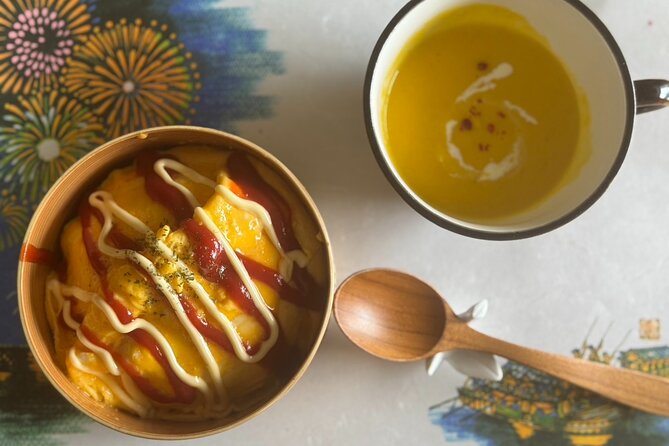
I like classes that include drinks because it keeps the experience comfortable and social. Here, you get free-flow drinks with a mix of options, including:
- sake
- beer
- wine
- Japanese tea
- soft drinks
- coffee and tea options
You don’t need to drink alcohol to enjoy the experience, and the tea options are a nice fit if you’re keeping it light. Still, having the option can help if you want to relax while you cook dumplings that require focus.
Practical note: if you plan to taste sake or beer, pace yourself. Cooking is physical work, and it’s nice to stay sharp while you’re handling hot tools and boiling processes.
Souvenirs that feel useful, not junk
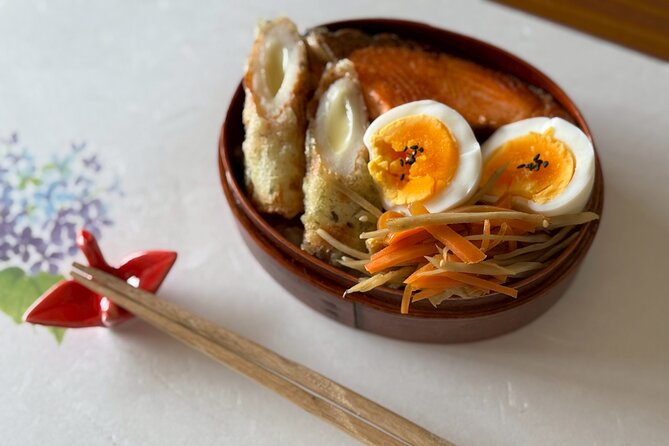
At the end, you take home practical souvenirs: chopsticks and a chopstick rest. These are the kind of items you’ll actually use again at home, and they match the cooking culture you just learned.
In the overview, there’s also mention of a letter included with the souvenir set. That’s a small touch, but it helps the experience feel personal rather than transactional.
It’s also a good reminder: the point of a cooking class isn’t just dinner tonight. It’s bringing a little piece of daily Japanese life back with you.
Value check: is $60 worth it in Tokyo?
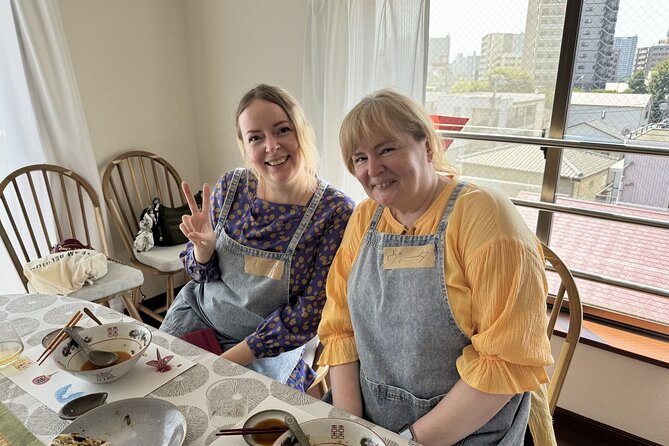
At $60 per person for about 3 hours, the value is strong when you focus on what’s included.
You’re getting:
- a true hands-on experience (bento making from start to finish)
- meals made by you
- all-you-can-drink beverages (including tea and alcoholic options)
- a souvenir set (chopsticks and a chopstick rest)
- a private format for your group
The hidden value is the learning style. Watching someone else cook is entertainment. Cooking yourself is skill-building. And skill-building is what sticks.
Could you find cheaper food and fun in Tokyo? Sure. But for many people, this class is one of the rare experiences that hits multiple goals at once: learning, eating, and cultural connection in a single block of time.
Who should book this (and who might not)
This works best if you:
- want a local-home feel instead of a restaurant staging area
- enjoy learning by doing, especially with food handling
- like the idea of cooking a complete meal you’ll eat right after
- are near Haneda and want a practical, not-too-far activity
It may be less ideal if you:
- want a sightseeing-heavy tour with multiple stops
- dislike residential addresses or self-navigation by public transit
- need a very short activity window beyond the roughly 3-hour session
Also, if you have food allergies, you should flag them in advance. The class asks you to inform them ahead of time, which is the right move for safety and for a better meal outcome.
Tips to make the class feel smooth (not stressful)
Here are a few practical things I’d do before showing up:
- Confirm your plan for public transit since private transportation isn’t included.
- Let the team know about allergies early. If you wait until you arrive, you reduce the chances of a tailored workaround.
- Wear comfortable clothing. You’ll be standing and working, and kitchen activities tend to be more hands-on than you’d expect.
- If you’re traveling with kids, this setup often works well because the pace feels guided and calm. A review noted a family visit made the experience feel special together.
- Bring a good mindset: you’re learning. Not every step will look perfect at first, and that’s fine.
One more small piece of advice: ask questions while you cook. The hosts are patient, and that’s when you’ll get the best explanations—especially for technique-heavy steps like gyoza handling.
Should you book this bento and ramen gyoza class in Ota-ku?
If you want a Tokyo activity that feels personal, practical, and genuinely hands-on, I think this is a strong yes. The biggest reasons are the home-kitchen atmosphere, the fact that you make the bento from scratch, and the included food-and-drink setup that makes it feel like dinner with a lesson attached.
Book it especially if your itinerary leaves you with a Haneda arrival window and you’d rather trade another crowded food market moment for cooking skill you can repeat at home.
FAQ
What time does the cooking class start?
The class starts at 11:00 am.
How long is the experience?
It lasts about 3 hours.
Where is the meeting point?
The meeting point is in Ota City, Nishirogō, Tokyo at 4-chōme109 Grace Mansion Harada. The activity ends back at the meeting point.
What dishes are included?
The class focuses on bento, ramen, and gyoza.
Are meals included?
Yes. You eat the meals you make during the class.
Are drinks included?
Yes. Drinks are included on an all-you-can-drink basis, including options such as Japanese tea, coffee, and alcoholic beverages like sake and beer.
What souvenirs do I get?
You receive chopsticks and a chopstick rest.
Is private transportation included?
No. Private transportation is not included.
Is this a private group experience?
Yes. It’s described as a private tour or activity, so only your group participates.
What if I have food allergies?
You should inform the provider of any food allergies in advance.
Is free cancellation available?
Yes. You can cancel up to 24 hours in advance for a full refund.
More Workshops in Tokyo
- Sushi Making Tokyo Roll and Authentic Japanese Sushi Class
★ 5.0 · 3,971 reviews - Tokyo: Roll and Authentic Sushi Making Class in Asakusa
★ 4.9 · 1,957 reviews - Tokyo Shinjuku Chopsticks Making Class
★ 5.0 · 1,763 reviews - Tokyo: Sushi Making Class in a Happi Coat near a Famous Spot
★ 4.9 · 1,377 reviews - Chopstick Making Workshop in Ginza
★ 4.8 · 1,366 reviews
More Cooking Classes in Tokyo
- Ramen & Gyoza Cooking Class in Tokyo with Local Supermarket Visit
★ 5.0 · 823 reviews - Tokyo: Easy Ramen Cooking Experience in Kabukicho, Shinjuku
★ 4.6 · 321 reviews - Ramen and Sushi Cooking Class with Sake Pairing Set in Tokyo
★ 5.0 · 291 reviews - Tokyo: Wagyu and 7 Japanese Dishes Cooking Class
★ 4.9 · 273 reviews - Tokyo Washoku 4-hour Cooking Class: From Market to Table
★ 5.0 · 253 reviews
More Tour Reviews in Tokyo
- Mt Fuji and Hakone 1-Day Bus Tour Return by Bullet Train
★ 5.0 · 26,383 reviews - 1-Day Tokyo Bus Tour
★ 5.0 · 14,250 reviews - Tokyo: teamLab Planets TOKYO Digital Art Museum Entry Ticket
★ 4.6 · 9,779 reviews - Mt Fuji & Hakone Cruise, Drum Show Bullet Train 1 Day from Tokyo
★ 4.0 · 7,413 reviews - Tokyo: Shinjuku Food Tour (13 Dishes at 4 Local Eateries)
★ 5.0 · 6,603 reviews
Latest Tokyo reviews off our desk






Cooking Classes, compared.
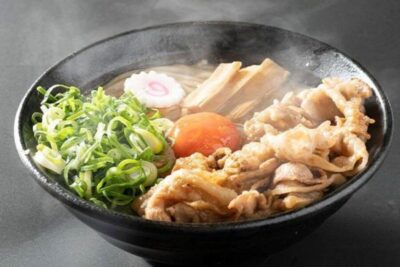
 ★ 5.0Ramen & Gyoza Cooking Class in Tokyo with Local Supermarket VisitFrom $122823 reviews
 ★ 4.6Easy Ramen Cooking Experience in Kabukicho, ShinjukuFrom $29321 reviews
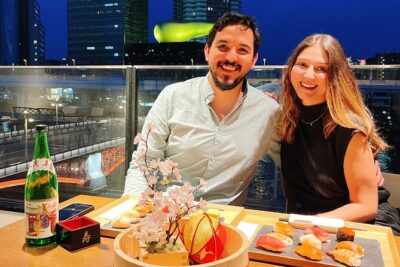 ★ 5.0Ramen and Sushi Cooking Class with Sake Pairing Set in TokyoFrom $79291 reviews
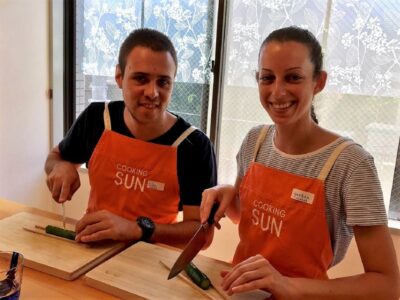 ★ 4.9Wagyu and 7 Japanese Dishes Cooking ClassFrom $67273 reviews
 ★ 5.0Tokyo Washoku 4-hour Cooking Class: From Market to TableFrom $79253 reviews
 ★ 5.0Small-Group Wagyu Beef and 7 Japanese Dishes Tokyo Cooking ClassFrom $72190 reviews
 ★ 5.0Private Home Cooking in Yanaka – Local Flavors in a Warm SettingFrom $122173 reviews
 ★ 5.0Tokyo Sushi Making Experience & Japanese Cooking ClassFrom $59150 reviews
Browse the lists this tour appears in