
Reviewed · COOKING CLASSES
Tokyo: Japanese Home-style Cooking Class with Meal
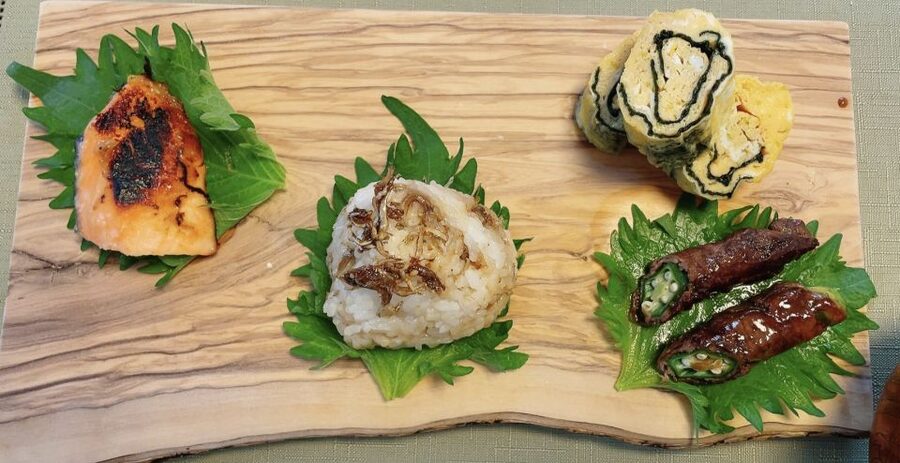
Tokyo turns home cooking into a hands-on lesson. I love the way this class centers on saikyo-yaki and dashimaki tamago, two staples you can actually recreate later. I also like that you don’t just taste a demo, you cook, then sit down to eat the results with drinks.
One thing to weigh: while many classes are led with care, there’s at least one report of less polished execution, including checking steps mid-way and knives that weren’t sharp.
In This Review
- Key things I’d mark on your mental map
- A 150-Minute Tokyo Class Built Around Two Star Dishes
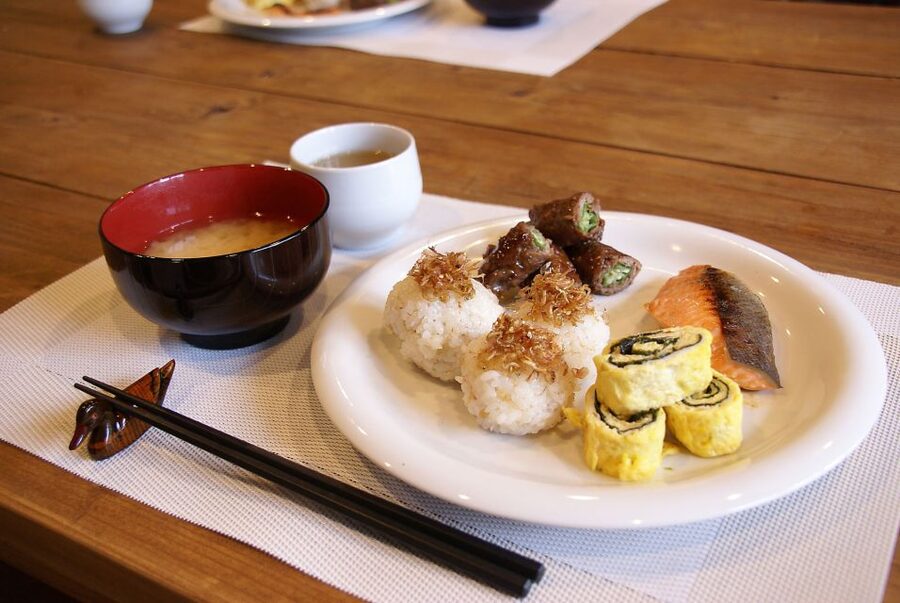
- The Cooking Menu: Dashi Stock, Saikyo-Yaki Fish, Rolled Omelet, Rice Ball, Miso Soup
- What You Learn: Seasoning Balance, Nutrition Thinking, and Presentation
- Timing That Works: 11:00 Cooking, 13:00 Tasting, Then You’re Done
- Where You’ll Go: Studios Near Shinjuku, Chiyoda, and Minato Wards
- Price and Value: Is $90 Worth It for Tokyo Home Cooking?
- Who Should Book This Tokyo Cooking Class (and Who Might Want Another Option)
- Should You Book This Tokyo Cooking Class?
- FAQ
- How long is the cooking class?
- What dishes will I make and eat?
- What’s included in the price?
- Is hotel pickup or drop-off included?
- Where do I meet the group?
- Is the instructor English-speaking?
- Can vegans join this class?
- Is this class suitable for children under 3 or people with back problems?
- Is smoking allowed indoors?
- What are the cancellation and reserve options?
Key things I’d mark on your mental map
- Family-style recipes you can copy at home (simple, classic Japanese dishes)
- Saikyo-yaki and dashimaki tamago focus so you learn techniques, not just ingredients
- Dashi-led flavor building with soup stock and seasoning lessons
- Cook first, eat right away with a 13:00 tasting window
- Instructor-led in English for smoother learning
- Not vegan-friendly since fish-based dishes are part of the menu
A 150-Minute Tokyo Class Built Around Two Star Dishes
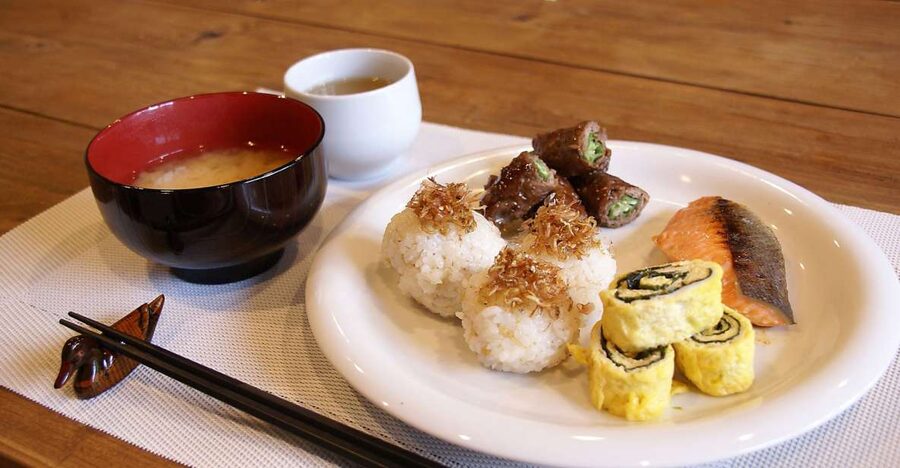
This is a straight-to-the-point Tokyo cooking experience. You’re in and cooking for about 1.5 hours, then you switch modes and eat what you made for roughly half an hour. That flow matters. You get time to practice, and you also get the payoff fast, while the food is still hot and you remember what you did.
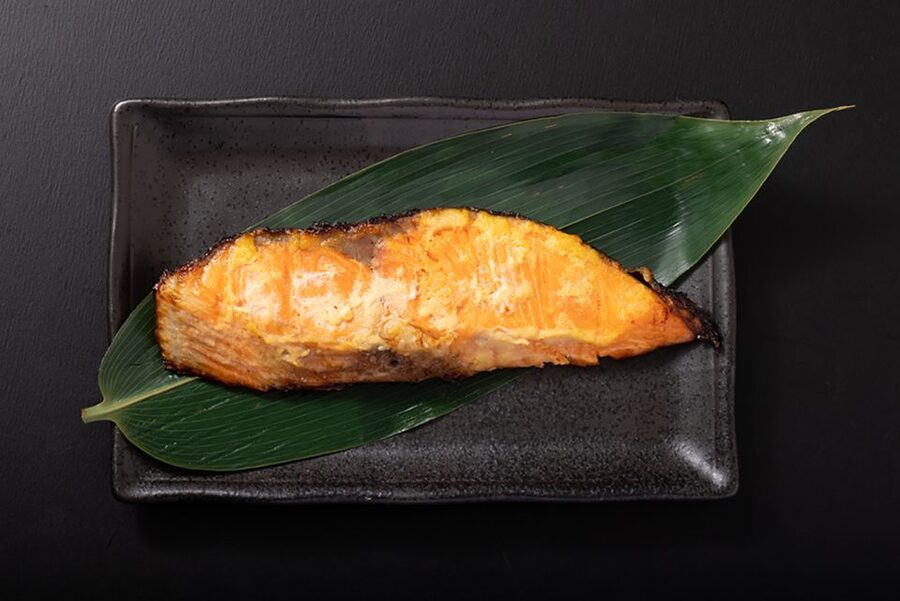
The class highlights two home-style classics. Saikyo-yaki is miso-marinated fish, typically known for its sweet-salty mellow flavor and gentle texture. Dashimaki tamago is the rolled omelet built on dashi stock, so you learn how Japanese “umami structure” shows up in something as simple as eggs. If you’ve ever wondered why Japanese food tastes clean and balanced, these are great dishes to learn from.
You’ll also hear the kind of guidance that turns recipes into instincts: nutrition balance, seasoning, and presentation. That’s the difference between following steps and understanding why the steps exist.
Readers also shortlisted these Tokyo bookings:
- Ramen & Gyoza Cooking Class in Tokyo with Local Supermarket Visit
★ 5.0 · 823 reviews - Tokyo: Easy Ramen Cooking Experience in Kabukicho, Shinjuku
★ 4.6 · 321 reviews - Ramen and Sushi Cooking Class with Sake Pairing Set in Tokyo
★ 5.0 · 291 reviews - Tokyo: Wagyu and 7 Japanese Dishes Cooking Class
★ 4.9 · 273 reviews
The Cooking Menu: Dashi Stock, Saikyo-Yaki Fish, Rolled Omelet, Rice Ball, Miso Soup
The menu is compact. That’s good. It keeps the class focused and makes it more likely you’ll walk away with repeatable skills.
Here’s what’s on the cooking side and what you’ll eat afterward:
- Japanese dashi stock: This is the flavor base. Even if you only touch it for a portion of the process, it sets the tone for the whole meal.
- Grilled fish with Saikyo-yaki style: You’ll work with the idea of miso marination and the way it changes fish flavor.
- Rice ball: Simple, but it teaches portioning and finishing for a neat result.
- Japanese miso soup: This gives you another place to practice seasoning and balance.
The class also specifically mentions learning recipes like dashimaki tamago and saikyo yaki, so expect the rolled omelet and the miso-fish technique to be central to the experience.
What I like about this menu for your real-life benefit: it’s not just “make dinner.” It’s a mini toolkit. Dashi stock + miso soup teaches you broth seasoning logic. Saikyo-yaki adds the marination mindset. Dashimaki tamago teaches heat control and texture.
What You Learn: Seasoning Balance, Nutrition Thinking, and Presentation
This class isn’t marketed as gourmet showmanship. It’s about home cooking. That means you get lessons that translate to normal kitchens.
You’ll get instruction on:
- Nutritional balance: Japanese home meals often aim for a mix of carbs, protein, and comforting broth-based elements. Even if the class doesn’t turn it into a spreadsheet, you’ll get the reasoning behind why dishes are built the way they are.
- Seasoning: Dashi and miso are the backbone here. The most useful skill is learning how saltiness and depth work together, instead of relying on heavy sauces.
- Presentation: Japanese home dishes tend to look tidy because the flavors are tidy. You’ll learn how small choices in plating and portioning affect the whole meal impression.
This also connects to why people rate the class highly. In the best sessions, the instructors help you understand the recipe enough that you’re not stuck. One review specifically praised Nao and Erika for being able to show traditional Japanese cooking with recipes that were simple enough to recreate at home. Another praised patience. That matters more than people expect, because hands-on cooking is easier when you’re not rushed.
Timing That Works: 11:00 Cooking, 13:00 Tasting, Then You’re Done
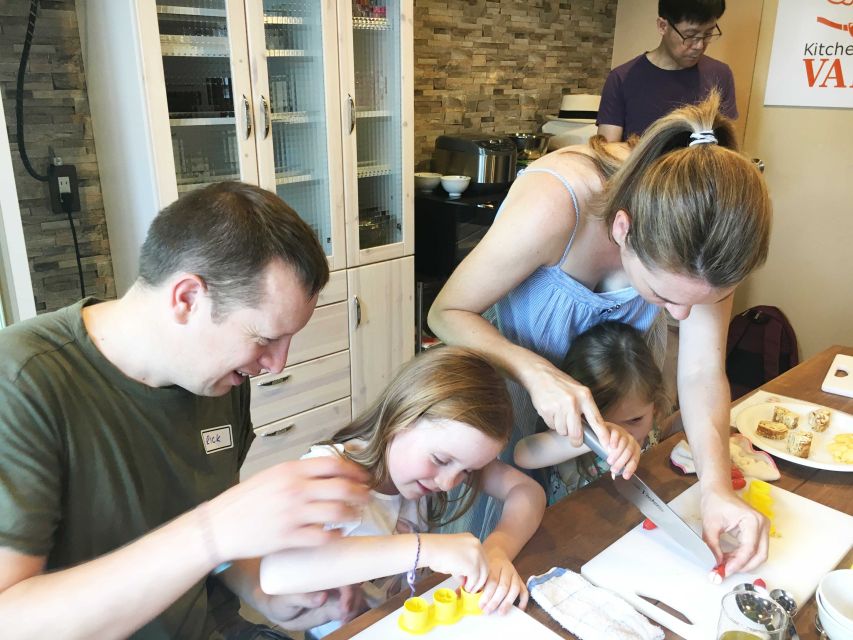
The schedule is tidy:
- 11:00–13:00 cooking class
- 13:00–13:30 tasting time
From a practical point of view, this is perfect for a travel day. You can still do morning sights before 11:00, then return to your hotel afterward without losing the entire day. And the tasting right after cooking is key. Japanese food is about timing, especially when you’re serving something hot and freshly made.
You also get drinks with the meal. That’s a small inclusion, but it helps turn the tasting portion into a full dining moment instead of a quick sample.
Where You’ll Go: Studios Near Shinjuku, Chiyoda, and Minato Wards
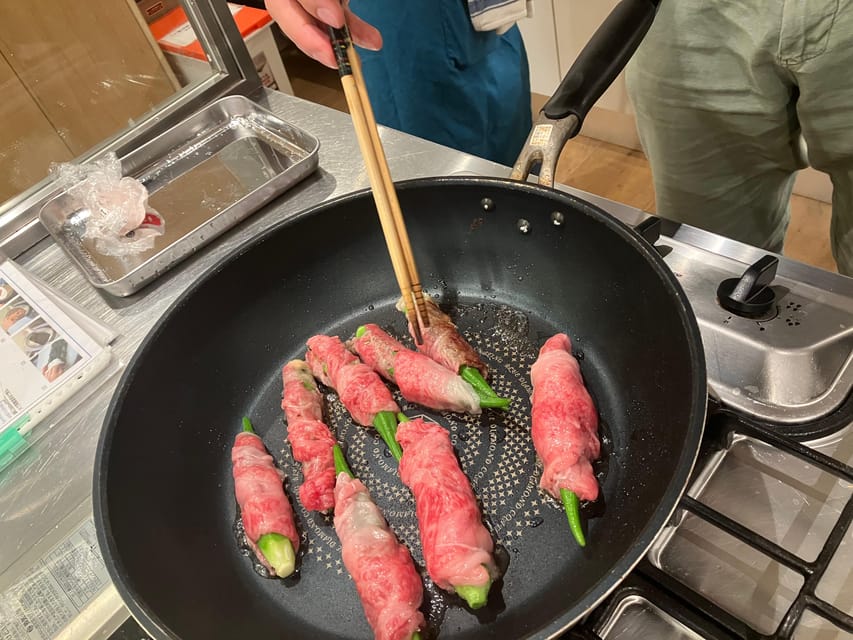
You won’t necessarily meet at the exact address shown in Google Maps. The info you get says the listed map location can show a different spot, and the studios are located near Shinjuku, Chiyoda, and Minato wards respectively.
The good news: you’re not left guessing forever. You’re told you’ll receive location details 3 days prior to your reservation date. That gives you time to plan your route.
Practical tip: if you’re using transit, plug in the final studio address once you get it. Don’t rely on the Google Map pin from day one, since the warning is explicit.
Also keep in mind this is not a hotel pickup experience. You’ll go on your own to the cooking studio.
Readers also shortlisted these Tokyo bookings:
- Sushi Making Tokyo Roll and Authentic Japanese Sushi Class★ 5.0 · 3,971 reviews
- Tokyo: Roll and Authentic Sushi Making Class in Asakusa★ 4.9 · 1,957 reviews
- Tokyo Shinjuku Chopsticks Making Class★ 5.0 · 1,763 reviews
- Tokyo: Sushi Making Class in a Happi Coat near a Famous Spot★ 4.9 · 1,377 reviews
- Chopstick Making Workshop in Ginza★ 4.8 · 1,366 reviews
Price and Value: Is $90 Worth It for Tokyo Home Cooking?
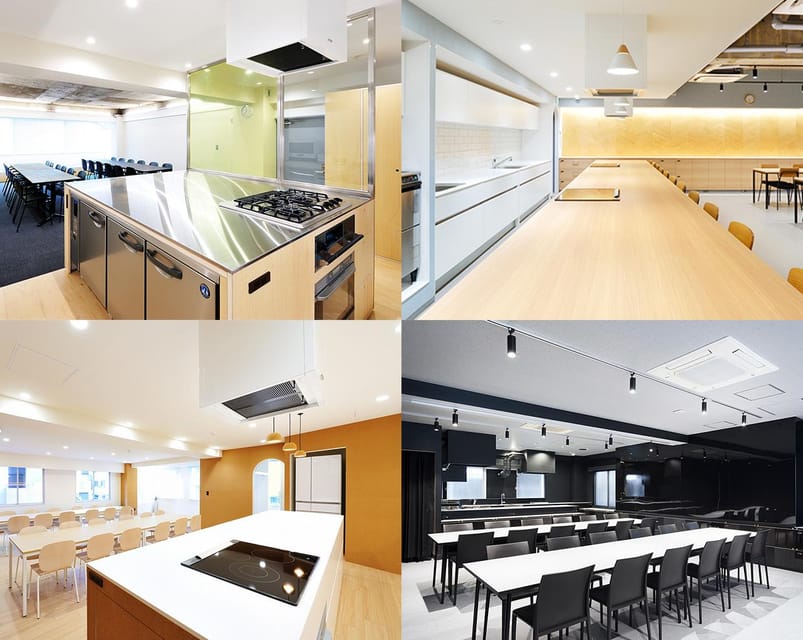
At $90 per person for a 150-minute experience, the value depends on what you want out of cooking classes.
Here’s what you get that supports the price:
- An English-speaking instructor
- Ingredients for the meal
- The meal itself, including the dishes you cook
- Drinks
- A focused set of recipes (dashi stock, saikyo-yaki fish, rice ball, miso soup) that give you real technique practice
That’s a lot of “included” versus some cooking activities where you pay more and still have to cover basics. The ingredients and the meal are not add-ons here.
Where it may not feel like a bargain is if you’re looking for advanced culinary training. One review mentioned that the instructor appeared less experienced than expected, with issues like the next steps being looked up and some knife sharpening problems. Even if you get a better-led class, it’s fair to go in expecting something closer to home-kitchen teaching than a professional chef workshop.
Still, if your goal is to learn classic Japanese home flavors in a way you can recreate later, this is reasonably priced for what’s included and the time you get.
Who Should Book This Tokyo Cooking Class (and Who Might Want Another Option)
This class is a strong fit if you want:
- Classic home-style Japanese recipes with practical technique
- A class where you cook, then eat immediately
- An English instructor and a menu that teaches core flavor building (dashi and miso)
It’s also a good option if you want a meal that feels authentic without needing restaurant reservations or trying to translate a menu.
On the other hand, it’s not a fit for:
- Vegans (the menu includes fish-based saikyo-yaki and miso soup as part of the standard setup)
- Children under 3
- People with back problems (hands-on cooking can mean standing and leaning; the listing flags this directly)
And one more rule to know: no smoking indoors.
If you’re traveling with dietary needs beyond veganism, the data you have doesn’t say you can swap recipes, so you should treat this as fixed-menu home cooking.
Should You Book This Tokyo Cooking Class?
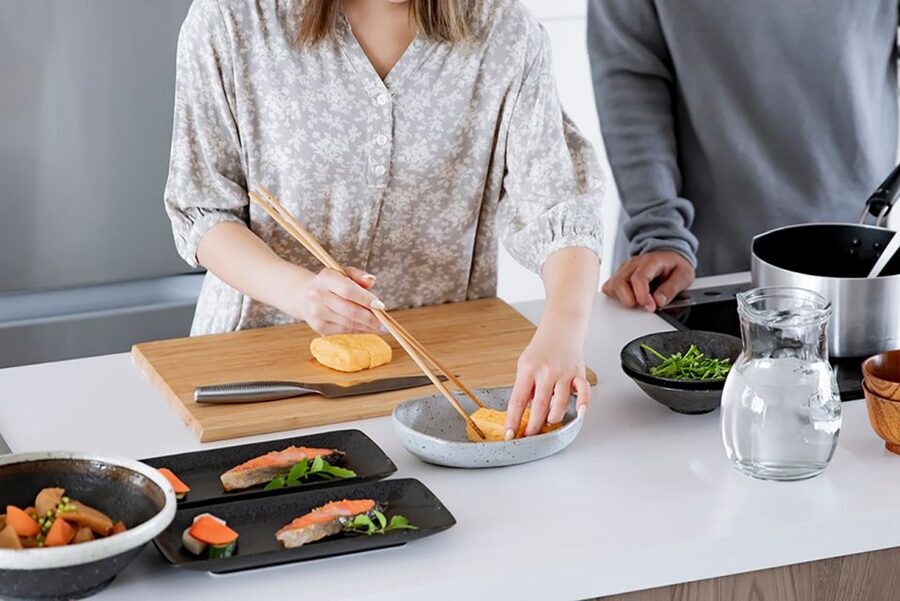
I’d book it if you’re excited by the idea of making saikyo-yaki and dashimaki tamago, and you want to leave with dishes you can repeat at home. The best sessions seem to run with patience and clear teaching, and the instructors named Nao and Erika show up in positive feedback for turning traditional cooking into something doable.
I would think twice if you need a very professional, chef-level technique track, or if you’re sensitive to the small details that make cooking classes feel polished (like tools and pacing). One review suggests quality can vary, so manage expectations: this is Japanese home cooking instruction, not a high-end culinary bootcamp.
If you match the fit, this is an efficient way to spend a Tokyo half-day: you learn core Japanese flavors, then you eat them while they’re at their best.
FAQ
How long is the cooking class?
The total duration is about 150 minutes, with cooking from 11:00–13:00 and tasting from 13:00–13:30.
What dishes will I make and eat?
You’ll learn classic Japanese home cooking including saikyo-yaki style grilled fish and dashimaki tamago. The meal includes Japanese dashi stock, saikyo-yaki style grilled fish, rice ball, and Japanese miso soup.
What’s included in the price?
The price includes the cooking class, ingredients, the meal with the cooked dishes, and drinks.
Is hotel pickup or drop-off included?
No. Hotel pickup and drop-off are not included.
Where do I meet the group?
The studio locations are near Shinjuku, Chiyoda, and Minato wards. The address shown on Google Maps may be different, and the exact details are sent 3 days before your reservation.
Is the instructor English-speaking?
Yes. The instructor speaks English.
Can vegans join this class?
No. Vegans are listed as not suitable.
Is this class suitable for children under 3 or people with back problems?
Children under 3 are not suitable, and people with back problems are also listed as not suitable.
Is smoking allowed indoors?
No. Smoking indoors is not allowed.
What are the cancellation and reserve options?
You can cancel up to 24 hours in advance for a full refund. You can also reserve now and pay later to keep your plans flexible.
More Workshops in Tokyo
- Sushi Making Tokyo Roll and Authentic Japanese Sushi Class
★ 5.0 · 3,971 reviews - Tokyo: Roll and Authentic Sushi Making Class in Asakusa
★ 4.9 · 1,957 reviews - Tokyo Shinjuku Chopsticks Making Class
★ 5.0 · 1,763 reviews - Tokyo: Sushi Making Class in a Happi Coat near a Famous Spot
★ 4.9 · 1,377 reviews - Chopstick Making Workshop in Ginza
★ 4.8 · 1,366 reviews
More Cooking Classes in Tokyo
- Ramen & Gyoza Cooking Class in Tokyo with Local Supermarket Visit
★ 5.0 · 823 reviews - Tokyo: Easy Ramen Cooking Experience in Kabukicho, Shinjuku
★ 4.6 · 321 reviews - Ramen and Sushi Cooking Class with Sake Pairing Set in Tokyo
★ 5.0 · 291 reviews - Tokyo: Wagyu and 7 Japanese Dishes Cooking Class
★ 4.9 · 273 reviews - Tokyo Washoku 4-hour Cooking Class: From Market to Table
★ 5.0 · 253 reviews
More Tour Reviews in Tokyo
- Mt Fuji and Hakone 1-Day Bus Tour Return by Bullet Train
★ 5.0 · 26,383 reviews - 1-Day Tokyo Bus Tour
★ 5.0 · 14,250 reviews - Tokyo: teamLab Planets TOKYO Digital Art Museum Entry Ticket
★ 4.6 · 9,779 reviews - Mt Fuji & Hakone Cruise, Drum Show Bullet Train 1 Day from Tokyo
★ 4.0 · 7,413 reviews - Tokyo: Shinjuku Food Tour (13 Dishes at 4 Local Eateries)
★ 5.0 · 6,603 reviews
Latest Tokyo reviews off our desk






Cooking Classes, compared.
 ★ 5.0Ramen & Gyoza Cooking Class in Tokyo with Local Supermarket VisitFrom $122823 reviews
 ★ 4.6Easy Ramen Cooking Experience in Kabukicho, ShinjukuFrom $29321 reviews
 ★ 5.0Ramen and Sushi Cooking Class with Sake Pairing Set in TokyoFrom $79291 reviews
 ★ 4.9Wagyu and 7 Japanese Dishes Cooking ClassFrom $67273 reviews
 ★ 5.0Tokyo Washoku 4-hour Cooking Class: From Market to TableFrom $79253 reviews
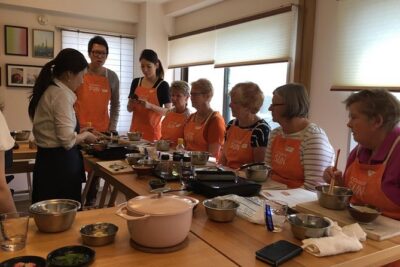 ★ 5.0Small-Group Wagyu Beef and 7 Japanese Dishes Tokyo Cooking ClassFrom $72190 reviews
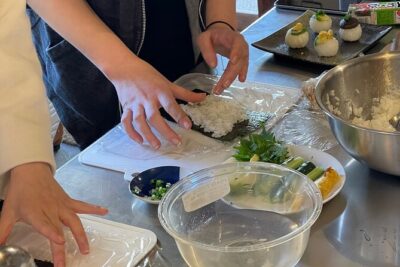 ★ 5.0Private Home Cooking in Yanaka – Local Flavors in a Warm SettingFrom $122173 reviews
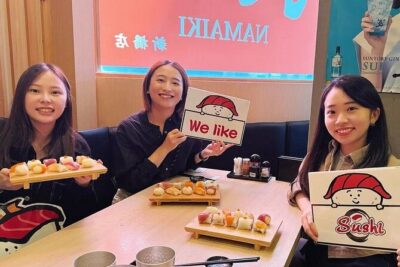 ★ 5.0Tokyo Sushi Making Experience & Japanese Cooking ClassFrom $59150 reviews
Browse the lists this tour appears in