
Reviewed · COOKING CLASSES
Tokyo: Kawaii Bento Cooking Class – Cute Character Lunchbox
Kawaii bento turns lunch into a craft project. I love how this Tokyo class pairs character lunchbox design with step-by-step English guidance, then ends with a photo moment before you eat. One thing to keep in mind: you’ll use real cooking tools, including knives, so kids need close supervision and anyone with severe allergies should plan carefully.
This workshop is also a practical Tokyo win: it runs indoors and the meeting point is easy to reach from Tameike-Sanno and the broader Tokyo Station area. You get ingredients, tools, recipes, and even a souvenir to take home, so you’re not hunting for supplies in the middle of your trip.
In This Review
- Key Points Worth Booking
- Why This Kawaii Bento Class Makes Sense in Tokyo
- Finding the Classroom Under the Ramen Shop (No Guesswork Needed)
- Bento Culture 101: What You’re Really Learning in the First 15 Minutes
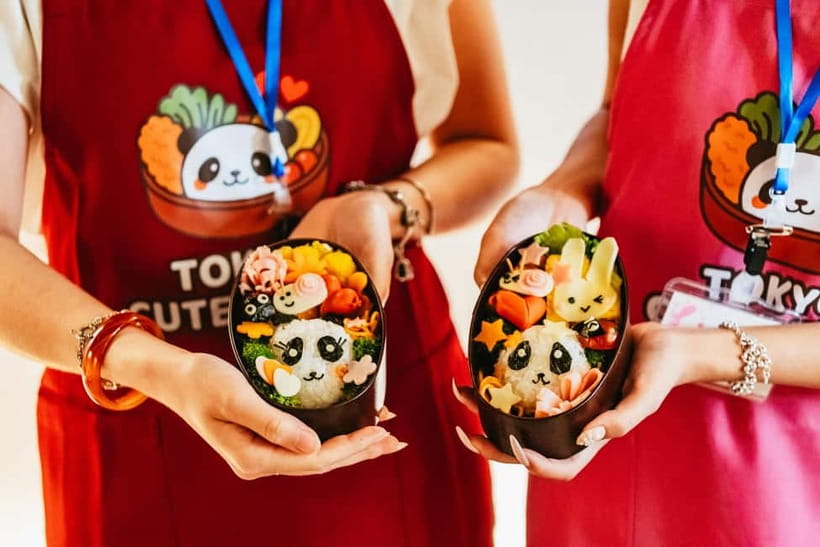
- Pick Your Character: Panda, Brown Beer, or Seasonal Limited Bento
- The Hands-On Bento Build: Tools, Timing, and Real Skill Gains
- Knives and Kitchen Tools: What to Know Before You Bring Kids
- The Photo Session Before the First Bite
- Optional Add-Ons: Extra Side Prep and an Akasaka Moment
- Price and Value: Is $64 Worth It?
- Dietary Needs and Allergies: Plan Ahead, Ask Early
- Who This Bento Class Is Best For
- Tips to Make Your Bento Day Smoother
- Should You Book the Tokyo Kawaii Bento Cooking Class?
- FAQ
- How long is the Kawaii Bento Cooking Class?
- How much does it cost?
- Where do I meet the instructor?
- What language is the instruction in?
- Can I choose which character bento I make?
- Are vegetarian or vegan options available?
- What about allergies and dietary restrictions?
- Is it suitable for children?
Key Points Worth Booking
Character bento choices include panda, brown beer, and seasonal limited options
English-speaking instructors guide you through both cooking and presentation
You’ll get a photo session to document your lunchbox art
Vegetarian/vegan options and some allergy needs may be adjusted with notice
Held indoors near major transit, so rain and heat are less of a problem
All ingredients, tools, and English recipes are included, not a DIY add-on
Why This Kawaii Bento Class Makes Sense in Tokyo
Tokyo can feel like a full-time job: transit, crowds, lines, and constant choices. A class like this gives you a clear, two-hour plan with a satisfying payoff that you can actually take home and eat. You’re not just learning about Japanese food culture—you’re making it, face by face, compartment by compartment.
I like that it leans into what bento already does well. Bento is practical, portable, and meant to look good even before you taste it. This class turns that into a beginner-friendly art session, with enough structure that you won’t feel lost.
The “kawaii” focus matters too. A character bento is basically Japan’s edible sticker book—cute shapes, readable expressions, and thoughtful placement. If you’ve been snapping photos of kawaii storefronts and snacks, this is the hands-on version that feels oddly satisfying.
Readers also shortlisted these Tokyo bookings:
- Ramen & Gyoza Cooking Class in Tokyo with Local Supermarket Visit
★ 5.0 · 823 reviews - Tokyo: Easy Ramen Cooking Experience in Kabukicho, Shinjuku
★ 4.6 · 321 reviews - Ramen and Sushi Cooking Class with Sake Pairing Set in Tokyo
★ 5.0 · 291 reviews - Tokyo: Wagyu and 7 Japanese Dishes Cooking Class
★ 4.9 · 273 reviews
Finding the Classroom Under the Ramen Shop (No Guesswork Needed)
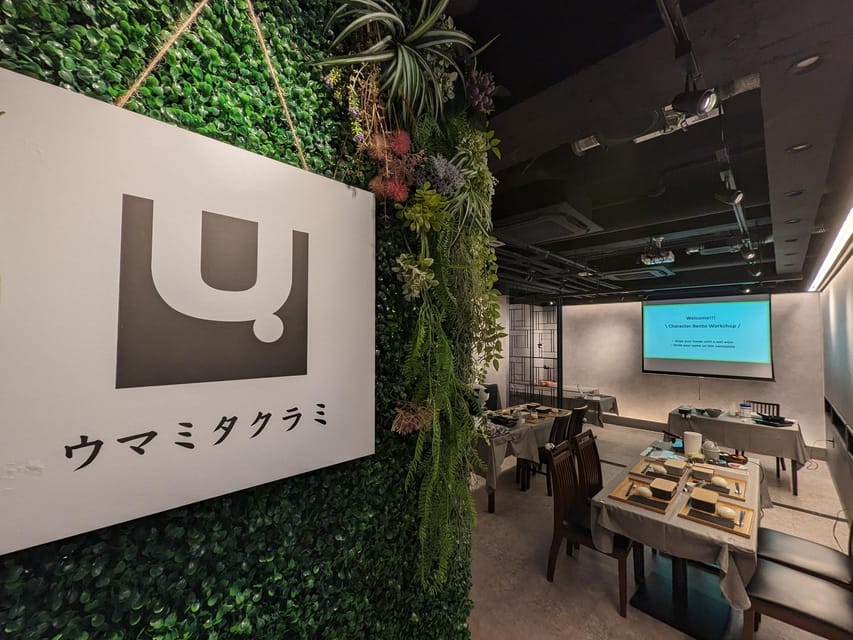
The meeting point is near the Tameike-Sanno Station area, which is helpful when you’re juggling other Tokyo neighborhoods. From Tameike‑Sanno Station Exit 7, walk straight, cross the intersection, and look for the building directly in front. The landmark is a sign with the panda bento.
The location itself is in the basement (B1) under a ramen shop. The nice part: ticket redemption and the activity happen at the same spot, so you’re not doing that frustrating “walk around and find the office” routine.
Practical tip: plan to arrive a little early. In Japan, basements can be easy to miss if you come up to street level at the wrong spot, and you’ll want to settle in before tools and ingredients start moving.
Bento Culture 101: What You’re Really Learning in the First 15 Minutes
The workshop starts with an intro to Japan’s bento culture, around 15 minutes. It isn’t just trivia. You get the “why” behind the lunchbox format—how bento fits into daily life and why it matters that food is portioned and arranged.
This part is where the experience becomes more than arts and crafts. When you understand that bento is meant to be eaten well after being packed—often cold—it changes how you think about balance, structure, and taste. You’re also learning how presentation communicates care, which is a big deal in Japanese food culture.
I also appreciate that the class includes a cultural description as part of what’s offered. It means you don’t leave with only a panda or dog-shaped box—you leave with context you can use in later meals across Tokyo.
Pick Your Character: Panda, Brown Beer, or Seasonal Limited Bento
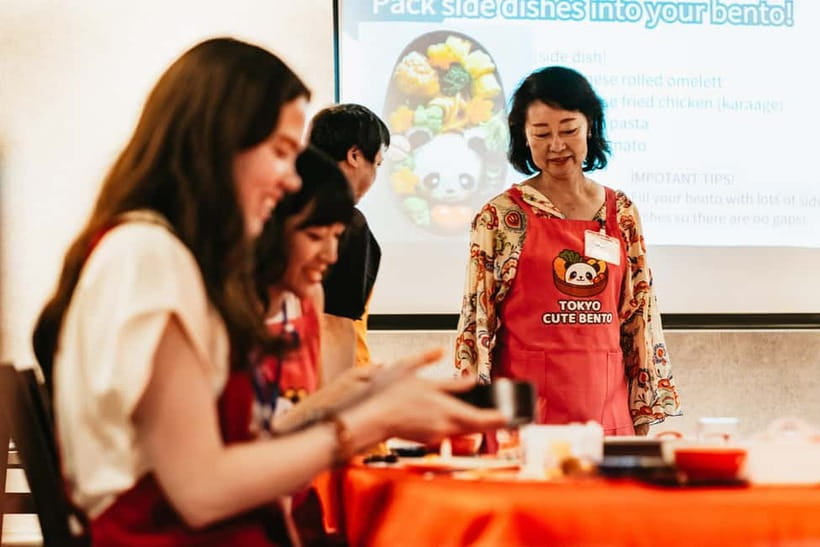
The core “wow” moment comes next: you choose your character bento. Options mentioned include a panda bento, a brown beer bento, and a seasonal limited-edition bento. Your exact choice is confirmed after booking by email, so don’t assume you’ll see every option on the day.
This variety matters for value. If you like cute animals, go panda. If you want something more playful and quirky, the brown beer theme is a fun contrast to the usual character food. Seasonal options add novelty, especially if you’re visiting when the limited design rotates.
Dietary flexibility is built in too. You can adjust the menu for vegetarian or vegan preferences, and allergies may be accommodated with advance notice. If you’re traveling with restrictions, this is where you want to be proactive rather than hoping for a last-minute fix.
The Hands-On Bento Build: Tools, Timing, and Real Skill Gains
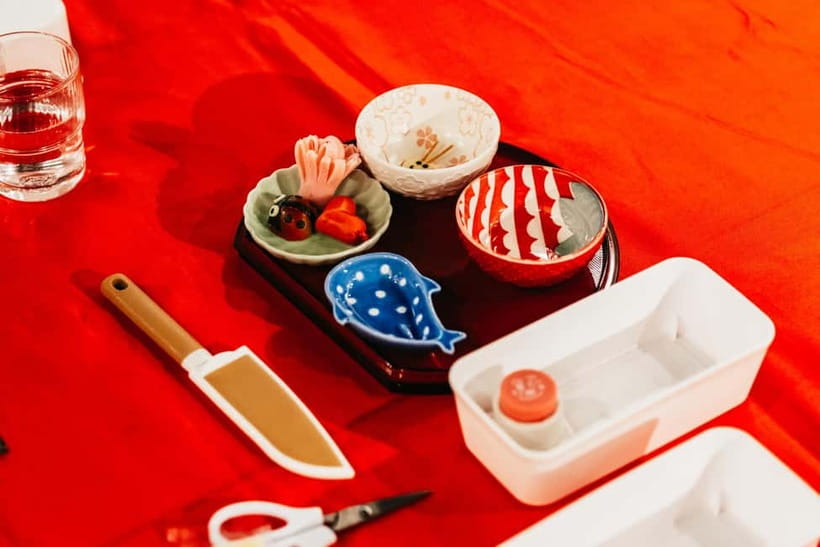
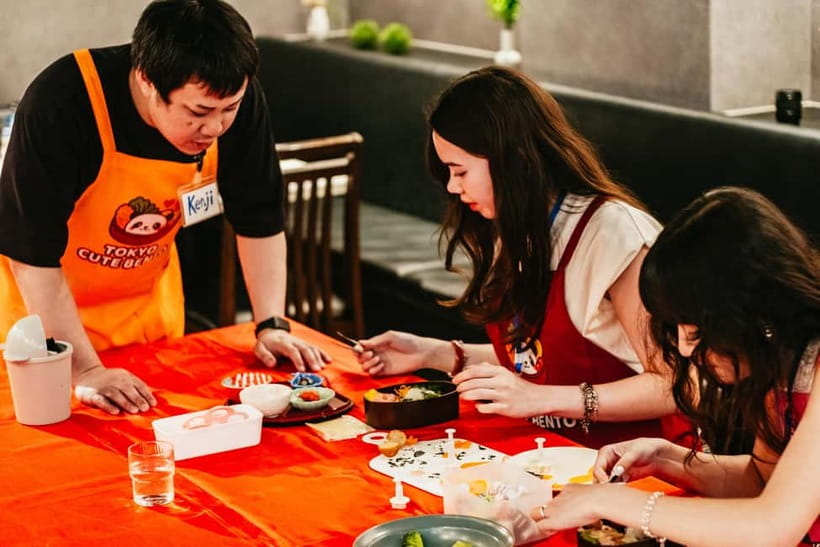
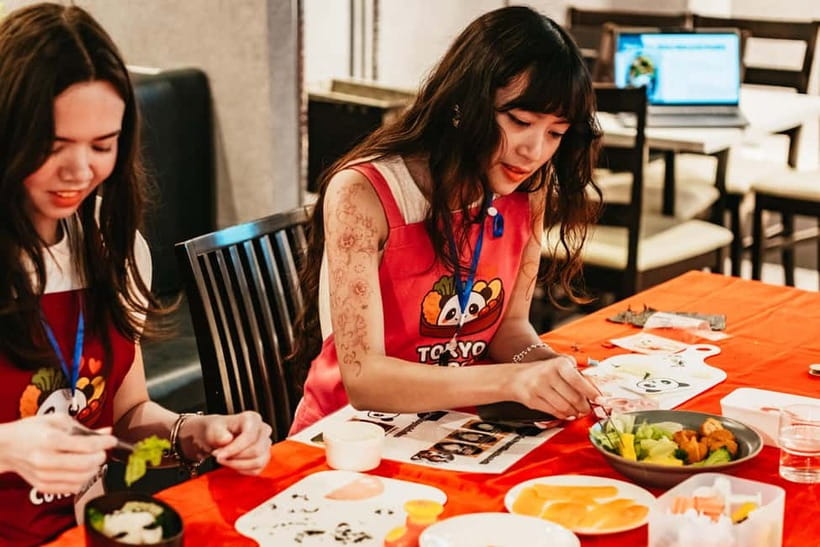
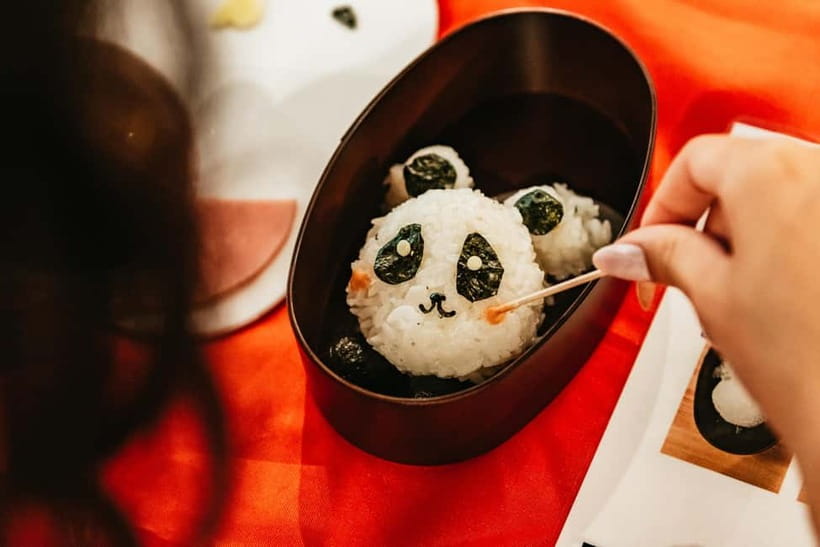
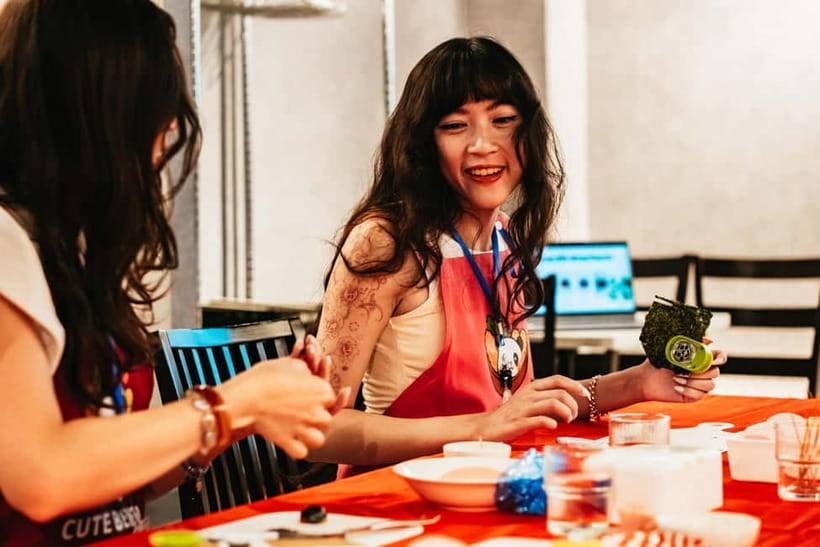
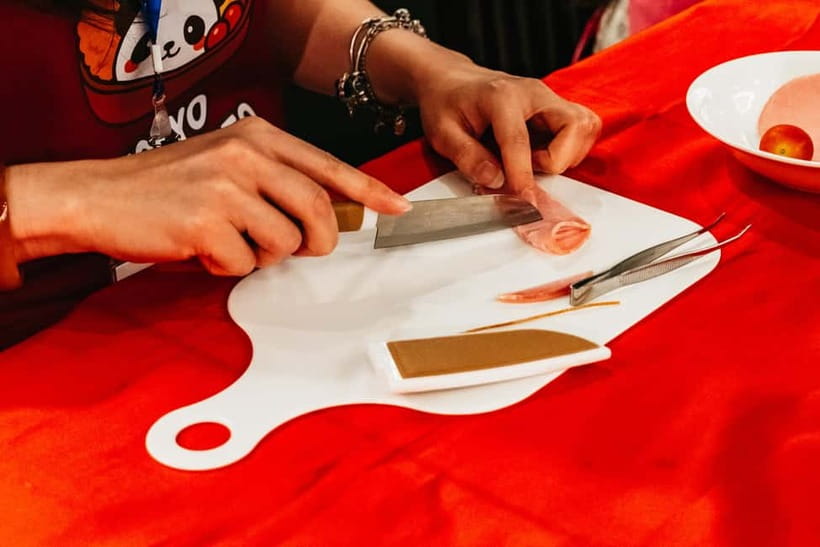
The main work time is about 60 minutes of hands-on bento making. This is where the class earns its reputation: you’re guided step by step, and you’re given the tools and ingredients needed to actually make the lunchbox look like the character you picked.
You’ll design faces and side dishes, then build the compartments so everything fits cleanly. The instructors are English-speaking, and the experience is described as beginner-friendly—no prior cooking experience needed. That matters because you’re visiting Tokyo, not taking an advanced cooking boot camp.
I also love the “craft” angle. Bento characters aren’t hard because you need chef-level cooking skills. They’re hard in the way drawing is hard: placement, proportions, and small details. With the right tools, those details become doable fast.
In several accounts of the class, instructors like Kenji (and in at least one case, Mari too) are singled out for being kind and helpful, with clear pacing. That’s a good sign for anyone who worries that group classes become stressful or rushed.
Readers also shortlisted these Tokyo bookings:
- Sushi Making Tokyo Roll and Authentic Japanese Sushi Class★ 5.0 · 3,971 reviews
- Tokyo: Roll and Authentic Sushi Making Class in Asakusa★ 4.9 · 1,957 reviews
- Tokyo Shinjuku Chopsticks Making Class★ 5.0 · 1,763 reviews
- Tokyo: Sushi Making Class in a Happi Coat near a Famous Spot★ 4.9 · 1,377 reviews
- Chopstick Making Workshop in Ginza★ 4.8 · 1,366 reviews
Knives and Kitchen Tools: What to Know Before You Bring Kids
Kids are welcome, but the workshop involves the use of knives and other cooking tools. That’s not a scare tactic—it’s a safety reality. If you’re bringing younger participants, plan on close supervision throughout the session.
The payoff for families can be big. A character bento gives kids a role beyond “sit and watch.” They can cut, assemble, and decorate while adults handle any tool-heavy moments. It’s also easy for teenagers to enjoy, since the result is genuinely photo-worthy and then genuinely tasty.
If you’re a solo traveler, don’t worry about needing a partner. The class format is built for families, couples, friends, and solo diners, and you’ll have instructors walking you through each step.
The Photo Session Before the First Bite
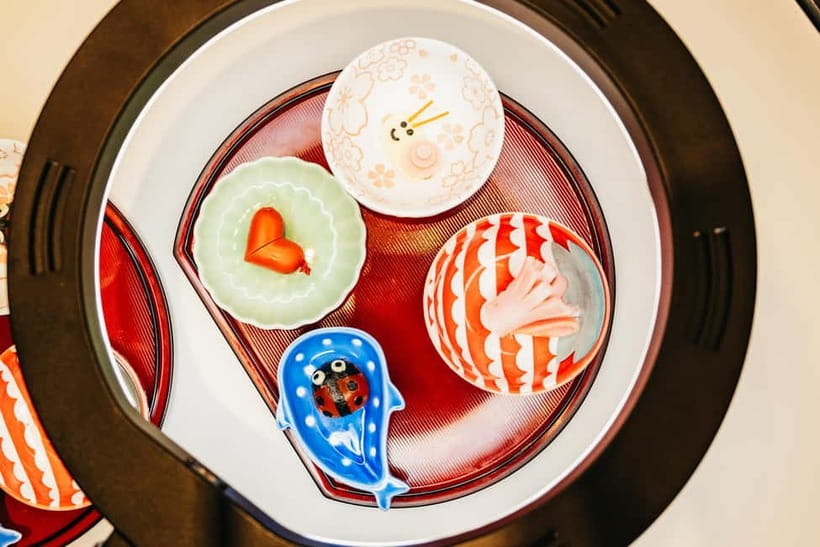
Once your bento is finished, you’ll have a 15-minute photography session. This isn’t just a marketing moment. It’s a built-in pause that lets you style your box and get a clean photo before you start eating.
I’m a fan of this structure. Bento is a little fragile in spirit—once you start eating, the “art” phase ends. Taking time for photos ensures you don’t rush through the most memorable part.
Then comes the best part for your stomach: you enjoy your meal for about 30 minutes. It’s indoor and weather-friendly, so you’re not scrambling to find a picnic spot if Tokyo is doing its usual rain-or-sun thing.
Optional Add-Ons: Extra Side Prep and an Akasaka Moment
Some time slots may offer limited-time free add-ons, but you have to request them in advance. Two options are listed: a 30-minute advanced side dish preparation (before the workshop) and a 30-minute Akasaka tour (after the workshop).
These add-ons can make the class feel like more than two hours. If you want extra food practice, the side dish prep may be worth it. If you’d like your bento day to include a little exploring, the Akasaka add-on could be the perfect bridge to your next Tokyo stop.
Because details are not described beyond the titles, treat add-ons as value multipliers rather than guaranteed “mini itinerary” upgrades.
Price and Value: Is $64 Worth It?
At $64 per person for a 2-hour class, the question is really what you avoid by booking this. You’re paying for instruction, structure, and convenience—plus the physical stuff you’d otherwise need to buy or learn the hard way.
Here’s what’s included based on what the class provides:
- Cooking class with English-speaking instruction
- All ingredients and tools
- Bento cultural description
- Design help for your character faces and side dishes
- Photography session
- English recipes
- A souvenir after the class
- Time to enjoy your meal on site
For me, the value comes from “everything is provided.” In Tokyo, it’s easy to spend money on experiences that still leave you hunting for supplies or figuring things out alone. This one gives you the setup so your brain stays on the fun part: making the lunchbox.
If you’re traveling as a group, it also works as a shared memory that everyone can take home, literally in a box.
Dietary Needs and Allergies: Plan Ahead, Ask Early
This is the one area where I’d be careful and direct. The class involves common allergens such as seafood, soy, and sesame, and it may not be suitable for people with severe food allergies. The good news: the provider says they may accommodate with advance notice, and they can adjust for strict preferences like vegetarian and vegan options.
For practical planning, tell them your needs during booking. Also consider what “avoid” means in a shared kitchen environment. The data here points to possible accommodation, but it doesn’t promise a zero-contact environment.
If you’re lactose-free, nut-free, or similar, that matters too. The class notes examples like no nuts and no milk may be handled, but again: you need to communicate early so the menu can be prepared appropriately.
Who This Bento Class Is Best For
This is a strong choice for:
- Families looking for something creative that still involves real food
- Couples wanting a shared activity that ends with a meal
- Solo travelers who want guided structure and easy social energy
I especially like it for people who want an authentic Tokyo experience without the stress of a full-day tour. The location near major transit, plus the indoor setting, makes it a practical “anchor activity” you can build around.
If you’re a serious foodie chasing Michelin-level technique, this might feel more arts-focused than chef-focused. But if you want a hands-on snapshot of Japanese lunch culture, it fits nicely.
Tips to Make Your Bento Day Smoother
Go in with one mindset: you’re making edible art that should also taste good. That means don’t overthink perfection. The instructors provide clear steps, and the goal is to end up with something cute, balanced, and actually edible.
If you have dietary needs, request changes early and be specific. If you’re traveling with kids, decide ahead of time who will supervise tool use and how you’ll handle bathroom breaks so the class pace stays calm.
Also, wear comfortable clothing. You’ll be in a cooking workspace for an hour, and you’ll spend time seated and assembling your box.
Should You Book the Tokyo Kawaii Bento Cooking Class?
I’d book it if you want a fun, guided Tokyo activity with a clear structure and a real payoff: you leave with a finished character bento, photo memories, and take-home recipes. At around $64 for two hours, the value is strongest because ingredients, tools, and instruction are covered.
I’d think twice or contact the provider first if you have severe allergies or very strict dietary requirements. The class can sometimes adjust, but it’s still a shared cooking setup and not described as a medical-grade allergen-free environment.
If you’re craving something Japanese that isn’t only walking and shopping, this is one of the few experiences where you do the culture with your hands. And that panda (or dog) face you build is something you can’t easily buy or copy at home without learning the process.
FAQ
How long is the Kawaii Bento Cooking Class?
The class runs about 2 hours, with a schedule that includes an introduction, hands-on bento making, a photography session, and time to enjoy your meal.
How much does it cost?
It’s listed at $64 per person.
Where do I meet the instructor?
You meet at Exit 7 of Tameike‑Sanno Station. Walk straight ahead, cross the intersection, and find the building directly in front. The workshop is in the basement (B1) under a ramen shop, with a panda bento sign as the landmark.
What language is the instruction in?
The workshop offers English-speaking instruction, along with English recipes.
Can I choose which character bento I make?
Yes. Options mentioned include panda, brown beer, and a seasonal limited-edition bento. Your specific choice is confirmed by email after booking.
Are vegetarian or vegan options available?
Vegetarian and vegan options are available. You should inform the provider at booking about your preferences.
What about allergies and dietary restrictions?
The class includes common allergens such as seafood, soy, and sesame. It may not be suitable for severe allergies, but accommodations may be possible with advance notice. For strict dietary restrictions, adjustments may or may not be able to fully cover needs.
Is it suitable for children?
Children are welcome, but the workshop involves knives and other cooking tools. Parents or guardians should supervise younger participants.
More Workshops in Tokyo
- Sushi Making Tokyo Roll and Authentic Japanese Sushi Class
★ 5.0 · 3,971 reviews - Tokyo: Roll and Authentic Sushi Making Class in Asakusa
★ 4.9 · 1,957 reviews - Tokyo Shinjuku Chopsticks Making Class
★ 5.0 · 1,763 reviews - Tokyo: Sushi Making Class in a Happi Coat near a Famous Spot
★ 4.9 · 1,377 reviews - Chopstick Making Workshop in Ginza
★ 4.8 · 1,366 reviews
More Cooking Classes in Tokyo
- Ramen & Gyoza Cooking Class in Tokyo with Local Supermarket Visit
★ 5.0 · 823 reviews - Tokyo: Easy Ramen Cooking Experience in Kabukicho, Shinjuku
★ 4.6 · 321 reviews - Ramen and Sushi Cooking Class with Sake Pairing Set in Tokyo
★ 5.0 · 291 reviews - Tokyo: Wagyu and 7 Japanese Dishes Cooking Class
★ 4.9 · 273 reviews - Tokyo Washoku 4-hour Cooking Class: From Market to Table
★ 5.0 · 253 reviews
More Tour Reviews in Tokyo
- Mt Fuji and Hakone 1-Day Bus Tour Return by Bullet Train
★ 5.0 · 26,383 reviews - 1-Day Tokyo Bus Tour
★ 5.0 · 14,250 reviews - Tokyo: teamLab Planets TOKYO Digital Art Museum Entry Ticket
★ 4.6 · 9,779 reviews - Mt Fuji & Hakone Cruise, Drum Show Bullet Train 1 Day from Tokyo
★ 4.0 · 7,413 reviews - Tokyo: Shinjuku Food Tour (13 Dishes at 4 Local Eateries)
★ 5.0 · 6,603 reviews
Latest Tokyo reviews off our desk




Cooking Classes, compared.
 ★ 5.0Ramen & Gyoza Cooking Class in Tokyo with Local Supermarket VisitFrom $122823 reviews
 ★ 4.6Easy Ramen Cooking Experience in Kabukicho, ShinjukuFrom $29321 reviews
 ★ 5.0Ramen and Sushi Cooking Class with Sake Pairing Set in TokyoFrom $79291 reviews
 ★ 4.9Wagyu and 7 Japanese Dishes Cooking ClassFrom $67273 reviews
 ★ 5.0Tokyo Washoku 4-hour Cooking Class: From Market to TableFrom $79253 reviews
 ★ 5.0Small-Group Wagyu Beef and 7 Japanese Dishes Tokyo Cooking ClassFrom $72190 reviews
 ★ 5.0Private Home Cooking in Yanaka – Local Flavors in a Warm SettingFrom $122173 reviews
 ★ 5.0Tokyo Sushi Making Experience & Japanese Cooking ClassFrom $59150 reviews
Browse the lists this tour appears in