
Reviewed · CRAFT & ARTISAN WORKSHOPS
Tokyo: Kintsugi Art Repair Workshop
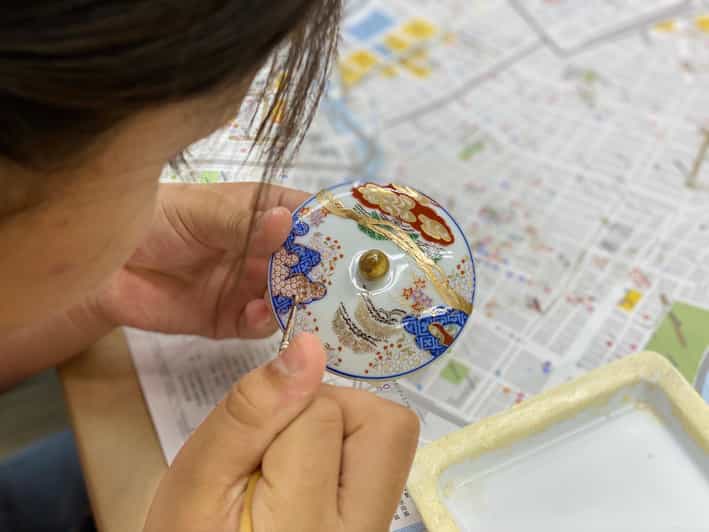
Kintsugi in Tokyo turns breakage into beauty. This hands-on workshop has that rare combo: gold-and-lacquer technique plus a peaceful, slow pace that fits tight schedules. I really like that you start promptly in a small setting and leave with a real, personalized take-home piece. One thing to watch: if your item has a bigger chip, it may not be finished within the full 90-minute session.
Two details kept pulling me back to this experience: the patient, hands-on teaching (plus English interpretation) and the calm, shop-like atmosphere that feels more like a studio than a tourist stop. The instructor I heard about by name—Hijiri—comes across as especially supportive when you’re working for the first time. A possible drawback: it’s designed around ceramic repairs, so if you want to fix something outside the allowed shape (or a chipped mug handle), you’ll need to adjust expectations.
In This Review
- What Makes Kintsugi Feel Different (Even If You’ve Never Seen It)
- Finding Nihonbashi’s Mutoh Main Store (And Why the Setting Matters)
- The Real Schedule: How a 90-Minute Session Gets You to a Take-Home Piece
- What You Work On: All Materials Included, Ceramics Only
- Step-by-Step: From Broken “Puzzle” to Gold-Lined Seams
- The Take-Home Piece: What It’s For (And What It Isn’t)
- Price and Value: Is $125 Reasonable in Tokyo?
- Who This Workshop Fits Best (And Who Might Want to Skip It)
- Logistics That Actually Help: Getting There From Asakusa
- Should You Book This Kintsugi Workshop?
- FAQ
- How long is the Kintsugi workshop?
- How much does it cost?
- What language is the instruction?
- Are materials provided?
- Can I bring my own pottery to repair?
- What age is this workshop for?
- Is the finished piece usable for food?
What Makes Kintsugi Feel Different (Even If You’ve Never Seen It)
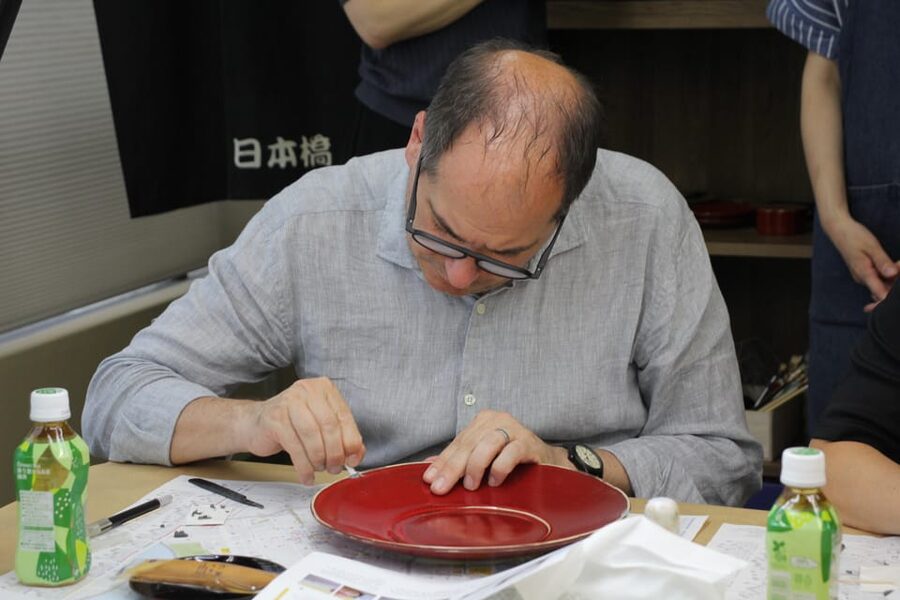
Kintsugi is often explained as a philosophy, but what’s special here is that you don’t just listen to the idea—you do the steps with your hands. The core concept is simple: when an object breaks, you don’t hide the damage. You repair it in a way that treats the seam like part of the design.
In this workshop, that philosophy shows up fast. You work with cracked lines instead of trying to erase them, and you’ll apply lacquer and gold to highlight those seams. That hands-on approach is the reason it feels more meaningful than a typical souvenir class.
You’ll also get context along the way. The teaching covers both the technique and the thinking behind it, which helps the final result make sense instead of feeling like a craft project you did without context. And because the session is short—about 90 minutes—it’s an easy way to add something authentic without burning half a day.
Finding Nihonbashi’s Mutoh Main Store (And Why the Setting Matters)
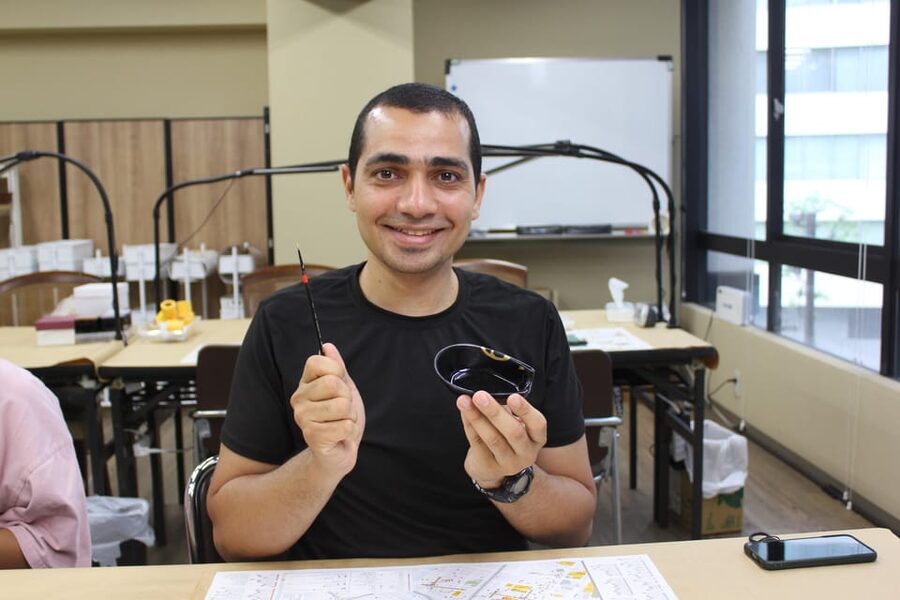
The meeting point is Nihonbashi Mutoh Main Store, in the 日本橋滄浪閣 building. It’s in central Tokyo, and that matters because you can tack this onto sightseeing days rather than building a complicated plan around it.
I like that the workshop is tied to a real shop environment. In the same space, you can see Kintsugi-related works and other ceramic items for sale, including small giftable pieces like tenugui (Japanese cotton towels). That gives you a chance to understand the aesthetic you’re making—not in a vacuum, but in a place that sells Japanese craft.
There’s also a quiet, studio-like feel reported by participants. When the atmosphere is calm, the work benefits. Kintsugi isn’t something you rush, and the pacing here seems built for that.
More hands-on studios our readers booked
- Tokyo Shinjuku Chopsticks Making Class
★ 5.0 · 1,763 reviews - Chopstick Making Workshop in Ginza
★ 4.8 · 1,366 reviews - Kintsugi Experience: Art of Golden Joinery in Tokyo
★ 5.0 · 467 reviews - Tokyo Chopstick Making Workshop with Artisan
★ 5.0 · 466 reviews
The Real Schedule: How a 90-Minute Session Gets You to a Take-Home Piece
This experience runs 90 minutes, with starting times you can check ahead. The session is designed for a small group capped at 5 participants, which keeps instruction more personal and makes it easier to ask questions in the moment.
Here’s the practical reality: you’re not doing traditional Kintsugi curing over weeks. The goal is to produce a finished, attractive repair that you can take home right away. For many people, that’s the sweet spot—enough time to learn the core steps and still fit Tokyo logistics.
Also note a timing consideration. If you bring your own vessel and the crack or chip is large, it may not be fully completed within 90 minutes. The workshop works best when the repair is limited—think 1 to 2 cracks and a manageable size.
Arrive at least 5 minutes early, because the workshop starts promptly. That’s not just etiquette; it helps you get settled before the first step begins.
What You Work On: All Materials Included, Ceramics Only
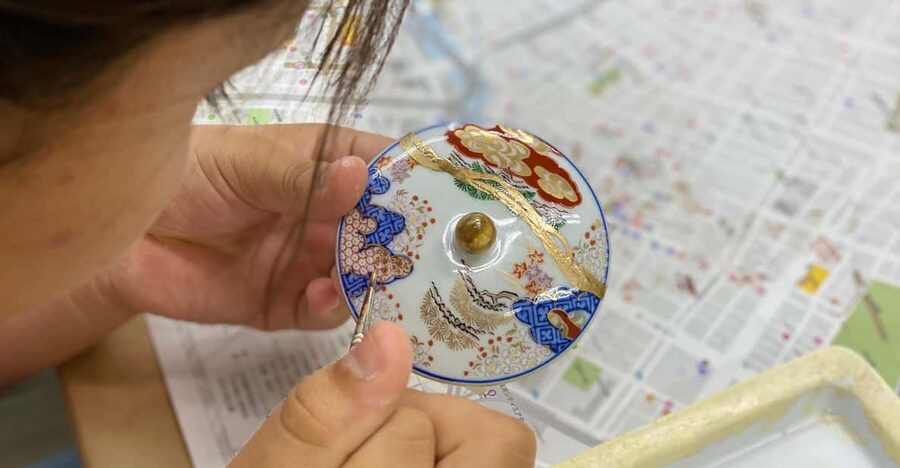
The workshop supplies everything you need. You only need comfortable clothes—no special tools, no bringing your own lacquer or gold powder.
You can also choose to restore your own item, if it fits the rules. The repair is for ceramic vessels only, with limits like:
- Up to φ15 cm diameter and 15 cm height
- Cracks: 1–2
- Restorable objects are ceramic vessels
- Chipped or cracked mug handles are not repairable
So if you’re dreaming about fixing your favorite handled mug from home, plan for disappointment. The technique here is set up for the kind of damage they can realistically work within the session.
If you don’t bring an item, you’ll still leave with a piece of Japanese art. That’s one of the biggest value points: you’re paying for the instruction, materials, and the final souvenir outcome, not for the privilege of finding supplies on your own.
Step-by-Step: From Broken “Puzzle” to Gold-Lined Seams
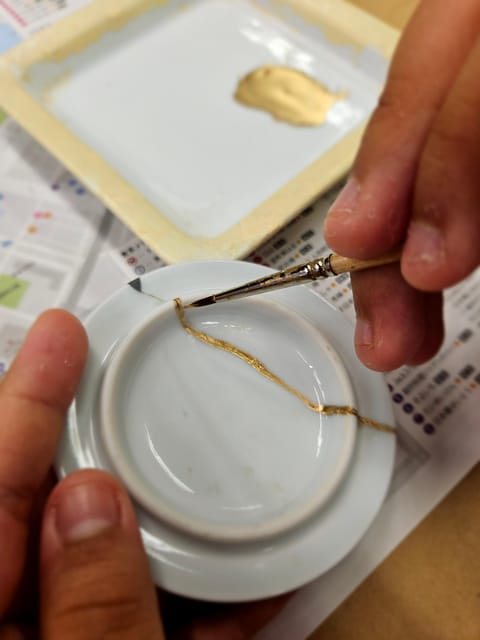
Even if you’ve never seen Kintsugi up close, the process in this workshop is very learnable. You’ll move through the main phases that make Kintsugi recognizable.
What you can expect conceptually (and what participants describe in similar sessions) looks like this:
1) Aligning the broken pieces
The initial stage is about getting the fragments positioned correctly, often like assembling a puzzle. Once the cracks line up, you can move to adhesives without fighting misalignment.
2) Cementing and filling
After the pieces are joined, you fill gaps using putty or similar materials. If there are bigger chipped areas, you may use additional filling material such as clay to bring the broken surface back closer to its original shape.
3) Smoothing
Sanding helps the repaired area feel more even, which matters both for aesthetics and for how the gold finish will sit on the seam.
4) Creating the gold seam effect
This is the signature part: metallic finish is applied along the repair lines. The technique is described as using lacquer and gold, and the end result is those crisp, glowing seams that make the breakage part of the design.
What I like about this approach is that it gives you a “mental map.” When you see a Kintsugi repair later, you can picture what happened: alignment, joining, filling, smoothing, gold accent. That turns the craft from magic into craft.
There’s also a learning bonus for first-timers: the instructor and interpreter support you at the right pace, so you’re not stuck guessing what to do next. People described the teaching as patient and hands-on, and that’s exactly what you want in a delicate craft.
The Take-Home Piece: What It’s For (And What It Isn’t)
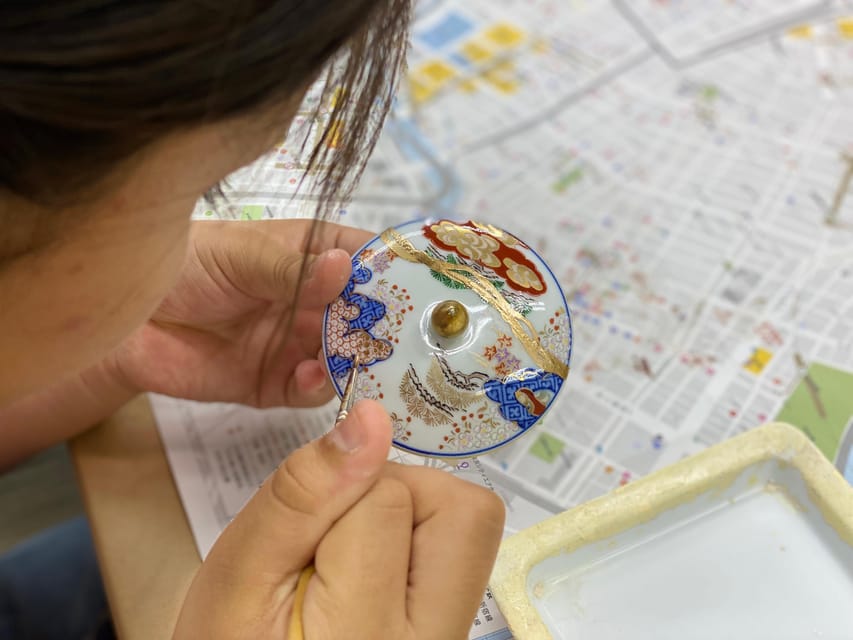
You’ll take home a repaired ceramic souvenir. That’s the point of the class—leave with something you made, not just photos.
Use expectations are specific:
- The completed piece can be used to hold dry food items
- It’s primarily intended for decorative purposes
That distinction is smart. Kintsugi repairs are beautiful, but you still treat the object like a crafted art piece. For daily use, choose dry items only. For everything else, display it.
If you bring your own item, it may need curing time, and staff may pack it carefully. One practical detail you should keep in mind: depending on the repair size, completion within 90 minutes isn’t guaranteed.
Readers also shortlisted these Tokyo bookings:
- Sushi Making Tokyo Roll and Authentic Japanese Sushi Class★ 5.0 · 3,971 reviews
- Tokyo: Roll and Authentic Sushi Making Class in Asakusa★ 4.9 · 1,957 reviews
- Tokyo Shinjuku Chopsticks Making Class★ 5.0 · 1,763 reviews
- Tokyo: Sushi Making Class in a Happi Coat near a Famous Spot★ 4.9 · 1,377 reviews
- Chopstick Making Workshop in Ginza★ 4.8 · 1,366 reviews
Price and Value: Is $125 Reasonable in Tokyo?
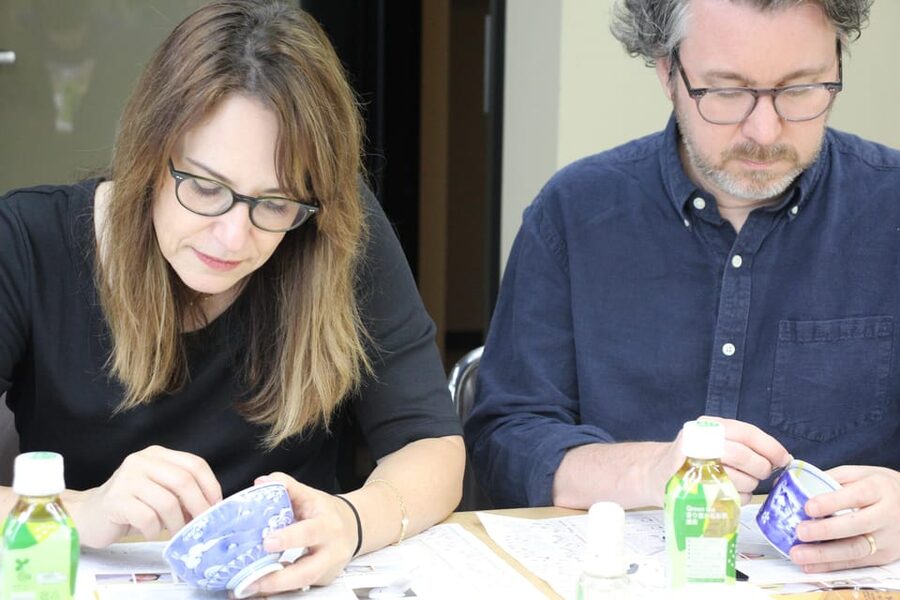
At $125 per person for 90 minutes, this is not a budget workshop. But it also isn’t overpriced in the way some “experience” classes feel.
Here’s why the value can make sense:
- All materials are provided, so you’re not paying extra for supplies
- You get professional instruction plus English interpretation in a small group
- You leave with a finished souvenir that reflects your hands-on work
In Tokyo, craft classes range from casual to highly technical. This one sits in the middle: technical enough to learn meaningful steps, but structured enough that you can complete something within a short time window.
For me, the strongest value driver is the “take-home outcome.” You’re not just paying to participate for a moment—you’re leaving with an object you can look at for years.
Who This Workshop Fits Best (And Who Might Want to Skip It)
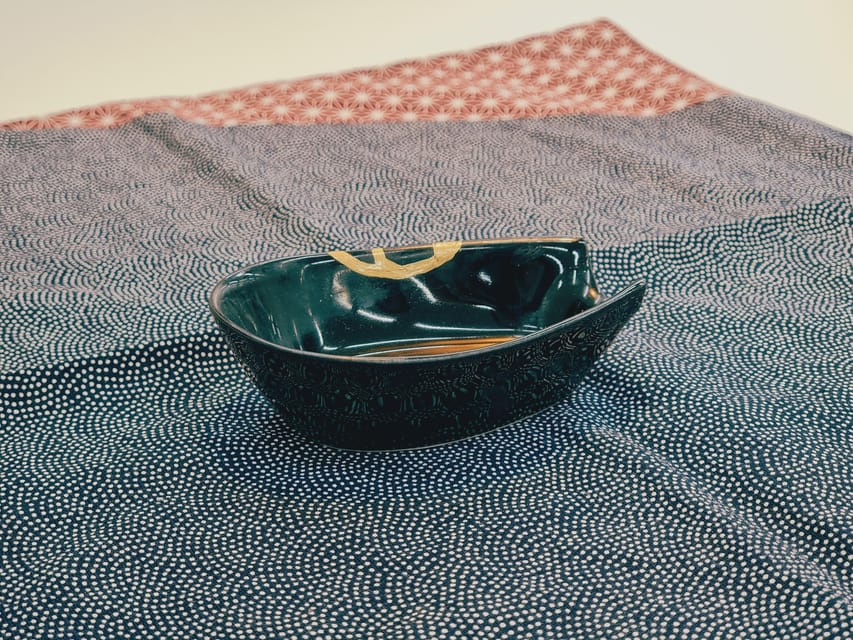
This Kintsugi workshop is aimed at ages 13 and up. If you’re traveling with kids under 13, it isn’t suitable.
It’s also best for people who want more than a photo stop. If you enjoy making something slowly, learning a craft step-by-step, and leaving with an object that carries meaning, you’ll probably love it.
On the other hand, if you’re hoping for a long, traditional Kintsugi timeline where everything cures fully over weeks, you might find the shorter format limits the depth of what you can finish in one sitting. The workshop is built for a tight schedule—great for that, but not the same as doing full traditional restoration from start to cure.
Also, be realistic about what you can bring to repair. Ceramic vessels are allowed under size and crack limits, but mug handles are not repairable, and big damage may not finish in 90 minutes.
Logistics That Actually Help: Getting There From Asakusa
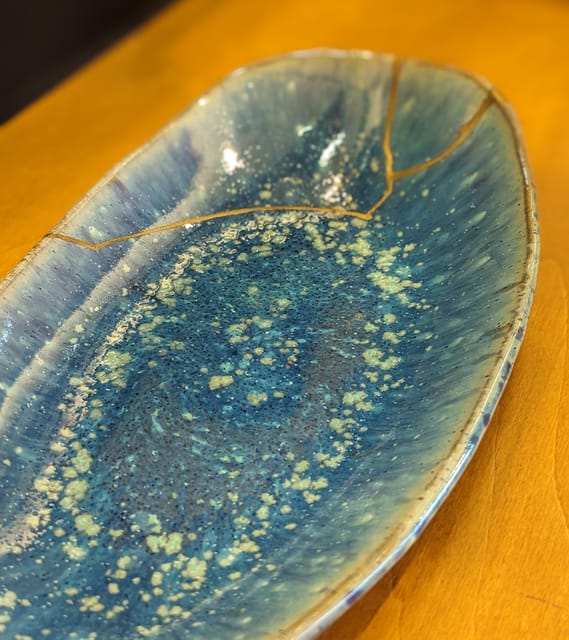
The workshop is about 15 minutes by subway from Asakusa, which is a big deal in a city where transit time can quietly eat your day. You’ll be in central Tokyo at Nihonbashi, a convenient area for pairing with nearby sightseeing.
Use the meeting point address to navigate confidently:
Nihonbashi Mutoh Main Store (日本橋滄浪閣 Bldg.)
〒103-0023 Tokyo, Chuo City, Nihonbashihoncho 1-8-13
Then give yourself buffer time. It’s a studio rhythm thing: show up a few minutes early so you can start with less stress.
Should You Book This Kintsugi Workshop?
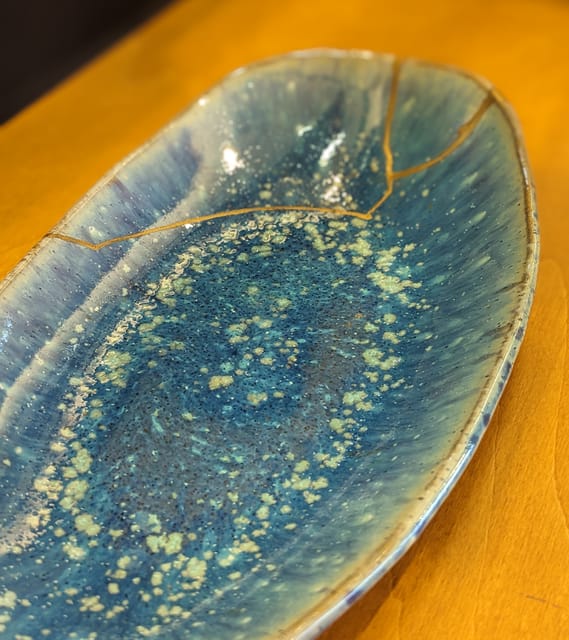
Book it if you want an authentic Tokyo craft that’s:
- Small group and hands-on
- Guided with English interpretation
- Short enough to fit a busy itinerary
- Designed so you take home a finished piece
Skip it if you’re bringing a damaged mug handle, planning to repair something beyond the stated ceramic size limits, or you’re chasing a full traditional curing process that takes weeks. Also skip if you’re after a high-energy, sightseeing-style activity—this is calm, precise craft time.
If you fall into the first group, it’s one of those experiences that’s easy to recommend. You’ll learn the steps, understand the philosophy behind the seams, and walk out with an object that feels personal because you made the repair yourself.
FAQ
How long is the Kintsugi workshop?
The experience is 90 minutes.
How much does it cost?
The price is $125 per person.
What language is the instruction?
Instruction is English, with English interpretation.
Are materials provided?
Yes. All materials are provided, so you don’t need to bring anything besides comfortable clothes.
Can I bring my own pottery to repair?
You can, but only ceramic vessels. It should be within up to φ15cm diameter and 15cm height, with 1–2 cracks. Chipped or cracked mug handles aren’t repairable.
What age is this workshop for?
It’s recommended for ages 13 and up. Minors must be accompanied by a guardian.
Is the finished piece usable for food?
The completed piece can hold dry food items, but it’s primarily intended for decorative purposes.
More Workshops in Tokyo
- Sushi Making Tokyo Roll and Authentic Japanese Sushi Class
★ 5.0 · 3,971 reviews - Tokyo: Roll and Authentic Sushi Making Class in Asakusa
★ 4.9 · 1,957 reviews - Tokyo Shinjuku Chopsticks Making Class
★ 5.0 · 1,763 reviews - Tokyo: Sushi Making Class in a Happi Coat near a Famous Spot
★ 4.9 · 1,377 reviews - Chopstick Making Workshop in Ginza
★ 4.8 · 1,366 reviews
More Tour Reviews in Tokyo
- Mt Fuji and Hakone 1-Day Bus Tour Return by Bullet Train
★ 5.0 · 26,383 reviews - 1-Day Tokyo Bus Tour
★ 5.0 · 14,250 reviews - Tokyo: teamLab Planets TOKYO Digital Art Museum Entry Ticket
★ 4.6 · 9,779 reviews - Mt Fuji & Hakone Cruise, Drum Show Bullet Train 1 Day from Tokyo
★ 4.0 · 7,413 reviews - Tokyo: Shinjuku Food Tour (13 Dishes at 4 Local Eateries)
★ 5.0 · 6,603 reviews
More Artisan Workshops in Tokyo
- Tokyo Shinjuku Chopsticks Making Class
★ 5.0 · 1,763 reviews - Chopstick Making Workshop in Ginza
★ 4.8 · 1,366 reviews - Kintsugi Experience: Art of Golden Joinery in Tokyo
★ 5.0 · 467 reviews - Tokyo Chopstick Making Workshop with Artisan
★ 5.0 · 466 reviews - Tokyo: Shinjuku Chopstick Making Class
★ 4.9 · 440 reviews
Latest Tokyo reviews off our desk




Craft & Artisan Workshops, compared.
 ★ 5.0Tokyo Shinjuku Chopsticks Making ClassFrom $201,763 reviews
 ★ 4.8Chopstick Making Workshop in GinzaFrom $251,366 reviews
 ★ 5.0Kintsugi Experience: Art of Golden Joinery in TokyoFrom $59467 reviews
 ★ 5.0Tokyo Chopstick Making Workshop with ArtisanFrom $26466 reviews
 ★ 5.0Authentic Pure Gold Kintsugi Workshop with Master Taku in TokyoFrom $142217 reviews
 ★ 5.0Calligraphy on Kanji Fan & Scroll with DrinkFrom $53210 reviews
Browse the lists this tour appears in