
Reviewed · MEIJI SHRINE TOURS
Tokyo: Meiji Jingu Cultural Walking Tour with Japanese Historian
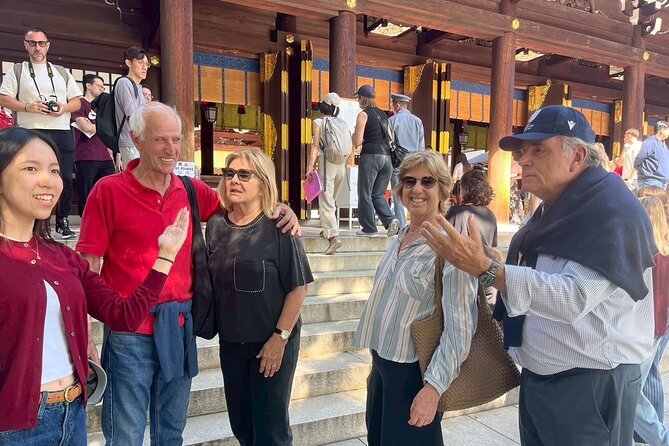
Meiji Jingu has a way of quieting your brain. This is an English-guided walk at Tokyo’s most famous Shinto shrine, led by Japanese student historians who explain what you’re seeing and why it still matters in everyday Japanese life. Instead of racing from photo spot to photo spot, you slow down and build real understanding: Shinto ideas, Meiji Jingu’s purpose, and the meaning behind rituals and sacred spaces.
I especially like two things. First, I love the clear English explanations from student historians, including how kami, nature, and ancestors fit into the Shinto worldview. Second, I like the private format, so the pace feels relaxed and questions are welcome without the usual group-chaos pressure.
One consideration: this is a cultural-and-religious understanding tour, not a checklist for maximum sights. If you want a quick shrine photo lap with minimal talking, you may prefer a different style of tour.
In This Review
- Key highlights you’ll actually care about
- Getting from Harajuku to a shrine that feels worlds away
- The tour’s real goal: learning Shinto without turning it into a lecture
- What you’ll see at Meiji Jingu (and what it means)
- How Shinto shapes everyday Japanese values (not just religion)
- The pacing: calm walking, room for questions, and no rushed photo sprint
- Price and value: why $19.55 can make sense here
- Who this tour fits best (and who might want a different style)
- Practical tips for enjoying Meiji Jingu more on this walk
- Should you book this Meiji Jingu Cultural Walking Tour?
- FAQ
- What is the tour duration?
- Where does the tour start?
- How long do we spend at Meiji Jingu?
- Is admission included?
- Is the tour private?
- What language is the guide using?
- Do I get a mobile ticket?
- How far in advance is it typically booked?
- What is the cancellation policy?
- Is it near public transportation?
Key highlights you’ll actually care about
- Japanese student historians in English help you understand Shinto ideas while you walk
- Private group experience means you can ask questions and move at an easier pace
- Meiji Jingu entry is included, so you’re not scrambling for tickets mid-walk
- You’ll connect rituals, architecture, and sacred spaces to daily Japanese values
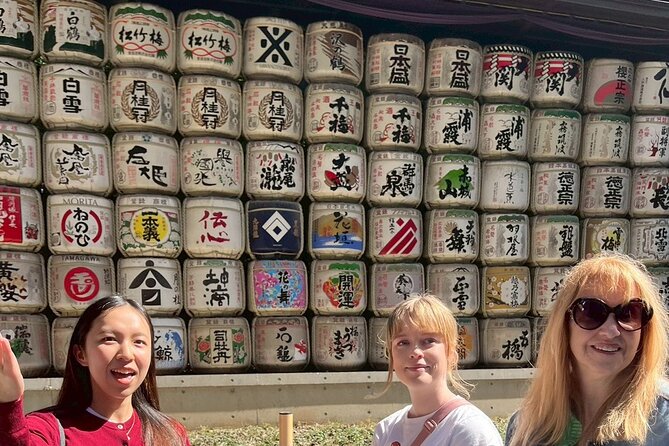
- You’ll see iconic shrine features like the grand torii gate and ritual water areas
- You start near Harajuku at WITH HARAJUKU, a convenient jump-off point
Getting from Harajuku to a shrine that feels worlds away
Your tour meets at WITH HARAJUKU, 1-chōme-14-30 Jingūmae, Shibuya. It’s a smart starting point because you’re already in Tokyo’s most connected area, and the tour is described as near public transportation. That matters if you’re trying to stitch together a day that includes shopping streets and then—suddenly—silence.
The walking portion is about 2 hours total, with about 1 hour 30 minutes at Meiji Jingu. I like this timing because it’s long enough to feel you’ve actually entered the place, not just visited the gate and left. At the same time, it doesn’t steal an entire day from you.
Also, the tour uses a mobile ticket, so you’re not hunting for paper. Small thing, but it helps when you’re moving around Tokyo with multiple reservations.
More quiet hours at Meiji Shrine
- Tokyo: Meiji Shrine, Asakusa, Skytree Bus Tour and Cruise
★ 4.7 · 1,986 reviews - Tokyo Panoramic 1 Day: Meiji Shrine, Asakusa, Odaiba and SKYTREE®
★ 4.5 · 1,222 reviews - Tokyo: Meiji Shrine Walking Tour — Shinto & Imperial System
★ 4.9 · 266 reviews - Tokyo: Meiji Jingu Shrine and Shinto Culture Walking Tour
★ 5.0 · 245 reviews
The tour’s real goal: learning Shinto without turning it into a lecture
The best part of this experience is the way it teaches you while you’re on your feet. The focus isn’t on memorizing a religion. It’s on understanding the basic ideas of Shinto, including kami, nature, and ancestors—then tying them to what you’ll notice in Japan today.
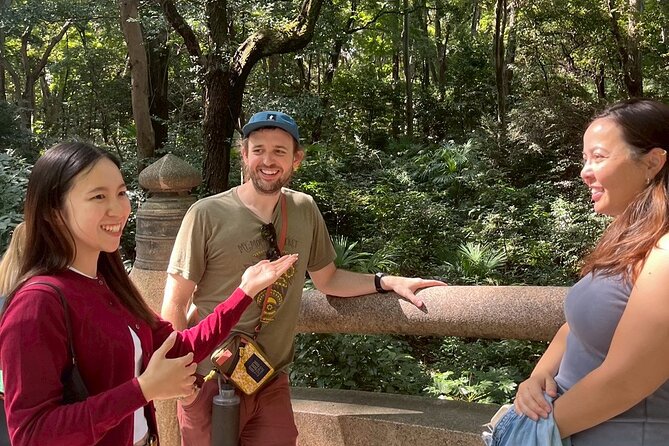
A big reason this works is the guide format. This is led by Japanese student historians, and they’re comfortable explaining history and culture in English. Guides in past groups have included students such as Noriko and Shota, and their style (from what people reported) was careful, friendly, and question-friendly. That combination is rare: you want clarity, but you also want humanity.
You should expect discussion along the way. The tour description specifically says questions are welcome, and the vibe is built for people who like to understand how a society thinks—not just what to photograph.
What you’ll see at Meiji Jingu (and what it means)
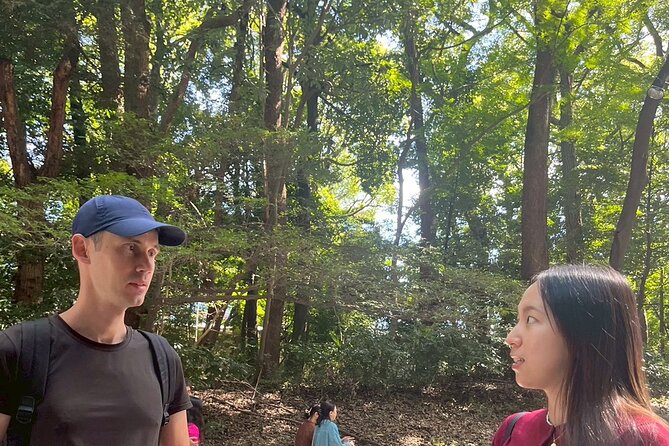
Meiji Jingu isn’t just one building. It’s a whole spiritual setting, and the tour helps you read it like a story.
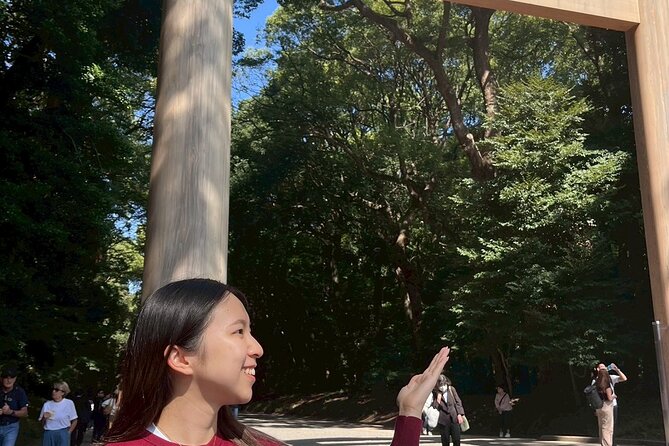
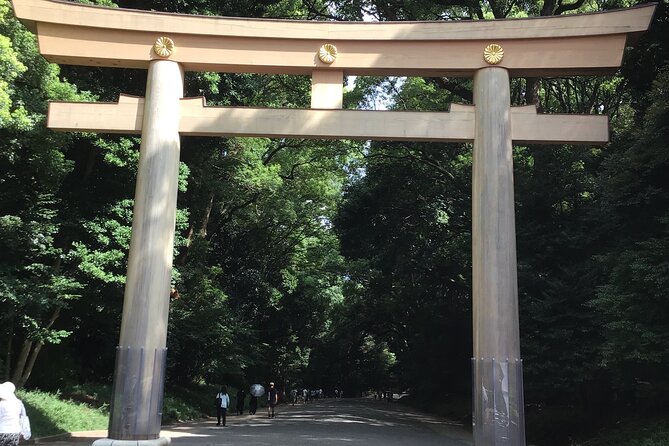
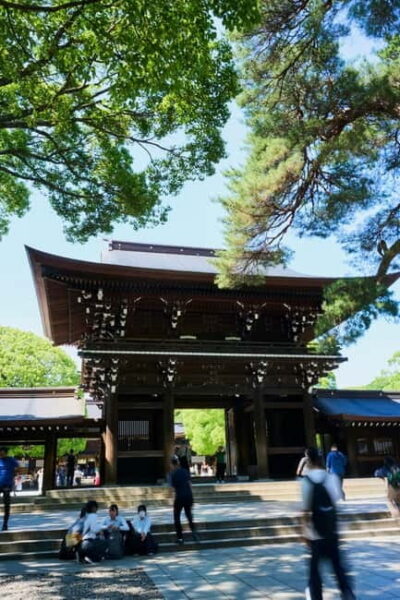
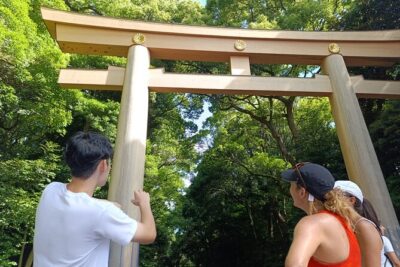
You’ll enter the shrine grounds and spend time exploring the heart of the site. One of the first things people tend to notice is the grand torii gate, the dramatic entry that marks the shift from regular Tokyo to something more ceremonial. The guide won’t just point it out. You’ll learn what a shrine is in Shinto terms and why shrine spaces are designed the way they are.
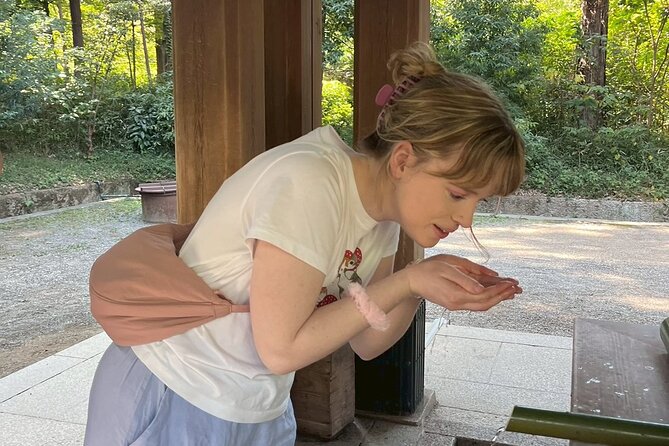
You’ll also pay attention to the areas connected to purification. Reviews mention pure water, which is the kind of detail that’s easy to ignore if you’re rushing. With context, it clicks: purification isn’t about hygiene only. It’s about respect—about setting your mindset before you approach a sacred space.
Architecture shows up in the explanations too. The tour description calls out the meaning behind rituals, architecture, and sacred spaces, and that’s exactly what you want on-site. When you know what you’re looking for, the visuals stop being random and start being intentional.
And yes, expect to hear about Emperor Meiji. The guide explains why Meiji Jingu was built and whom it enshrines, and multiple reports mention Emperor Meiji by name. That historical anchor helps everything else make sense.
There can also be mention of museum exhibits connected to the shrine experience. The tour includes an admission ticket, and people reported seeing rare exhibits during the walk. I’d treat that as a possible add-on within the visit flow, not something you should bank on for a long museum afternoon.
How Shinto shapes everyday Japanese values (not just religion)
Here’s why I think this tour is worth your attention even if you’re not religious: it connects the shrine to everyday culture.
You’ll learn how Shinto shapes values in Japan today. That’s not a vague statement. During the walk, you’ll be guided through core concepts like how kami relate to nature and ancestors. Then you’ll connect those ideas to the way people behave—at shrines, in community life, and in how cultural identity shows up in traditions.
This matters because Meiji Jingu is one of Tokyo’s most important spiritual sites. But importance can be abstract if you don’t know the framework. The tour tries to give you that framework.
Also, the guide is described as trained by Meiji Jingu (or working as a certified volunteer guide trained by the shrine). That kind of training matters. You’re less likely to get a generic explanation and more likely to get answers that reflect the shrine’s own cultural presentation.
The pacing: calm walking, room for questions, and no rushed photo sprint
The tour is structured for understanding, and you feel that in the pace. It’s about 1 hour 30 minutes at Meiji Jingu, and that’s enough time to stop, listen, and then walk again without feeling like your legs are the only part of you paying attention.
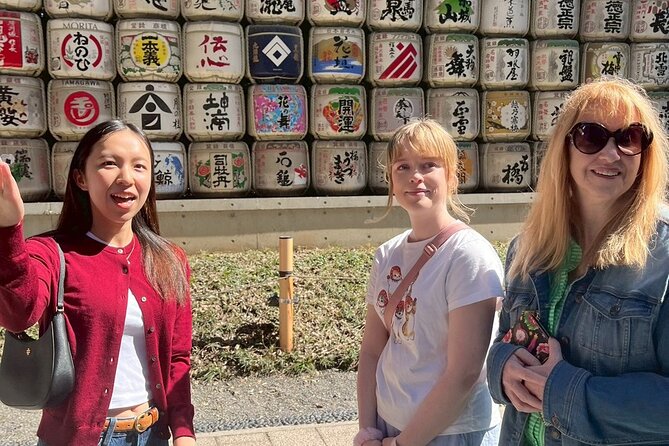
Because it’s private—only your group participates—you can ask follow-ups without the guide competing with twenty simultaneous hands. That’s a big deal in Tokyo, where crowded group tours can turn into loud walking meetings.
From what people highlighted, the student historian guides also bring energy without going chaotic. The explanations were described as clear, and guides were described as attentive and kind, with some offering trip advice. Even if you don’t need advice, that personal touch helps you relax into the experience instead of treating it like a classroom assignment.
Readers also shortlisted these Tokyo bookings:
- Tokyo Tsukiji Fish Market Food and Culture Walking Tour★ 5.0 · 3,184 reviews
- Tokyo: Imperial Palace and Shogun Historical Walking Tour★ 5.0 · 2,251 reviews
- Tokyo: Shinjuku Local Bar and Izakaya Guided Walking Tour★ 4.9 · 1,794 reviews
- Tokyo: Tsukiji Fish Market Food and Walking tour★ 5.0 · 1,724 reviews
- Tokyo: Asakusa Walking Tour with Sensoji Temple Visit★ 4.8 · 1,583 reviews
Price and value: why $19.55 can make sense here
At $19.55 per person, this isn’t a budget-minimum tour, but it also isn’t priced like a high-end private guide with a celebrity fee. The value comes from three things you actually use:
First, you get an English-guided cultural explanation from a Japanese student historian. That’s not just narration. It’s translation plus context, and context is where many cheap tours fall apart.
Second, the visit time is about 2 hours, with admission included. Admission included turns the math into something simpler: you’re not paying twice for entry just to walk around.
Third, the private format reduces friction. If you’re the type who likes asking questions and moving at your own pace, this format saves you time and stress compared to squeezing your questions into a packed schedule.
If your goal is purely photos, you might feel the price doesn’t match your priorities. If your goal is understanding—Shinto basics, how rituals work, why Meiji Jingu matters—then this feels like a fair trade.
Who this tour fits best (and who might want a different style)
This tour is a great fit if you’re:
- in Tokyo for the first time and want a strong cultural start point
- interested in how religion and identity show up in everyday behavior
- the type who likes questions, not just listening
- happy trading a few photo moments for real meaning
It may be less ideal if you:
- want a quick, low-talk shrine visit with minimal explanation
- prefer a museum-first schedule
- are in a rush and need a flexible, self-paced walk
That said, the calm pace is exactly what helps Meiji Jingu work. It’s not a place you should sprint through, even if you’re tempted to.
Practical tips for enjoying Meiji Jingu more on this walk
A few practical moves will help you get more out of the experience:
- Wear comfortable shoes. You’re walking in a shrine setting for about two hours, and the experience is paced for stopping and listening.
- Take in details slowly once the guide points them out. Things like purification water and shrine layout stop being background after you hear what they represent.
- Bring questions. The tour explicitly welcomes discussion, and if you’re curious about how Shinto fits into modern Japan, this is where you can ask.
Also, since the tour ends back at the meeting point, plan the rest of your day around returning near Harajuku/Shibuya. That’s a convenient location to pivot into food, shopping, or transit.
Should you book this Meiji Jingu Cultural Walking Tour?
Yes—if you want more than a postcard shrine visit. This is one of those Tokyo experiences where understanding changes your entire visit. The student historian approach, the private format, and the focus on Shinto basics (kami, nature, ancestors), plus the why behind Meiji Jingu’s purpose, make the time feel worth it.
Skip it only if your priority is maximum sights with minimal conversation. Meiji Jingu is calm by nature, and this tour leans into that calm with meaning. If you’re aligned with that style, you’ll likely walk away feeling like you actually learned how to read the place.
FAQ
What is the tour duration?
The tour lasts about 2 hours.
Where does the tour start?
It starts at WITH HARAJUKU, 1-chōme-14-30 Jingūmae, Shibuya, Tokyo 150-0001, Japan.
How long do we spend at Meiji Jingu?
The time at Meiji Jingu is listed as about 1 hour 30 minutes.
Is admission included?
Yes. The tour includes an admission ticket.
Is the tour private?
Yes. Only your group will participate.
What language is the guide using?
The tour is described as an English-guided walk.
Do I get a mobile ticket?
Yes. The tour uses a mobile ticket.
How far in advance is it typically booked?
On average, it is booked about 42 days in advance.
What is the cancellation policy?
You can cancel for a full refund if you cancel up to 24 hours in advance of the experience start time.
Is it near public transportation?
Yes, the meeting point is described as near public transportation.
More Tours in Tokyo
- Mt Fuji and Hakone 1-Day Bus Tour Return by Bullet Train
★ 5.0 · 26,383 reviews - 1-Day Tokyo Bus Tour
★ 5.0 · 14,250 reviews - Tokyo: Shinjuku Food Tour (13 Dishes at 4 Local Eateries)
★ 5.0 · 6,603 reviews - Tokyo Mt Fuji 5th St & Hakone Cruise Bus Tour w/Bullet Train
★ 4.4 · 5,024 reviews - Flagship 2-Hours Official Street Go-Kart Tour – Tokyo Bay Shop
★ 5.0 · 4,974 reviews
More Tour Reviews in Tokyo
- Mt Fuji and Hakone 1-Day Bus Tour Return by Bullet Train
★ 5.0 · 26,383 reviews - 1-Day Tokyo Bus Tour
★ 5.0 · 14,250 reviews - Tokyo: teamLab Planets TOKYO Digital Art Museum Entry Ticket
★ 4.6 · 9,779 reviews - Mt Fuji & Hakone Cruise, Drum Show Bullet Train 1 Day from Tokyo
★ 4.0 · 7,413 reviews - Tokyo: Shinjuku Food Tour (13 Dishes at 4 Local Eateries)
★ 5.0 · 6,603 reviews
More Meiji Shrine Hours, Rated
- Tokyo: Meiji Shrine, Asakusa, Skytree Bus Tour and Cruise
★ 4.7 · 1,986 reviews - Tokyo Panoramic 1 Day: Meiji Shrine, Asakusa, Odaiba and SKYTREE®
★ 4.5 · 1,222 reviews - Tokyo: Meiji Shrine Walking Tour — Shinto & Imperial System
★ 4.9 · 266 reviews - Tokyo: Meiji Jingu Shrine and Shinto Culture Walking Tour
★ 5.0 · 245 reviews - Tokyo: Meiji Shrine and Shinto Culture Walking Tour
★ 5.0 · 225 reviews
Latest Tokyo reviews off our desk






Meiji Shrine Tours, compared.
 ★ 4.7Meiji Shrine, Asakusa, Skytree Bus Tour and CruiseFrom $1221,986 reviews
 ★ 4.5Tokyo Panoramic 1 Day: Meiji Shrine, Asakusa, Odaiba and SKYTREE®From $851,222 reviews
 ★ 4.9Meiji Shrine Walking Tour — Shinto & Imperial SystemFrom $23266 reviews
 ★ 5.0Meiji Jingu Shrine and Shinto Culture Walking TourFrom $19245 reviews
 ★ 5.0Meiji Shrine and Shinto Culture Walking TourFrom $18225 reviews
 ★ 5.0Meiji Shrine Walking Tour — Shintoism & Imperial SystemFrom $21209 reviews
 ★ 5.0Tokyo Morning Tour: Asakusa, Meiji Shrine and Tsukiji Fish MarketFrom $157128 reviews
 ★ 5.0Tokyo Morning Tour : Meiji Shrine, Asakusa and Fish MarketFrom $72102 reviews
Browse the lists this tour appears in