
Reviewed · ASAKUSA & SENSOJI TOURS
Full Tokyo: Meiji Shrine, Imperial Palace, Asakusa & Skytree
Tokyo can feel like a lot at once. This tour strings together Shibuya Crossing, Meiji Jingu, Imperial Palace exteriors, Asakusa, and Tokyo Skytree into one clear route, with a mobile ticket that helps you keep moving without getting stuck in planning mode.
I also like that the day is organized for you, so you’re not bouncing between maps and research tabs trying to build the perfect order.
The biggest win for me is the human factor: a bilingual guide in Spanish and English, with some guides bringing real depth on Japanese religion and spirituality. Plus, the Tokyo Skytree observation deck is included, so you’re not juggling one more ticket. One thing to plan around: the tour ends at Skytree, and there’s no return transport back to your original meeting point.
In This Review
- Key reasons this tour works well
- A one-day Tokyo plan that gets your bearings fast
- Meeting at Hachiko and the Shibuya Crossing shock of scale
- Meiji Jingu: the forest break you’ll be glad you scheduled
- Imperial Palace exterior photos (and why you won’t feel rushed)
- Akihabara streets and Asakusa temple time in the same day
- Akihabara: quick hit, big personality
- Asakusa: Senso-ji and real free time
- Tokyo Skytree: included entry and a satisfying finish
- Price and value: why $39 can make sense
- How much walking and standing should you plan for?
- Group size: smaller keeps the day feeling more personal
- Who this tour is perfect for
- Should you book the Full Tokyo: Meiji Shrine, Imperial Palace, Asakusa & Skytree?
- FAQ
- What time does the tour start, and how long is it?
- Is the Tokyo Skytree admission included?
- Are train tickets included for getting between stops?
- What languages are the guides?
- Where does the tour end?
- Is the tour walking-heavy?
Key reasons this tour works well
- Hachiko start point: easy meeting at Shibuya’s landmark, then you’re already in the action
- Pre-planned route with rail tickets: fewer decisions, less waiting around, more sightseeing
- Spanish and English guidance: clear narration and practical directions as you move across neighborhoods
- Meiji Jingu + Imperial Palace exteriors: mix of quiet spirituality and classic photo stops
- Asakusa and Senso-ji with free time: time to shop, snack, and choose your own pace
- Skytree included: you finish with city views without extra ticket hassle
A one-day Tokyo plan that gets your bearings fast
Tokyo is huge, and first-timers often waste time trying to figure out what’s near what. What I like about this 7-hour highlights tour (starting at 8:00 am) is that it’s built to “stack” major sights in an efficient order. You get structure right away, so your day feels less like problem-solving and more like exploring.
The route is also easy to understand: you start at Hachiko Statue in Shibuya, then move through Meiji Jingu, head toward the Imperial Palace area, and continue on to Asakusa and Akihabara, finishing at Tokyo Skytree. The guide keeps the group together, so you’re not constantly asking, Where do we go next?
And yes, it’s a mix of moods. You go from Shibuya’s energy to Meiji’s forest calm, then back into temple streets and electronics/anime territory, and end with one of the best big-city panorama options available.
More temple mornings in old Asakusa
- Tokyo: Japanese Dance Cabaret Theater Asakusa-Kaguwa Ticket
★ 4.8 · 2,270 reviews - Tokyo: Meiji Shrine, Asakusa, Skytree Bus Tour and Cruise
★ 4.7 · 1,986 reviews - Tokyo: Roll and Authentic Sushi Making Class in Asakusa
★ 4.9 · 1,957 reviews - Tokyo: Asakusa Walking Tour with Sensoji Temple Visit
★ 4.8 · 1,583 reviews
Meeting at Hachiko and the Shibuya Crossing shock of scale
Your day kicks off at the Hachiko Statue near Shibuya Station. That’s a smart choice because Hachiko is instantly recognizable, so you spend less time wandering and more time learning the layout of the neighborhood you’re in.
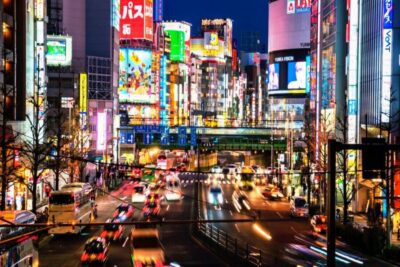
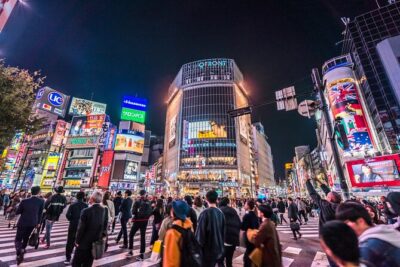
From there, you’ll see Shibuya Crossing early in the morning. Even if you’ve seen it online, the crossing feels different in real life: the scale, the choreography, the constant motion. It’s the kind of place that makes Tokyo feel real immediately.
Then the day shifts into “guided momentum.” You’ll take train transfers between neighborhoods, and you’ll do it with your guide handling navigation. That matters because Tokyo transit can be simple once you know it, and confusing when you’re tired. Having someone steer you through the moves is a genuine value add.
Meiji Jingu: the forest break you’ll be glad you scheduled
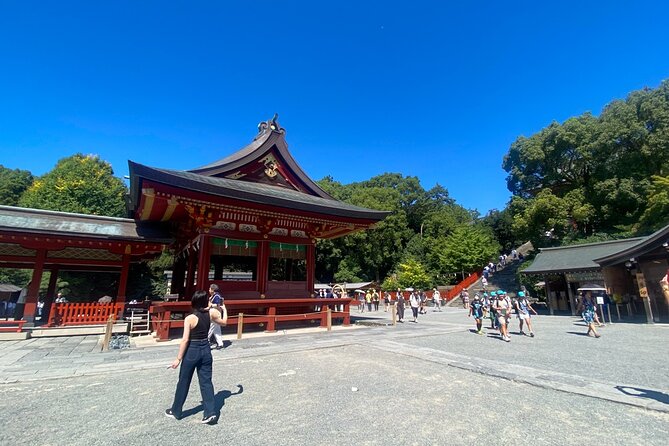
Next up is Meiji Jingu Shrine, where you get about 1 hour 10 minutes on-site and the admission is free. This is one of Tokyo’s most famous Shinto sanctuaries, and the biggest reason it works on a day like this is contrast. After Shibuya’s motion, the shrine grounds feel like a reset.
You’ll walk through the peaceful forest surroundings and get a proper sense of traditional Japanese spirituality—more than just quick photos. The guide’s role is helpful here. One of the guides featured on this tour has a master’s in philosophy, and he brings a thoughtful approach to Japanese religion and spirituality. That kind of context can turn what looks like a pretty site into something you understand while you’re there.
Practical note: this is a place where people slow down naturally. I’d still keep your schedule in mind because you have other stops afterward, but it’s designed for you to actually enjoy the calm.
Imperial Palace exterior photos (and why you won’t feel rushed)
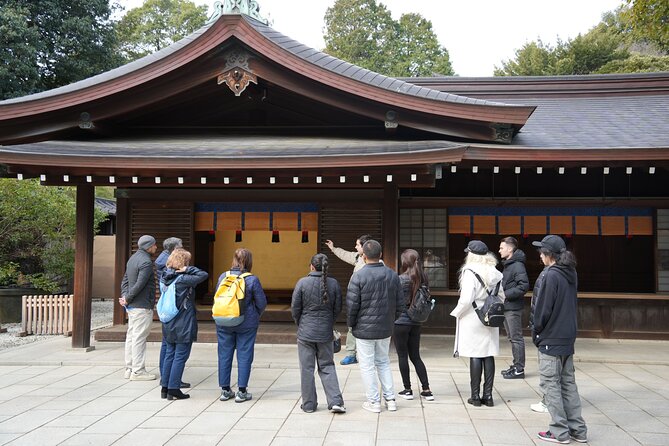
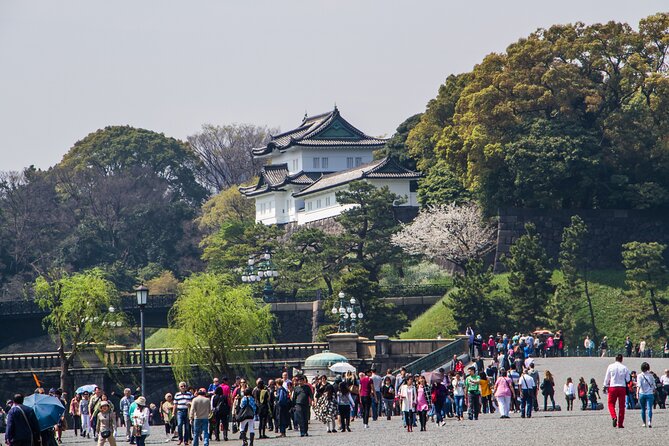
After Meiji Jingu, you’ll head to the Imperial Palace area for about 30 minutes. You’ll see and photograph the Emperor’s official residence exterior, but you won’t enter the palace. That’s not a dealbreaker. In fact, it’s a sensible use of time on a packed itinerary.
The palace exterior area gives you that classic Tokyo-meets-tradition photo moment without pulling you into a longer ticket/entry process that could eat up time you need elsewhere. If you like structure—like I do—this stop feels like a quick, clean win.
Also, having a guide helps you not just point and shoot. They’ll help you orient yourself to what you’re looking at, so your photos come with meaning instead of just background.
Akihabara streets and Asakusa temple time in the same day
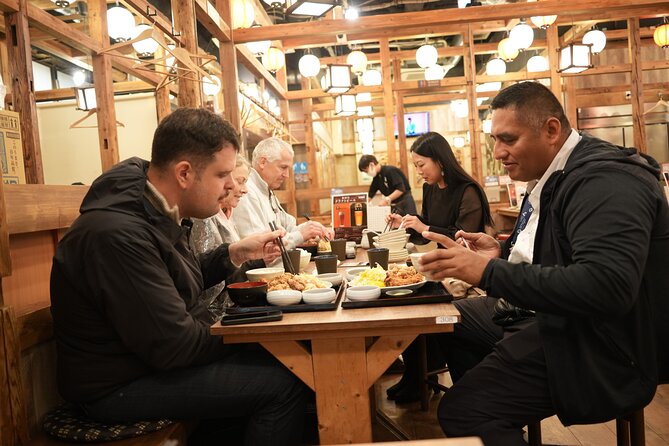
Two of Tokyo’s most fun districts show up back-to-back: the electronics/anime world of Akihabara, then the historic temple streets of Asakusa.
More walks around the Imperial grounds
- Tokyo: Imperial Palace and Shogun Historical Walking Tour★ 5.0 · 2,251 reviews
- Tokyo: Imperial Palace Japanese History Walking Tour★ 4.9 · 987 reviews
- Tokyo: Imperial Palace and Shogun Walking Tour★ 4.9 · 935 reviews
- Imperial Palace East Garden and Edo Castle Walking Tour in Tokyo★ 5.0 · 510 reviews
- Tokyo: Imperial Palace East Gardens Walking Tour★ 4.8 · 353 reviews
Akihabara: quick hit, big personality
You’ll see the lively streets of Akihabara, known for electronics, anime, and pop culture. You don’t get an extremely long chunk of time here on this route, so think of it as a taste—enough to feel the vibe and decide if you want to return later on your own.
This is a good use of time early in your trip if you haven’t mapped out where your interests are. If you’re an anime fan, you’ll likely spot storefronts and themed streets right away. If you’re not, the area still has a “Tokyo future meets retro culture” energy that’s hard to ignore.
Asakusa: Senso-ji and real free time
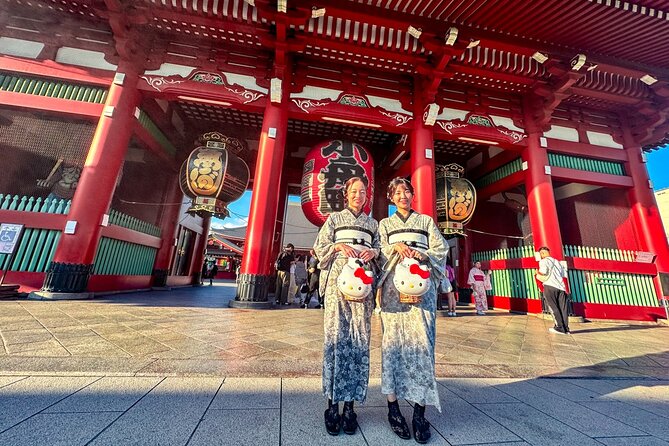
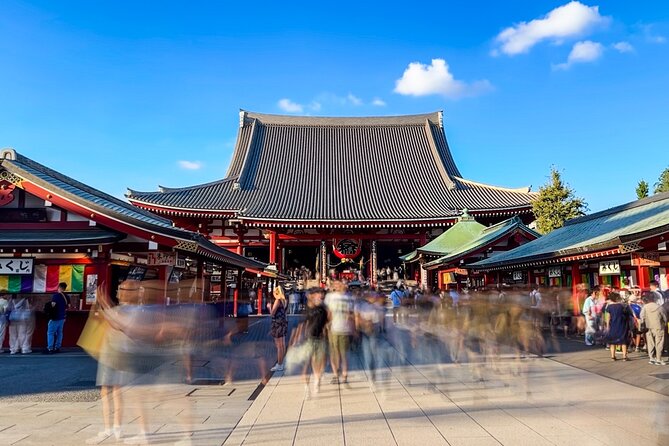
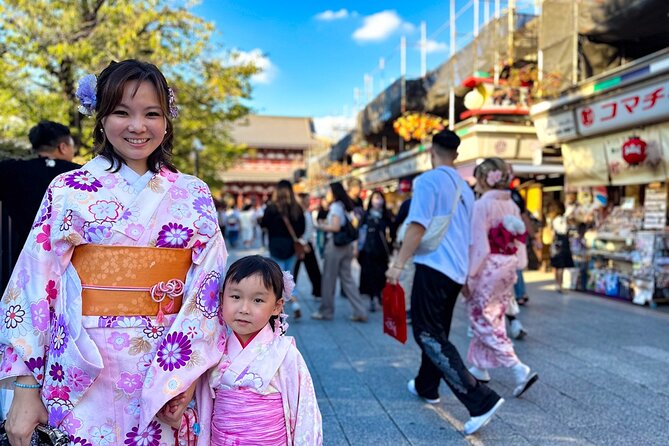
Then you land in Asakusa, with about 2 hours there, and admission is free. You’ll visit Senso-ji, Tokyo’s oldest temple, and you’ll have time for sightseeing and shopping. You can also choose a traditional lunch if that option is selected.
What I like about giving you free time here is that Asakusa isn’t just one point on a map. It’s a whole mood: temple atmosphere, souvenir streets, snack stops, and side streets that reward wandering. If you want to take more photos, buy little gifts, or just slow down and people-watch, you can.
This is also where you can adjust your day. If you’re tired from walking or trains, you can shop more calmly. If you’re feeling energetic, you can go deeper on foot without stressing your group schedule too much, as long as you return before the guide calls everyone back together.
Tokyo Skytree: included entry and a satisfying finish
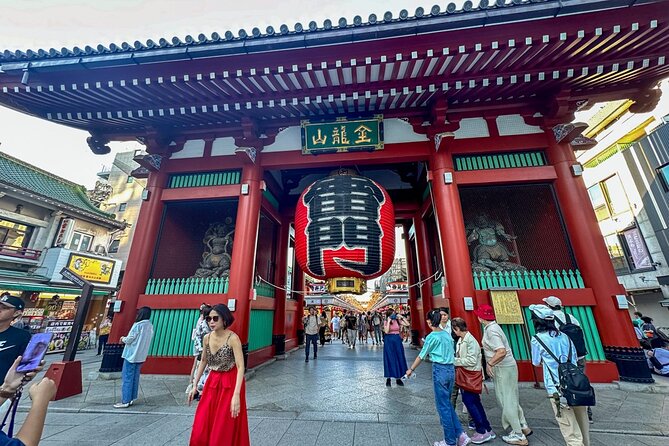
The last stop is Tokyo Skytree in Oshiage, and this is where the tour really pays off for first-timers. You get to ascend to the observation deck with your guide, and the entrance is included. Your time here is about 30 minutes.
Even if you’ve seen city views in other places, Skytree’s perspective is a very Tokyo way to end a day: tall, spread-out, and full of details. You’ll look out over neighborhoods you just visited and connect them in your head. It turns the day into a coherent story instead of a checklist.
One scheduling point: because the tour ends at Skytree and there’s no return bus to the original meeting point, I recommend planning your next move right after. Have a plan for dinner or your next train home so you don’t end your day doing navigation from scratch.
Price and value: why $39 can make sense
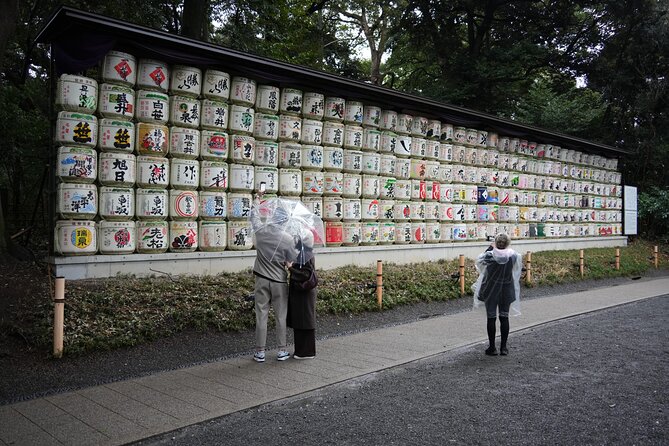
At $39 per person, this tour isn’t trying to compete with a do-it-yourself itinerary. It’s selling a different kind of value: reducing your planning time while packing in multiple iconic stops.
Here’s what you’re paying for that’s hard to replace with a quick transit plan:
- A bilingual guide (Spanish and English) who helps you move smoothly between districts
- Train tickets included for transfers between stops
- Tokyo Skytree entry included
- A full structured route that covers multiple major sights in one day
You’re also getting several stops with free admission (Meiji Jingu and Asakusa/Senso-ji), which makes the overall day feel like it’s mostly “guided time” rather than “pay-for-everything” tourism.
Could you do it cheaper alone? Probably. But if you value time and clarity—especially on an itinerary that crosses neighborhoods—this is the kind of guided day that can feel like a smart trade.
How much walking and standing should you plan for?
The tour requires moderate physical fitness and you should expect to be active. It’s not just long rides; you’ll walk through shrine grounds, temple area streets, and the neighborhood scenes around Akihabara and Asakusa.
The practical takeaway is simple:
- Wear comfortable walking shoes you can handle for a full day
- Dress for the conditions. One winter-season note from a past participant was to dress warmly for wind and cold, which makes sense in Tokyo when temperatures drop
If you’re the type who likes short stops and steady pacing, you’ll likely be fine. If you’re expecting a mostly seated sightseeing day, this isn’t that.
Group size: smaller keeps the day feeling more personal
The group has a maximum of 20 travelers. That size usually helps the guide manage pacing and explanations without turning the tour into a herd sprint.
It also helps when you want to ask questions on the spot—about what you’re seeing, what a shrine sign means, or why certain places are arranged the way they are. On previous departures, the guides have been praised for being friendly and helpful, including across Spanish and English groups.
Who this tour is perfect for
This is a great fit if:
- You’re short on time and want a “greatest hits” Tokyo route
- You prefer guidance and navigation support over figuring everything out yourself
- You want a mix of traditional sites (Meiji Jingu, Senso-ji) and modern Tokyo energy (Shibuya, Akihabara)
- You’d like to start your trip with a map in your head after one day
If you’re traveling with a very specific interest—like deep architecture, museums, or food-only neighborhoods—you might still take this tour for the orientation, then return later for a more tailored day.
Should you book the Full Tokyo: Meiji Shrine, Imperial Palace, Asakusa & Skytree?
I’d book it if you want the speed of a guided route and you care about ending the day with a view at Tokyo Skytree that’s already handled for you. The bilingual guide format and the included rail transfers make the day feel efficient rather than chaotic.
Skip it (or at least think hard) if you strongly dislike being on the move or if you hate the idea that the tour ends at Skytree with no return bus to your starting point. If you’re okay planning that last connection, the itinerary gives you a lot of Tokyo in one go.
FAQ
What time does the tour start, and how long is it?
The tour starts at 8:00 am and runs for about 7 hours.
Is the Tokyo Skytree admission included?
Yes. Entrance to Tokyo Skytree is included, including ascent to the observation deck with your guide.
Are train tickets included for getting between stops?
Yes. Train tickets are included for all transfers between points on the itinerary.
What languages are the guides?
The guide is bilingual in Spanish and English.
Where does the tour end?
The tour ends at Tokyo Skytree. The guide accompanies the group to the entrance, and the tour concludes there.
Is the tour walking-heavy?
It involves walking and moving between neighborhoods and is listed for moderate physical fitness. Comfortable shoes are a smart idea.
More Meiji Shrine Hours, Rated
- Tokyo: Meiji Shrine, Asakusa, Skytree Bus Tour and Cruise
★ 4.7 · 1,986 reviews - Tokyo Panoramic 1 Day: Meiji Shrine, Asakusa, Odaiba and SKYTREE®
★ 4.5 · 1,222 reviews - Tokyo: Meiji Shrine Walking Tour — Shinto & Imperial System
★ 4.9 · 266 reviews - Tokyo: Meiji Jingu Shrine and Shinto Culture Walking Tour
★ 5.0 · 245 reviews - Tokyo: Meiji Shrine and Shinto Culture Walking Tour
★ 5.0 · 225 reviews
More Imperial Palace Walks
- Tokyo: Imperial Palace and Shogun Historical Walking Tour
★ 5.0 · 2,251 reviews - Tokyo: Imperial Palace Japanese History Walking Tour
★ 4.9 · 987 reviews - Tokyo: Imperial Palace and Shogun Walking Tour
★ 4.9 · 935 reviews - Imperial Palace East Garden and Edo Castle Walking Tour in Tokyo
★ 5.0 · 510 reviews - Tokyo: Imperial Palace East Gardens Walking Tour
★ 4.8 · 353 reviews
More Mornings in Old Asakusa
- Tokyo: Japanese Dance Cabaret Theater Asakusa-Kaguwa Ticket
★ 4.8 · 2,270 reviews - Tokyo: Meiji Shrine, Asakusa, Skytree Bus Tour and Cruise
★ 4.7 · 1,986 reviews - Tokyo: Roll and Authentic Sushi Making Class in Asakusa
★ 4.9 · 1,957 reviews - Tokyo: Asakusa Walking Tour with Sensoji Temple Visit
★ 4.8 · 1,583 reviews - Tokyo Asakusa Rickshaw Tour
★ 5.0 · 1,375 reviews
Latest Tokyo reviews off our desk

Asakusa & Sensoji Tours, compared.
 ★ 4.8Japanese Dance Cabaret Theater Asakusa-Kaguwa TicketFrom $492,270 reviews
 ★ 4.7Meiji Shrine, Asakusa, Skytree Bus Tour and CruiseFrom $1221,986 reviews
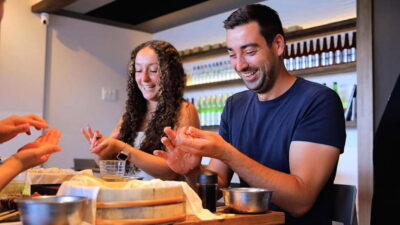 ★ 4.9Roll and Authentic Sushi Making Class in AsakusaFrom $581,957 reviews
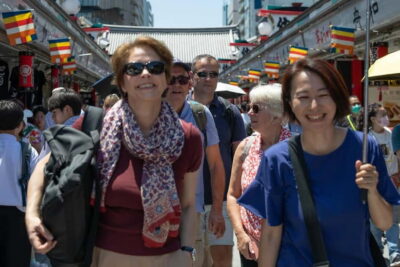 ★ 4.8Asakusa Walking Tour with Sensoji Temple VisitFrom $221,583 reviews
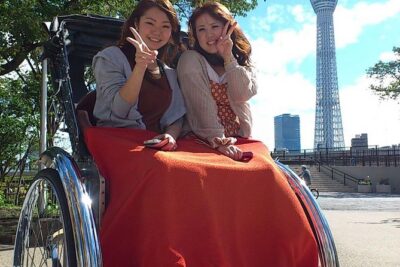 ★ 5.0Tokyo Asakusa Rickshaw TourFrom $421,375 reviews
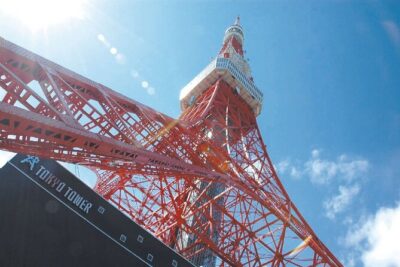 ★ 4.5Tokyo Panoramic 1 Day: Meiji Shrine, Asakusa, Odaiba and SKYTREE®From $851,222 reviews
 ★ 5.0Tokyo Go Kart: Asakusa, Skytree, and Akihabara **IDP MUST**From $99988 reviews
 ★ 4.7Asakusa, Skytree & Akhihabara Go-Kart City ExperienceFrom $96761 reviews
Browse the lists this tour appears in