
Reviewed · MEIJI SHRINE TOURS
Tokyo Meiji Shrine & Harajuku: Walk Through Japanese Culture
Meiji Jingu drops you from Tokyo fast. This small-group walk links Japan’s Shinto traditions with Harajuku’s youth fashion, so you get the country’s two moods in one smooth route, starting at Harajuku and ending back where you began.
I especially like how the guides connect the dots. You’ll hear stories about the Meiji era and why Harajuku culture caught global attention through fashion, then you’ll see it for yourself street to shrine.
One thing to consider: it’s a 2-hour walking tour, with multiple stops and short time blocks, so if you want long, slow lingering at every site, you may feel a bit rushed.
In This Review
- Key highlights you’ll actually feel
- Meiji Shrine meets Harajuku: the culture swing you came for
- Small-group logistics at UNIQLO Harajuku and mobile tickets
- Takeshita Street stop: youth style and sweet street energy
- Omotesando’s Tokyu Plaza mirror moment and rooftop views
- Meiji Jingu Shrine: the torii gate into forest calm
- Imperial Garden rituals: water purification, omikuji, and a sake-barrel exit
- Value, pacing, and who this tour suits best
- Should you book this tour?
- FAQ
- How long is the Tokyo Meiji Shrine & Harajuku walking tour?
- What’s the maximum group size?
- Where do I meet for the tour?
- What sights are included on the route?
- Is the ticket mobile, and are admissions included?
- Can I cancel and get a full refund?
Key highlights you’ll actually feel
- Max 10 people keeps things conversational, so you can ask questions
- Tokyu Plaza Omotesando Harajuku gives a fun mirrored-entrance photo moment plus a rooftop view
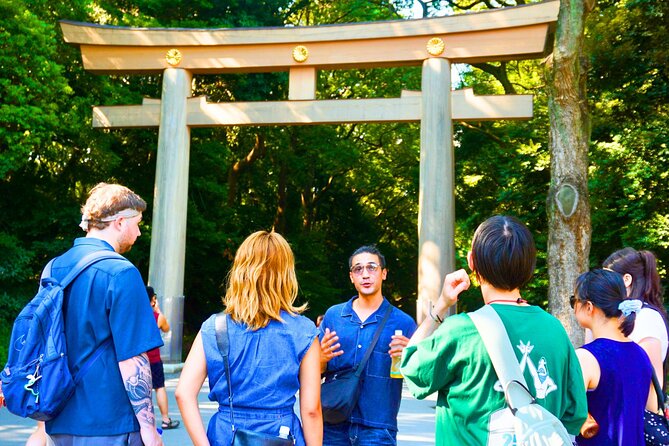
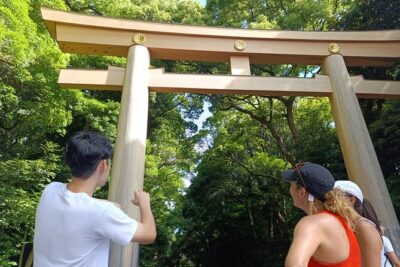
- Massive torii gate to forest calm at Meiji Jingu is the biggest mood shift on the whole route
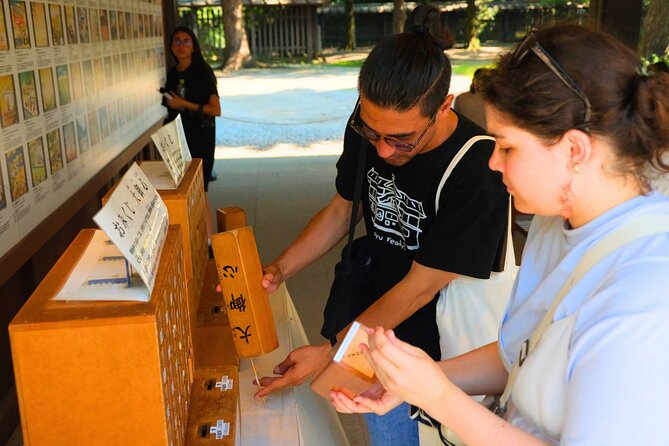
- Imperial Garden rituals include purification with water, prayers, and trying omikuji (fortune slips)
- Guides with real energy include Mika, Lakki, and Nicolas, who focus on both meaning and street-level context
Meiji Shrine meets Harajuku: the culture swing you came for
Tokyo can feel like two different cities depending on where you stand. This tour leans into that. You start in the neighborhood most associated with style, then you walk into one of the most peaceful shrine spaces in the city. The contrast is the point, and the route is set up to make that shift feel immediate rather than theoretical.
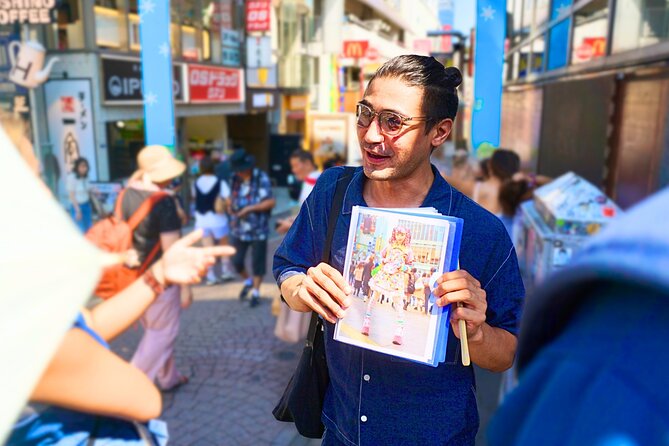
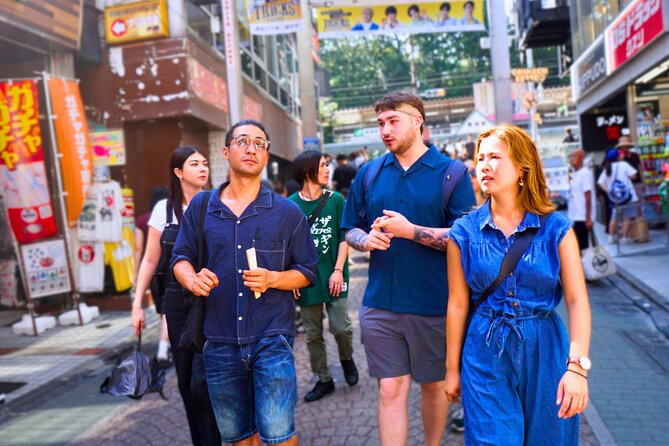
At Harajuku, you get the street pulse first: Takeshita Street is known for colorful youth fashion, unusual shops, and snack-style treats. You don’t need to buy anything to enjoy it. The stop is short, but it’s enough time to read the vibe and understand why this area became a cultural reference point far beyond Japan.
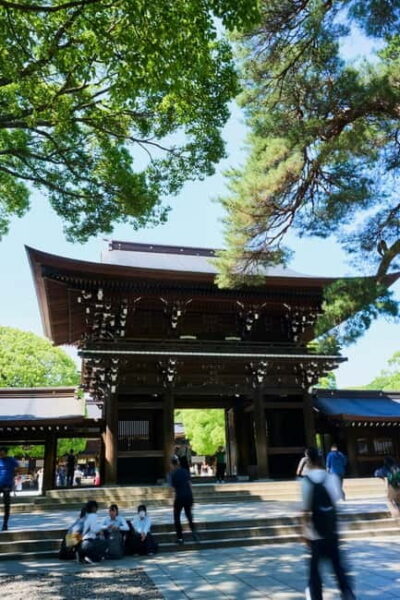
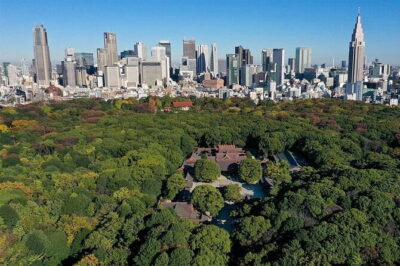
Then the tour turns into something quieter. Passing under the torii gate at Meiji Jingu is like walking through a door. The environment changes from city noise to forest calm, and your guide ties what you’re seeing back to Shinto beliefs and the Meiji era. There’s even a story woven through the tour about how Emperor Meiji shaped Japan’s modern direction, which helps explain why the shrine matters beyond its postcard look.
I like that the tour doesn’t treat Harajuku and Meiji Jingu as two unrelated items on a list. You walk the distance and the meaning changes under your feet. That’s what makes it memorable.
More quiet hours at Meiji Shrine
- Tokyo: Meiji Shrine, Asakusa, Skytree Bus Tour and Cruise
★ 4.7 · 1,986 reviews - Tokyo Panoramic 1 Day: Meiji Shrine, Asakusa, Odaiba and SKYTREE®
★ 4.5 · 1,222 reviews - Tokyo: Meiji Shrine Walking Tour — Shinto & Imperial System
★ 4.9 · 266 reviews - Tokyo: Meiji Jingu Shrine and Shinto Culture Walking Tour
★ 5.0 · 245 reviews
Small-group logistics at UNIQLO Harajuku and mobile tickets
This is built for people who want to spend less time figuring things out and more time walking with context. The group size caps at 10 travelers, and that matters in Tokyo where lines, crowds, and getting lost can eat your energy.
You meet at UNIQLO Harajuku Japan (Shibuya, Jingūmae 1-chōme, with the location listed as 地下1階地下1階). It’s easy to find because it’s a major landmark, and it’s also near public transportation. The tour ends back at the meeting point, which is a practical win if you don’t want to plan your next train connection mid-day.
Ticket-wise, it uses a mobile ticket, so you’re not stuck hunting for paper. The route also keeps admissions simple: each stop lists admission as free, which helps the value feel straightforward. You’re paying for guided storytelling and the time-saver of having a coherent route, not for entrance fees stacked on top.
Guides are a big part of the experience. Names that show up in feedback include Mika, Lakki, and Nicolas. The common thread in their approach: clear explanations with humor and lots of time for questions. That is exactly what you want here, because shrines and street fashion both have layers. Without guidance, you might enjoy the sights, but you can miss the why.
Takeshita Street stop: youth style and sweet street energy
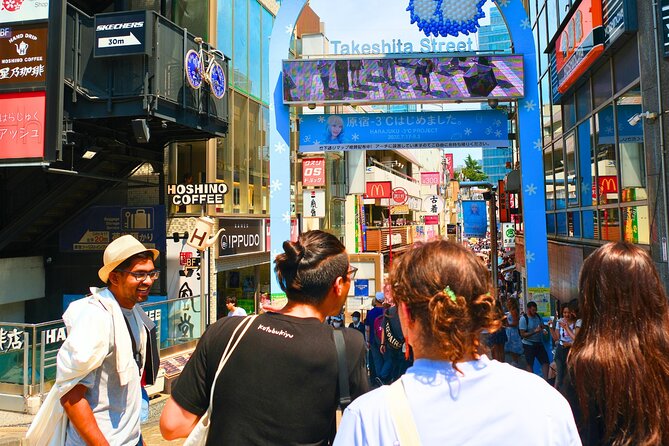
Takeshita Street is the opening scene. In just about 15 minutes, you’ll see the kinds of playful, colorful fashion choices that made Harajuku famous, along with the shopfronts and snack-style treats that keep it moving.
The time block is short on purpose. This isn’t a shopping-focused tour, and you won’t be dragged through endless store listings. Instead, you’re given a guided orientation: what this street represents, how it connects to youth culture, and why it stands out in Tokyo even for people who think they already know Harajuku.
A useful way to enjoy this stop: don’t feel you have to buy something to count it. Use the 15 minutes to look closely at details like color, styling, and how different age groups present themselves. Then listen for what your guide explains about how this culture influenced global fashion. (The tour overview specifically points to how major pop icons like Lady Gaga drew inspiration from Harajuku fashion, and your guide frames that as part of the street’s wider impact.)
If you dislike crowds, you should know that Takeshita Street can feel busy. The tour keeps the stop brief, which helps. Wear shoes that handle foot traffic, and keep your phone ready for quick photos, because once you leave this area you’ll switch to a completely different mood.
Omotesando’s Tokyu Plaza mirror moment and rooftop views
After Takeshita, the tour shifts from youth street to a more polished design world: Omotesando. Two stops cover this area, and together they show you how Tokyo can be both fashion-forward and architecturally cool.
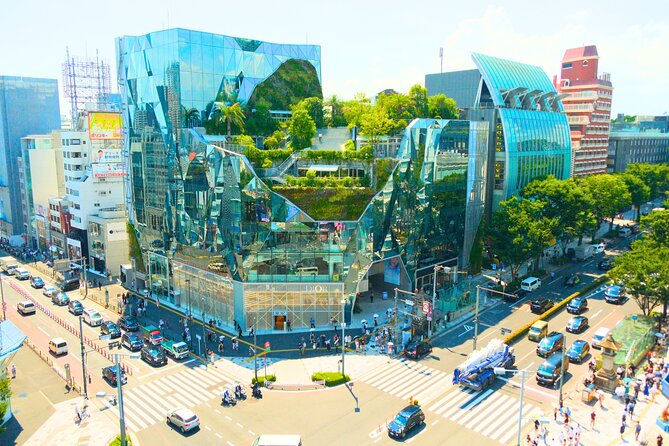
First comes Tokyu Plaza Omotesando Harajuku. You’ll start with a quick stop at the mirrored entrance for a fun photo opportunity, then head to the rooftop terrace for a view over Omotesando. This is one of the better places on the route for perspective. From above, you can understand how the street layout supports that clean, stylish feel.
Why this stop is valuable: it breaks the day’s rhythm. After the sensory overload of Takeshita, you get a chance to step back, look around, and reset your visual brain before the walking continues.
Then you stroll toward Omotesando Hills, described as a tree-lined, Champs-Élysées-style walk with stylish architecture and international influence. This part is a contrast to what comes next at Meiji Jingu. Omotesando is modern and designed; the shrine area is spiritual and rooted. Walking this section helps you physically feel that shift before you reach the torii gate.
If you’re the type who likes photos with real composition, these Omotesando moments are easy wins. Just don’t expect every view to be postcard-perfect. Tokyo is Tokyo, and your best results come from finding angles that separate modern architecture from street clutter.
Meiji Jingu Shrine: the torii gate into forest calm
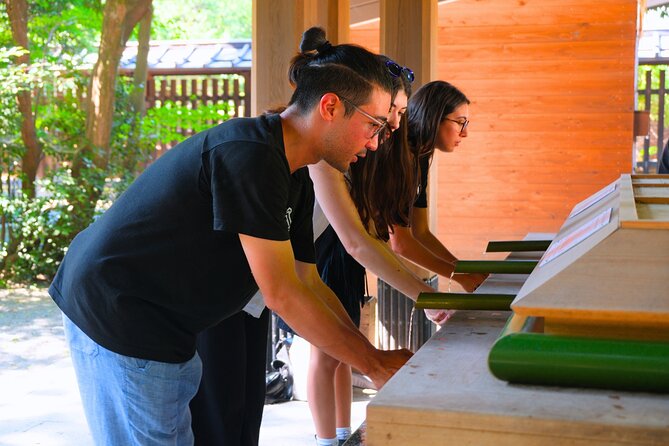
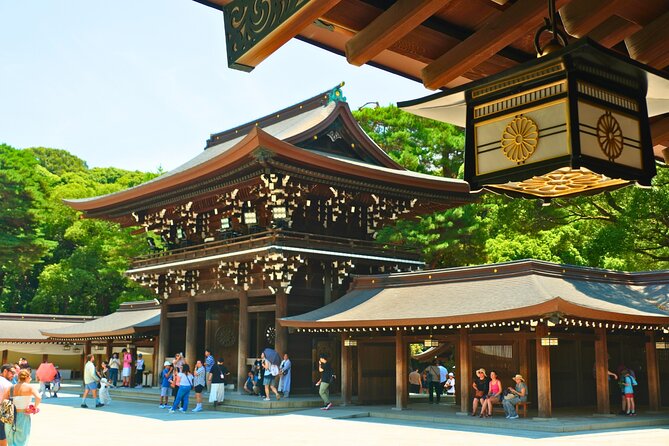
The main turning point is Meiji Jingu Shrine. You pass under a massive torii gate, and that’s where the tour’s mood change becomes obvious. The city noise fades, and the space feels like it has its own pace.
Your guide explains Shinto beliefs and connects what you see to the Meiji era, which helps you understand why this shrine is so important in Japan. Without context, you might read it like scenery. With the guide, it becomes a place with meaning and tradition behind it.
This is also where the tour’s smaller details add up. In feedback, people highlighted that the guides helped them understand the significance of what they were seeing. That’s exactly the value here: the shrine is popular, but popularity can flatten meaning if you don’t get a guide’s translation of symbols and practices.
Practical tip: be mentally ready for a quieter tone. It’s not a long lecture, but the shrine environment asks for more respect and slower attention. If you’re rushing through photos, you’ll miss the best part, which is how the setting and the stories work together.
One possible drawback: because the stop is listed at about 15 minutes, you won’t have the time to do a deep, self-guided exploration of every corner at length. Treat it like the guided introduction that it is. If you later want more shrine time, you’ll know where to return.
Readers also shortlisted these Tokyo bookings:
- Tokyo Tsukiji Fish Market Food and Culture Walking Tour★ 5.0 · 3,184 reviews
- Tokyo: Shinjuku Local Bar and Izakaya Guided Walking Tour★ 4.9 · 1,794 reviews
- Tokyo: Tsukiji Fish Market Food and Walking tour★ 5.0 · 1,724 reviews
- Tokyo: Asakusa Walking Tour with Sensoji Temple Visit★ 4.8 · 1,583 reviews
- Tokyo: Tsukiji Fish Market Guided Walking Tour★ 4.9 · 1,397 reviews
Imperial Garden rituals: water purification, omikuji, and a sake-barrel exit
After the forest shrine moment, the tour continues to Meiji Jingu Imperial Garden. This is the most hands-on part of the experience. You’ll walk through the steps of traditional practice, including purifying with water, offering prayers, and trying omikuji (fortune slips). Your guide also explains the meaning and history behind these actions, so it’s not just you doing something random.
This section is listed as longer at about 1 hour, which makes sense. Rituals take a little time, and you want enough space to understand what you’re doing. If you like experiences you can participate in, this is where the tour delivers.
What I like about this approach: it turns a shrine visit into something you remember with your senses. You’re not just viewing objects; you’re following a simple flow of actions and learning what they represent in Shinto tradition. It’s also a calmer pace compared with shopping streets, and that balance helps the whole day feel complete.
The ending includes a path lined with barrels of sake, which is a very Tokyo-specific kind of detail. It keeps the tour from feeling like a classroom. You get meaning, then you get atmosphere before you head back.
If you’re sensitive to crowds, this stop can still feel busy because Meiji-area places are popular. The good news is the tour’s structure keeps you moving and gives you a guided order, so you’re not stuck waiting with no explanation.
Value, pacing, and who this tour suits best
At $39.02 per person for about 2 hours, the value comes from three things: a coherent route, a small group, and guided interpretation. The stops are around major areas that can take time to connect on your own, and the tour handles that routing so you spend your energy looking, not planning.
Because admissions are listed as free at each stop, you’re also not surprised by add-on entrance fees. What you’re really paying for is the translation: why Harajuku matters, why the Meiji Shrine complex matters, and how they connect through Japan’s modern story.
The pacing is smart if you like variety. You get quick hits in Harajuku and Omotesando, then you slow down at the shrine and especially at the Imperial Garden. The tour isn’t meant for ultra-deep museum-style time. It’s meant for a guided sampler that still has real participation.
This tour fits best if you are:
- In Tokyo for a short time and want both tradition and street culture in one walk
- Traveling solo, as small-group tours can be less intimidating when the guide keeps things moving and answers questions
- Couples or friends who enjoy contrast and want photos plus context
It may not be your best choice if you want hours inside one site with no moving around. Also, if you’re only interested in shopping, you’ll likely find Harajuku a bit brief. But if you’re after cultural meaning and the story of how Japan’s past echoes in its style today, this is a strong match.
Should you book this tour?
I’d book it if you want an efficient Tokyo day that makes sense. You’ll leave with more than photos from Harajuku and a shrine stamp on your day. You’ll understand why the route connects the street energy with the spiritual calm, and you’ll have a guide to help you interpret what you’re seeing without turning it into homework.
Skip it only if you hate walking between multiple stops or you need long, quiet time at one location. Otherwise, the small group size, the mix of photo moments and hands-on shrine ritual, and the emphasis on explanation make it good value for $39.02.
FAQ
How long is the Tokyo Meiji Shrine & Harajuku walking tour?
The tour lasts about 2 hours.
What’s the maximum group size?
The group size is capped at a maximum of 10 travelers.
Where do I meet for the tour?
You meet at UNIQLO Harajuku Japan, located in Shibuya, Jingūmae 1-chōme (listed as 地下1階).
What sights are included on the route?
The stops include Takeshita Street, Tokyu Plaza Omotesando Harajuku (mirror entrance and rooftop terrace), Omotesando Hills, Meiji Jingu Shrine, and Meiji Jingu Imperial Garden.
Is the ticket mobile, and are admissions included?
Yes, it uses a mobile ticket, and each stop lists admission as free.
Can I cancel and get a full refund?
Yes. You can cancel up to 24 hours in advance for a full refund. If you cancel less than 24 hours before the start time, the amount paid is not refunded.
More Walking Tours in Tokyo
- Tokyo Tsukiji Fish Market Food and Culture Walking Tour
★ 5.0 · 3,184 reviews - Tokyo: Imperial Palace and Shogun Historical Walking Tour
★ 5.0 · 2,251 reviews - Tokyo: Shinjuku Local Bar and Izakaya Guided Walking Tour
★ 4.9 · 1,794 reviews - Tokyo: Tsukiji Fish Market Food and Walking tour
★ 5.0 · 1,724 reviews - Tokyo: Asakusa Walking Tour with Sensoji Temple Visit
★ 4.8 · 1,583 reviews
More Tour Reviews in Tokyo
- Mt Fuji and Hakone 1-Day Bus Tour Return by Bullet Train
★ 5.0 · 26,383 reviews - 1-Day Tokyo Bus Tour
★ 5.0 · 14,250 reviews - Tokyo: teamLab Planets TOKYO Digital Art Museum Entry Ticket
★ 4.6 · 9,779 reviews - Mt Fuji & Hakone Cruise, Drum Show Bullet Train 1 Day from Tokyo
★ 4.0 · 7,413 reviews - Tokyo: Shinjuku Food Tour (13 Dishes at 4 Local Eateries)
★ 5.0 · 6,603 reviews
More Meiji Shrine Hours, Rated
- Tokyo: Meiji Shrine, Asakusa, Skytree Bus Tour and Cruise
★ 4.7 · 1,986 reviews - Tokyo Panoramic 1 Day: Meiji Shrine, Asakusa, Odaiba and SKYTREE®
★ 4.5 · 1,222 reviews - Tokyo: Meiji Shrine Walking Tour — Shinto & Imperial System
★ 4.9 · 266 reviews - Tokyo: Meiji Jingu Shrine and Shinto Culture Walking Tour
★ 5.0 · 245 reviews - Tokyo: Meiji Shrine and Shinto Culture Walking Tour
★ 5.0 · 225 reviews
Latest Tokyo reviews off our desk






Meiji Shrine Tours, compared.
 ★ 4.7Meiji Shrine, Asakusa, Skytree Bus Tour and CruiseFrom $1221,986 reviews
 ★ 4.5Tokyo Panoramic 1 Day: Meiji Shrine, Asakusa, Odaiba and SKYTREE®From $851,222 reviews
 ★ 4.9Meiji Shrine Walking Tour — Shinto & Imperial SystemFrom $23266 reviews
 ★ 5.0Meiji Jingu Shrine and Shinto Culture Walking TourFrom $19245 reviews
 ★ 5.0Meiji Shrine and Shinto Culture Walking TourFrom $18225 reviews
 ★ 5.0Meiji Shrine Walking Tour — Shintoism & Imperial SystemFrom $21209 reviews
 ★ 5.0Tokyo Morning Tour: Asakusa, Meiji Shrine and Tsukiji Fish MarketFrom $157128 reviews
 ★ 5.0Tokyo Morning Tour : Meiji Shrine, Asakusa and Fish MarketFrom $72102 reviews
Browse the lists this tour appears in