
Ramen and gyoza, taught like a keep-forever recipe. This hands-on class at YUZU WASHOKU STUDIO is set near Yanaka, with a friendly instructor named Yuki guiding you step-by-step through home-style ramen and dumpling making. It is the kind of activity that feels practical, not just performative.
I love that you do real work: you learn techniques you can repeat later, not only how to assemble a meal. The second big win for me is making the dashi broth and ramen soup from scratch. One drawback to plan around: the menu can be adapted for vegetarians, but it is unfortunately not suitable for a gluten-free diet.
In This Review
- Key points worth knowing
- Where Yanaka meets a real home-cooking workshop
- The 10:00 start: a quick Tokyo guide and Japanese home cooking basics
- Ramen you can actually recreate: broth, chashu, and toppings
- Gyoza: handmade filling, folding, and the crisp golden bottom
- The veggie side dish changes with the season
- Lunch, tea, and that calm moment after cooking
- Price and value: what you pay for (and what you do not)
- Who this class suits best
- A real highlight: Yuki’s teaching style and the fun factor
- What to do before you go: simple planning tips
- Weather and minimums: the one logistical catch
- Should you book this near Yanaka ramen and gyoza class?
- FAQ
- What is the duration of the ramen and gyoza class near Yanaka?
- Where is the meeting point?
- Is it a private class?
- What’s included in the price?
- Can the menu be adapted for dietary needs?
- What is the cancellation and weather change plan?
Key points worth knowing
- Small, private-group feel near Yanaka: only your group participates, and it runs from Nishi-Nippori.
- You cook the core flavor work: dashi and ramen soup are made from scratch.
- Gyoza technique gets attention: filling, folding, and that crisp pan-fried bottom.
- Your lunch is part of the lesson: ramen, gyoza, seasonal veg side dish, plus green tea.
- Clear pace with a short intro: a lecture first, then straight into cooking and tasting.
Where Yanaka meets a real home-cooking workshop
Tokyo has lots of food experiences. Some are about watching. This one is about doing. It is anchored in home-style Japanese ramen and gyoza, taught in a studio setting, not a restaurant kitchen where you stand on the edge of chaos.
The location is also smart for your day. The studio is about 10 minutes from JR Nishi Nippori Station, which puts it within easy reach of many sights in the area. And since Yanaka is a quieter, older Tokyo neighborhood, this class pairs nicely with slower exploring before or after. Think: small streets, local shops, and a break from the major transit hubs.
Meeting is at 1-chōme-58-4 Nishinippori, Arakawa City. The class starts at 10:00 a.m., so you are not fighting the late-afternoon crowds for a reservation. If you like mornings that have a purpose, this fits well.
More slow walks through old Yanaka
- The Old Quarter of Tokyo – Yanaka Walking Tour
★ 4.5 · 590 reviews - Yanaka Walking Tour: Historic and Traditional District of Tokyo
★ 5.0 · 530 reviews - Tokyo: Old Quarter Yanaka Walking Tour
★ 4.8 · 406 reviews - Tokyo:Stroll in Old traditional culture towns~Yanaka & Nezu
★ 4.9 · 186 reviews
The 10:00 start: a quick Tokyo guide and Japanese home cooking basics
The schedule is simple and well-paced. You meet at 10:00 a.m., then you get a short lecture from about 10:15–10:30. This is not a long lecture that eats your cooking time. Instead, it sets the tone: Japanese home cooking, how the flavors come together, and what you are about to make.
This short intro matters more than it sounds. Ramen and gyoza are not one-step dishes. They rely on technique: how you handle the broth, how you manage seasoning, how you fold dumplings so they cook evenly, and how you pan-fry to get that crisp base. A bit of context first helps you understand what to pay attention to while you work.
The class also includes Japanese table setting basics. That is a nice touch if you want the full cultural context, not only the food. It also helps you slow down during the eating part, instead of treating lunch like a quick snack between photos.
Ramen you can actually recreate: broth, chashu, and toppings
Here is what makes this class feel genuinely useful: you learn the ramen soup in a way that is meant to be repeatable. The class focuses on learning dashi broth and then building the ramen soup. That is the heart of the dish, and it is also where most people give up at home because they think it is complicated.
In the class, you learn how to make a rich, flavorful broth using simple ingredients and techniques. Then you get to work on toppings. A highlight is preparing tender chashu pork, taught as a proper ramen topping instead of an afterthought.
Important detail: this is home-style ramen. It is not a course where you manufacture everything from scratch. You are not making egg noodles or gyoza wrappers from scratch. Instead, you focus on the parts that give you the flavor and the feel of real ramen cooking: broth and ramen soup from scratch, plus the topping skills you can use later.
If your goal is to come home and cook something that tastes like Japan, this approach is a good trade. You leave with a clear process for the part that really defines the bowl.
Gyoza: handmade filling, folding, and the crisp golden bottom
Then you shift to gyoza, and this is where you get hands-on. You learn how to make Japanese-style dumplings, including the filling and the folding technique. Gyoza looks simple, but the folding affects how they cook and how well they hold together.
After forming them, you pan-fry them to get the signature texture: crispy and golden on the bottom and tender elsewhere. This is the kind of skill you can practice at home because you can see the results quickly. Too cool? It will take longer. Too hot? You will rush the crisping. The class gives you the guidance to hit the right balance.
And yes, the dumplings are part of the tasting. You are not just making a craft project. You make them, learn what matters, and then eat what you made.
The veggie side dish changes with the season
You also get a seasonal vegetable side dish, which is a common rhythm in Japanese meals: the main comfort food plus something lighter and seasonal to round it out. Since the vegetables vary depending on the season, you are not going to get the exact same plate every time.
For you as a visitor, that is actually a positive. It means the class is tied to what is available now, not a fixed menu that feels copied from somewhere else. It also gives you an idea of how Japanese home cooks use seasonal produce as a supporting role.
Readers also shortlisted these Tokyo bookings:
- Sushi Making Tokyo Roll and Authentic Japanese Sushi Class★ 5.0 · 3,971 reviews
- Tokyo: Roll and Authentic Sushi Making Class in Asakusa★ 4.9 · 1,957 reviews
- Tokyo Shinjuku Chopsticks Making Class★ 5.0 · 1,763 reviews
- Tokyo: Sushi Making Class in a Happi Coat near a Famous Spot★ 4.9 · 1,377 reviews
- Chopstick Making Workshop in Ginza★ 4.8 · 1,366 reviews
Lunch, tea, and that calm moment after cooking
Once the cooking wraps up, you sit down to eat your creations. The included meal is homestyle ramen and gyoza, plus the seasonal veg side dish, with green tea and water.
This is a practical inclusion. Ramen classes that stop at cooking can leave you hungry or rushed. Here, the meal is part of the experience and part of the point. You get to compare your final bowl with your own expectations and, with luck, realize you can build the flavors again without needing to memorize every step.
Green tea also makes sense with this menu. It cuts through the richness, and it is a comfortable closer to a hands-on food session.
Price and value: what you pay for (and what you do not)
The class costs $110.56 per person for about 2 hours 30 minutes (approx.), and you get a lunch out of it. It also includes aprons and towels, which sounds small, but it is one less thing to manage when you are traveling with limited space.
The best value here is not only the meal. It is the instruction you can use at home:
- how to make the key dashi and ramen soup
- how to handle chashu as a topping
- how to fold and pan-fry gyoza for the crisp base
It helps that the experience is private for your group. That usually means more attention from the host and less waiting for your turn at the workstations.
One thing to keep in mind: there is no hotel pickup or drop-off. So you will want to plan on getting yourself to the studio via public transport. The good news is the Nishi-Nippori area access keeps that part straightforward.
Who this class suits best
This experience is a good fit if you want a deeper food memory than a photo. It works especially well for:
- Solo travelers who want a friendly environment and a structured activity
- Couples looking for a hands-on shared project
- Families where kids can see the food-making process end in a real lunch
- Anyone who likes the idea of bringing home skills, not only souvenirs
If you are a very strict gluten-free diner, you should look elsewhere. The class is not gluten-free, even though it can be adapted for vegetarians. On the other hand, if your dietary needs are manageable within those limits, it is nice that the menu can be adjusted.
A real highlight: Yuki’s teaching style and the fun factor
The host, Yuki, comes through as the heart of the experience. The vibe is described as fun, engaging, and welcoming. That matters because cooking classes can feel intimidating if the pace is fast or the instruction is vague.
Here, the teaching focus is on step-by-step guidance so you are not guessing. People also mention that Yuki helps adapt the meal when someone does not eat meat. That is a big practical advantage if you travel with dietary preferences that do not match the default menu.
Even when things get busy (ramen broth stages and dumpling frying at the same time), the class is designed so you can stay with it. The time allotment is also called out as appropriate, which is what you want in a short trip. You do not want a class that drags on so long you lose your rest of day.
What to do before you go: simple planning tips
You do not need special cookware for this class, since the studio handles the cooking setup. What you should plan around is how you show up.
- Eat lightly beforehand if you tend to get hungry; lunch is included, but cooking works up an appetite.
- Wear comfortable clothes. You will be wearing an apron, but you will still move and work.
- Bring curiosity. The “table setting basics” and the brief home-cooking lecture are part of the learning, not extras.
Because the menu can be adapted for vegetarians but not gluten-free, it is smart to flag dietary needs when booking so the studio can plan what to serve.
Weather and minimums: the one logistical catch
This experience requires good weather. If it is canceled due to poor weather, you will be offered a different date or a full refund. Like many small studios, it also depends on meeting a minimum number of travelers. If that minimum is not met, you will get a different option or a refund.
That does not mean you should panic. It just means you should avoid booking this as the only activity on a day when you cannot change plans.
Should you book this near Yanaka ramen and gyoza class?
I think you should book this if you want a Tokyo food experience that feels like learning, not entertainment. The strongest reasons are practical:
- You learn broth and ramen soup from scratch, which is the part most people cannot replicate from a restaurant meal.
- You practice gyoza folding and pan-frying, and you get crisp results you can chase at home.
- You eat a full lunch with green tea, so it is not just a workshop with snacks.
Skip it if gluten-free is a non-negotiable requirement, since it is not suitable for a gluten-free diet.
If your travel style is hands-on, sociable, and you like coming away with skills you can actually use, this one is a great choice in the Yanaka area.
FAQ
What is the duration of the ramen and gyoza class near Yanaka?
The class runs for about 2 hours 30 minutes.
Where is the meeting point?
You meet at 1-chōme-58-4 Nishinippori, Arakawa City, Tokyo 116-0013, Japan, near public transportation (about 10 minutes from JR Nishi Nippori Station).
Is it a private class?
Yes. Only your group participates.
What’s included in the price?
You get a ramen and gyoza lunch, a seasonal vegetable side dish, green tea, water, plus aprons and towels for use during the class.
Can the menu be adapted for dietary needs?
The menu can be adapted for vegetarians, but it is unfortunately not suitable for a gluten-free diet.
What is the cancellation and weather change plan?
You can cancel for free up to 24 hours in advance for a full refund. If poor weather causes cancellation, you’ll be offered a different date or a full refund.
More Workshops in Tokyo
- Sushi Making Tokyo Roll and Authentic Japanese Sushi Class
★ 5.0 · 3,971 reviews - Tokyo: Roll and Authentic Sushi Making Class in Asakusa
★ 4.9 · 1,957 reviews - Tokyo Shinjuku Chopsticks Making Class
★ 5.0 · 1,763 reviews - Tokyo: Sushi Making Class in a Happi Coat near a Famous Spot
★ 4.9 · 1,377 reviews - Chopstick Making Workshop in Ginza
★ 4.8 · 1,366 reviews
More Tour Reviews in Tokyo
- Mt Fuji and Hakone 1-Day Bus Tour Return by Bullet Train
★ 5.0 · 26,383 reviews - 1-Day Tokyo Bus Tour
★ 5.0 · 14,250 reviews - Tokyo: teamLab Planets TOKYO Digital Art Museum Entry Ticket
★ 4.6 · 9,779 reviews - Mt Fuji & Hakone Cruise, Drum Show Bullet Train 1 Day from Tokyo
★ 4.0 · 7,413 reviews - Tokyo: Shinjuku Food Tour (13 Dishes at 4 Local Eateries)
★ 5.0 · 6,603 reviews
More Old Yanaka on Foot
- The Old Quarter of Tokyo – Yanaka Walking Tour
★ 4.5 · 590 reviews - Yanaka Walking Tour: Historic and Traditional District of Tokyo
★ 5.0 · 530 reviews - Tokyo: Old Quarter Yanaka Walking Tour
★ 4.8 · 406 reviews - Tokyo:Stroll in Old traditional culture towns~Yanaka & Nezu
★ 4.9 · 186 reviews - Yanaka Historical Walking Tour in Tokyo’s Old Town
★ 5.0 · 182 reviews
Latest Tokyo reviews off our desk






Yanaka Old Town Walks, compared.
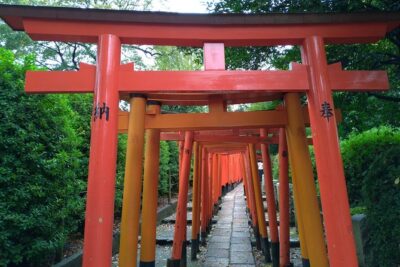 ★ 4.5The Old Quarter of Tokyo – Yanaka Walking TourFrom $40590 reviews
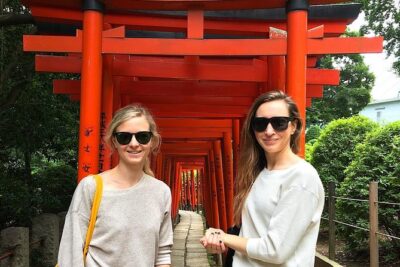 ★ 5.0Yanaka Walking Tour: Historic and Traditional District of TokyoFrom $72530 reviews
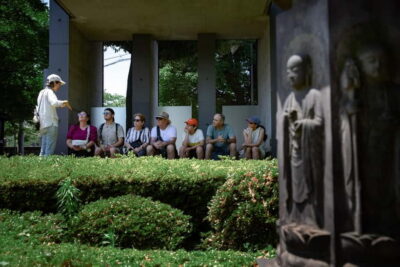 ★ 4.8Old Quarter Yanaka Walking TourFrom $32406 reviews
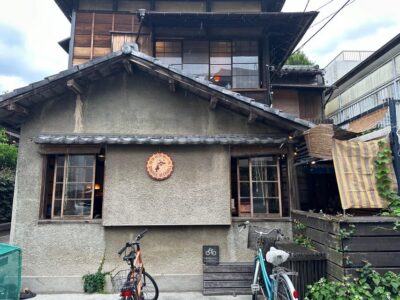 ★ 4.9Stroll in Old traditional culture towns~Yanaka & NezuFrom $29186 reviews
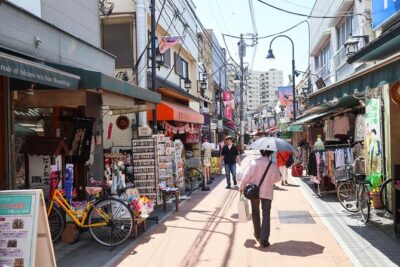 ★ 5.0Yanaka Historical Walking Tour in Tokyo’s Old TownFrom $81182 reviews
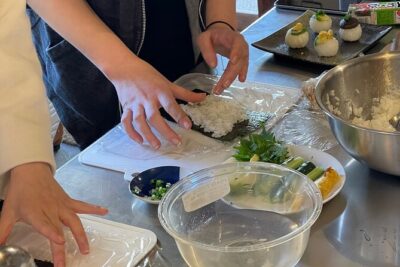 ★ 5.0Private Home Cooking in Yanaka – Local Flavors in a Warm SettingFrom $122173 reviews
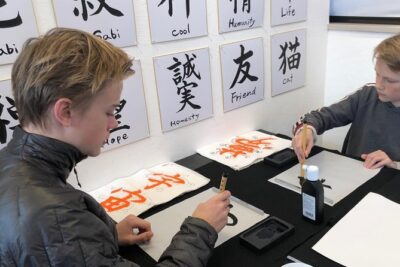 ★ 5.0Let’s experience calligraphy in YANAKA, Taito-ku, TOKYO !!From $75127 reviews
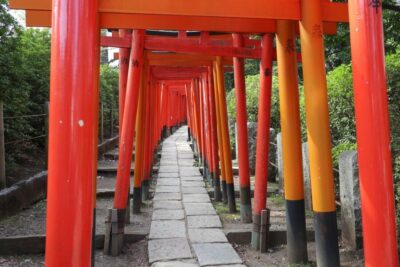 ★ 4.8Yanaka District: Historical Walking Tour in Tokyo’s Old TownFrom $79117 reviews
Browse the lists this tour appears in