
Reviewed · SUSHI MAKING CLASSES
Tokyo Sushi Making Class : Sake Ceremony & Matcha Experience
Sake, sushi, matcha in one class is a win. In Asakusa, this workshop blends Kagami-biraki barrel-opening ceremony with hands-on nigiri practice and a matcha finish, so the food comes with meaning, not just technique. I especially like the guided way you learn nigiri steps and build confidence fast.
You’ll also remember the WASSHOI part—the torched salmon mayo gunkan is a crowd-pleasing Tokyo flavor twist. One consideration: this isn’t only traditional Edomae-style; you’ll mix in modern, torch-and-mayo style, so go with what sounds fun to you, not what sounds strictly classic.
In This Review
- Key highlights to know before you go
- Asakusa is the right neighborhood for a sushi-and-ceremony class
- Kagami-biraki sake barrel opening and the Yoisho toast
- Nigiri essentials: pressure, placement, and clean assembly
- Torched salmon mayo gunkan and the WASSHOI chant
- Making matcha: whisking your own bowl at the end
- Price and time: is this worth about $45.77?
- What to do before you arrive (and how to get the best experience)
- Who should book Sushi Meets Matcha in Asakusa
- Should you book this Tokyo sushi making class?
- FAQ
- How long is the Tokyo Sushi Making Class with Sake Ceremony and Matcha?
- What will I make and eat during the class?
- Do you include sake, and is there a non-alcohol option?
- Is the class beginner-friendly?
- How big is the group?
- Where does the activity take place?
Key highlights to know before you go
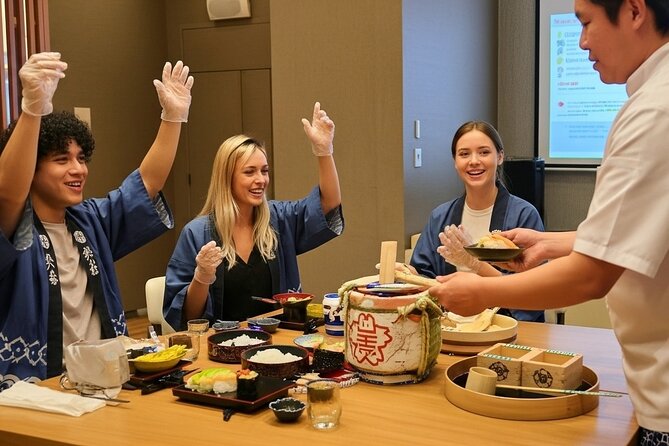
- Kagami-biraki sake ceremony with Yoisho chants: a cheerful start and a shared toast
- Hands-on nigiri fundamentals: rice pressure, topping handling, and clean assembly
- Torched salmon mayo gunkan: a modern Tokyo take finished with a quick torch
- Photo timing: the class builds in a moment for you to capture your creations
- Matcha whisking at the end: calm finale after the sushi action
- Small-group feel: maximum 20 people helps keep the coaching personal
Asakusa is the right neighborhood for a sushi-and-ceremony class
Asakusa has that old-meets-real vibe that makes food experiences feel less like a show. You’re in Tokyo, but the pacing fits a culture lesson: ceremony first, then skill, then a quiet wrap-up with matcha.
I like that the format is practical. You don’t just learn words like nigiri or matcha—you do the motions: rice shaping, topping placement, and whisking. If you’ve ever watched sushi get made and thought, I could never do that, this style is built for you to try.
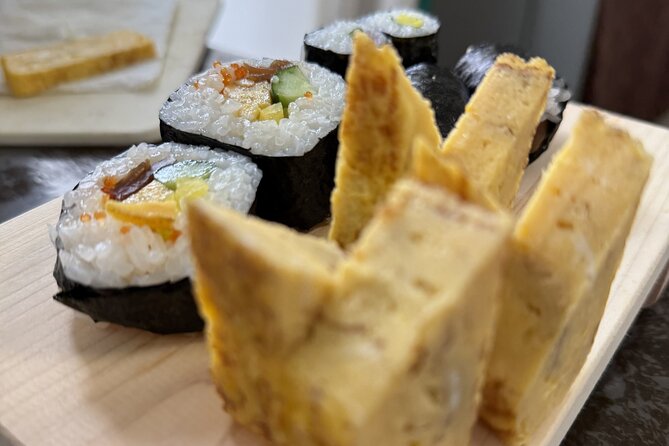
The class runs about 1 hour 30 minutes, so it’s not a half-day commitment. It also keeps the focus tight: you’ll make 6–12 pieces (mix of nigiri and rolls), eat what you make, and still have time to leave with photos and confidence.
More sushi counters to book, ranked
- Tokyo: Roll and Authentic Sushi Making Class in Asakusa
★ 4.9 · 1,957 reviews - Make Sushi and Create Unforgettable Memories in Tokyo
★ 5.0 · 1,413 reviews - Tokyo: Sushi Making Class in a Happi Coat near a Famous Spot
★ 4.9 · 1,377 reviews - Tokyo Sushi Making Class in Tsukiji with Professional Chef
★ 5.0 · 1,177 reviews
Kagami-biraki sake barrel opening and the Yoisho toast
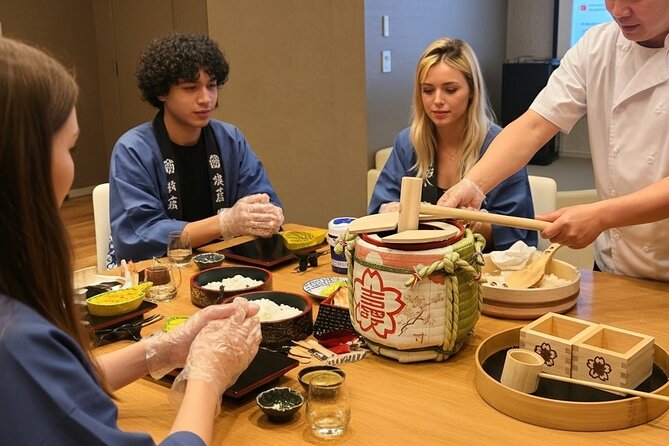
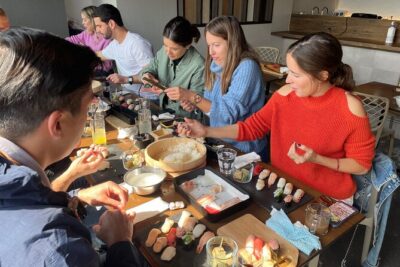
The class begins with Kagami-biraki, the tradition of opening a sake barrel in a celebratory way. You join the group for the chant—Yoisho, yoisho, yoisho—which turns the start into something playful, not stiff. This matters because it sets the tone: you’re there to participate.
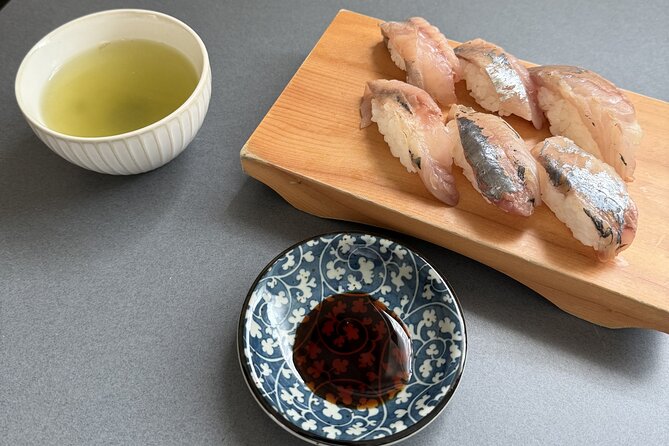
There’s also a clear choice for non-drinkers. If you want to skip alcohol, you’ll still join the toast with water or warm Japanese tea. That keeps the moment inclusive, and it avoids the awkwardness of watching others drink while you hold back.
What I find smart here is how the ceremony connects to food without turning it into a lecture. You’re learning that Japanese hospitality often shows up as shared rhythm—chants, timing, and doing things together—before you even touch the sushi rice.
Nigiri essentials: pressure, placement, and clean assembly
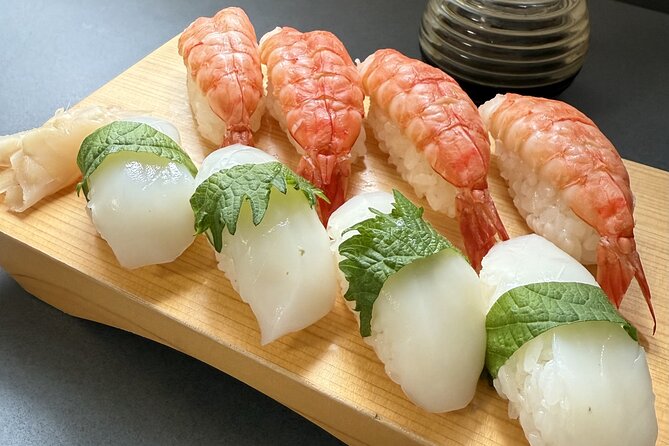
After the cheers, you move into the core skill: nigiri. This is where the class earns its keep, because you get step-by-step guidance on the pieces that normally feel mysterious at sushi counters.
Here’s what you’re working on:
- Shaping rice with the right pressure (enough to hold, not enough to pack it rock-hard)
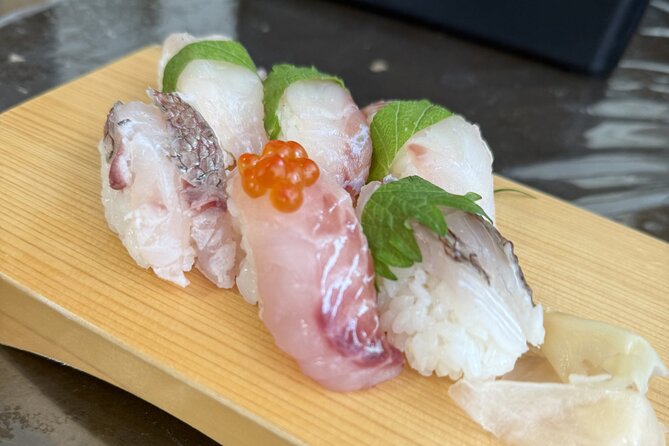
- Handling fish and toppings carefully so they don’t fall apart when you form the bite
- Placing toppings in a way that looks clean and eats well
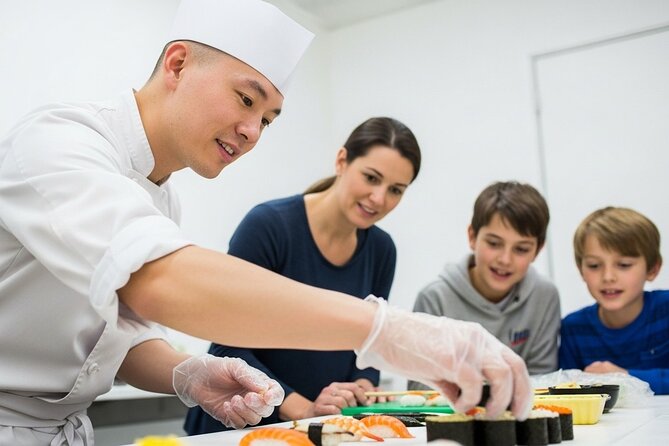
The best part is the coaching mindset. You’re not expected to start perfect. You learn the method, you practice it while the instructor is watching, and you adjust. That’s the difference between a cooking class that’s mostly watching and one that actually teaches technique.
You’ll likely feel it as you progress: early pieces can look a bit uneven, then the rhythm clicks. The class ends with enough output—6–12 pieces—that you can taste, compare, and feel progress in your own hands.
If you care about recreating sushi at home later, pay attention to the assembly logic. Your goal isn’t to copy a restaurant presentation exactly. It’s to understand how rice structure and topping placement work together so the bite stays intact.
Torched salmon mayo gunkan and the WASSHOI chant
Next comes the crowd favorite: torched salmon mayo gunkan. This is where the class leans into modern Tokyo style rather than staying strictly traditional.
You’ll build it with a high pile of salmon, then add zigzag mayo. After that, there’s a quick torch finish. The point isn’t just visual drama—it’s adding smoky depth to the creamy umami you get from salmon and mayo. It’s a very real sushi flavor combo you’d see in lots of modern spots around Tokyo, and it’s friendly for beginners because the steps are straightforward.
The class also adds a chant—WASSHOI repeated in a group moment—plus a planned photo spot right when your creation looks its best. That’s a nice touch for your memories, but it also reinforces timing. Heat, texture, and appearance change fast after torching, so capturing the moment lines up with eating at the right time too.
One note for expectations: if you’re chasing purely classic Edomae training, this part may feel like a twist. But if you want a sushi experience that feels current and fun, this is exactly the kind of lesson that makes you remember the whole thing.
Making matcha: whisking your own bowl at the end
After sushi, things slow down. The finale is matcha—you whisk it yourself and then enjoy it as a calm, satisfying wrap-up.
Why this matters: matcha is a palate reset after warm, savory bites. It also brings the workshop full circle into Japanese food culture, not just Japanese food “presentation.” You’re learning a small ritual you can repeat later, and it’s easier to bring home than trying to master torched toppings.
In the whisking step, focus on smooth mixing and foam. The goal is that consistent, frothy texture that makes matcha taste balanced. When you get it right, it feels like the class has a proper ending: clean flavor, less grease, and a sense of completion.
More tea rooms our readers rated
- Matcha Making Class in Tokyo with Authentic Japanese Sweets Set★ 5.0 · 744 reviews
- Tokyo: Traditional Tea Ceremony with a Tea Master★ 5.0 · 528 reviews
- Tokyo: Matcha Making Experience with Mochi Sweets in Asakusa★ 4.9 · 388 reviews
- Tokyo: Matcha and Kimono Experience★ 4.7 · 219 reviews
- Tea Ceremony Workshop in Tokyo by the Experienced Instrucor★ 5.0 · 189 reviews
Price and time: is this worth about $45.77?
At around $45.77 per person for roughly 90 minutes, this class is priced like a short, guided experience rather than a long, multi-course meal. That’s a good sign for value because you’re paying for hands-on teaching: ceremony time, nigiri skill coaching, torched gunkan technique, and matcha making.
The math that matters most is what you take away:
- You make 6–12 pieces you can eat and show off
- You get real instruction on rice shaping and assembly
- You get the cultural start (Kagami-biraki) and cultural close (matcha)
For me, that combination is the value. A cheaper option might offer a tasting only. A pricier one might go longer but skip the modern twist. This sits in a sweet spot: you leave with food, skill, and photos, without turning into an all-afternoon commitment.
Also, small group size helps. With a maximum of 20 travelers, you’re less likely to feel like one of many faces. You can ask questions, get corrections, and actually practice rather than rush.
What to do before you arrive (and how to get the best experience)
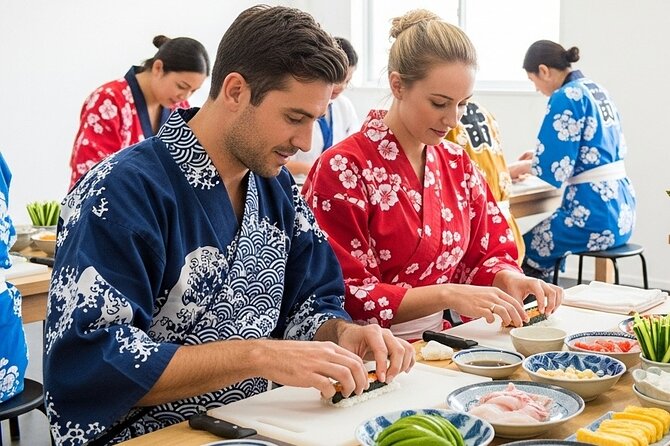
This is a hands-on class, so set yourself up for comfort. Wear clothes you don’t mind getting a little messy around rice. If you’re sensitive about smells or smoke, note that the torched salmon step uses heat in the process, so you’ll want to be comfortable around that brief cooking moment.
Bring your phone for photos, but don’t forget the simplest rule: eat soon after you make each item. The torched flavor is at its best while things are fresh. The class also builds in a photo moment, so you’ll know when to pause for pictures instead of scrambling.
If you’re a total beginner, you’ll probably enjoy the structure most. The class is built to be beginner-friendly, with friendly step-by-step support so you can get a result that looks right and tastes good.
If you’re more experienced, you can still benefit. Watch how your instructor handles rice pressure and topping placement. Even seasoned home cooks often struggle with consistency—this class focuses on the repeatable mechanics.
Who should book Sushi Meets Matcha in Asakusa
I’d book this if you want a Tokyo food experience that feels cultural and hands-on. It works especially well for:
- First-timers who want sushi technique without intimidation
- Couples or small groups who like shared moments (chant, toast, group photos)
- Food lovers who want both tradition and a modern sushi flavor twist
- Travelers who want something short, practical, and not overly formal
It may be less ideal if you only want classic theory-heavy sushi education. This workshop includes torching and a salmon mayo gunkan style, plus ceremony and matcha. That’s part of the charm—but it’s not a museum-like traditional-only approach.
Should you book this Tokyo sushi making class?
If you want a fast, friendly, skill-focused experience that ends with matcha and a real set of sushi pieces you made yourself, this is an easy yes. The strongest reason to book is the combination: ceremony plus nigiri fundamentals plus a modern torched gunkan, all in about 90 minutes with a small-group setup.
If you’re worried about it being too modern, you can still go in with the right mindset: treat the class as a fun Tokyo snapshot, not a single-style purist course. You’ll learn technique either way, and the modern bite is one of the most memorable parts.
FAQ
How long is the Tokyo Sushi Making Class with Sake Ceremony and Matcha?
The experience lasts about 1 hour 30 minutes.
What will I make and eat during the class?
You will make 6–12 pieces, including a mix of nigiri and rolls, and you’ll enjoy your creations.
Do you include sake, and is there a non-alcohol option?
The class includes a toast during the Kagami-biraki sake ceremony. If you prefer not to drink alcohol, you can choose water or warm Japanese tea instead.
Is the class beginner-friendly?
Yes. The class is described as beginner-friendly, with friendly, step-by-step guidance.
How big is the group?
The experience has a maximum group size of 20 travelers.
Where does the activity take place?
It starts at 1-chōme-10-16 Hanakawado, Taito City, Tokyo 111-0033, Japan, and ends back at the meeting point.
More Tour Reviews in Tokyo
- Mt Fuji and Hakone 1-Day Bus Tour Return by Bullet Train
★ 5.0 · 26,383 reviews - 1-Day Tokyo Bus Tour
★ 5.0 · 14,250 reviews - Tokyo: teamLab Planets TOKYO Digital Art Museum Entry Ticket
★ 4.6 · 9,779 reviews - Mt Fuji & Hakone Cruise, Drum Show Bullet Train 1 Day from Tokyo
★ 4.0 · 7,413 reviews - Tokyo: Shinjuku Food Tour (13 Dishes at 4 Local Eateries)
★ 5.0 · 6,603 reviews
More Tea and Matcha Rooms
- Matcha Making Class in Tokyo with Authentic Japanese Sweets Set
★ 5.0 · 744 reviews - Tokyo: Traditional Tea Ceremony with a Tea Master
★ 5.0 · 528 reviews - Tokyo: Matcha Making Experience with Mochi Sweets in Asakusa
★ 4.9 · 388 reviews - Tokyo: Matcha and Kimono Experience
★ 4.7 · 219 reviews - Tea Ceremony Workshop in Tokyo by the Experienced Instrucor
★ 5.0 · 189 reviews
More Sushi Counters to Book
- Sushi Making Tokyo Roll and Authentic Japanese Sushi Class
★ 5.0 · 3,971 reviews - Tokyo: Roll and Authentic Sushi Making Class in Asakusa
★ 4.9 · 1,957 reviews - Make Sushi and Create Unforgettable Memories in Tokyo
★ 5.0 · 1,413 reviews - Tokyo: Sushi Making Class in a Happi Coat near a Famous Spot
★ 4.9 · 1,377 reviews - Tokyo Sushi Making Class in Tsukiji with Professional Chef
★ 5.0 · 1,177 reviews
Latest Tokyo reviews off our desk



Sushi Making Classes, compared.
 ★ 5.0Sushi Making Tokyo Roll and Authentic Japanese Sushi ClassFrom $593,971 reviews
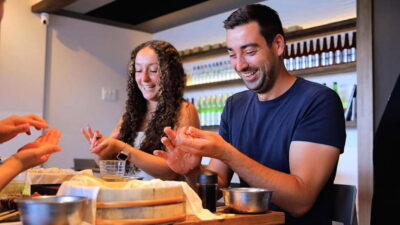 ★ 4.9Roll and Authentic Sushi Making Class in AsakusaFrom $581,957 reviews
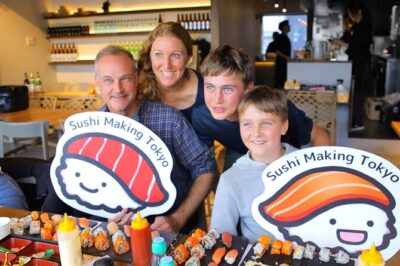 ★ 5.0Make Sushi and Create Unforgettable Memories in TokyoFrom $791,413 reviews
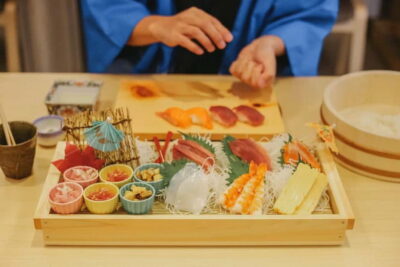 ★ 4.9Sushi Making Class in a Happi Coat near a Famous SpotFrom $421,377 reviews
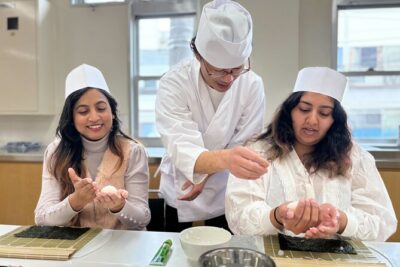 ★ 5.0Tokyo Sushi Making Class in Tsukiji with Professional ChefFrom $491,177 reviews
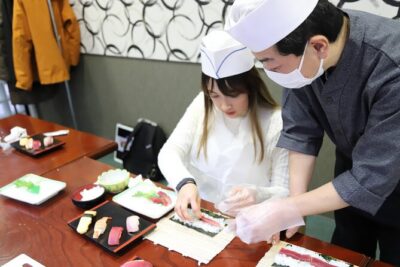 ★ 5.0Tsukiji Fish Market Guided Tour and Sushi Making with Pro ChefFrom $104775 reviews
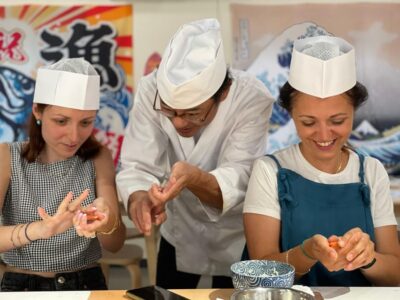 ★ 4.9Tsukiji Fish Market Sushi Making Class with Pro ChefFrom $63506 reviews
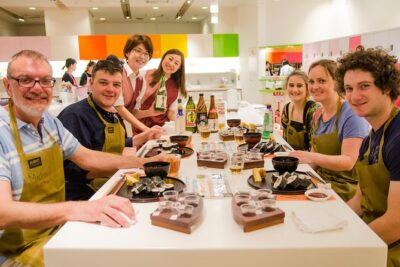 ★ 5.0Tokyo Tsukiji Fish Market Tour and Sushi Making LessonFrom $99390 reviews
Browse the lists this tour appears in