
Reviewed · ASAKUSA & SENSOJI TOURS
Tokyo: Winter Kimono Experience in Asakusa
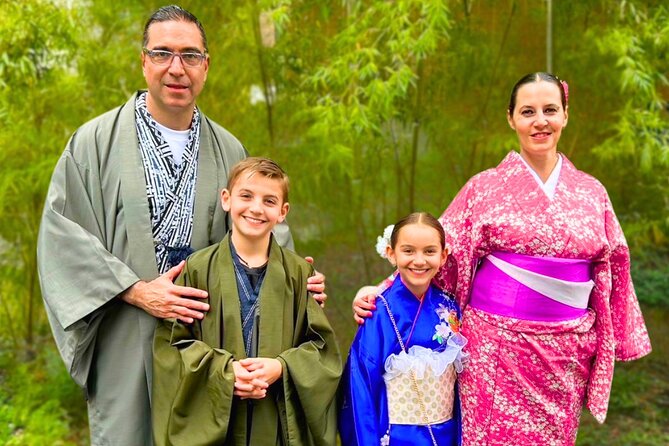
A winter kimono in Asakusa turns sightseeing into a photo mission with culture. You start in a nearby kimono shop, get dressed by pros, and then spend free time wandering around Senso-ji and classic Asakusa streets in your own chosen look. It’s the kind of experience where the outfit does half the work for your Instagram feed.
I love the hands-on dressing help. Having Kazune and a Japanese National Certified Kimono Dresser team on your look means fewer awkward fit moments and less time guessing how to tie everything right. I also like that the experience is designed for real wandering time, so you can move at your own pace between major temple gates and shopping streets, then ask for photo-spot suggestions on-site.
One consideration: getting to the meeting point can be tricky at first, especially if you arrive late or the area is confusing. The shop is only about a 3-minute walk from Senso-ji, but one past participant reported a long search, and another mentioned a rushed feel when timing was off—so plan to arrive early and stay flexible.
In This Review
- Key things I’d plan around
- Why Asakusa makes winter kimono feel extra right
- Price and value: what $31.63 buys you (and what it doesn’t)
- Finding the shop near Kaminarimon without losing an hour
- Dressing time with Kazune: comfort, fit, and photo readiness
- Your kimono day plan: from Kaminarimon gate into temple gates
- Stop 1-2: Kaminarimon Gate and Nakamise shopping street
- Stop 3-4: Senso-ji Temple and Asakusa Shrine
- Stop 5-6: Azumabashi Bridge and a tourist information stop
- Stop 7-10: Hozomon, Yogodo, Shinokuyama, and Nitemmon Gate
- Stops 11-12: Tokyo (Taito) area finish
- Photo tips that actually help in a kimono
- Group size: calmer than you might expect
- Cultural fit: why wearing kimono here feels respectful
- Winter kimono specifics: what to expect on comfort
- Who should book this and who should skip it
- Should you book the Asakusa winter kimono experience?
- FAQ
- Where is the kimono shop, and how close is it to Senso-ji?
- What time should I arrive before my booking?
- What is included in the experience?
- When do I need to return the kimono?
- How many people are in the group?
- Are there height, weight, or pregnancy restrictions?
Key things I’d plan around
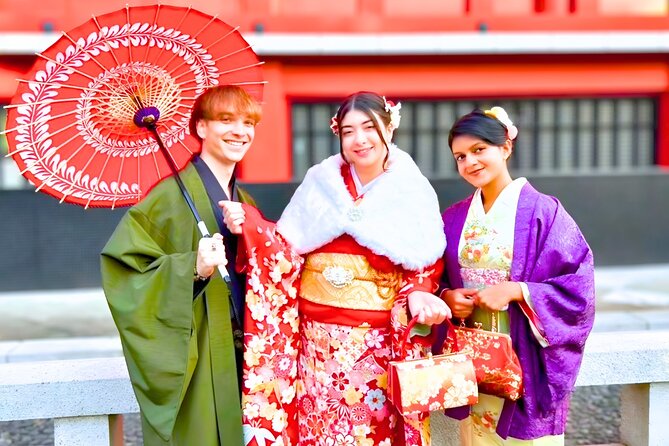
- Kazune leads the dressing in a shop just a short walk from Senso-ji, and she helps you get comfortable and camera-ready.
- A certified dresser is also on staff, which matters if you want your kimono to sit right without stress.
- Small group size (max 5) keeps the vibe calm and makes it easier to get photo help.
- You get a souvenir photo, so you’re not only relying on selfies while wearing sleeves that don’t always cooperate.
- Return by 17:30 the same day (optional next-day return for an extra fee) keeps the experience timed and simple.
- A free photo walk through Asakusa lets you hit major spots like Kaminarimon, Nakamise, and multiple Senso-ji gates.
Why Asakusa makes winter kimono feel extra right
Asakusa has that old-school Tokyo feeling: temple gates, shopping streets, and lots of photo corners packed into walking distance. Putting on a winter kimono here gives you instant contrast—your clothes look like they belong, and the setting makes every stop feel intentional.
This experience also leans into the practical side: you pick from a kimono collection, get professionally dressed, then roam. That structure is great when you don’t want the day to turn into a complicated costume puzzle.
And yes, the cultural “is this okay?” worry pops up for some people. The tone here is pretty clear: the shop frames kimono-wearing as participation in a living tradition, and they treat visitors with respect rather than discouraging the idea.
More temple mornings in old Asakusa
- Tokyo: Japanese Dance Cabaret Theater Asakusa-Kaguwa Ticket
★ 4.8 · 2,270 reviews - Tokyo: Meiji Shrine, Asakusa, Skytree Bus Tour and Cruise
★ 4.7 · 1,986 reviews - Tokyo: Roll and Authentic Sushi Making Class in Asakusa
★ 4.9 · 1,957 reviews - Tokyo: Asakusa Walking Tour with Sensoji Temple Visit
★ 4.8 · 1,583 reviews
Price and value: what $31.63 buys you (and what it doesn’t)
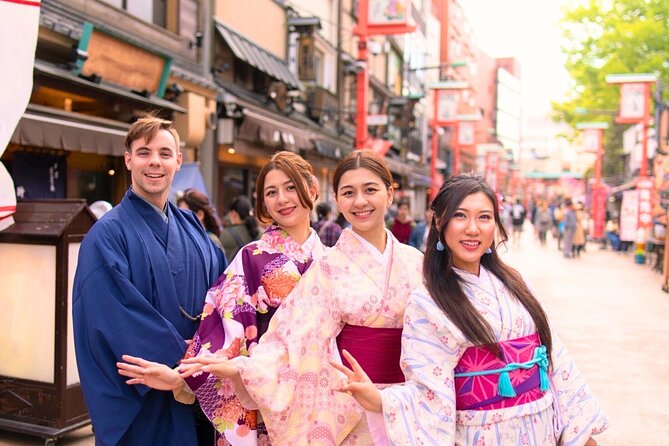
At about $31.63 per person, you’re paying for three main things: kimono rental, professional dressing, and an exploration window with photo support. You’re not paying for a long, scripted guided lecture, and you’re not locked into one single photo spot. Instead, you get time to walk between iconic Asakusa points while looking appropriately dressed.
The “value” is highest if you care about photos but don’t want to figure out kimono logistics yourself. If you’re the type who enjoys wandering and you want the outfit to do the heavy lifting, this price level tends to make sense.
If you’re hoping for a full-on, English narration tour with constant guiding, this may feel lighter than expected because the emphasis is dressing plus roaming. Still, the on-site team can point you to nice photo spots, and that’s often the part most people actually want.
Finding the shop near Kaminarimon without losing an hour
The shop is described as about a 3-minute walk from Senso-ji, right in Asakusa. The meeting point address is f.2-chōme-8-10 Kaminarimon, Taito City, Tokyo 111-0034, Japan, and the experience ends back at the same place.
Here’s the practical trick: don’t treat the meeting time like a flexible suggestion. You’re asked to arrive at least 10 minutes before your booking, which gives you enough buffer to locate the entrance, get settled, and avoid the rushed feeling that can happen when you’re late.
One past participant noted difficulty navigating the location and spent a long time searching before getting help with directions. So if you have any trouble with street finding, save the address in your maps app before you go, and double-check you’re at the right Kaminarimon stretch.
Dressing time with Kazune: comfort, fit, and photo readiness
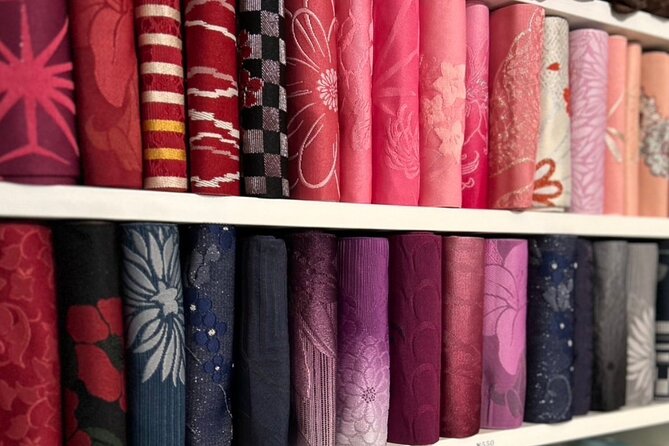
Once you arrive, you walk into the shop area and choose from the kimono collection. Kazune helps you put the kimono on and makes sure everything fits comfortably and looks right. That “comfortable” part is worth caring about, because kimono wearing is all about balance—too tight, and you spend the day thinking about it instead of taking photos.
The experience also mentions that other staff include a Japanese National Certified Kimono Dresser. That’s meaningful because correct dressing affects both comfort and how the kimono looks in photos. When the person dressing you knows what they’re doing, you don’t have to fight the wrap or spend your free time adjusting in public.
One review highlighted that the stylist took time and even helped with styling details and pictures and videos. Another praised the big variety of colors and belts, which suggests you’re not choosing from a tiny, repetitive rack—you can likely create a look that feels personal.
If you want your photos to look more natural, plan to use the dressing time as part of the experience, not just a step. The better your fit, the easier it is to pose without worrying about slipping or awkward folds.
Your kimono day plan: from Kaminarimon gate into temple gates
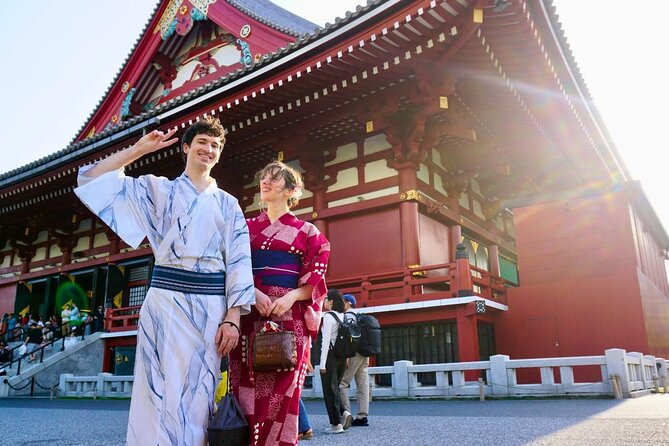
After you’re dressed, the itinerary becomes a photo-friendly walking loop. You’ll move through a sequence of major Asakusa and Senso-ji areas, with time to explore on your own pace.
More kimono shoots, compared
- Tokyo: Kimono Dressing, Walking, and Photography Session★ 4.9 · 427 reviews
- Let’s make kimono !(Kimono is a gift for you★ 5.0 · 252 reviews
- Tokyo: Matcha and Kimono Experience★ 4.7 · 219 reviews
- Tokyo: Asakusa Kimono Dressing and Matcha Experience★ 4.9 · 173 reviews
- Asakusa: Kimono Tea Ceremony with Matcha and Sweet★ 4.9 · 153 reviews
Stop 1-2: Kaminarimon Gate and Nakamise shopping street
You start with the Kaminarimon Gate area and then head along Nakamise Shopping Street (near Kaminarimon). This is a good warm-up because it’s familiar, photogenic, and easy to navigate while you’re getting used to wearing the kimono.
You’ll also find that being dressed changes the way you look at the street. Instead of rushing through shops, you’ll naturally slow down and frame photos the way locals might—less queueing, more strolling.
Stop 3-4: Senso-ji Temple and Asakusa Shrine
Next you enter the Senso-ji Temple zone and then continue to Asakusa Shrine. This part is where your kimono begins to feel like part of the scenery, not just a costume. You’ll have free time to explore, so you can linger at the points you like.
The on-site team can recommend photo spots, which is useful because temple grounds and gates can be visually busy. When you’re wearing a kimono, you want angles that show the outfit without forcing you into awkward positions.
Stop 5-6: Azumabashi Bridge and a tourist information stop
You’ll also make it to Azumabashi Bridge and the Asakusa Culture Tourist Information Center. Even if you don’t treat these like major “must-see museums,” they serve a practical purpose: they break up the dense temple-and-street scenery with a different kind of view.
Also, the tourist information center stop can be handy for re-orienting your route if you want to keep walking beyond the listed sequence. The itinerary suggests a structured flow, but your time is still yours.
Stop 7-10: Hozomon, Yogodo, Shinokuyama, and Nitemmon Gate
The middle-to-late part of the loop hits several well-known Senso-ji elements: Hozomon, Senso-ji Temple Yogodo, Senso-ji Temple Shinokuyama, and Senso-ji Temple Nitemmon Gate. This isn’t a single-photo trick; it’s a “multiple gates, multiple angles” day.
That’s where having professional styling helps. Reviews repeatedly point out that the staff can take photos and help with positioning. Even if you’re shooting on your own, you’ll want a kimono that lays well so your photos look crisp rather than chaotic.
Stops 11-12: Tokyo (Taito) area finish
The last listed parts include Tokyo and Taito, with the activity ending back at the meeting point. Think of it as a loop that eventually returns you to your start, not a one-way transfer.
Photo tips that actually help in a kimono
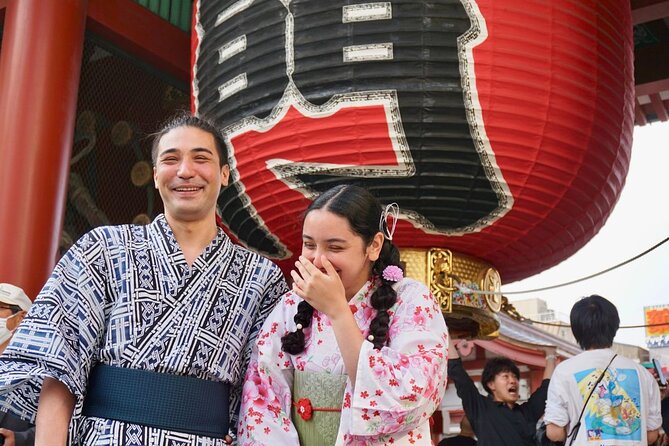
This experience is built around photos, and they even include a souvenir photo so you can have something more polished than a random selfie. A souvenir photo also reduces the pressure to get everything right during your best 10 minutes.
Here’s what I’d do to get better results based on how the experience is described:
- Take your first photos soon after dressing, before you feel tired. Your kimono will look fresh, and you’ll be in “pose mode.”
- Use the on-site team for photo-spot suggestions. They know where people can get good angles around Senso-ji and the Asakusa streets.
- If your kimono sleeves feel tricky, pick simple poses—standing square, slight turn, and using a nearby gate/street as a frame.
One review specifically praised that the person dressing them took pictures and videos, which is a big deal. If that’s available when you go, it’s worth using. Phone cameras struggle to capture kimono folds well, especially with sleeves. A staff member can help you get the outfit lines right.
Group size: calmer than you might expect
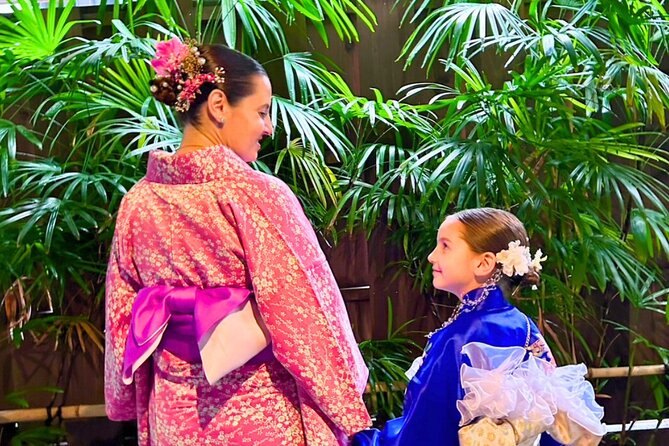
The experience has a maximum of 5 travelers. That matters because you can often get more individual time with the dressing staff instead of waiting your turn while someone else is being adjusted.
Smaller groups also tend to make it easier to keep track of where you’re going. You’ll still be doing a walk through multiple points, but the coordination load feels lighter.
Cultural fit: why wearing kimono here feels respectful
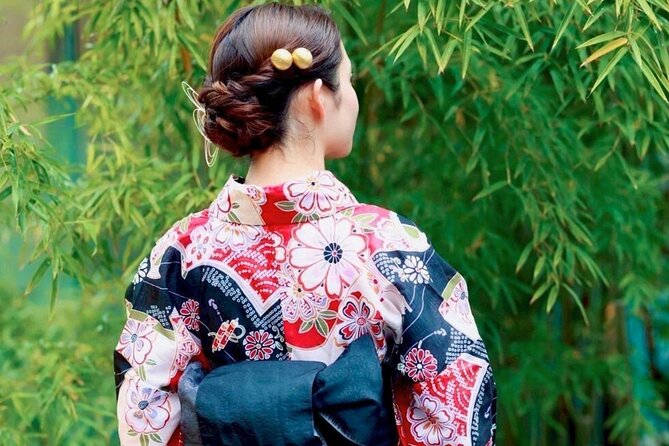
Some people worry about cultural appropriation. This experience addresses that directly by framing kimono-wearing as something they love to see tourists participate in, especially when it’s done respectfully and with accurate dressing help.
The key is that you’re not just putting on a random costume. You’re choosing from real kimono in a shop, being fitted by professionals, and then walking through a deeply recognizable cultural area. That’s a different vibe than a quick photo booth costume.
If you go in with curiosity and treat it like a respectful activity, you’ll fit the intention of the experience.
Winter kimono specifics: what to expect on comfort
The title calls it a winter kimono experience, and the shop is set up for proper dressing rather than a quick wrap. Winter styling typically means you’ll want to stay comfortable in layers, and you’ll likely spend meaningful time outdoors while exploring.
So I suggest you plan your day around walking and photo time. Your kimono can look amazing, but it asks for a bit more care and patience than normal clothes—especially with bending, stairs, and quick weather changes.
Also remember the practical rule: the kimono must be returned by 17:30 on the same day. That means you should pace your exploration so you’re not sprinting back at the end.
Who should book this and who should skip it
This is a strong match if:
- You want expert dressing and a simpler path to looking great in photos
- You’d like to explore Asakusa on your own pace while still having a clear route
- You care more about the outfit and photo stops than a long guided explanation
It may not fit well if:
- You’re very sensitive to fitting and prefer self-dressing only
- You struggle with street navigation and don’t like arriving early to confirm the meeting location
- You need a day that’s very flexible without return timing pressure
The experience also has clear limitations: not for people over 210 cm, not for people over 160 kg (264lbs), and not for pregnant women.
Should you book the Asakusa winter kimono experience?
If your goal is a photogenic, respectful kimono day with professional help and enough free time to enjoy Asakusa at your own pace, I think this is a smart booking. The pricing is reasonable for what you get: kimono choice, dressing by Kazune and a certified dresser, a structured walk through major temple spots, and a souvenir photo.
Book it with one mindset: arrive early, follow the shop timing, and use the staff for photo guidance. If you do that, you’ll spend your time taking pictures in a setting that matches the outfit—rather than hunting for the meeting point or rushing to finish before 17:30.
If that sounds like your kind of day, go for it.
FAQ
Where is the kimono shop, and how close is it to Senso-ji?
The shop welcomes you just a 3-minute walk from Sensoji Temple in Asakusa. The meeting point is at f.2-chōme-8-10 Kaminarimon, Taito City, Tokyo 111-0034.
What time should I arrive before my booking?
You should arrive at least 10 minutes before your booking time so the team can prepare you and help you get dressed properly.
What is included in the experience?
You choose from kimono in the shop, get professional help dressing, explore Asakusa around Senso-ji Temple at your own pace, receive photo spot recommendations, and you also get a souvenir photo.
When do I need to return the kimono?
You must return the kimono by 17:30 on the same day. If you want to keep it longer, returning it the next day is possible for a small extra fee arranged at the shop.
How many people are in the group?
The experience has a maximum of 5 travelers.
Are there height, weight, or pregnancy restrictions?
Yes. It is not for people over 210 cm, not for people over 160 kg (264lbs), and it is not for pregnant women.
More Tour Reviews in Tokyo
- Mt Fuji and Hakone 1-Day Bus Tour Return by Bullet Train
★ 5.0 · 26,383 reviews - 1-Day Tokyo Bus Tour
★ 5.0 · 14,250 reviews - Tokyo: teamLab Planets TOKYO Digital Art Museum Entry Ticket
★ 4.6 · 9,779 reviews - Mt Fuji & Hakone Cruise, Drum Show Bullet Train 1 Day from Tokyo
★ 4.0 · 7,413 reviews - Tokyo: Shinjuku Food Tour (13 Dishes at 4 Local Eateries)
★ 5.0 · 6,603 reviews
More Kimono Photo Shoots
- Tokyo: Kimono Dressing, Walking, and Photography Session
★ 4.9 · 427 reviews - Let’s make kimono !(Kimono is a gift for you
★ 5.0 · 252 reviews - Tokyo: Matcha and Kimono Experience
★ 4.7 · 219 reviews - Tokyo: Asakusa Kimono Dressing and Matcha Experience
★ 4.9 · 173 reviews - Asakusa: Kimono Tea Ceremony with Matcha and Sweet
★ 4.9 · 153 reviews
More Mornings in Old Asakusa
- Tokyo: Japanese Dance Cabaret Theater Asakusa-Kaguwa Ticket
★ 4.8 · 2,270 reviews - Tokyo: Meiji Shrine, Asakusa, Skytree Bus Tour and Cruise
★ 4.7 · 1,986 reviews - Tokyo: Roll and Authentic Sushi Making Class in Asakusa
★ 4.9 · 1,957 reviews - Tokyo: Asakusa Walking Tour with Sensoji Temple Visit
★ 4.8 · 1,583 reviews - Tokyo Asakusa Rickshaw Tour
★ 5.0 · 1,375 reviews
Latest Tokyo reviews off our desk






Asakusa & Sensoji Tours, compared.
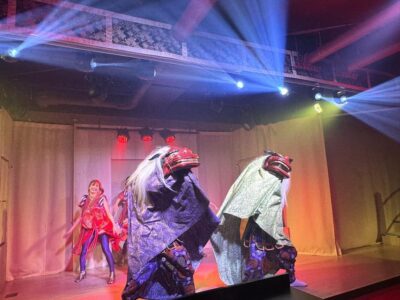 ★ 4.8Japanese Dance Cabaret Theater Asakusa-Kaguwa TicketFrom $492,270 reviews
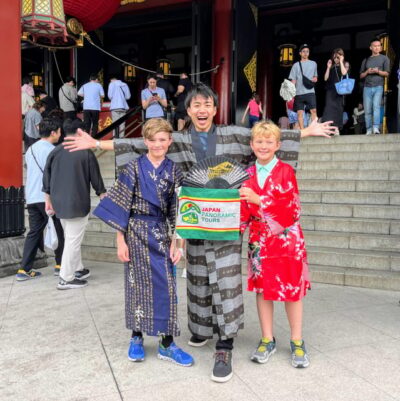 ★ 4.7Meiji Shrine, Asakusa, Skytree Bus Tour and CruiseFrom $1221,986 reviews
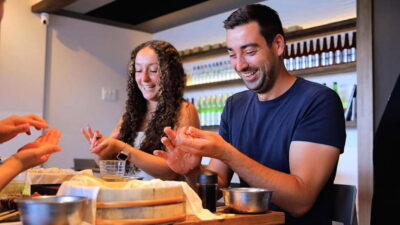 ★ 4.9Roll and Authentic Sushi Making Class in AsakusaFrom $581,957 reviews
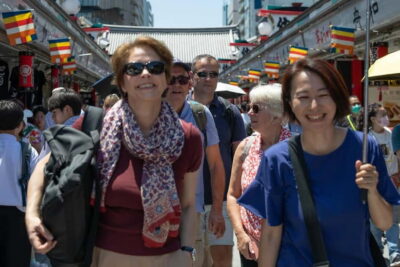 ★ 4.8Asakusa Walking Tour with Sensoji Temple VisitFrom $221,583 reviews
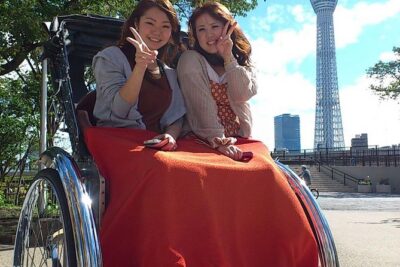 ★ 5.0Tokyo Asakusa Rickshaw TourFrom $421,375 reviews
 ★ 4.5Tokyo Panoramic 1 Day: Meiji Shrine, Asakusa, Odaiba and SKYTREE®From $851,222 reviews
 ★ 5.0Tokyo Go Kart: Asakusa, Skytree, and Akihabara **IDP MUST**From $99988 reviews
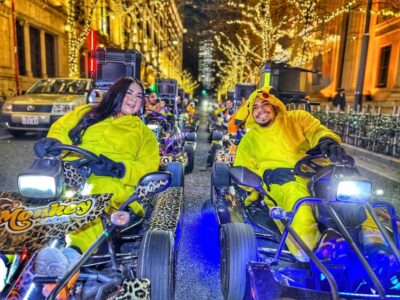 ★ 4.7Asakusa, Skytree & Akhihabara Go-Kart City ExperienceFrom $96761 reviews
Browse the lists this tour appears in