
Reviewed · ASAKUSA & SENSOJI TOURS
Tokyo:Calligraphy &Make your original folding fan in Asakusa
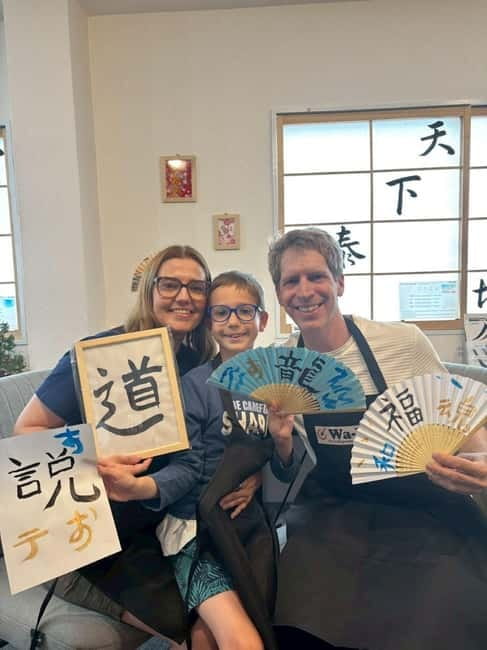
Brush, ink, and a calm hour in Asakusa. I love how Japanese calligraphy turns the noise of the street into a slow, focused lesson led by Mana, an English-speaking instructor who guides your strokes with real patience. I also love the payoff: you create an original folding fan with your own writing, then sit down with green tea to craft a postcard message you’ll keep for your future self.
One thing to consider: ink can stain. You’ll get aprons, but you still should wear clothes that can handle a little risk.
In This Review
- Key Highlights That Make This Workshop Worth It
- Asakusa in a New Mood: Calligraphy Instead of Another Photo Stop
- The Brush Basics: Fude, Ink Sticks, and Correct Posture
- Learning Hiragana and Kanji: Techniques You Actually Practice
- 30 Minutes on Thin Paper: Choosing Your Design and Getting It Right
- Green Tea Break and a Postcard to Future You
- Make Your Original Folding Fan: Turn Strokes Into Something You Can Use
- Price and Value for 30–90 Minutes of Hands-On Instruction
- Who This Workshop Fits Best (And Who Should Skip It)
- Should You Book Tokyo: Calligraphy & Make Your Original Folding Fan in Asakusa?
- FAQ
- How long is the calligraphy and folding fan workshop?
- Where is the meeting point?
- What’s included in the experience?
- What should I bring and wear?
- Is there an English-speaking instructor?
- Are food and drinks included or allowed during the session?
- If I choose henna tattoo options, do I still do calligraphy?
- Can I print my calligraphy design onto a T-shirt?
- Is the workshop wheelchair accessible?
- What are the cancellation and booking options?
Key Highlights That Make This Workshop Worth It
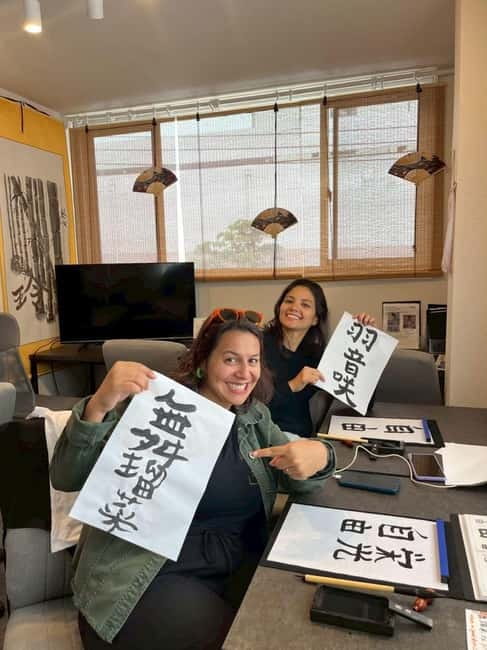
- Mana’s calm, English-friendly instruction so you can focus on the brushwork
- Solid-ink melting to understand the tools before you start writing
- Posture and attitude training so your strokes look better fast
- Eight technique practice using guide paper before you write on thin paper
- Green tea plus a postcard you write to yourself as a real keepsake
- A folding fan craft that turns your calligraphy into something you can actually use
Asakusa in a New Mood: Calligraphy Instead of Another Photo Stop
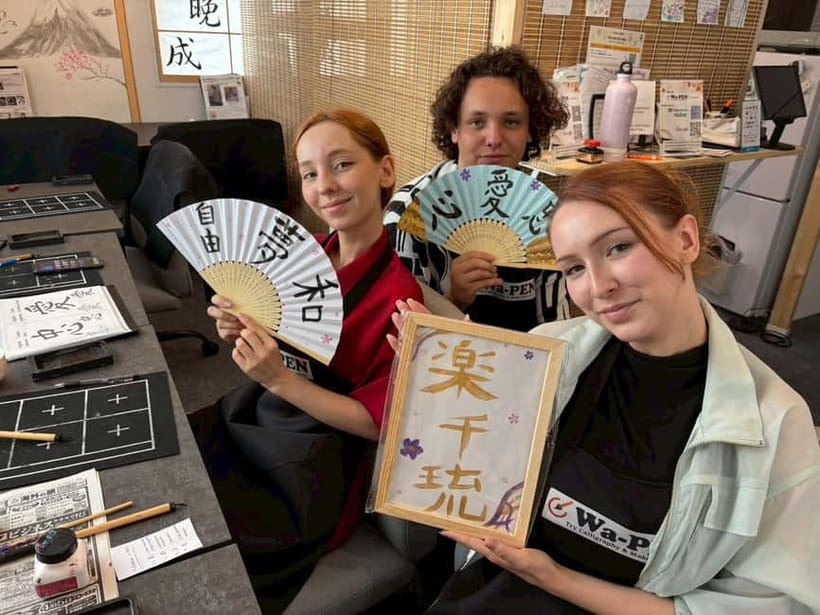
Asakusa is famous for its sights, but this workshop gives you another kind of souvenir: a skill you make with your own hands. In a place where you can spend hours just walking and snapping photos, Japanese calligraphy offers a quiet reset. It’s the kind of activity that can feel almost meditative, especially once you’re holding the brush and following the instructor’s rhythm.
What I like most is how personal the output is. You’re not copying a generic worksheet and leaving. You practice, you refine, and you take home what you made—calligraphy and a fan—so it feels like something created for you, not just purchased.
More temple mornings in old Asakusa
- Tokyo: Japanese Dance Cabaret Theater Asakusa-Kaguwa Ticket
★ 4.8 · 2,270 reviews - Tokyo: Meiji Shrine, Asakusa, Skytree Bus Tour and Cruise
★ 4.7 · 1,986 reviews - Tokyo: Roll and Authentic Sushi Making Class in Asakusa
★ 4.9 · 1,957 reviews - Tokyo: Asakusa Walking Tour with Sensoji Temple Visit
★ 4.8 · 1,583 reviews
The Brush Basics: Fude, Ink Sticks, and Correct Posture
Before you write anything fancy, you build the foundation. You’ll learn about the history of Japanese calligraphy, then shift into how the practice actually works today—how people connect the mind, the body, and the written character. You’ll also get specific guidance on posture and the right attitude for calligraphy, which matters more than you’d expect.
Then comes a hands-on moment that turns the whole experience from “craft class” into something more authentic: traditional ink melting. You use water to melt solid ink sticks for calligraphy. It’s practical and sensory, and it also helps you understand why brushwork is so different from marker or pen writing.
You’ll also learn how to use the Japanese brush called fude and how to judge the right ink amount. If you’ve ever tried to write with a wet brush and got streaks or blobs, you already know why this instruction is key. The class is built around correcting your technique early, so your final piece looks intentional.
Learning Hiragana and Kanji: Techniques You Actually Practice
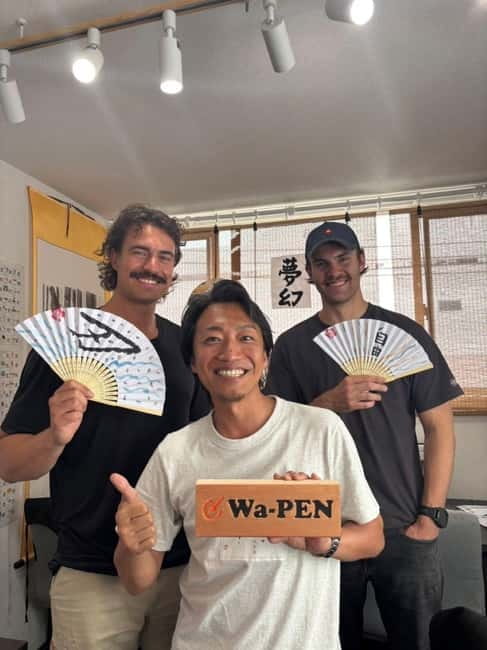
Japanese calligraphy isn’t just about pretty characters. It’s about controlled movement—pressure, angle, and timing. During the workshop, you’ll study the mind of hiragana and the culture behind it, then put those ideas into physical practice.
A big part of the class is learning basic stroke forms and working through about eight techniques. You use guide paper at first, so you can focus on accuracy without guessing where each stroke should land. The guide sheets act like scaffolding: they help your hand learn, then you gradually earn the freedom to write the way you want.
And yes, you can create something meaningful with what you write. Many people like practicing personal kanji (like names), because the character carries real identity, not just decoration. If you want your keepsake to feel more personal, plan your design choice ahead of time so it matches what you want to say to yourself later.
30 Minutes on Thin Paper: Choosing Your Design and Getting It Right
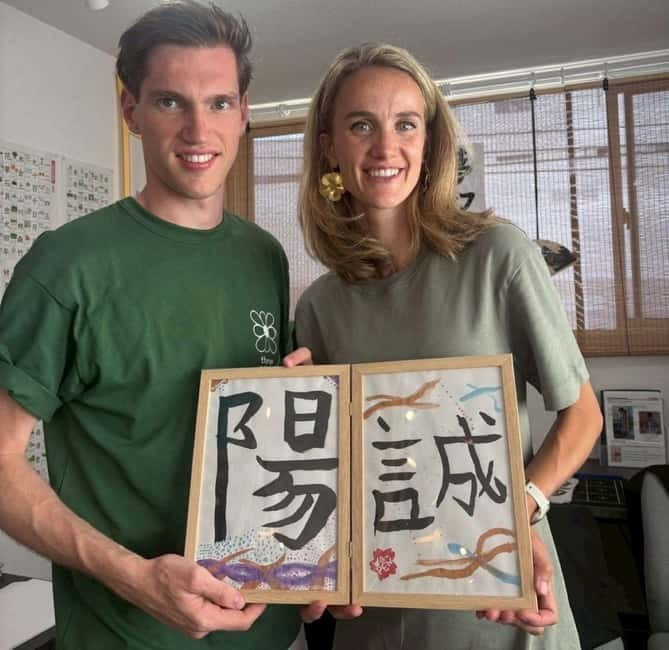
After technique practice, you get a real writing session. The workshop includes 30 minutes on thin paper, using guide paper and expert staff support. Thin paper matters because it pushes you to be more careful with pressure and ink—so the strokes look crisp when you get them right.
You’ll also choose your design. The class explains that you can pick from a sample book or decide with the help of the expert staff. This is one of those details that makes the experience smoother: you’re not left standing there hoping you’ll magically come up with a perfect character. You’re guided toward something that fits the style you’re learning.
You keep writing until you’re satisfied with your work. That’s a small promise with a big effect on the final result. You’re more likely to leave happy when the instructor focuses on quality and doesn’t rush you out the door.
Green Tea Break and a Postcard to Future You
After the brushwork, you get a break that feels like a reward, not an interruption. You’ll enjoy a cup of green tea, then write a postcard for yourself. The idea is simple: you put your thoughts into words while the experience is still fresh—how you felt while writing, what surprised you, what you want to remember later.
This is the part I think most people underestimate. A calligraphy piece is great on a shelf, sure. But the postcard becomes your time capsule. Months later, it’s not just ink on paper—it’s your own words from that moment in Tokyo, when your hand was learning something new.
More hands-on studios our readers booked
- Tokyo Shinjuku Chopsticks Making Class★ 5.0 · 1,763 reviews
- Chopstick Making Workshop in Ginza★ 4.8 · 1,366 reviews
- Kintsugi Experience: Art of Golden Joinery in Tokyo★ 5.0 · 467 reviews
- Tokyo Chopstick Making Workshop with Artisan★ 5.0 · 466 reviews
- Tokyo: Shinjuku Chopstick Making Class★ 4.9 · 440 reviews
Make Your Original Folding Fan: Turn Strokes Into Something You Can Use
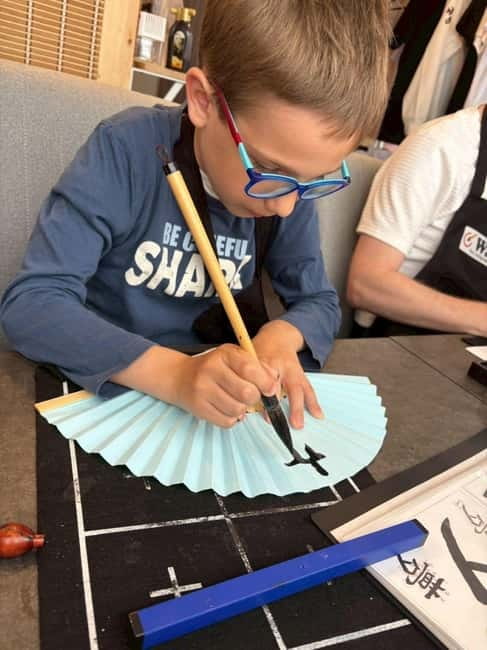
The final creative step is making your original folding fan with your calligraphy. This is where the workshop shifts from “practice” to “keepsake you can live with.” A fan is practical in Japan, but even outside Japan it’s an everyday reminder that you created it yourself.
The class structure matters here: you build technique first, so when you apply your strokes to the fan, it doesn’t feel like you’re starting over from zero. By the time you reach the fan, you’ve already learned how to hold the fude, how much ink to use, and what posture helps your strokes stay steady.
When you take the fan home, it’s not just a souvenir from Asakusa. It’s a portable version of the calm you practiced during the lesson.
Price and Value for 30–90 Minutes of Hands-On Instruction
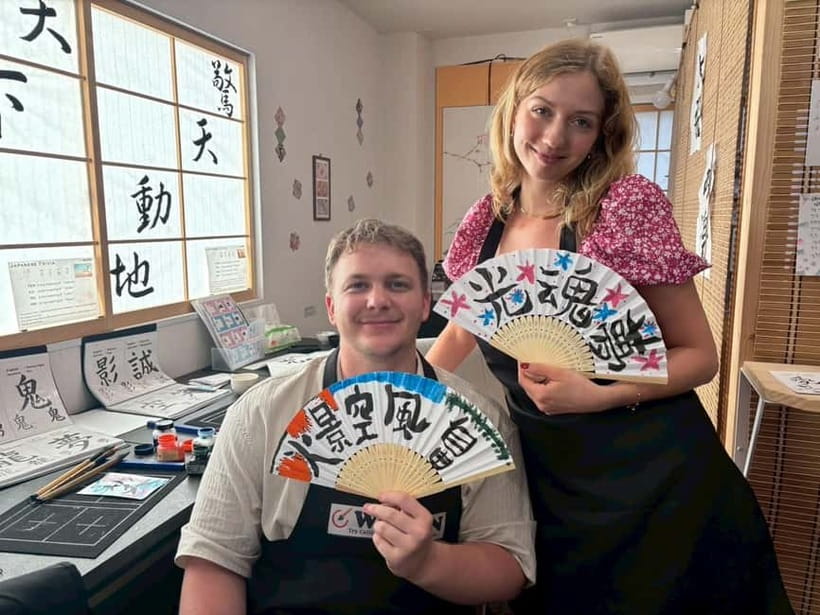
It costs $16 per person, and the class runs 30 to 90 minutes. On paper, that might sound modest. In practice, the value comes from what’s included.
You’re paying for more than supplies. You get instruction on posture and stroke technique, plus ink melting with traditional tools, plus real practice time on thin paper, plus the fan-making step. You also get green tea and a postcard. In other words, you’re not just buying a finished souvenir—you’re buying guided learning and a set of take-home results.
If you’re traveling on a budget, this is the kind of activity that gives you something tangible without draining your day like a full guided tour. If you’re traveling with someone who loves photography, this also works as a change of pace. One of you gets images; the other gets a skill and a keepsake.
Who This Workshop Fits Best (And Who Should Skip It)
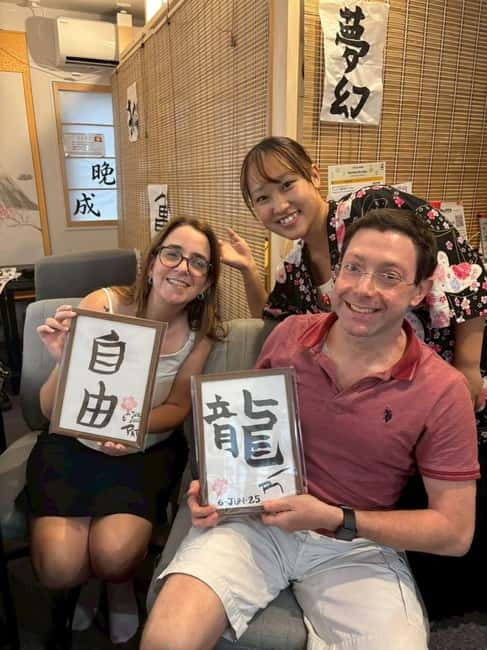
This is a great fit if you want a quieter Tokyo experience you can finish in a short window. It’s especially good when your day is packed with temples and neighborhoods and you want one activity that’s more focused and less about rushing.
You’ll also get the most out of it if you’re okay with small mess. Wear comfortable clothes that can get a bit dirty from ink. Aprons are ready, but ink is still ink. You also shouldn’t plan on eating or drinking during the session.
A couple of practical notes:
- It’s not suitable for wheelchair users.
- Pets aren’t allowed (assistance dogs are allowed).
- If you choose an option labeled henna tattoo options, the calligraphy experience is not included.
Should You Book Tokyo: Calligraphy & Make Your Original Folding Fan in Asakusa?
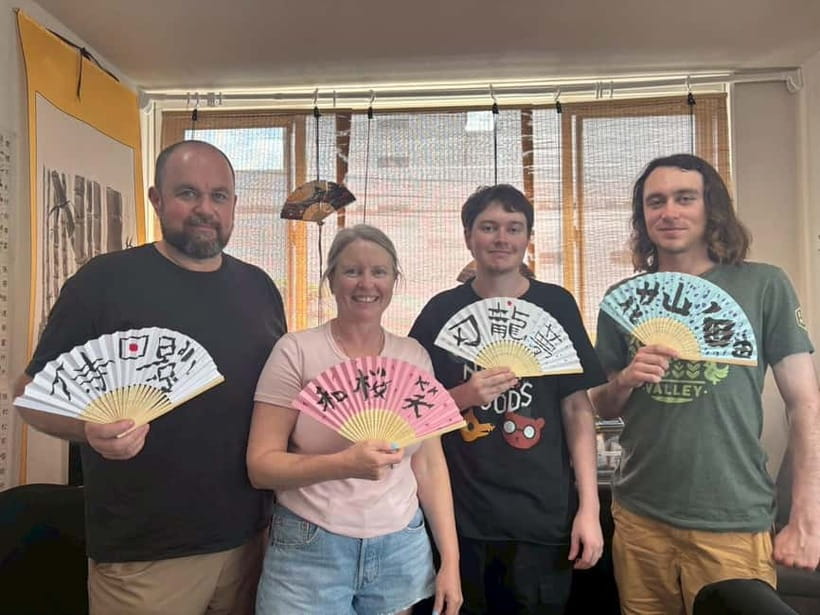
Book it if you want a meaningful souvenir that doesn’t feel generic. For $16, you’re getting real teaching on brush technique, a structured practice session, and take-home items that connect to your own effort—calligraphy, a fan, and a postcard message to yourself.
Skip it if you want a low-mess activity with no uncertainty. Ink-based crafts can be unpredictable until you learn the basics, and you’ll need comfortable clothes to handle that. Also skip the calligraphy portion if you’re planning for a henna tattoo option, since the calligraphy experience won’t be included.
If you’re in Asakusa and you want one hour that feels like you slowed down on purpose, this is an easy yes.
FAQ
How long is the calligraphy and folding fan workshop?
The duration is 30 to 90 minutes, depending on the session time available.
Where is the meeting point?
The meeting point is in Asakusa, with coordinates at 35.7162239, 139.7922354. The exact meeting point may vary depending on the option booked.
What’s included in the experience?
You get Japanese calligraphy history, posture and attitude guidance, traditional ink melting, brush usage and techniques, practice with guide paper, custom design practice, green tea, postcard writing, and making an original folding fan.
What should I bring and wear?
Wear comfortable clothes. Plan for your clothes to get a bit dirty from ink (aprons are provided).
Is there an English-speaking instructor?
Yes. The instructor provides instruction in English.
Are food and drinks included or allowed during the session?
Green tea is included. No food and drinks are allowed during the session.
If I choose henna tattoo options, do I still do calligraphy?
No. If you select the henna tattoo options, the calligraphy experience is not included.
Can I print my calligraphy design onto a T-shirt?
Printing your design onto a T-shirt is not included. If you want to print, you can buy a T-shirt in the shop.
Is the workshop wheelchair accessible?
No. It is not suitable for wheelchair users.
What are the cancellation and booking options?
You can cancel up to 24 hours in advance for a full refund. You can also reserve now and pay later.
More Tour Reviews in Tokyo
- Mt Fuji and Hakone 1-Day Bus Tour Return by Bullet Train
★ 5.0 · 26,383 reviews - 1-Day Tokyo Bus Tour
★ 5.0 · 14,250 reviews - Tokyo: teamLab Planets TOKYO Digital Art Museum Entry Ticket
★ 4.6 · 9,779 reviews - Mt Fuji & Hakone Cruise, Drum Show Bullet Train 1 Day from Tokyo
★ 4.0 · 7,413 reviews - Tokyo: Shinjuku Food Tour (13 Dishes at 4 Local Eateries)
★ 5.0 · 6,603 reviews
More Artisan Workshops in Tokyo
- Tokyo Shinjuku Chopsticks Making Class
★ 5.0 · 1,763 reviews - Chopstick Making Workshop in Ginza
★ 4.8 · 1,366 reviews - Kintsugi Experience: Art of Golden Joinery in Tokyo
★ 5.0 · 467 reviews - Tokyo Chopstick Making Workshop with Artisan
★ 5.0 · 466 reviews - Tokyo: Shinjuku Chopstick Making Class
★ 4.9 · 440 reviews
More Mornings in Old Asakusa
- Tokyo: Japanese Dance Cabaret Theater Asakusa-Kaguwa Ticket
★ 4.8 · 2,270 reviews - Tokyo: Meiji Shrine, Asakusa, Skytree Bus Tour and Cruise
★ 4.7 · 1,986 reviews - Tokyo: Roll and Authentic Sushi Making Class in Asakusa
★ 4.9 · 1,957 reviews - Tokyo: Asakusa Walking Tour with Sensoji Temple Visit
★ 4.8 · 1,583 reviews - Tokyo Asakusa Rickshaw Tour
★ 5.0 · 1,375 reviews
Latest Tokyo reviews off our desk


Asakusa & Sensoji Tours, compared.
 ★ 4.8Japanese Dance Cabaret Theater Asakusa-Kaguwa TicketFrom $492,270 reviews
 ★ 4.7Meiji Shrine, Asakusa, Skytree Bus Tour and CruiseFrom $1221,986 reviews
 ★ 4.9Roll and Authentic Sushi Making Class in AsakusaFrom $581,957 reviews
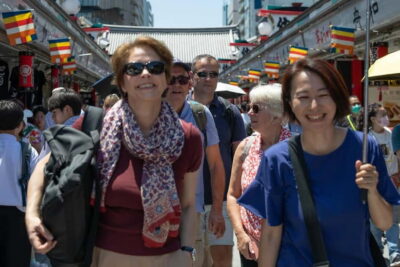 ★ 4.8Asakusa Walking Tour with Sensoji Temple VisitFrom $221,583 reviews
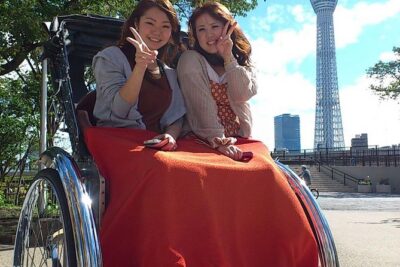 ★ 5.0Tokyo Asakusa Rickshaw TourFrom $421,375 reviews
 ★ 4.5Tokyo Panoramic 1 Day: Meiji Shrine, Asakusa, Odaiba and SKYTREE®From $851,222 reviews
 ★ 5.0Tokyo Go Kart: Asakusa, Skytree, and Akihabara **IDP MUST**From $99988 reviews
 ★ 4.7Asakusa, Skytree & Akhihabara Go-Kart City ExperienceFrom $96761 reviews
Browse the lists this tour appears in