
Reviewed · ASAKUSA & SENSOJI TOURS
Full Tokyo: Meiji Shrine, Imperial Palace, Asakusa & Skytree
Tokyo feels different when you hit five icons.
This tour strings together the best photo moments and most calming breaks in central Tokyo, from Meiji Shrine’s forest quiet to Tokyo Skytree’s huge city views. I like that the guide keeps you organized across trains and short walks, and I also like how the day mixes temples and modern neighborhoods instead of forcing one type of sightseeing.
One thing to plan for: it is a packed day, so a few stops can feel time-tight if you want to linger.
In This Review
- Key things I’d bookmark before you go
- A Full Tokyo Day: Why This Route Works
- Meeting at Hachiko Square and Getting Oriented Fast
- Shibuya Crossing: One of the World’s Most Famous Stops
- Meiji Shrine: When Tokyo Turns Quiet
- Imperial Palace Exterior: Big Photos Without the Headache
- Akihabara: Tech, Pop Culture, and Street-Level Fun
- Asakusa and Senso-ji: Temple Streets and a Lunch Decision
- Tokyo Skytree: Your Skyline Payoff and Ticket Reality
- Price and Value: Getting $69 Worth of Tokyo in 7 Hours
- Who Should Book This Tour (and Who Might Be Frustrated)
- Should You Book Full Tokyo? My Decision Guide
- FAQ
- Where do I meet the guide?
- How long is the tour?
- What languages are offered?
- Are train tickets included?
- Is lunch included?
- Is Tokyo Skytree entry included?
- What should I bring?
- Is the tour wheelchair accessible?
Key things I’d bookmark before you go
- Shibuya Crossing, up close by your route: you’ll see the famous scramble area as part of the morning flow.
- A guided walk at Meiji Shrine: about an hour with someone pointing out what you’re actually looking at.
- Imperial Palace exterior focus: you get the big landmark views without needing to “solve” complicated access rules.
- Asakusa with real free time: lunch option or solo wandering around the temple area.
- Tokyo Skytree only works if your tickets are ready: entry depends on pre-purchased tickets.
- Guides matter here: past groups have had standouts like Oliver, George, Burt, Erik, and Jörg plus Melody, with strong organization.
A Full Tokyo Day: Why This Route Works
Tokyo is huge, and first-timers often burn time hopping between far-apart neighborhoods. This tour is built to keep your day practical: you start in Shibuya, then move west-to-east through the Imperial Palace zone, down into Asakusa, and finally finish with Skytree views.
The real win is the contrast. You get loud, urban energy in Shibuya and Akihabara. Then you switch gears to shrine calm at Meiji and temple streets at Senso-ji in Asakusa. You end with a skyline payoff, which is exactly what a first day in Tokyo needs.
More temple mornings in old Asakusa
- Tokyo: Japanese Dance Cabaret Theater Asakusa-Kaguwa Ticket
★ 4.8 · 2,270 reviews - Tokyo: Meiji Shrine, Asakusa, Skytree Bus Tour and Cruise
★ 4.7 · 1,986 reviews - Tokyo: Roll and Authentic Sushi Making Class in Asakusa
★ 4.9 · 1,957 reviews - Tokyo: Asakusa Walking Tour with Sensoji Temple Visit
★ 4.8 · 1,583 reviews
Meeting at Hachiko Square and Getting Oriented Fast
You meet your guide at Hachiko Statue at Hachiko Square. It’s a smart choice because it puts you right in the Shibuya orbit, where getting oriented is half the battle.
From there, you’ll be moving by tram/train between areas. That matters because Tokyo transit can be simple, but it’s not always obvious on your first morning. Having a guide handling the “how do we get there” part means you spend your energy looking around instead of studying maps.
Shibuya Crossing: One of the World’s Most Famous Stops
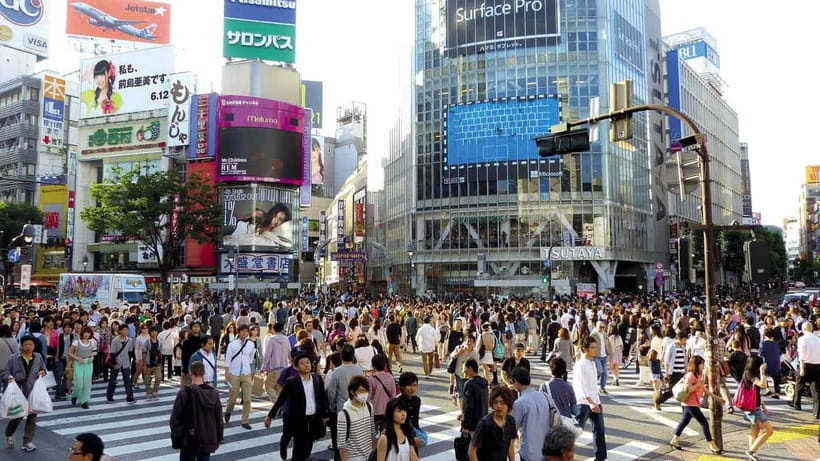
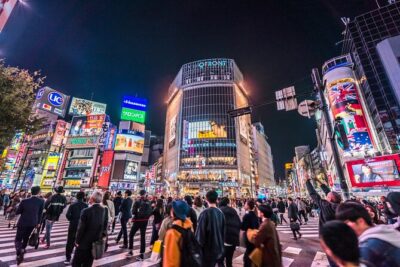
The tour includes a scenic drive past Shibuya Crossing, the famous pedestrian scramble. Even if you do not stand in the thickest part of the crowd, seeing it as part of your route gives you the big visual moment quickly.
Why I like this approach: Shibuya’s best energy is fast. The scramble is dramatic, and it’s also the kind of place where waiting around too long can turn into standing still while you miss the rest of the day. If you want to go deeper on your own later, getting the first glimpse here sets your expectations.
Possible consideration: since the day is packed, the time around Shibuya may feel brief compared with what you’d get if you stayed in the area independently.
Meiji Shrine: When Tokyo Turns Quiet
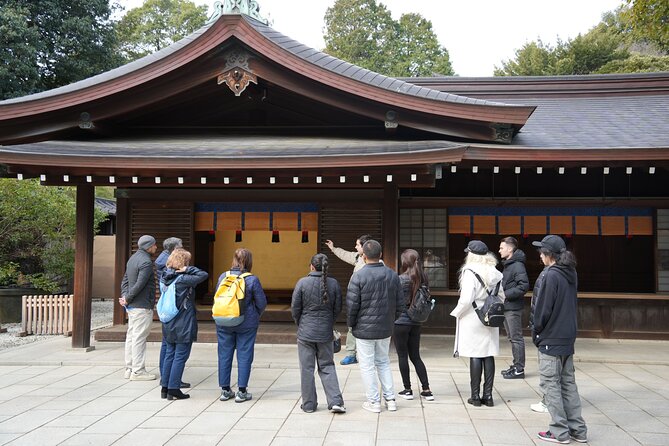
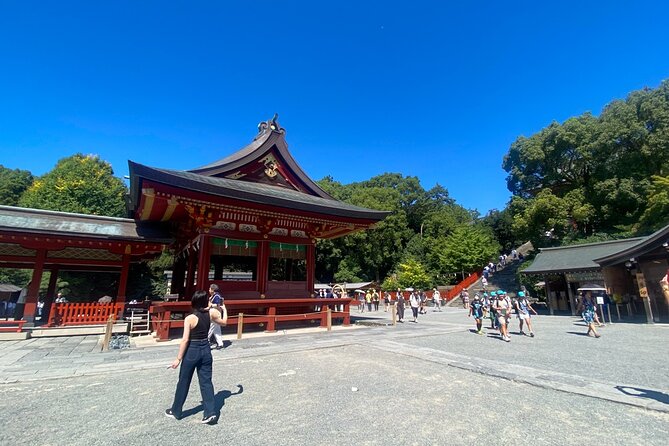
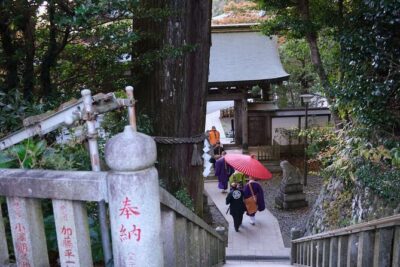
Then you shift to Meiji Shrine, which is the kind of place that makes you exhale without meaning to. Expect a guided walk of around 70 minutes, which is long enough to slow down and understand what you’re seeing.
This is not just a pretty stop. It’s a Shinto experience shaped by ritual and space: pathways, gates, and the slow change in sound as you move away from the city. A guide helps because they can explain what matters at each point, so you’re not just taking photos of structures you do not understand.
The best part is the contrast. After Shibuya’s motion, Meiji feels like a reset. And it’s exactly the sort of stop where a well-organized guide can keep the group flowing at a comfortable pace.
A nice detail from real guide experiences: on special dates like New Year’s Eve, guides have helped groups spot local shrine celebrations and show how Tokyo locals do the moment. Even if you are not there on a holiday, you’ll still feel the sense of place.
Imperial Palace Exterior: Big Photos Without the Headache
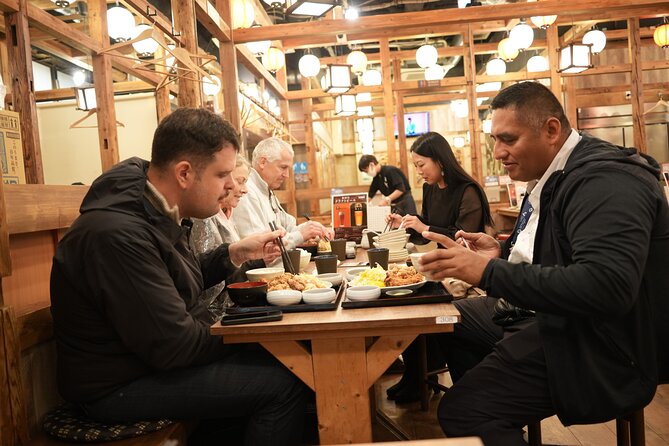
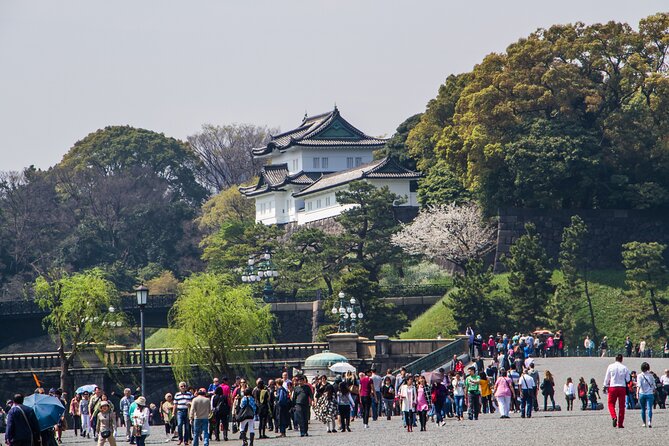
Next up is the Tokyo Imperial Palace area, where you’ll get a guided look focused on the exterior view. You’ll spend about 30 minutes with the guide.
This stop is built for photos. You’re in the right location to capture the majestic look of the palace surroundings, and you’re not stuck trying to figure out timing and entry rules on your own day.
One practical tip for your camera: plan for angles. The best shots often come from where you can see the buildings clearly while still keeping the surrounding context. A short guided segment helps because you’re guided to good viewpoints without wasting time wandering.
Potential drawback: if you love palace history and want more time, you may find this part brief. Some groups felt they did not get as much time here as they expected, so keep your expectations realistic: this is a landmark-photo moment inside a larger one-day sprint.
More walks around the Imperial grounds
- Tokyo: Imperial Palace and Shogun Historical Walking Tour★ 5.0 · 2,251 reviews
- Tokyo: Imperial Palace Japanese History Walking Tour★ 4.9 · 987 reviews
- Tokyo: Imperial Palace and Shogun Walking Tour★ 4.9 · 935 reviews
- Imperial Palace East Garden and Edo Castle Walking Tour in Tokyo★ 5.0 · 510 reviews
- Tokyo: Imperial Palace East Gardens Walking Tour★ 4.8 · 353 reviews
Akihabara: Tech, Pop Culture, and Street-Level Fun
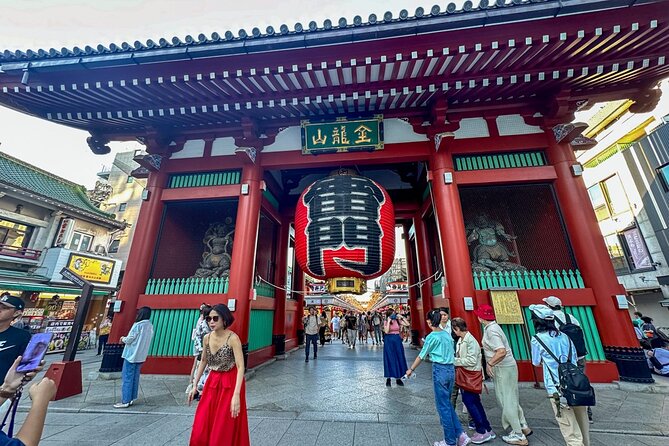
Between the major historic sites and the temple district, you’ll pass through Akihabara. Even though it’s not a long deep-dive stop, it’s the perfect break from formal sightseeing.
Akihabara works well in a guided format because your guide can help you understand what you’re seeing as you walk through the tech and pop-culture streets. You get the vibe fast—bright storefronts, the energy of shoppers, and the sense that Tokyo has its own version of fan culture.
If you want souvenirs, electronics, or anime-related browsing, this is a good moment to do it with a sense of direction. If you’d rather skip the shopping and just want the street scene, you’ll still get plenty of atmosphere.
Asakusa and Senso-ji: Temple Streets and a Lunch Decision
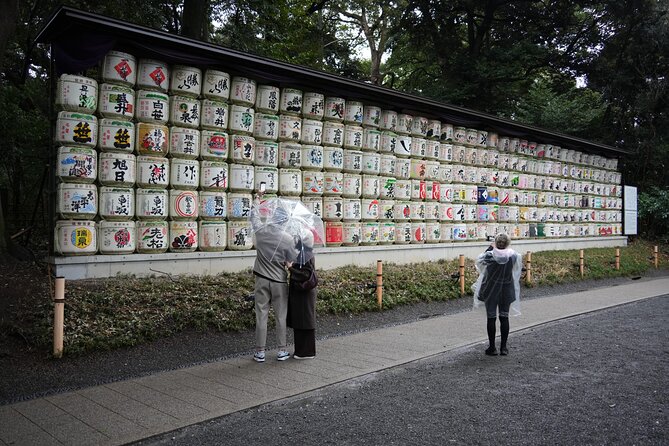
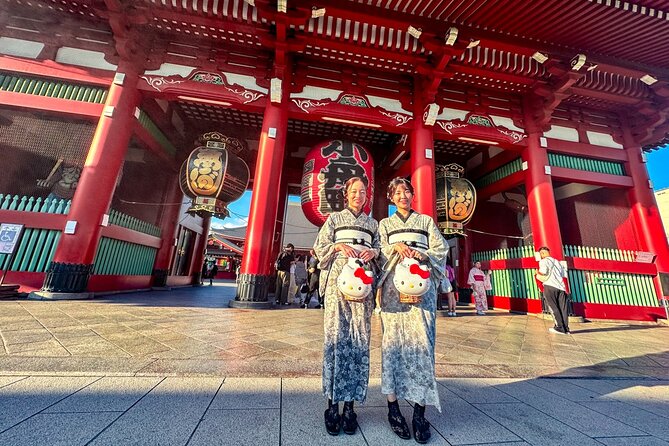
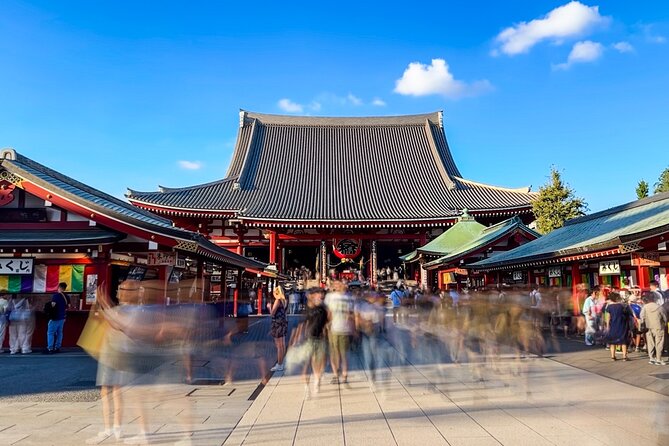
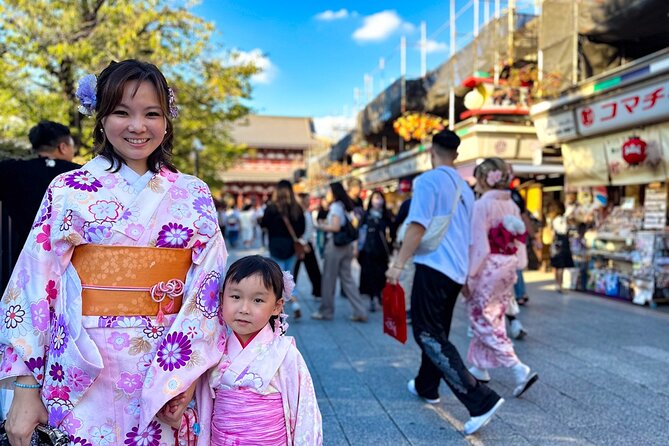
Asakusa is where the day becomes slow in the best way. You’ll visit Senso-ji Temple, the one most people associate with classic Tokyo. This is the area where you can feel the old-meets-new rhythm.
You’ll have about two hours for lunch and free time in Asakusa. If you choose the lunch option, that meal is included and is described as a traditional Japanese lunch at a local restaurant. The upside of booking lunch through the tour is simple: it removes the lunch decision from your stress list, and it keeps you on schedule.
Here’s how to think about Senso-ji time. If you want to shop the temple streets and also sit for a moment and take photos from multiple angles, Asakusa can be the most rewarding part of the day. But because the overall tour is moving through several landmarks, some people may wish they had more time for a deeper hangout inside the temple area.
So if you’re the type who likes long temple walks and reading every sign, you may want to budget extra time later on your own. If you’re happy with a solid highlight circuit and want to see more of Tokyo in one go, this structure fits well.
Tokyo Skytree: Your Skyline Payoff and Ticket Reality
The grand finish is Tokyo Skytree, and you can visit the observation deck if you chose the option. This is where the tour earns its price for many people: after hours on the ground, you finally get the city from above.
I’d treat this like your “weather and timing” moment. If it’s clear, the views are the kind you remember. If it’s hazy, you still get the sense of scale—Tokyo is huge, and Skytree makes that obvious.
Important planning note: you can only enter if you previously purchased tickets. So do not assume you can just show up and walk in. Make sure your Skytree ticket is sorted as part of your booking, and double-check you have what you need before you reach the drop-off.
Price and Value: Getting $69 Worth of Tokyo in 7 Hours
At $69 per person for a 7-hour day, the value comes from three things: a strong guide, transit included, and a day structured around major “first time in Tokyo” landmarks.
Included in the price:
- Bilingual guide support in English and Spanish
- Train tickets for transfers between stops
- Optional lunch if you choose that add-on
- SkyTree entrance if you select the option
What’s not included: drinks.
Is it expensive? Compared to DIY day plans, sure. But compare it to what you’d pay for guide time plus transit plus the complexity of coordinating the stops. Tokyo transit can be easy, but doing a one-day landmark stack without help can eat time. This tour aims to give you a tight route and a guide who can explain what you’re actually looking at.
The best reviews strongly point to guide quality and organization. Names that came up in positive experiences include Oliver, George, Burt, Erik, and Jörg plus Melody. Multiple people also praised guides who adjust pace for different walkers and manage routes without turning the day into chaos.
The flip side is pacing. Some groups felt certain stops were shorter than expected. If you are the kind of traveler who wants slow, detailed time at each landmark, you might leave wishing for longer at Shibuya, the Imperial Palace area, or more time around Senso-ji.
Who Should Book This Tour (and Who Might Be Frustrated)
This tour is a good fit if:
- It’s your first time in Tokyo and you want the headline sites in one day
- You like city views and photo stops as a major goal
- You appreciate guidance, especially at Meiji Shrine and Senso-ji
- You want the transit and logistics handled so you can focus on sightseeing
It may not be ideal if:
- You hate time pressure and want long, slow visits everywhere
- You want a lot of temple reading and deep cultural context at Senso-ji
- You need wheelchair accessibility, since the tour is not suitable for wheelchair users
Should You Book Full Tokyo? My Decision Guide
If your dream Tokyo day is: shrine calm, palace photos, temple streets, and a sky-high finale, then yes—this is a solid way to do it in one shot. The guide factor matters a lot, and when the guide is strong (as many past experiences described), the day feels smooth and informative.
Before you book, check two things:
- Are you okay with a packed schedule and highlight-style time at each stop?
- Have you planned your Tokyo Skytree entry tickets so you can actually go up when you arrive?
If you say yes to both, you’re likely to enjoy the mix of iconic sights, good transit coverage, and that satisfying end-of-day view.
FAQ
Where do I meet the guide?
Meet your guide next to the Hachiko Statue at Hachiko Square.
How long is the tour?
The tour duration is 7 hours.
What languages are offered?
The guide is bilingual, with English and Spanish.
Are train tickets included?
Yes. Train tickets are included for all transfers between the itinerary points.
Is lunch included?
Lunch is included only if you choose the lunch option.
Is Tokyo Skytree entry included?
Entrance to Tokyo Skytree is included if you select the option. You can only enter if you have previously purchased tickets.
What should I bring?
Bring comfortable shoes, a hat, a camera, sunscreen, and water.
Is the tour wheelchair accessible?
No. The tour is not suitable for wheelchair users.
More Meiji Shrine Hours, Rated
- Tokyo: Meiji Shrine, Asakusa, Skytree Bus Tour and Cruise
★ 4.7 · 1,986 reviews - Tokyo Panoramic 1 Day: Meiji Shrine, Asakusa, Odaiba and SKYTREE®
★ 4.5 · 1,222 reviews - Tokyo: Meiji Shrine Walking Tour — Shinto & Imperial System
★ 4.9 · 266 reviews - Tokyo: Meiji Jingu Shrine and Shinto Culture Walking Tour
★ 5.0 · 245 reviews - Tokyo: Meiji Shrine and Shinto Culture Walking Tour
★ 5.0 · 225 reviews
More Imperial Palace Walks
- Tokyo: Imperial Palace and Shogun Historical Walking Tour
★ 5.0 · 2,251 reviews - Tokyo: Imperial Palace Japanese History Walking Tour
★ 4.9 · 987 reviews - Tokyo: Imperial Palace and Shogun Walking Tour
★ 4.9 · 935 reviews - Imperial Palace East Garden and Edo Castle Walking Tour in Tokyo
★ 5.0 · 510 reviews - Tokyo: Imperial Palace East Gardens Walking Tour
★ 4.8 · 353 reviews
More Mornings in Old Asakusa
- Tokyo: Japanese Dance Cabaret Theater Asakusa-Kaguwa Ticket
★ 4.8 · 2,270 reviews - Tokyo: Meiji Shrine, Asakusa, Skytree Bus Tour and Cruise
★ 4.7 · 1,986 reviews - Tokyo: Roll and Authentic Sushi Making Class in Asakusa
★ 4.9 · 1,957 reviews - Tokyo: Asakusa Walking Tour with Sensoji Temple Visit
★ 4.8 · 1,583 reviews - Tokyo Asakusa Rickshaw Tour
★ 5.0 · 1,375 reviews
Latest Tokyo reviews off our desk

Asakusa & Sensoji Tours, compared.
 ★ 4.8Japanese Dance Cabaret Theater Asakusa-Kaguwa TicketFrom $492,270 reviews
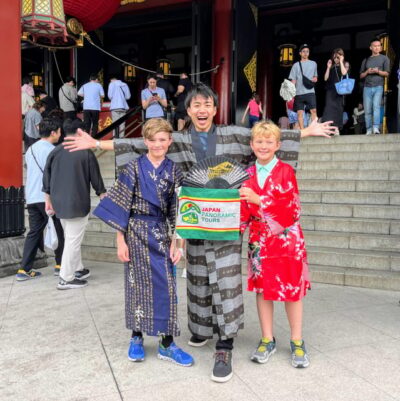 ★ 4.7Meiji Shrine, Asakusa, Skytree Bus Tour and CruiseFrom $1221,986 reviews
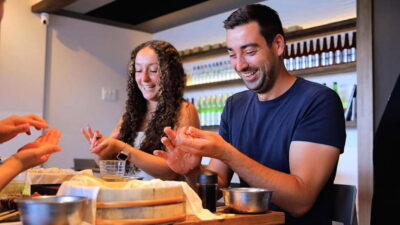 ★ 4.9Roll and Authentic Sushi Making Class in AsakusaFrom $581,957 reviews
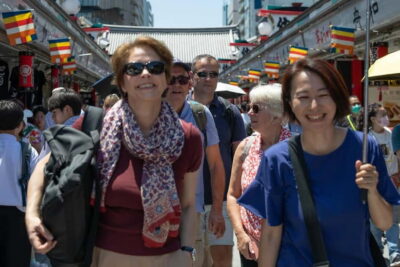 ★ 4.8Asakusa Walking Tour with Sensoji Temple VisitFrom $221,583 reviews
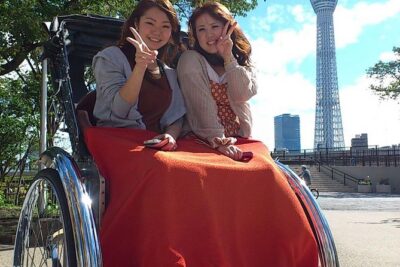 ★ 5.0Tokyo Asakusa Rickshaw TourFrom $421,375 reviews
 ★ 4.5Tokyo Panoramic 1 Day: Meiji Shrine, Asakusa, Odaiba and SKYTREE®From $851,222 reviews
 ★ 5.0Tokyo Go Kart: Asakusa, Skytree, and Akihabara **IDP MUST**From $99988 reviews
 ★ 4.7Asakusa, Skytree & Akhihabara Go-Kart City ExperienceFrom $96761 reviews
Browse the lists this tour appears in