
Reviewed · ASAKUSA & SENSOJI TOURS
Kimono and Tea Ceremony in Asakusa Private Food Tour With Guide
Kimono and tea in Asakusa feels like time travel. This small-group half-day pairs kimono dressing with a real tea ceremony, then wraps it all around classic Asakusa sightseeing and tastings that feel far more personal than a normal temple walk. I especially like how the kimono experience makes the whole area feel instantly more meaningful, and I also love the included A5 Wagyu beef moment, since it turns a cultural outing into a full-on food tour.
The group stays capped at eight people, so you’re not competing for attention or shoving through photo lines. The only drawback is the schedule is tight, so if you plan to linger forever on Nakamise Street shopping, you’ll want to save some extra time for later.
One more plus: it’s a half-day format with the rest of your afternoon left open, so you can keep exploring Tokyo in your own direction after the tour ends back at the meeting point.
In This Review
- Key highlights to know before you go
- Why Asakusa is a smart pick for a kimono + tea day
- Start here: kimono dressing, obi, and wooden sandals
- Sensō-ji temple walk: the calm part of a busy area
- Nakamise shopping street and Kaminarimon: where food and souvenirs meet
- The tea ceremony: etiquette, flavor, and why the timing matters
- Food stops that actually feel like Japan, not just a checklist
- A5 Wagyu experience (the big value moment)
- Ice cream and local desserts
- Soft drinks and water
- Alcohol is not included
- The pacing: 4 hours that feel full, not frantic
- Where you meet and how to find it fast
- Price and value: what $290 buys you (and why it can be worth it)
- Who should book this kimono and tea ceremony tour
- Should you book this Asakusa kimono + tea day?
- FAQ
- How long is the kimono and tea ceremony tour?
- What time does the tour start?
- Where do I meet for the tour?
- What’s the group size?
- What’s included in the experience?
- Are alcoholic drinks included?
- Is hotel pick-up or drop-off included?
- Can I add hairstyling or an overnight kimono rental?
Key highlights to know before you go
- Small group (max 8) keeps the walking pace comfortable and the photo moments less stressful
- Kimono help from start to finish means you’ll get a proper look with obi and wooden sandals
- Tea ceremony experience plus sweets turns Asakusa into something you actually feel, not just see
- Guide Adam’s local storytelling adds context that makes the sights easier to understand
- Food-focused stops include A5 Wagyu, ice cream, and other Japanese treats
- Half-day timing leaves room for your own plans afterward
Why Asakusa is a smart pick for a kimono + tea day
Asakusa is one of those Tokyo neighborhoods where tradition still shows up in everyday form. You’re walking near Sensō-ji, a temple that’s known as Tokyo’s oldest and one of its most significant, and the surrounding streets make it easy to connect the ceremony side of Japan with the street side.
What makes this tour work is that it doesn’t treat kimono as a costume-and-go add-on. You dress first, then you move through the sights while everything is part of one story: temple approach, street shopping, then tea etiquette and flavor. It’s also set up as a half-day, which is great if you like having a plan but hate feeling locked in for hours.
Finally, the small-group size matters here. Asakusa can get busy around major landmarks, but with a group capped at eight, you keep a little more breathing room for photos and for asking the guide questions without feeling rushed.
More temple mornings in old Asakusa
- Tokyo: Japanese Dance Cabaret Theater Asakusa-Kaguwa Ticket
★ 4.8 · 2,270 reviews - Tokyo: Meiji Shrine, Asakusa, Skytree Bus Tour and Cruise
★ 4.7 · 1,986 reviews - Tokyo: Roll and Authentic Sushi Making Class in Asakusa
★ 4.9 · 1,957 reviews - Tokyo: Asakusa Walking Tour with Sensoji Temple Visit
★ 4.8 · 1,583 reviews
Start here: kimono dressing, obi, and wooden sandals
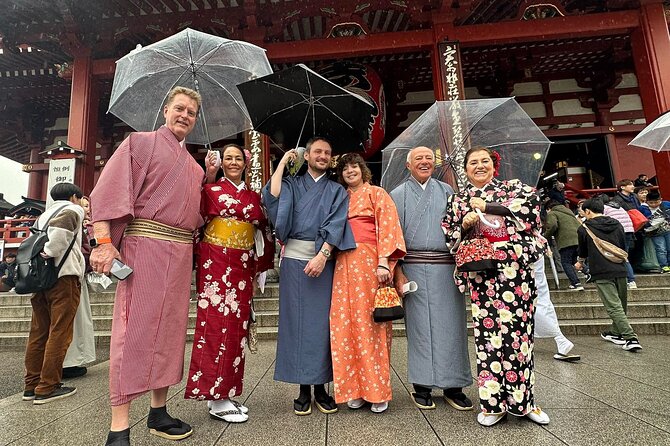
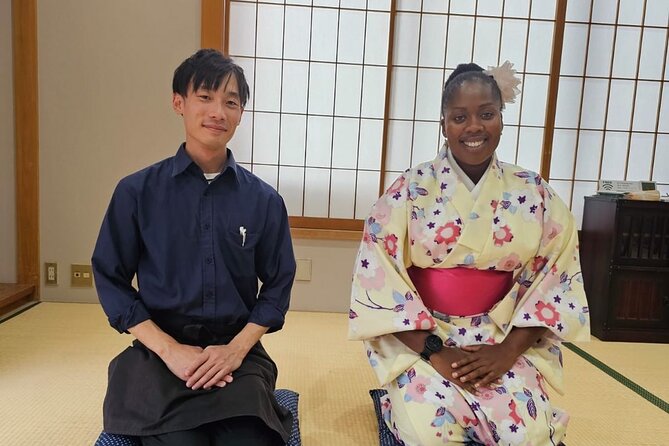
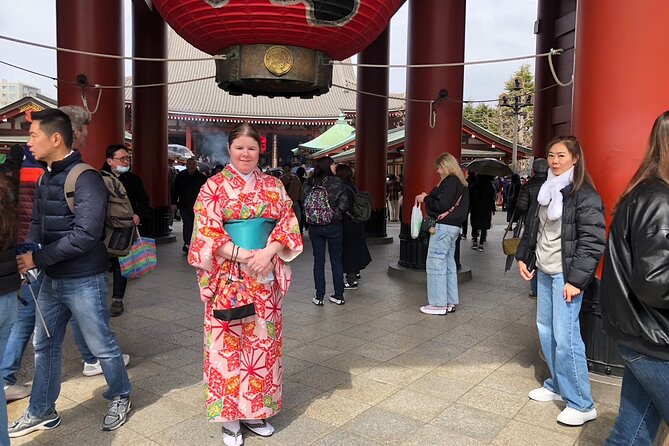
Before you hit the streets, you’ll get help dressing in your choice of traditional or modern kimono, complete with the sash belt (obi). This isn’t just about looking good for pictures. Getting your clothing adjusted correctly changes how comfortable you feel while walking, and it helps you participate in the tea ceremony without awkwardness.
You’ll also wear wooden sandals, which look iconic and feel very different from sneakers. The practical tip is to wear socks and go slow for the first few minutes until you get the rhythm. If you’re worried about balance or you’re not used to walking in sandals, this is still doable, just treat it like a “take your time” day rather than a marathon.
This is the part I’d prioritize even if you came to Tokyo with no interest in kimono. The transformation is quick, the photos are naturally better, and it sets the tone for the rest of the tour. Also, the tour is very clear about dress expectations: skip jeans and sneakers for the ceremony itself. You’ll look more correct, and you’ll feel more “in it.”
If you want to level it up, there are options for hairstyling or even an overnight kimono rental for an extra cost. That’s useful if you’re the type who likes to keep the outfit going into dinner plans after the tour ends.
Sensō-ji temple walk: the calm part of a busy area
The tour begins with a stop at Sensō-ji Temple for about an hour, with admission listed as free. This is where you get the first big sense of place. It’s not only the temple itself; it’s also the surrounding approach that sets up the rest of the day, including how people move through the space and how the architecture frames the experience.
With a guide, you’re not just reading plaques. You’re getting context that helps the sights make sense. One thing that comes through strongly in the tour approach is the storytelling style—especially from guide Adam, who shares background on living in Japan and the small details that make culture feel real instead of distant.
A practical note: one hour is long enough to take photos and get your bearings, but short enough that you won’t feel trapped. If you’re the kind of person who likes quiet moments, this is your best window before the shopping street energy ramps up later.
Potential drawback to keep in mind: if you’re very sensitive to crowds, the temple area can still feel busy depending on the time of day. The small group size helps, but plan to move with the flow rather than expecting empty space.
Nakamise shopping street and Kaminarimon: where food and souvenirs meet
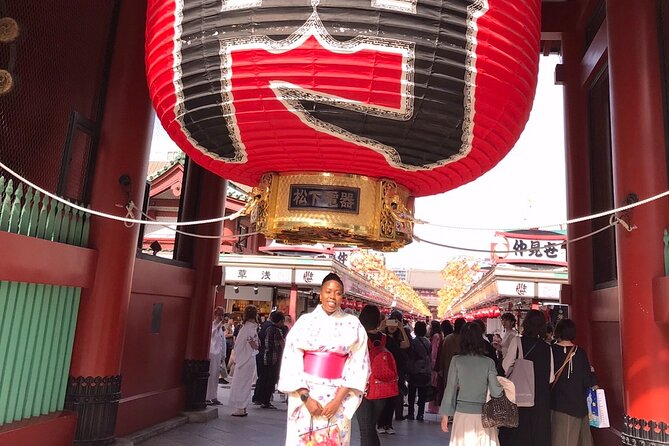
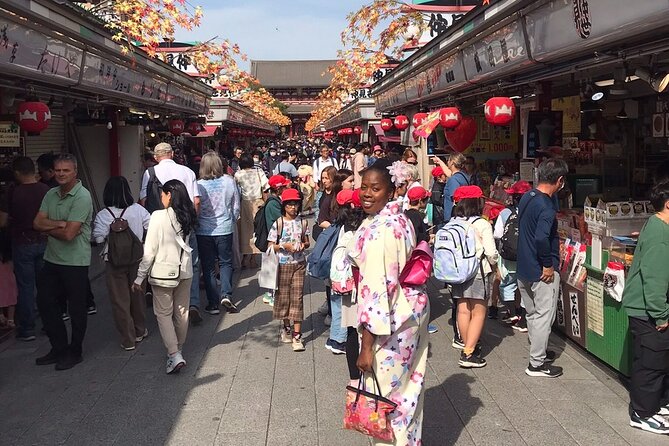
Next you’ll spend about two hours along Nakamise Shopping Street toward Senso-ji, plus time at Kaminarimon (the outer gate leading to the temple complex). Nakamise runs roughly 250 meters as the main approach, and the street is packed with shops selling traditional souvenirs and snacks.
This is where your kimono turns from “nice photo moment” into a conversation starter. People notice the outfit, and you’ll likely find the shopping rhythm easier when you’re in the right mindset. It’s also a good place to buy small edible gifts you can bring home, though you may want to confirm what types of items your guide suggests or where they plan to stop for tastings.
Then there’s Kaminarimon, with its lantern and statues. Even if you’re not a gate-spotter, it’s a landmark that photographers love because it gives you instant structure to your shots: gate in front, temple approach behind, kimono colors framing everything nicely.
The only real consideration here is time management. Nakamise is fun, and it’s easy to drift into “just one more shop” mode. Since the tour also includes food stops and a tea ceremony, it helps to keep an eye on the overall flow so you don’t accidentally squeeze out the best parts later.
The tea ceremony: etiquette, flavor, and why the timing matters
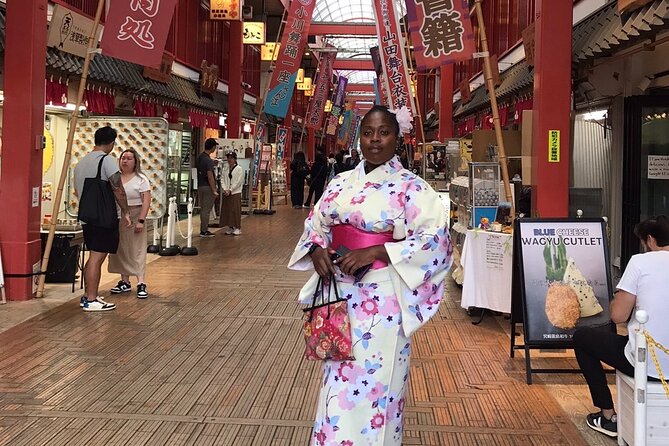
After the street and gate stops, you’ll participate in the tea ceremony experience. Tea ceremonies are often explained as formal and strict, but what you actually want as a participant is clarity: what to do, how to sit, what to focus on, and how to respect the moment without turning it into stress.
This tour is set up so you’re dressed appropriately before you start. That matters. You’ll be able to focus on the ceremony itself rather than thinking about how your outfit works or whether you look out of place. Also, the guide can help you understand what you’re seeing, which makes the ceremony feel like part of the day rather than a separate show.
You’ll also get photo opportunities along the way, and the ceremony timing typically gives you that “posed but not forced” set of moments. If you enjoy learning through observation, this is the part that tends to stick. You’ll leave with more than souvenirs—you’ll leave with a memory of how the experience felt in real time.
What’s included around this section is also worth noting: you’ll have soft drinks and water, plus later food and sweets that keep the day from feeling too slow or too ceremonial. It’s a balanced structure—culture first, then flavor.
More tea rooms our readers rated
- Matcha Making Class in Tokyo with Authentic Japanese Sweets Set★ 5.0 · 744 reviews
- Tokyo: Traditional Tea Ceremony with a Tea Master★ 5.0 · 528 reviews
- Tokyo: Matcha Making Experience with Mochi Sweets in Asakusa★ 4.9 · 388 reviews
- Tokyo: Matcha and Kimono Experience★ 4.7 · 219 reviews
- Tea Ceremony Workshop in Tokyo by the Experienced Instrucor★ 5.0 · 189 reviews
Food stops that actually feel like Japan, not just a checklist
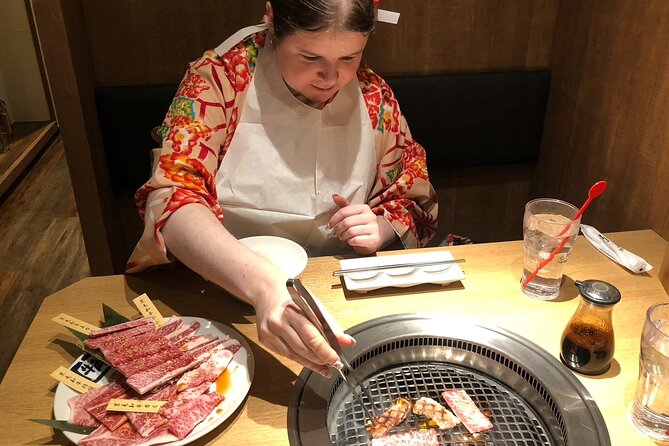
This is called a kimono and tea ceremony with a food tour feel, and it delivers on the eating. Your included meals and snacks cover both comfort sweetness and a serious centerpiece.
A5 Wagyu experience (the big value moment)
One of the included highlights is an A5 Wagyu beef experience. This is the kind of item that can double the cost of a regular walking tour if you try to buy it on your own at the right place. Here, it’s part of the package, which means you’re paying for access and planning, not just ingredients.
Ice cream and local desserts
You’ll also get ice cream & local desserts. This works well in Asakusa because it matches the street environment. You’re tasting while you walk, then you’re tasting again later, so the day feels like a sequence of flavors rather than one rushed meal.
Soft drinks and water
The tour includes two soft drinks and water. That’s helpful on a day that includes walking in sandals, time around temple crowds, and a seated ceremony. It keeps things comfortable without pushing you toward spending extra.
Alcohol is not included
Alcoholic drinks aren’t included, though they’re available to purchase for those 18 and above. If you want alcohol, you’ll add it separately.
One extra detail I like from the way this tour runs: the guide stays flexible about pacing and priorities. In one case, the group shifted the plan to spend more time on other activities, showing that the experience isn’t locked to a rigid script. That matters if you like a bit of control over your day, even within a structured tour.
The pacing: 4 hours that feel full, not frantic
The tour runs about 4 hours and starts at 11:00 am. It ends back at the meeting point, so you’re not dealing with complicated drop-offs or trying to navigate across town right after the tour ends.
Because it’s half-day, you can treat this as your “Asakusa block.” Afterward, you still have the afternoon open for things like other neighborhoods, viewpoints, or a casual dinner where you can keep your kimono vibe going if you rented longer.
A realistic tip: plan your clothing and footwear choices around the kimono day. The tour provides wooden sandals, but you’ll likely spend time walking between sights. If you’re sensitive to leg fatigue, bring a light plan for how you’ll recover later—short break time, water, and a simple dinner.
The tour is also positioned as something that most people can participate in, but it does involve walking and being upright for portions of the day. If you have mobility concerns, you’ll want to consider whether the sandals and temple-area footpaths will be comfortable for you.
Where you meet and how to find it fast
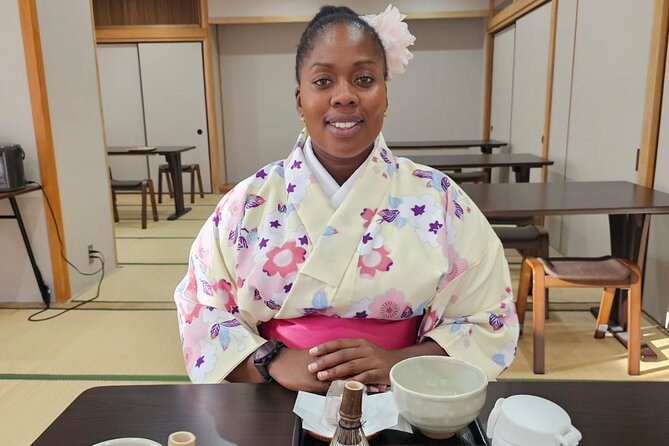
You meet at the Asakusa Culture Tourist Information Center at 2-chōme-18-9 Kaminarimon, Taito City, Tokyo 111-0034, Japan, and the tour ends back at the same place.
It’s listed as near public transportation, which is a huge advantage in Tokyo. You can build the rest of your day around the neighborhood, rather than planning complicated transfers. Also, you’ll have a mobile ticket, and confirmation is received at booking.
One practical thing to do: arrive a few minutes early and take a minute to orient yourself around the Kaminarimon area. When you’re starting a kimono day, being calm at the beginning makes everything else smoother.
Price and value: what $290 buys you (and why it can be worth it)
At $290 per person, this isn’t a budget add-on. But it’s also not just a short sightseeing walk. You’re paying for a bundle of things that are hard to assemble alone without either paying more or doing more planning yourself.
Here’s what the price includes:
- Kimono experience with dressing help (kimono, obi, wooden sandals)
- Tea ceremony experience
- Walking tour component through Asakusa
- A5 Wagyu beef experience
- Ice cream & local desserts
- 2 soft drinks and water
- Intimate group size capped at 8 people
That matters because each one of those items can cost extra on its own. Even if you don’t eat wagyu often, the included centerpiece is a clear value anchor. And because you’re in a guided format, you get context that changes the way you experience the sights—not just a checklist photo stop.
If you’re traveling with someone who loves culture but hates planning, this is also strong value. You show up, you dress properly, you eat, and you get a guided story arc from temple to tea.
On the flip side, if you’re only interested in a quick photo at the gate and you’d rather snack from convenience stores, then $290 may feel heavy. In that case, you might prefer a self-guided Asakusa day. But if you want the kimono and tea ceremony parts, plus an elevated food meal, the package adds up.
Who should book this kimono and tea ceremony tour
This tour is a great match if you:
- Want a small-group experience with personal attention
- Like hands-on culture, not only sightseeing
- Care about eating well in a structured way
- Want the kimono day without worrying about how to get dressed
It’s also a good fit if you enjoy meeting new people. The small group format means you might end up sharing the experience with a mix of couples and individuals, which can make the day feel lively without becoming chaotic.
If you’re on a tight schedule with no room for a half-day, you might still like it, but you’d have less flexibility to enjoy Asakusa before or after. If you’re very focused on shopping above all else, you’ll have fun, just don’t expect endless time to browse every Nakamise stall.
Should you book this Asakusa kimono + tea day?
My take: book it if you want a Tokyo experience that goes beyond photos. The combination of proper kimono dressing, a real tea ceremony, and a real food payoff (including A5 Wagyu) makes this feel like more than a theme day.
Skip it if you’re strictly cost-focused, or if you know you don’t enjoy ceremonies or don’t want to handle clothing and sandals for a few hours. Also, go in with the expectation of a compact route. The 4-hour format is designed to cover highlights, so you’ll still need time later if you want to shop deeply.
If you’re deciding last-minute, you can cancel for a full refund up to 24 hours before the experience starts, which gives you some breathing room to lock in plans without panic.
If you want one strong Asakusa plan that feels authentic and practical at the same time, this is one of the better ways to do it.
FAQ
How long is the kimono and tea ceremony tour?
The tour lasts about 4 hours.
What time does the tour start?
It starts at 11:00 am.
Where do I meet for the tour?
You meet at Asakusa Culture Tourist Information Center, 2-chōme-18-9 Kaminarimon, Taito City, Tokyo 111-0034, Japan.
What’s the group size?
The tour is capped at a maximum of 8 travelers.
What’s included in the experience?
You’ll get the kimono experience and the tea ceremony, plus food and drinks including 2 soft drinks and water, an A5 Wagyu beef experience, ice cream, and local desserts.
Are alcoholic drinks included?
No. Alcoholic drinks are available to purchase separately, and the listing notes it’s for ages 18 and above.
Is hotel pick-up or drop-off included?
No hotel pick-up or drop-off is included.
Can I add hairstyling or an overnight kimono rental?
Yes. Hairstyling or an overnight kimono rental is available for an extra cost.
More Kimono Photo Shoots
- Tokyo: Kimono Dressing, Walking, and Photography Session
★ 4.9 · 427 reviews - Let’s make kimono !(Kimono is a gift for you
★ 5.0 · 252 reviews - Tokyo: Matcha and Kimono Experience
★ 4.7 · 219 reviews - Tokyo: Asakusa Kimono Dressing and Matcha Experience
★ 4.9 · 173 reviews - Asakusa: Kimono Tea Ceremony with Matcha and Sweet
★ 4.9 · 153 reviews
More Tea and Matcha Rooms
- Matcha Making Class in Tokyo with Authentic Japanese Sweets Set
★ 5.0 · 744 reviews - Tokyo: Traditional Tea Ceremony with a Tea Master
★ 5.0 · 528 reviews - Tokyo: Matcha Making Experience with Mochi Sweets in Asakusa
★ 4.9 · 388 reviews - Tokyo: Matcha and Kimono Experience
★ 4.7 · 219 reviews - Tea Ceremony Workshop in Tokyo by the Experienced Instrucor
★ 5.0 · 189 reviews
More Mornings in Old Asakusa
- Tokyo: Japanese Dance Cabaret Theater Asakusa-Kaguwa Ticket
★ 4.8 · 2,270 reviews - Tokyo: Meiji Shrine, Asakusa, Skytree Bus Tour and Cruise
★ 4.7 · 1,986 reviews - Tokyo: Roll and Authentic Sushi Making Class in Asakusa
★ 4.9 · 1,957 reviews - Tokyo: Asakusa Walking Tour with Sensoji Temple Visit
★ 4.8 · 1,583 reviews - Tokyo Asakusa Rickshaw Tour
★ 5.0 · 1,375 reviews
Latest Tokyo reviews off our desk






Asakusa & Sensoji Tours, compared.
 ★ 4.8Japanese Dance Cabaret Theater Asakusa-Kaguwa TicketFrom $492,270 reviews
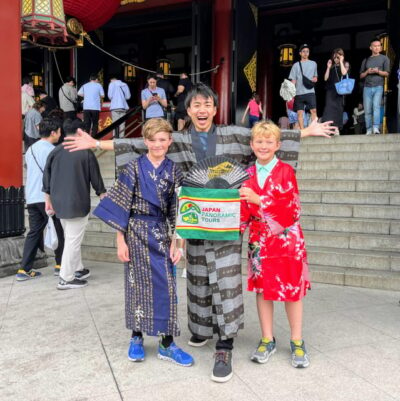 ★ 4.7Meiji Shrine, Asakusa, Skytree Bus Tour and CruiseFrom $1221,986 reviews
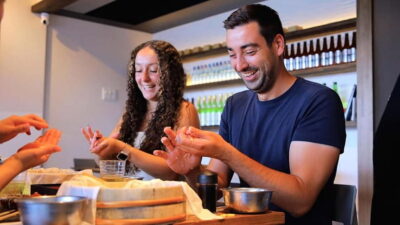 ★ 4.9Roll and Authentic Sushi Making Class in AsakusaFrom $581,957 reviews
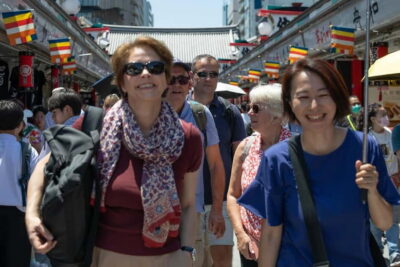 ★ 4.8Asakusa Walking Tour with Sensoji Temple VisitFrom $221,583 reviews
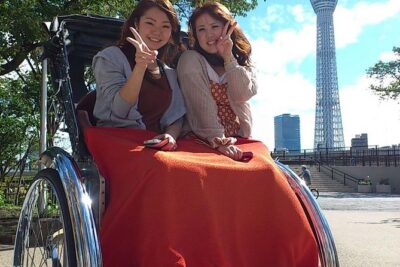 ★ 5.0Tokyo Asakusa Rickshaw TourFrom $421,375 reviews
 ★ 4.5Tokyo Panoramic 1 Day: Meiji Shrine, Asakusa, Odaiba and SKYTREE®From $851,222 reviews
 ★ 5.0Tokyo Go Kart: Asakusa, Skytree, and Akihabara **IDP MUST**From $99988 reviews
 ★ 4.7Asakusa, Skytree & Akhihabara Go-Kart City ExperienceFrom $96761 reviews
Browse the lists this tour appears in