
Reviewed · TEA CEREMONY & MATCHA
2 Hours Mochi &Nerikiri Making & Matcha Class in Bunkyo
Two hours, three kinds of Japanese sweetness. This private class in Bunkyo turns mochi, dango, and nerikiri into something you can actually make and repeat, not just admire. What I like most is the hands-on, one-table setup led by Yuko, plus the chance to work with matcha as part of the experience, not as an afterthought.
I also really like how the lesson stays practical: the sweets are designed for beginners, and you get personalized guidance at your pace. One thing to consider is that this is a home setting, so you’ll want to bring a calm, hands-on attitude and expect a small, cozy space rather than a big cooking studio.
In This Review
- Key Things I’d Plan Around
- Mochi and Nerikiri in 2 Hours: Why This Works in Real Life
- Your Class Starts in a Bunkyo Home With a Real Kitchen Feel
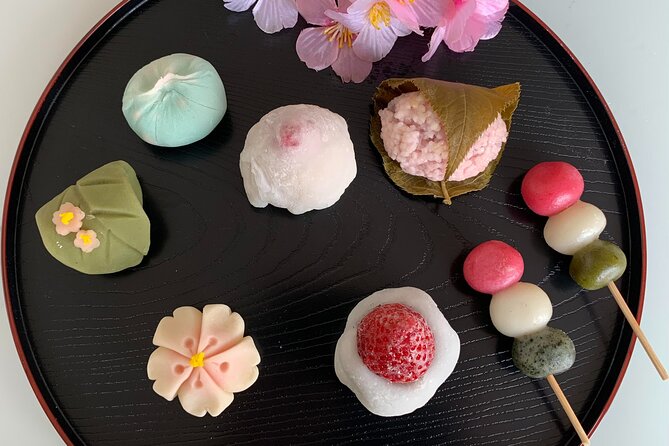
- Picking Your Course: Mochi, Dango, Nerikiri (and Mixing Them)
- Mochi course (often linked to New Year and new beginnings)
- Dango course (connected to special events)
- Nerikiri course (often tied to the tea ceremony world)
- Combination course: Mochi + Dango + Nerikiri
- What You Actually Do: Step-by-Step Making (Not Guesswork)
- Matcha and Tea: The Flavor Pairing With Cultural Context
- Meet Yuko: Bilingual Instruction and Wagashi Association Training
- What’s the Real Value at $78.83 for 2 Hours?
- Getting There: Central Bunkyo Is the Advantage
- Who This Class Is Best For (And When to Skip)
- Should You Book This Bunkyo Mochi and Matcha Class?
- FAQ
- How long is the mochi and nerikiri making class?
- Where do I meet for the class in Tokyo?
- Is this class private?
- What sweet course options are available?
- Does the instructor speak English?
- What is the cancellation policy?
Key Things I’d Plan Around
- Private, one-group class: you’re not competing for attention in a large room
- Yuko’s step-by-step teaching: clear technique plus time to correct your shaping
- Choose your sweet type: Mochi, Dango, Nerikiri, or a combination course
- Cultural meaning built in: New Year, special events, and tea ceremony links
- Matcha and tea are part of it: you’ll taste and connect the flavors to the sweets
- Designed for beginners: you can learn without prior Japanese cooking experience
Mochi and Nerikiri in 2 Hours: Why This Works in Real Life
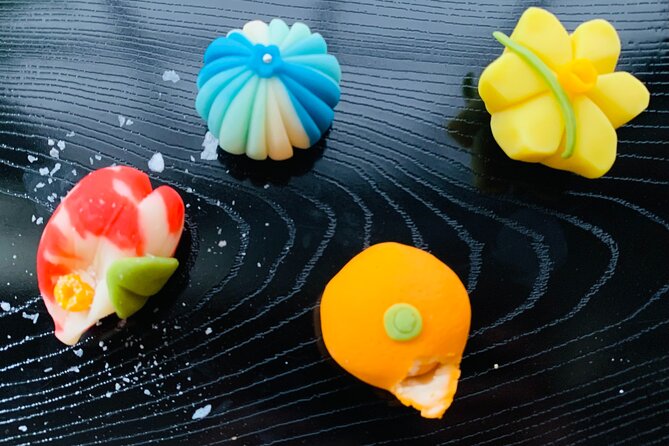
Japanese sweets can feel intimidating from afar. Mochi looks simple until you try it; nerikiri can look like tiny edible sculptures. The reason this class is such a good “vacation win” is that it’s built for a short time and a real learning curve.
You’ll be doing actual making, not only watching. And because it’s private, the pace is under your control. If you need to slow down to get the motion right, you can. If you pick things up fast, you still get more practice rather than getting rushed.
For me, the best value is the mix of technique and context. You’re not just forming dough. You’re learning why these sweets show up for New Year, special events, or tea ceremony moments, depending on the sweet type you choose. That kind of understanding makes the final sweets feel more meaningful when you take that first bite.
More tea rooms our readers rated
- Matcha Making Class in Tokyo with Authentic Japanese Sweets Set
★ 5.0 · 744 reviews - Tokyo: Traditional Tea Ceremony with a Tea Master
★ 5.0 · 528 reviews - Tokyo: Matcha Making Experience with Mochi Sweets in Asakusa
★ 4.9 · 388 reviews - Tokyo: Matcha and Kimono Experience
★ 4.7 · 219 reviews
Your Class Starts in a Bunkyo Home With a Real Kitchen Feel
This workshop takes place in a Japanese home in Bunkyo, near public transportation. That matters. Tokyo has plenty of slick, tourist-friendly experiences. This one leans into daily-life authenticity: a dining/kitchen space where you sit down, learn, and eat what you make.
You meet at 1-chōme-27-8 Sekiguchi in Bunkyo City, and the activity ends back there. Start time is 10:00 am, and the whole class runs about 2 hours. That timing is helpful when you’re planning other neighborhoods the same day. You’re not stuck for half a day, and you’re not forced into a late evening slot.
One of the most praised aspects of the class is the warm, family-like feeling. Multiple participants describe being welcomed at the door and treated with genuine attention. You can also expect a single-group feel, which is why it works so well for families and solo travelers. If you like cooking classes where you can ask questions freely, this setup fits that style.
Picking Your Course: Mochi, Dango, Nerikiri (and Mixing Them)
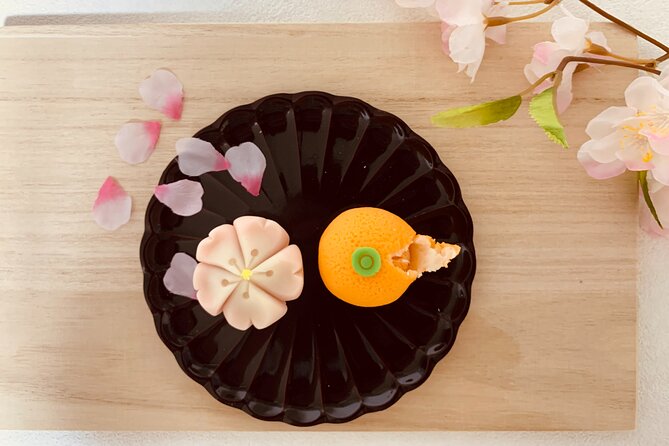
You get three main options, each tied to a different kind of wagashi experience:
Mochi course (often linked to New Year and new beginnings)
Mochi is the doughy sweet that turns up for New Year and also shows up around “new start” themes. In the class structure, you’ll learn the techniques behind shaping and working with mochi so it doesn’t feel mysterious.
Dango course (connected to special events)
Dango is typically associated with seasonal moments and special occasions. This course option is a great fit if you want something that feels more like a familiar snack shape, but still learn the wagashi logic behind it.
Readers also shortlisted these Tokyo bookings:
- Sushi Making Tokyo Roll and Authentic Japanese Sushi Class★ 5.0 · 3,971 reviews
- Tokyo: Roll and Authentic Sushi Making Class in Asakusa★ 4.9 · 1,957 reviews
- Tokyo Shinjuku Chopsticks Making Class★ 5.0 · 1,763 reviews
- Tokyo: Sushi Making Class in a Happi Coat near a Famous Spot★ 4.9 · 1,377 reviews
- Chopstick Making Workshop in Ginza★ 4.8 · 1,366 reviews
Nerikiri course (often tied to the tea ceremony world)
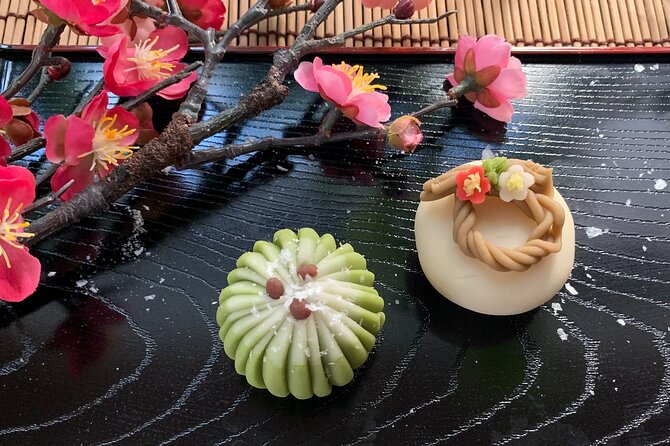
Nerikiri is where wagashi becomes art. Many people choose it because it has that classic tea ceremony association. The class approach, based on what participants describe, emphasizes design and shaping skills, with enough guidance to get satisfying results even if it’s your first time.
Combination course: Mochi + Dango + Nerikiri
If you can swing the cost and want the widest range, the combination option is a smart way to sample multiple textures and techniques in one sitting. It also helps if you can’t decide what you’re most curious about.
If you’re traveling with kids or you want the most beginner-friendly entry, I’d choose the course that matches your taste first (soft chewy mochi vs. nerikiri shapes) and then use the lesson as your technique upgrade.
What You Actually Do: Step-by-Step Making (Not Guesswork)
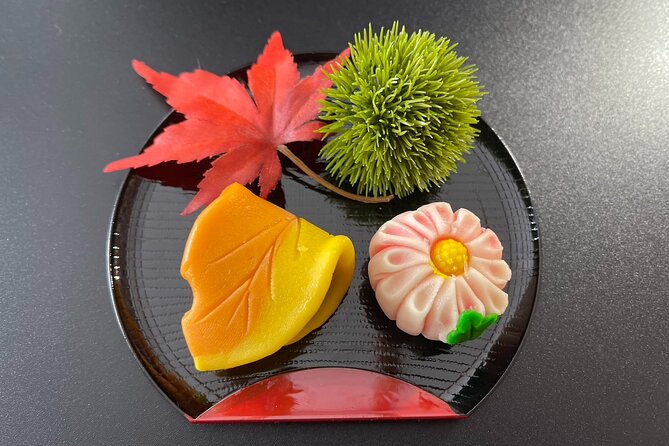
The core of the experience is learning the process by doing it. You’ll have a trained instructor, and she takes you through steps in a way that makes the technique feel repeatable at home later.
From participant feedback, the teaching style stands out:
- clear step-by-step pacing
- patient correction of shape and handling
- time to create your own designs
- a focus on both technique and meaning
In practical terms, expect to work with portions, shaping motions, and finishing details. Mochi and nerikiri in particular can look simple on video, but texture and pressure matter. Having someone show you the motion and then watch what you do makes a huge difference.
Another small detail that boosts your results: the class is set up like a one-table workshop. You’re not lost in a flow where everyone moves at once. That means you can actually practice the hand skills instead of only copying. And because you’re in a private class, you can ask why something works, not only how to do it.
Matcha and Tea: The Flavor Pairing With Cultural Context
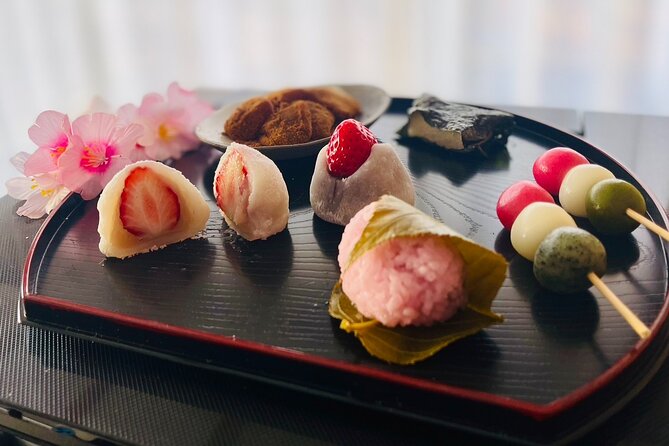
This is a mochi and matcha class, so you’ll work with matcha and you’ll also be treated to tea during the experience. Some participants mention starting with tea and then finishing with matcha, and others highlight a tea ceremony aspect.
What that means for you is simple: you get a full taste arc. You don’t just eat sweets. You taste them alongside the drink that belongs with the culture you’re learning about.
The most helpful part is the way the instructor connects flavor to sweet type. You learn that:
- mochi is often tied to New Year and new beginnings
- dango connects to special events
- nerikiri fits naturally into the tea ceremony setting
Once you understand that, the class stops feeling like a craft project and becomes a small culture lesson with something delicious at the end.
If you like food that tells a story, this is the kind of class that gives you that. And if you prefer pure practicality, you’ll still appreciate it because it helps you remember what each sweet is supposed to be like.
Meet Yuko: Bilingual Instruction and Wagashi Association Training
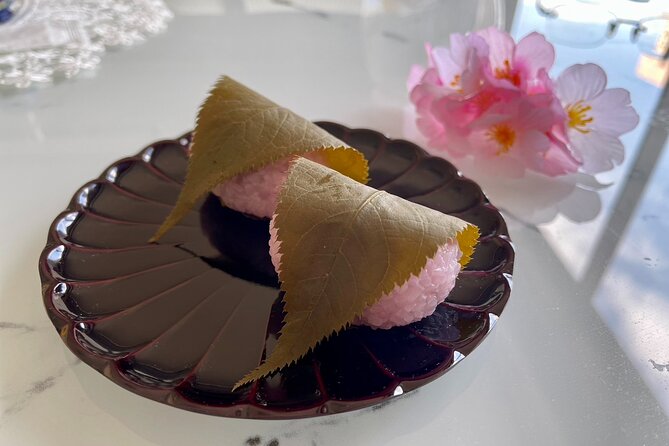
The instructor for the class is Yuko. She teaches in a bilingual format and is trained by the Wagashi Association of Japan. That matters more than it sounds.
Bilingual teaching improves more than comfort. It helps you understand the “why” behind the motions: why certain shapes matter, why ingredient behavior changes texture, and how tradition connects to technique. When participants mention being explained the significance and history behind the desserts, that’s exactly the kind of context this background supports.
Yuko also tends to teach with a calm, attentive rhythm. Many reviews emphasize patience and personalization. In a private setting, that translates into fewer mistakes and more satisfying results. You’re not just following directions; you’re being coached.
Also, the atmosphere is described as homely and relaxed. People talk about relaxing, enjoying the view, and chatting while they work. That balance is important in Tokyo, where many food experiences feel rushed or performative. Here, you get a slower pace.
What’s the Real Value at $78.83 for 2 Hours?
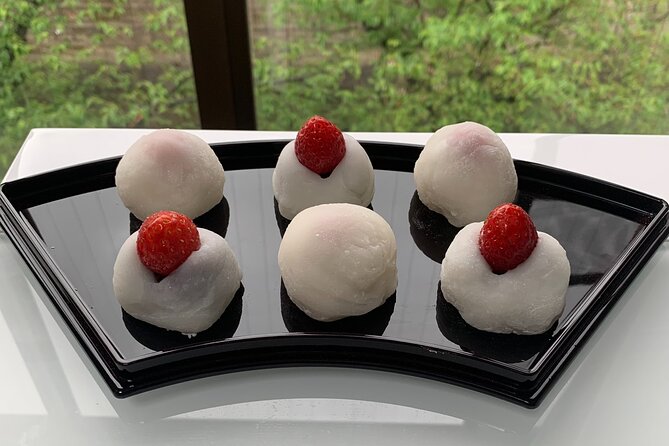
At $78.83 per person for about 2 hours, this is not the cheapest food activity in Tokyo. But the value makes sense if you look at what you get:
- Private instruction (not a crowded class)
- real hands-on practice with shaping and finishing
- multiple sweet types possible depending on what you choose
- cultural context tied to the sweet type
- matcha/tea included as part of the experience
In Tokyo, group workshops can be cheaper, but you often lose the “coach watching your hands” part. This class keeps the focus on you and your pace. That’s why families and solo travelers both rate it so highly: everyone gets time with the instructor.
There’s another value angle: you’re learning skills you can practice later at home. Even if you don’t replicate everything perfectly, you’ll understand the technique logic. That turns your vacation meal into a repeatable takeaway.
One more practical note: the class is commonly booked about 38 days in advance. That suggests it’s popular and schedules do fill. If you want a specific course option, planning ahead is your friend.
Getting There: Central Bunkyo Is the Advantage
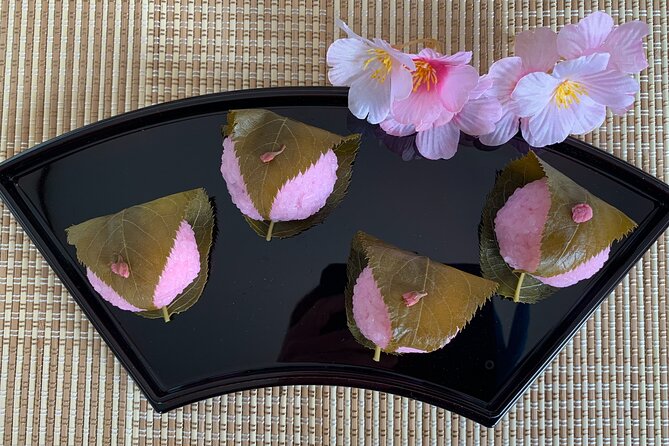
The meeting point is in Bunkyo City, Sekiguchi. It’s also described as easy to reach with nearby public transportation. For most people, that’s the difference between enjoying your day and rushing.
Because the class starts at 10:00 am and ends back at the meeting point, you can fit it into a morning plan. You don’t need to design a complicated afternoon route around it.
What I’d do if I were planning your day: map the exact address at Sekiguchi and give yourself a little buffer. In a home-based workshop, you’ll want to arrive on time so you can settle, start with tea, and begin making without pressure.
Also, because you get a mobile ticket, you’ll want your phone charged and ready. In a residential area, a quick check-in goes a long way.
Who This Class Is Best For (And When to Skip)
This is a great fit if you:
- want a true food craft experience, not just a tasting
- like private lessons or a small, calm class setting
- travel with family (kids often do well with the hands-on format)
- care about the culture behind food—New Year, special events, tea ceremony
- have a sweet tooth and want to leave with something you made
It may be less ideal if you:
- want a big, high-energy “show” environment
- dislike home settings (cozy and personal can feel too close for some people)
- only want sightseeing and prefer to keep meals strictly casual
The sweet spot here is “I want to learn, eat, and take home skills.” If that’s you, you’ll probably feel like the money bought real attention and real practice.
Should You Book This Bunkyo Mochi and Matcha Class?
I think you should book it if you want a short, skill-based cultural experience that ends with actual sweets and a drink pairing. The private setup is the main reason: it turns wagashi from a vague idea into something you can repeat. The instructor, Yuko, is repeatedly described as patient, attentive, and step-by-step in how she guides mochi and nerikiri making, with cultural context tied to each sweet type.
If you’re on the fence, here’s a simple decision rule:
- Choose the course that matches what you want to eat most (mochi, dango, or nerikiri), then commit to learning the technique.
- If you can handle the flexibility and cost, the combination course is the best way to sample the widest range of wagashi in one visit.
If you want to be extra prepared, bring curiosity and a relaxed attitude. You’ll do better with wagashi if you stop thinking of it as a test and start thinking of it as a guided craft.
FAQ
How long is the mochi and nerikiri making class?
The class lasts about 2 hours.
Where do I meet for the class in Tokyo?
You meet at 1-chōme-27-8 Sekiguchi, Bunkyo City, Tokyo 112-0014, Japan. The activity ends back at the meeting point.
Is this class private?
Yes. It’s a private tour or activity, and only your group participates.
What sweet course options are available?
You can choose a Mochi | Dango course, a Nerikiri course, or a combination Mochi | Dango | Nerikiri course. The class also highlights mochi (New Year/New Birth), dango (special events), and nerikiri (tea ceremony).
Does the instructor speak English?
The class is presented by a bi-lingual instructor who is native-Japanese and trained by the Wagashi Association of Japan.
What is the cancellation policy?
Free cancellation is available up to 24 hours in advance for a full refund. Canceling less than 24 hours before the start time is not refunded.
More Workshops in Tokyo
- Sushi Making Tokyo Roll and Authentic Japanese Sushi Class
★ 5.0 · 3,971 reviews - Tokyo: Roll and Authentic Sushi Making Class in Asakusa
★ 4.9 · 1,957 reviews - Tokyo Shinjuku Chopsticks Making Class
★ 5.0 · 1,763 reviews - Tokyo: Sushi Making Class in a Happi Coat near a Famous Spot
★ 4.9 · 1,377 reviews - Chopstick Making Workshop in Ginza
★ 4.8 · 1,366 reviews
More Tour Reviews in Tokyo
- Mt Fuji and Hakone 1-Day Bus Tour Return by Bullet Train
★ 5.0 · 26,383 reviews - 1-Day Tokyo Bus Tour
★ 5.0 · 14,250 reviews - Tokyo: teamLab Planets TOKYO Digital Art Museum Entry Ticket
★ 4.6 · 9,779 reviews - Mt Fuji & Hakone Cruise, Drum Show Bullet Train 1 Day from Tokyo
★ 4.0 · 7,413 reviews - Tokyo: Shinjuku Food Tour (13 Dishes at 4 Local Eateries)
★ 5.0 · 6,603 reviews
More Tea and Matcha Rooms
- Matcha Making Class in Tokyo with Authentic Japanese Sweets Set
★ 5.0 · 744 reviews - Tokyo: Traditional Tea Ceremony with a Tea Master
★ 5.0 · 528 reviews - Tokyo: Matcha Making Experience with Mochi Sweets in Asakusa
★ 4.9 · 388 reviews - Tokyo: Matcha and Kimono Experience
★ 4.7 · 219 reviews - Tea Ceremony Workshop in Tokyo by the Experienced Instrucor
★ 5.0 · 189 reviews
Latest Tokyo reviews off our desk






Tea Ceremony & Matcha, compared.
 ★ 5.0Matcha Making Class in Tokyo with Authentic Japanese Sweets SetFrom $21744 reviews
 ★ 5.0Traditional Tea Ceremony with a Tea MasterFrom $38528 reviews
 ★ 4.9Matcha Making Experience with Mochi Sweets in AsakusaFrom $22388 reviews
 ★ 4.7Matcha and Kimono ExperienceFrom $57219 reviews
 ★ 5.0Tea Ceremony Workshop in Tokyo by the Experienced InstrucorFrom $38189 reviews
 ★ 4.9Asakusa Kimono Dressing and Matcha ExperienceFrom $56173 reviews
 ★ 4.9Asakusa: Kimono Tea Ceremony with Matcha and SweetFrom $66153 reviews
 ★ 5.0Make Traditional Nerikiri Sweets & Matcha experience in ShibuyaFrom $60130 reviews
Browse the lists this tour appears in