
Reviewed · TEA CEREMONY & MATCHA
Tokyo Small-Group Ramen, Gyoza & Matcha Class with a Pro Chef
A ramen class can be hands-on. This one mixes miso ramen technique, gyoza shaping, and matcha making in a tight small group.
I like that the chef teaching style is paced for each person, not one-speed-fits-all, and I like that you leave with take-home recipes you can actually use. One watch-out: this class is not set up for dietary restrictions like halal, vegetarian, vegan, or gluten-free.
In This Review
- Key highlights before you go
- Zoshigaya access: why the location makes sense
- What you’ll cook in 2 hours: ramen, gyoza, and the key techniques
- Why the ramen part feels different (and useful)
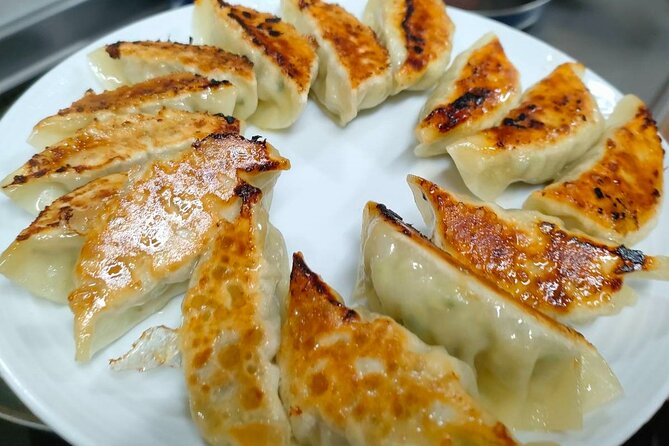
- The gyoza lesson: shaping, cooking, and avoiding the usual mistakes
- Matcha and sweets: a tea moment that’s not an afterthought
- Small-group pacing: why group size is part of the quality
- What’s included (and what isn’t) in your meal
- Alcohol add-on: simple, cash-based, and optional
- Dietary limits: make sure you can eat what’s offered
- Price and value: is $104.51 worth it?
- Who this class fits best (and who should skip it)
- The small practical details that make it easier
- Should you book Tokyo Small-Group Ramen, Gyoza & Matcha with a Pro Chef?
- FAQ
- What dishes are included in the class?
- How long is the cooking class?
- How big is the group?
- Do I get take-home recipes?
- Can the class accommodate dietary restrictions like halal, vegetarian, or gluten-free?
- Is alcohol included?
Key highlights before you go
- Max group size of 4 means more attention and fewer standing-around minutes.
- Pro chef instruction for dashi, miso ramen, and gyoza, with an English-speaking guide.
- You cook dinner: miso ramen & gyoza plus matcha and Japanese sweets.
- Take-home recipes and aprons so the experience keeps paying off after Tokyo.
- Ikebukuro + shrine stroll time nearby, before or after class, depending on your pace.
- Optional alcohol (cash) if you want it, but it’s not part of the base meal.
Zoshigaya access: why the location makes sense
This class meets in Zōshigaya (3-chōme-1-7 Zōshigaya, Toshima City). It’s a practical choice because you’re not stuck in a far-flung neighborhood for a short lesson. From Shibuya, you can reach it on the Fukutoshin Line in about one train ride, and the route takes you past familiar landmarks like Meiji Shrine and Shinjuku. That matters because Tokyo navigation can steal your energy. Here, you spend it cooking instead.
Once you’re done, the surrounding area gives you options. Near the classroom you can stroll at Kishimo Shrine, known for its red torii gates—nice for a quick reset after standing at a counter with hot ingredients. If you’d rather go full “Tokyo afternoon,” the nearby Ikebukuro station area makes it easy: you’ll find shopping streets and stops like Animate, the Pokémon Center, and electronics stores. In other words, you’re not punished for choosing a cooking class. You can turn the rest of your evening into something fun and low-stress.
More tea rooms our readers rated
- Matcha Making Class in Tokyo with Authentic Japanese Sweets Set
★ 5.0 · 744 reviews - Tokyo: Traditional Tea Ceremony with a Tea Master
★ 5.0 · 528 reviews - Tokyo: Matcha Making Experience with Mochi Sweets in Asakusa
★ 4.9 · 388 reviews - Tokyo: Matcha and Kimono Experience
★ 4.7 · 219 reviews
What you’ll cook in 2 hours: ramen, gyoza, and the key techniques
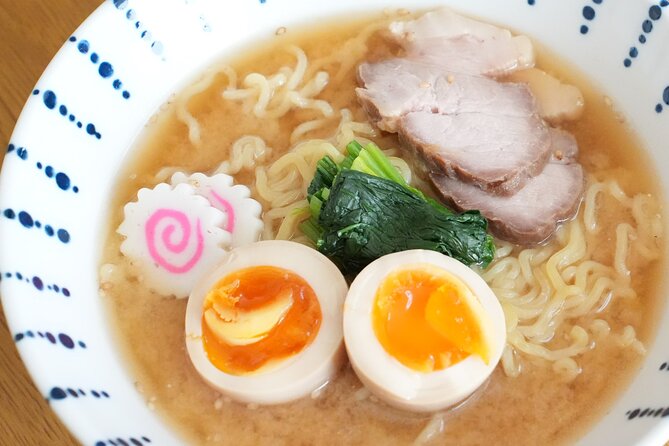
The class runs about 2 hours and centers on making a dinner miso ramen and gyoza from start to finish. The big win is the focus on fundamentals you can repeat later—especially the building blocks of Japanese flavor.
You’ll learn techniques that start with making dashi, the broth base that gives Japanese cooking its depth. Then it moves into cooking miso ramen with a richer flavor profile, and shaping and cooking gyoza so you end up with that satisfying juiciness inside the wrapper. The class also gives you easy-to-follow recipes. That sounds basic, but it’s what separates a fun meal from a skill you can bring home.
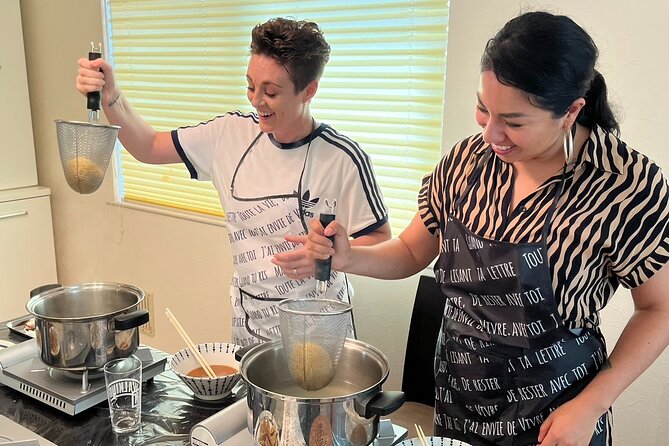
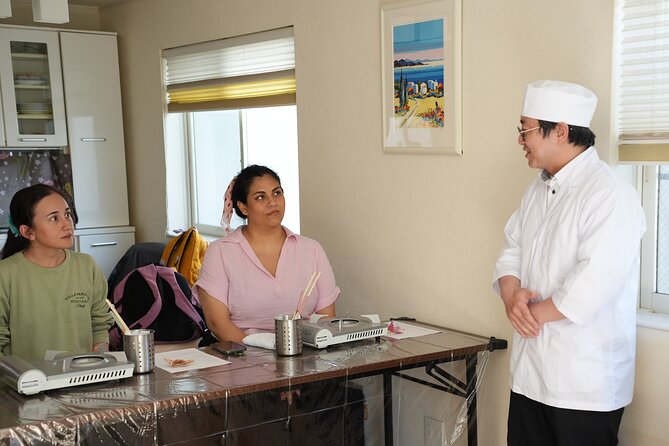
Because the group is small (max 4), you’re not forced to keep up with a fast-moving demo. The chef guides you at your pace, which is especially helpful for steps like mixing, tasting, or adjusting texture. Gyoza can be fiddly, and ramen timing is real. When the instructor can slow down for you—or speed up if you’re moving confidently—you get better results without turning the whole experience into stress.
Why the ramen part feels different (and useful)
Many people think ramen is just noodles and broth. In practice, it’s balance: broth depth, miso intensity, and the way heat and timing bring everything together. You’re not just eating ramen—you’re learning what creates its flavor and how to reproduce it later. That’s why I’d call this more than a single meal class.
Also, you’ll get clarification along the way. The guide communicates in English and explains ingredients and techniques clearly. If you’ve ever tried a recipe at home and couldn’t figure out why it tasted different, this kind of step-by-step coaching is what helps you fix that gap.
The gyoza lesson: shaping, cooking, and avoiding the usual mistakes
Gyoza is where home cooks often get stuck, even if they’re comfortable cooking. The wrapper can tear, filling can be too wet, or the final texture can fall flat if you lose control of cooking time.
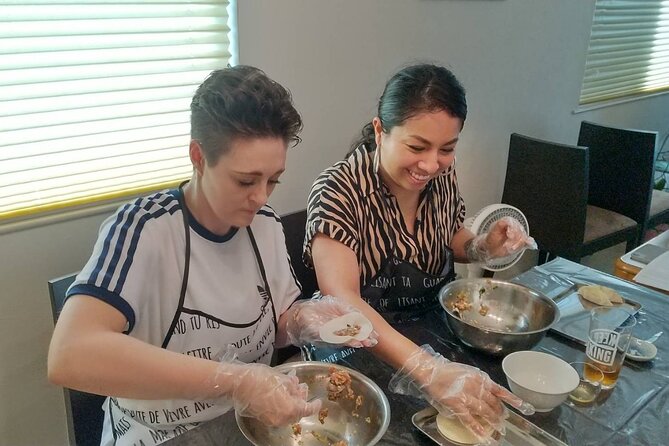
In this class, you get hands-on instruction for gyoza—especially shaping and cooking. The chef also helps you keep everything on track within the short 2-hour window, which is a big deal. You don’t want to spend your whole lesson worried that you’re doing it wrong.
A practical advantage here: since the class is small, you can ask questions without feeling rushed. The experience includes direct answers, and that kind of Q&A support is often what makes the difference between leaving with a recipe and leaving with confidence. One thing I like about classes like this is that your questions usually stop being random. You learn what matters most, and then the rest clicks.
Matcha and sweets: a tea moment that’s not an afterthought
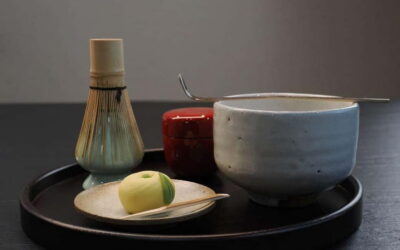
After the hot food work, you shift gears to matcha green tea. You’ll prepare your own matcha and then savor it with seasonal Japanese sweets. This is a meaningful part of the experience because matcha isn’t just a drink here—it’s part of how Japanese meals transition.
Even if you’ve had matcha before, making it yourself changes your understanding. You’ll focus on the act of preparation—how it looks, how it feels, and how it tastes when you do it the right way. Pairing it with Japanese sweets also helps you notice what the tea is doing: calming the palate after savory ramen and giving a slightly bitter-sweet contrast that makes the whole meal more complete.
If you care about tea culture, this portion is the easiest “culture win” to remember. It’s tactile. It’s not a lecture. You do it, taste it, and you get a small set of cues you can use again later.
Readers also shortlisted these Tokyo bookings:
- Sushi Making Tokyo Roll and Authentic Japanese Sushi Class★ 5.0 · 3,971 reviews
- Tokyo: Roll and Authentic Sushi Making Class in Asakusa★ 4.9 · 1,957 reviews
- Tokyo Shinjuku Chopsticks Making Class★ 5.0 · 1,763 reviews
- Tokyo: Sushi Making Class in a Happi Coat near a Famous Spot★ 4.9 · 1,377 reviews
- Chopstick Making Workshop in Ginza★ 4.8 · 1,366 reviews
Small-group pacing: why group size is part of the quality
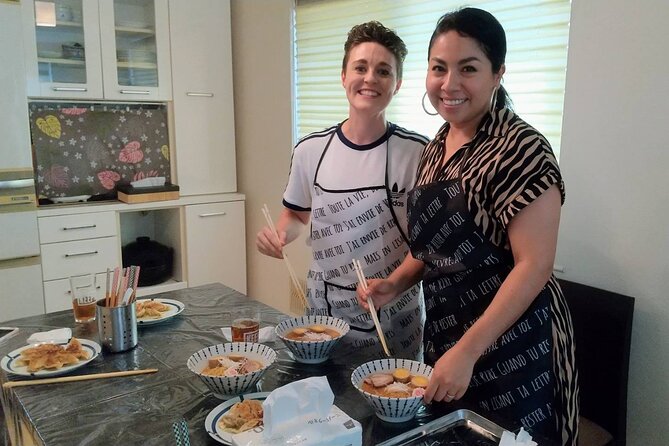
With a maximum of 4 travelers, the class is designed for attention. That shows up in the way the chef can guide you while you work. You’re not waiting for the instructor to notice your question. You’re not stuck in a corner watching someone else do the whole process.
This also keeps the lesson realistic. In a larger class, ramen timing and gyoza cooking can get chaotic. Here, your pace matters. If you’re more comfortable with cooking, you can move faster. If you’re learning from scratch, you can slow down. Either way, you get what you came for: the ability to recreate ramen and gyoza at home using the recipes provided.
And because the guide speaks English, the class avoids the common frustration of vague instructions. You get clearer ingredient explanations and technique breakdowns so you’re not guessing.
What’s included (and what isn’t) in your meal
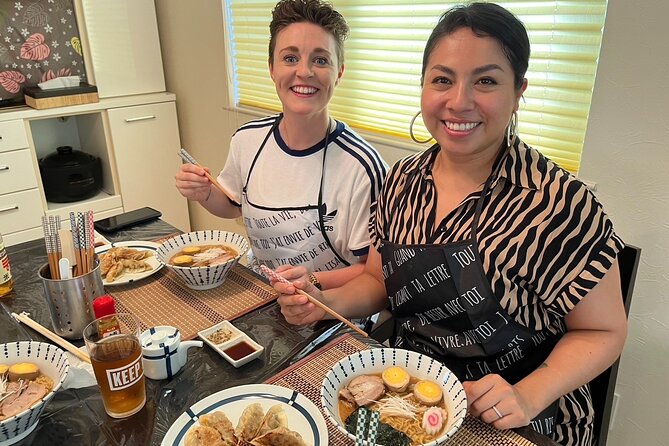
Your package includes dinner: miso ramen & gyoza, plus matcha tea & Japanese sweets. You also get take-home recipes, aprons for the class, and photos as a thank-you.
That photo part is small, but it’s thoughtful. Cooking classes can feel like you blinked and it was over. A set of photos gives you a way to remember the setup and steps, especially if you want to recreate it later and compare what you made.
Alcohol add-on: simple, cash-based, and optional
Alcoholic drinks are not included. If you want it, you can purchase sake or beer for an additional 500 yen each, paid in cash:
- Sake: Hakkaisan (180ml)
- Beer: Kirin Ichiban Shibori (350ml)
This is useful to know because it affects your planning. You can keep it fully non-alcoholic if you prefer, or add it if you want a slightly celebratory dinner mood.
Dietary limits: make sure you can eat what’s offered
One practical consideration: the class cannot accommodate halal, vegetarian, vegan, or gluten-free diets. If your needs are outside what’s offered, you’ll want to plan around this. The “no substitutions” approach is common in small cooking kitchens, but it’s still important to check before you book—so you don’t arrive ready to learn and then have to sit out.
Price and value: is $104.51 worth it?
At about $104.51 per person for roughly two hours, you’re paying for more than ingredients. You’re paying for:
- a real chef-led lesson (including ramen fundamentals like dashi),
- small-group attention (max 4),
- an English-speaking guide for technique explanations,
- dinner plus matcha and sweets,
- take-home recipes and aprons,
- and photo follow-up.
If you compare this to a basic food tour that just hands you tastings, this class has higher “skill payoff.” You don’t just leave full; you leave with methods you can reproduce. That’s real value if you like cooking or if you want a souvenir that isn’t plastic.
It’s also good value if you’re the type who learns best by doing. Ramen and gyoza are hands-on, and matcha is something you can practice again. For groups, the small size keeps the experience personal, which is where the price starts to feel justified.
Who this class fits best (and who should skip it)
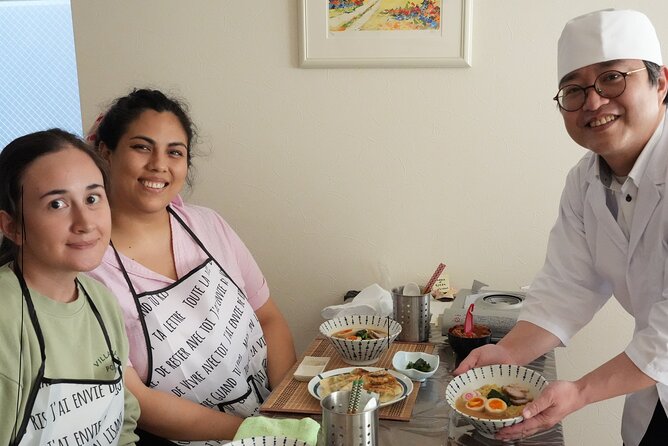
This is a great match if you:
- want a hands-on cooking experience rather than a sit-and-watch meal,
- care about flavor fundamentals like dashi and miso balance,
- enjoy taking recipes home and cooking later,
- want a small group setting where questions get answered,
- and like Japanese tea culture enough to make matcha, not just drink it.
It might be less ideal if:
- you need halal/vegetarian/vegan/gluten-free options (the class can’t accommodate those),
- you hate structured cooking lessons (this is an instruction-focused class),
- or you’re extremely rushed and only want a quick bite. The point here is learning, so plan for the full two hours.
The small practical details that make it easier
A few specifics help you plan smoothly:
- You’ll start and end back at the meeting point, so you don’t have to worry about getting somewhere else.
- It uses a mobile ticket, which makes arrival easier.
- Confirmation happens within 48 hours of booking, subject to availability—so if you’re juggling a tight itinerary, still give yourself some cushion.
- The classroom is near public transportation, and it’s connected well to Shibuya via the Fukutoshin Line.
One more thing I appreciate: this class is set up to respect your pace. In cooking, that’s everything. If you’ve ever felt embarrassed by being slow at home, a good guided setting helps you learn without pressure.
Should you book Tokyo Small-Group Ramen, Gyoza & Matcha with a Pro Chef?
If you want an experience that feeds you and teaches you—then yes, I’d book it. The small group size is the standout. You get chef-level guidance without being lost in a crowd, and you come away with take-home recipes that support real cooking at home, not just good memories.
Book it especially if you’re traveling with mixed experience levels—someone who likes food, someone who’s curious, and even someone who thinks cooking classes might be too hard. The pacing and the English explanations make it easier for everyone to follow.
Skip or choose another option if your diet requires halal, vegetarian, vegan, or gluten-free changes. For everyone else, it’s a strong way to spend a couple of hours in Tokyo: you’ll leave with dinner you made, matcha you prepared, and a skill you’ll likely use again.
FAQ
What dishes are included in the class?
You’ll have dinner miso ramen and gyoza, plus matcha green tea and Japanese sweets.
How long is the cooking class?
The class lasts about 2 hours.
How big is the group?
The class is limited to a maximum of 4 travelers.
Do I get take-home recipes?
Yes. You’ll receive easy-to-follow recipes to recreate ramen and gyoza at home.
Can the class accommodate dietary restrictions like halal, vegetarian, or gluten-free?
No. The class cannot accommodate halal, vegetarian, vegan, or gluten-free diets.
Is alcohol included?
Alcoholic beverages are not included. Sake or beer can be purchased for an additional 500 yen each in cash.
More Workshops in Tokyo
- Sushi Making Tokyo Roll and Authentic Japanese Sushi Class
★ 5.0 · 3,971 reviews - Tokyo: Roll and Authentic Sushi Making Class in Asakusa
★ 4.9 · 1,957 reviews - Tokyo Shinjuku Chopsticks Making Class
★ 5.0 · 1,763 reviews - Tokyo: Sushi Making Class in a Happi Coat near a Famous Spot
★ 4.9 · 1,377 reviews - Chopstick Making Workshop in Ginza
★ 4.8 · 1,366 reviews
More Tour Reviews in Tokyo
- Mt Fuji and Hakone 1-Day Bus Tour Return by Bullet Train
★ 5.0 · 26,383 reviews - 1-Day Tokyo Bus Tour
★ 5.0 · 14,250 reviews - Tokyo: teamLab Planets TOKYO Digital Art Museum Entry Ticket
★ 4.6 · 9,779 reviews - Mt Fuji & Hakone Cruise, Drum Show Bullet Train 1 Day from Tokyo
★ 4.0 · 7,413 reviews - Tokyo: Shinjuku Food Tour (13 Dishes at 4 Local Eateries)
★ 5.0 · 6,603 reviews
More Tea and Matcha Rooms
- Matcha Making Class in Tokyo with Authentic Japanese Sweets Set
★ 5.0 · 744 reviews - Tokyo: Traditional Tea Ceremony with a Tea Master
★ 5.0 · 528 reviews - Tokyo: Matcha Making Experience with Mochi Sweets in Asakusa
★ 4.9 · 388 reviews - Tokyo: Matcha and Kimono Experience
★ 4.7 · 219 reviews - Tea Ceremony Workshop in Tokyo by the Experienced Instrucor
★ 5.0 · 189 reviews
Latest Tokyo reviews off our desk




Tea Ceremony & Matcha, compared.
 ★ 5.0Matcha Making Class in Tokyo with Authentic Japanese Sweets SetFrom $21744 reviews
 ★ 5.0Traditional Tea Ceremony with a Tea MasterFrom $38528 reviews
 ★ 4.9Matcha Making Experience with Mochi Sweets in AsakusaFrom $22388 reviews
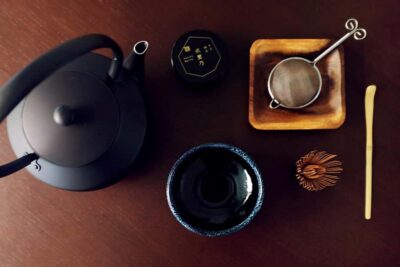 ★ 4.7Matcha and Kimono ExperienceFrom $57219 reviews
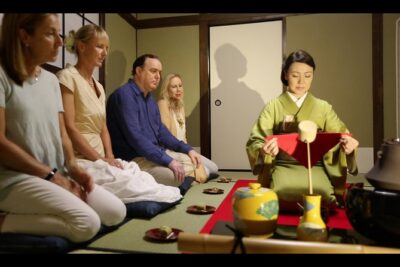 ★ 5.0Tea Ceremony Workshop in Tokyo by the Experienced InstrucorFrom $38189 reviews
 ★ 4.9Asakusa Kimono Dressing and Matcha ExperienceFrom $56173 reviews
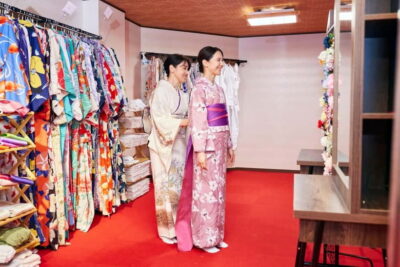 ★ 4.9Asakusa: Kimono Tea Ceremony with Matcha and SweetFrom $66153 reviews
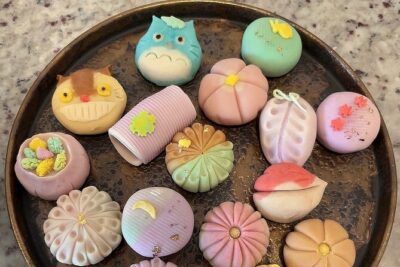 ★ 5.0Make Traditional Nerikiri Sweets & Matcha experience in ShibuyaFrom $60130 reviews
Browse the lists this tour appears in